

)
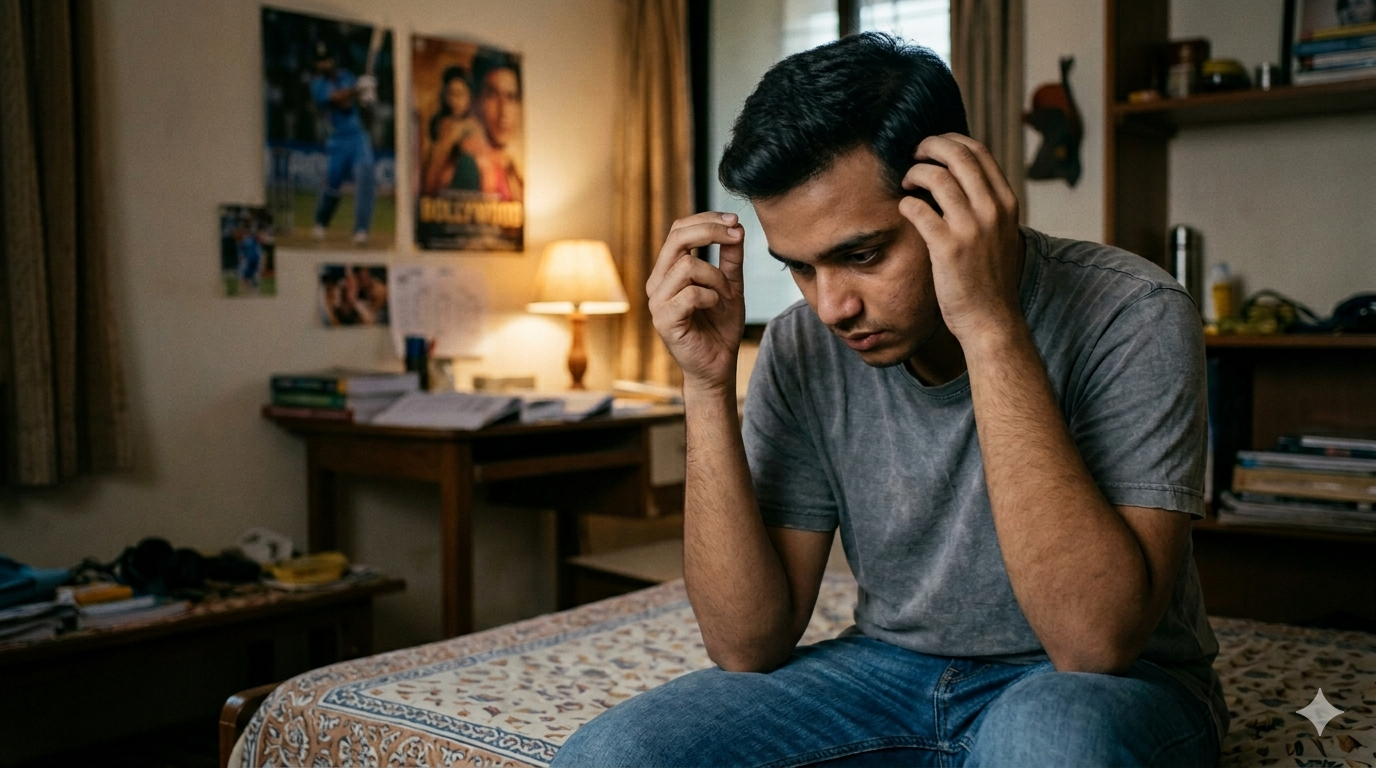
Pulling out a strand of hair occasionally may not seem unusual. However, if you find yourself repeatedly pulling hair from your scalp, eyebrows, eyelashes, or other parts of the body and struggle to stop, it could be a sign of a mental health condition known as trichotillomania, or hair-pulling disorder. Trichotillomania is a recognised mental health condition that affects both children and adults. According to a study published in journal BMC Psychology, people with the disorder experience a strong urge to pull out their hair, often as a way of coping with stress, anxiety, boredom, or other difficult emotions. While the behaviour may provide temporary relief or satisfaction, it is usually followed by feelings of guilt, embarrassment, or frustration.
What Is Trichotillomania?
Trichotillomania is classified as a body-focused repetitive behaviour and is part of a group of conditions related to obsessive-compulsive and impulse-control disorders. The condition can involve pulling hair from:
- The scalp
- Eyebrows
- Eyelashes
- Beard area
- Arms or legs
- Other body regions
Some people are fully aware of the behaviour, while others may pull their hair automatically while reading, watching television, studying, or feeling stressed.
Also read: Here's What Your Hair Is Trying To Tell You About Your Health
Common Signs And Symptoms
The symptoms can vary from person to person, but common warning signs include:
- Repeatedly pulling out hair despite trying to stop
- Noticeable hair loss or bald patches
- Feeling tension before pulling hair
- Experiencing relief or satisfaction after pulling
- Spending significant time engaged in hair-pulling behaviour
- Avoiding social situations because of hair loss
- Feelings of shame, guilt, or distress related to the habit
In some cases, individuals may also examine, twist, chew, or play with the hair after pulling it out.
Why Does It Happen?
The exact cause of trichotillomania is not fully understood, but experts believe a combination of genetic, psychological, and environmental factors may contribute. Certain triggers can increase the urge to pull hair, including:
- Stress and anxiety
- Emotional distress
- Boredom
- Perfectionism
- Depression
- Traumatic experiences
The condition often begins during late childhood or adolescence, although it can develop at any age.
Also read: Nutritionist Highlights Key Nutrient Deficiencies Behind Hair Fall In New Health Advisory
How Does It Affect Daily Life?
Hair-pulling disorder is more than just a habit. Over time, it can affect self-esteem, confidence, relationships, work, and school performance. Some people go to great lengths to hide bald patches by wearing hats, scarves, wigs, or heavy makeup. Others may withdraw from social activities due to embarrassment. In severe cases, repeated hair pulling can lead to skin irritation, infections, and permanent damage to hair follicles.
Can It Be Treated?
Trichotillomania is treatable, and early intervention can help reduce symptoms and improve quality of life. Treatment options may include:
- Cognitive behavioural therapy (CBT)
- Habit reversal training (HRT)
- Stress-management techniques
- Mindfulness practices
- Treatment for underlying anxiety or depression
- Medication in selected cases, as advised by a mental health professional
Support from family members, friends, and healthcare providers can also play an important role in recovery.
Also read: Not Just Stress: Hidden Reasons You're Losing Hair (And The Actual Supplements That Work)
When Should You Seek Help?
If hair pulling is causing noticeable hair loss, emotional distress, or interfering with your daily life, it is important to consult a mental health professional. Many people delay seeking help because they feel embarrassed or assume the behaviour is simply a bad habit. However, trichotillomania is a recognised medical condition, and effective treatments are available.
Constantly pulling out your hair may be more than a nervous habit. It could be trichotillomania, a mental health condition that affects emotional well-being and quality of life. Recognising the signs early and seeking professional support can help individuals regain control of the behaviour and improve their overall mental health.
Disclaimer: This content including advice provides generic information only. It is in no way a substitute for a qualified medical opinion. Always consult a specialist or your own doctor for more information. NDTV does not claim responsibility for this information.