

)
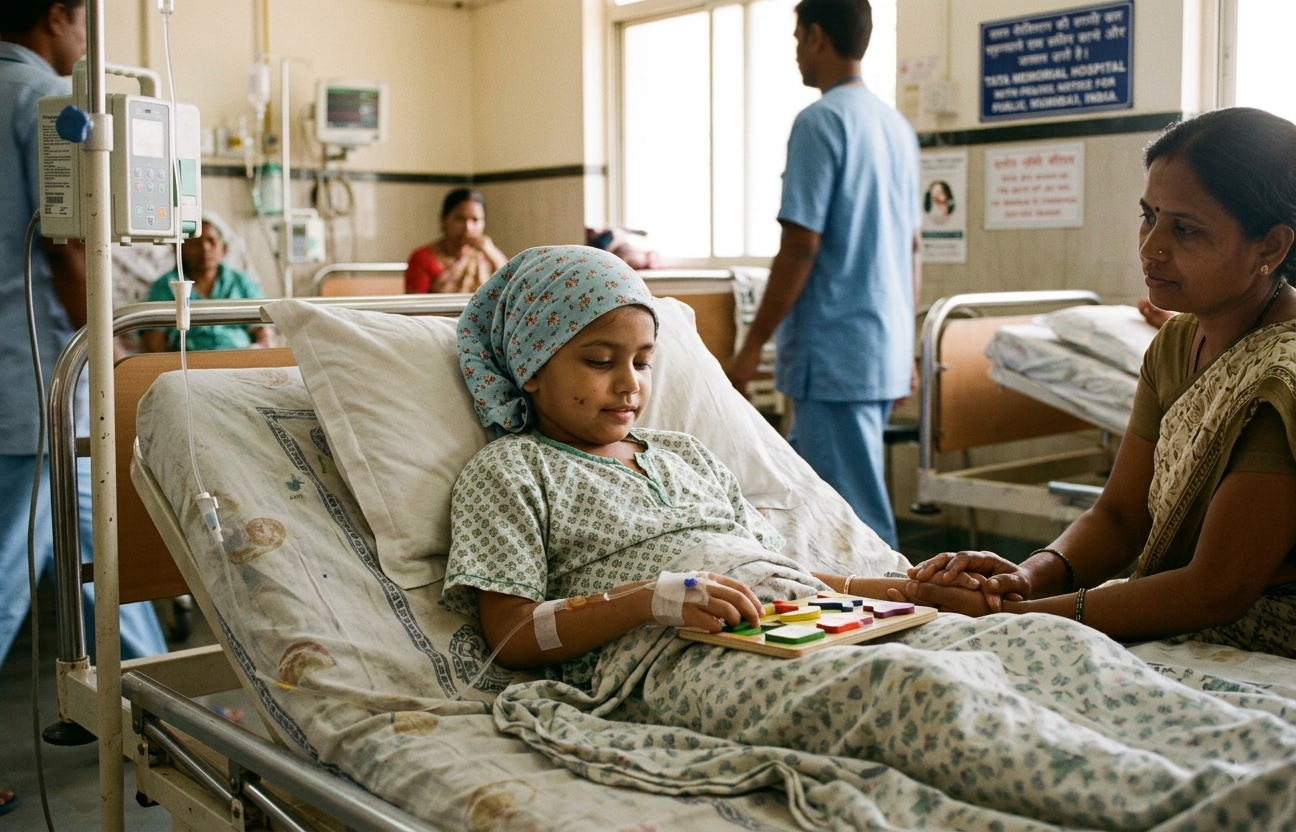
India accounted for nearly seven in 10 estimated childhood cancer cases recorded across the eight South Asian Association for Regional Cooperation (SAARC) countries in 2022, according to a new population-based analysis published in The Lancet Regional Health - Southeast Asia. The study analysed GLOBOCAN 2022 estimates for Afghanistan, Bangladesh, Bhutan, India, Maldives, Nepal, Pakistan and Sri Lanka, examining both the incidence and mortality of childhood cancers. The findings put India's enormous population of children at the centre of South Asia's childhood cancer burden. Of the estimated 37,716 new childhood cancer cases across the SAARC region in 2022, 25,939 were attributed to India, accounting for 68.8% of the subregional total. Pakistan followed with 7,841 cases, or 20.8%.
But the numbers tell a more complicated story than population size alone. The study found substantial differences in age-standardised cancer incidence and mortality between countries, pointing to differences in cancer detection, registration, access to specialist treatment and health-system capacity.
India Accounted For 68.8% Of SAARC Childhood Cancer Cases
The researchers estimated 37,716 new childhood cancer diagnoses and 17,698 deaths across SAARC countries in 2022. India contributed 25,939 cases, followed by Pakistan with 7,841.
This does not mean that 68.8% of all Indian children with cancer are diagnosed or captured by cancer registries. Rather, it represents India's share of the estimated total childhood cancer burden across the eight SAARC countries in the GLOBOCAN 2022 dataset.
The distinction matters because cancer surveillance remains uneven across South Asia. The International Agency for Research on Cancer (IARC) says its latest International Incidence of Childhood Cancer compilation draws on high-quality data from 308 population-based cancer registries in 82 countries and territories, while noting the importance of improving cancer registration globally.
India has also begun strengthening its childhood cancer surveillance. IARC reported in 2025 that India's first dedicated population-based childhood cancer registry, based in Chennai, recorded an incidence rate of 136 cases per million children in 2022-23. The registry reported two-year survival of 60% among all registered patients and 70% among those for whom high-resolution data were available.
Which Childhood Cancer Is Most Common?
Across all eight SAARC countries, leukaemia was the most common childhood cancer, accounting for roughly 35% to 50% of cases depending on the country. Central nervous system (CNS) tumours were the second most common group, making up approximately 12% of cases.
This pattern is consistent with the broader global picture. WHO lists leukaemias, brain tumours and solid tumours such as neuroblastoma and Wilms tumour among the most common cancers affecting children.
Childhood cancer is different from many adult cancers. In most cases, there is no established lifestyle-related cause that parents could have prevented, and routine population screening is generally not available. WHO notes that childhood cancers cannot generally be prevented or identified through screening, making awareness of persistent or unusual symptoms and timely medical evaluation particularly important.
Why Are Mortality Rates So Different Across South Asia?
One of the study's most important findings was the gap in the mortality-to-incidence ratio (MIR), a measure used to compare the number of deaths with the number of estimated new cases.
The MIR ranged from 0.30 in Sri Lanka to 0.57 in Afghanistan, with substantial differences also seen between cancer types. CNS cancers showed particularly high mortality relative to incidence. The researchers say these differences likely reflect both the underlying cancer burden and the ability of health systems to diagnose and treat children effectively.
WHO has consistently highlighted the enormous global survival gap in childhood cancer. More than 80% of children with cancer are cured in high-income countries, while cure rates remain below 30% in many low- and middle-income countries. Delayed diagnosis, inaccurate diagnosis, limited access to treatment, treatment abandonment, treatment-related toxicity and relapse all contribute to poorer outcomes.
The WHO South-East Asia Region has also reported that mortality from childhood cancer remains substantially higher than in high-income countries, reinforcing the need to improve diagnosis, treatment access and continuity of care across the region.
What Does This Mean For India?
The study's findings highlight two parallel priorities for India: better data and better access to care.
A large childhood population inevitably contributes to India's high absolute number of cases. But the country also needs reliable population-based cancer registries capable of showing where cases occur, which cancers are most common, how quickly children are diagnosed and how many complete treatment.
The Chennai registry demonstrates how detailed population-based data can provide information beyond simple case counts, including survival and treatment-related variables.
Improving access to paediatric oncology services is equally important. WHO's 2026 report on childhood cancer survival says major disparities persist between and within countries and identifies timely diagnosis, treatment access, continuity of care and high-quality cancer data as critical areas for improvement.
The new SAARC study therefore calls for greater subregional cooperation, stronger population-based childhood cancer registries, improved access to specialist care and more coordinated treatment pathways, particularly for CNS tumours. For leukaemia, the researchers highlight the importance of standardised treatment protocols and strategies to prevent treatment abandonment.
Can Childhood Cancer Be Cured?
Yes. Childhood cancer is not synonymous with a poor prognosis.
WHO says many childhood cancers can be cured when children have access to timely diagnosis and appropriate treatment, which can include chemotherapy, surgery, radiotherapy and other specialised therapies depending on the cancer.
The challenge in South Asia is ensuring that a child's chance of survival does not depend heavily on where they live, whether their family can afford treatment or how quickly they reach a specialised cancer centre.
WHO's Global Initiative for Childhood Cancer has set a target of achieving at least 60% survival for children with cancer by 2030. The initiative focuses on strengthening diagnosis, treatment, supportive care, health systems and access to essential medicines.
The finding that India accounted for 68.8% of estimated childhood cancer cases across SAARC in 2022 reflects, above all, the country's enormous child population and its share of the region's overall cancer burden. But the study's bigger message is about inequality in childhood cancer care.
Across South Asia, differences in incidence, mortality and mortality-to-incidence ratios point to gaps in cancer registration, diagnosis, specialist services and treatment continuity. Strengthening these systems could help ensure that a child's chances of surviving cancer are determined less by geography and more by access to timely, high-quality care.
Also Read: World's First mRNA Flu Vaccine For Older Adults, mFlusiva, Approved By US Drug Regulator
Disclaimer: This content including advice provides generic information only. It is in no way a substitute for a qualified medical opinion. Always consult a specialist or your own doctor for more information. NDTV does not claim responsibility for this information.