)
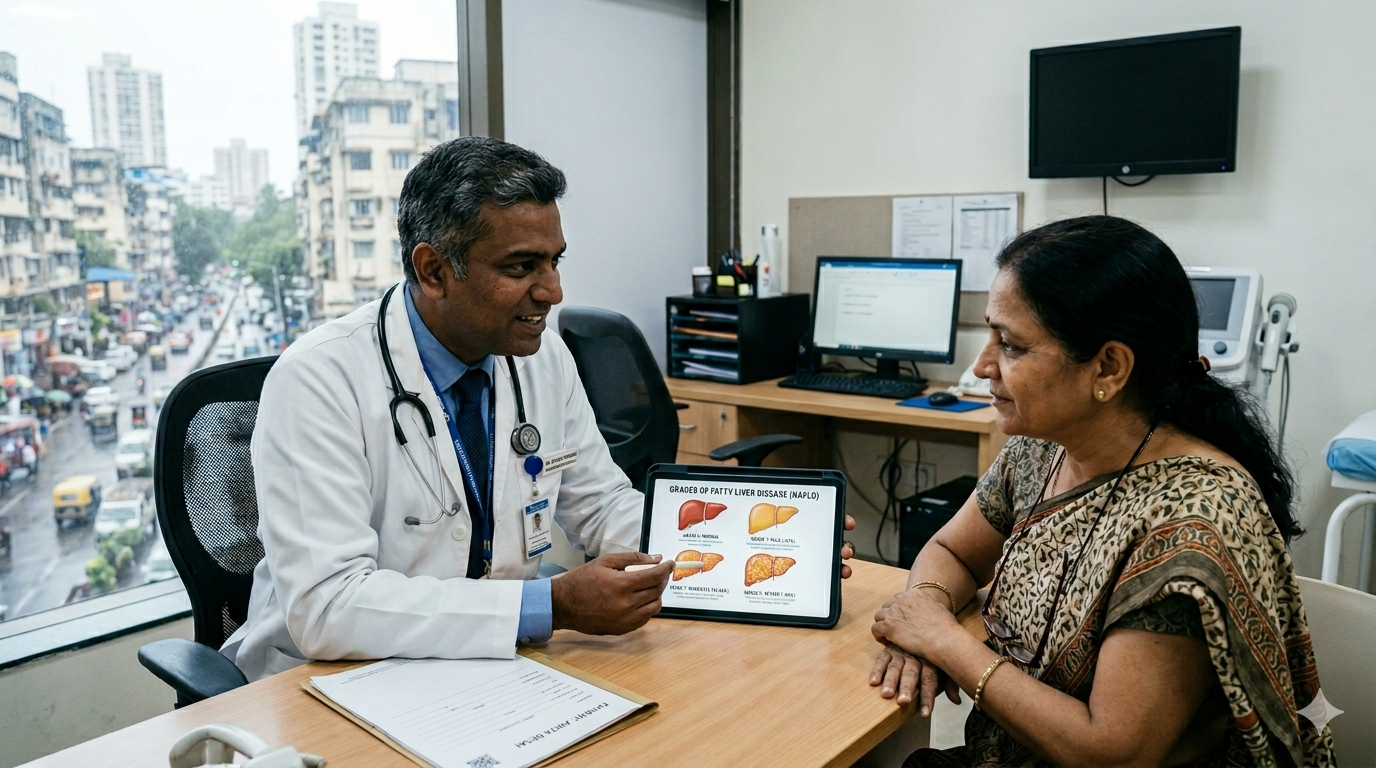
Grade 1 fatty liver, also known as mild hepatic steatosis, has become more common than ever. A diagnosis of fatty liver indicates the accumulation of fat in liver cells. In most cases, grade-1 fatty liver develops silently and is discovered incidentally during routine check-ups. It can be associated with several factors, including obesity, excessive alcohol consumption, certain medications, and metabolic conditions like diabetes and high cholesterol.
"Grade 1 fatty liver is the first stage of fat accumulation in the liver, and it can reverse if prompt lifestyle changes occur. Overeating, obesity, insulin resistance, uncontrolled diabetes, high cholesterol, a sedentary lifestyle, and heavy drinking are all causes of developing a grade-1 or mild fatty liver. Grade-1 fatty liver typically has no symptoms, so routine ultrasounds or checkups may discover it by chance. Although grade-1 fatty liver appears to be harmless at this stage, it represents a metabolic malfunction and needs to be addressed," says Dr Anubhav Jain, Senior Consultant & Unit Head - Gastroenterology at Max Hospital, Gurgaon.
"Grade 1 fatty liver is often reversible with healthy lifestyle changes. Taking action early can help prevent progression to more serious liver disease," adds Dr. Rinkesh Kumar Bansal, Director, Gastroenterology at Fortis Memorial Research Institute, Gurgaon.
Dr. Bansal further shared the following tips to reverse grade-1 fatty liver:
- The first step is to maintain a healthy weight. Losing just 5-10% of your body weight can significantly reduce liver fat and improve liver function. Focus on gradual weight loss rather than crash diets, which may worsen liver health.
- A balanced diet is equally important. Include plenty of vegetables, fruits, whole grains, lean proteins, nuts, and healthy fats. Limit sugary drinks, processed foods, refined carbohydrates, fried foods, and excessive saturated fats. Reducing added sugar, especially fructose found in soft drinks and packaged juices, can make a big difference.
- Regular physical activity is another key recommendation. Aim for at least 150 minutes of moderate exercise each week, such as brisk walking, cycling, swimming, or strength training. Exercise helps reduce liver fat even if weight loss is modest.
- If you drink alcohol, your doctor may advise avoiding it completely, as alcohol can further damage the liver.
- Managing conditions like diabetes, high cholesterol, and high blood pressure is also essential because these often contribute to fatty liver disease.
- Stay hydrated, get enough sleep, and manage stress through relaxation techniques, yoga, or meditation. Avoid taking unnecessary medications or supplements without consulting your doctor, as some may affect liver health.
- Regular follow-up appointments are important. Your doctor may recommend periodic blood tests, liver function tests, or imaging studies to monitor improvement.
- Currently, there is no specific medication approved solely for grade 1 fatty liver, so lifestyle changes remain the cornerstone of treatment.
"The good news is that grade-1 fatty liver can often be reversed with consistent healthy habits. By eating a nutritious diet, staying physically active, maintaining a healthy weight, and following your doctor's advice, you can protect your liver, improve overall health, and reduce the risk of future complications. Early intervention offers the best chance for complete recovery and long-term liver wellness," Dr. Bansal concluded.
Disclaimer: This content including advice provides generic information only. It is in no way a substitute for a qualified medical opinion. Always consult a specialist or your own doctor for more information. NDTV does not claim responsibility for this information.