
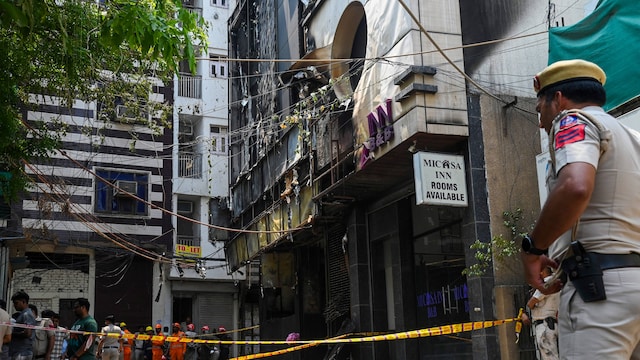
The tragic fire at a hotel in Delhi, which claimed multiple lives and exposed serious safety violations including the absence of emergency exits and fire clearances, has once again drawn attention to one of the deadliest yet least understood aspects of fires: smoke inhalation. Many people assume that flames are the primary cause of death during a fire. However, medical experts and fire safety authorities worldwide say that toxic smoke is responsible for the majority of fire-related fatalities. In enclosed environments such as hotels, homes, offices and commercial buildings, victims often succumb to smoke exposure long before flames reach them.
According to the United States Fire Administration (USFA), smoke inhalation accounts for the vast majority of fire deaths, largely due to oxygen deprivation and poisoning from toxic gases generated during combustion. Modern buildings contain synthetic materials, plastics, insulation products and treated furnishings that release highly dangerous chemicals when burned.
As investigators continue to examine the circumstances surrounding the Delhi hotel tragedy, respiratory specialists say understanding how smoke kills can help people respond more effectively during emergencies and potentially save lives.
Why Smoke Is Often More Dangerous Than Fire
In a confined environment, a fire triggers a rapid chain reaction of chemical and physical changes in the surrounding air. Within minutes, breathable air can become a lethal mixture of toxic gases, heat and microscopic particles.
"Most victims trapped in enclosed fires do not die from burns. They die because they are unable to breathe," explains Dr Vikas Maurya, Senior Director and Head of Respiratory Medicine and Respiratory Critical Care at Fortis Hospital, Shalimar Bagh.
Also Read: Delhi Hotel, Where Fire Killed 21, Had Permission For 6 Rooms. It Operated 25
According to Dr Maurya, three major mechanisms make smoke inhalation so deadly.
1. Oxygen Depletion Can Cause Rapid Unconsciousness
The air we normally breathe contains approximately 21% oxygen. During a fire, combustion consumes large amounts of oxygen. In poorly ventilated spaces such as hotel rooms, corridors and stairwells, oxygen levels can fall rapidly.
"As ambient oxygen levels drop below 10-12%, the brain is quickly deprived of oxygen. This causes confusion, impaired judgement, loss of coordination and ultimately unconsciousness," says Dr Maurya. This condition, known as hypoxia, can leave trapped individuals physically unable to find exits or escape routes even before flames spread to their location. Reduced oxygen environments can lead to loss of consciousness within minutes depending on the severity of oxygen depletion.
2. Toxic Gases Poison The Body
One of the greatest dangers during structural fires comes from the release of poisonous gases. Modern interiors contain synthetic carpets, foam cushions, plastic fixtures, insulation materials and treated fabrics. When these materials burn, they release a complex mixture of toxic compounds.
Carbon Monoxide
Carbon monoxide (CO) is the leading cause of death in enclosed-space fires. According to the World Health Organization (WHO), carbon monoxide binds to haemoglobin in the blood more than 200 times more strongly than oxygen. This prevents oxygen from being transported to vital organs and tissues.
Dr Maurya explains: "Carbon monoxide forms carboxyhaemoglobin in the bloodstream, effectively blocking oxygen delivery throughout the body and causing cellular suffocation." Victims may initially experience headache, dizziness, weakness and confusion before rapidly progressing to unconsciousness.
Hydrogen Cyanide
Another highly lethal gas generated by burning plastics, carpets and synthetic materials is hydrogen cyanide. "Hydrogen cyanide is released from nitrogen-containing synthetic polymers and can be significantly more toxic than carbon monoxide," says Dr Maurya.
Unlike carbon monoxide, which interferes with oxygen transport, cyanide prevents cells from using oxygen even when it is present in the bloodstream. Research published by the National Library of Medicine shows that hydrogen cyanide poisoning is increasingly recognised as a major contributor to fatalities in enclosed building fires.
3. Heat And Smoke Damage The Airways
Smoke is not simply a collection of gases. It also contains extremely hot air, microscopic soot particles and chemical irritants. "Inhaling superheated air can cause immediate burns to the mouth, throat, windpipe and lungs," says Dr Maurya.
The resulting inflammation causes swelling of airway tissues, sometimes leading to complete obstruction.
This means a victim may continue struggling to breathe even after escaping the immediate fire zone. Smoke inhalation injuries can cause delayed respiratory complications, including acute respiratory distress syndrome (ARDS), pneumonia and long-term lung damage.
Why Closed Buildings Become Death Traps
The Delhi hotel tragedy has also reignited concerns about fire safety compliance. Experts say that inadequate ventilation, blocked exits, unauthorised construction and overcrowding can dramatically worsen the effects of smoke exposure. When smoke accumulates in corridors and staircases, visibility may drop to near zero within minutes. People become disoriented and lose valuable escape time.
Smoke can spread much faster than flames through buildings, often reaching occupants located far from the fire's origin. This makes functional emergency exits, smoke alarms, fire-resistant construction and evacuation planning critical for survival.
What To Do If Trapped In A Smoke-Filled Building
Fire safety agencies recommend:
- Stay low to the ground where cleaner air is available.
- Cover the nose and mouth with a cloth if possible.
- Avoid opening doors that feel hot.
- Use stairs instead of elevators.
- Move immediately toward the nearest exit.
- Call emergency services as soon as possible.
- If unable to escape, seal gaps under doors with wet cloths and signal for help from a window.
- Most importantly, experts emphasise that people should never underestimate smoke.
The Delhi hotel fire serves as a stark reminder that flames are often not the greatest threat during a building fire. Toxic smoke, oxygen depletion, carbon monoxide poisoning, hydrogen cyanide exposure and airway burns can turn an enclosed room into a deadly environment within minutes.
"All these factors, combined with a closed and confined space and lack of ventilation, can cause severe injury and significant mortality among trapped victims," says Dr Maurya.
As investigations continue into the causes and safety lapses behind the Delhi hotel tragedy, health experts stress that public awareness of smoke inhalation risks, and strict enforcement of fire safety regulations, remain essential to preventing similar disasters in the future.
Disclaimer: This content including advice provides generic information only. It is in no way a substitute for a qualified medical opinion. Always consult a specialist or your own doctor for more information. NDTV does not claim responsibility for this information.