



In a tragic incident from Tamil Nadu, a 19-year-old college girl died after consuming borax or sodium tetraborate for weight loss. Kalaiyarasi, daughter of daily wager Vel Murugan and Vijayalakshmi from Meenambalpuram, Sellur, Tamil Nadu, watched a video on the YouTube channel titled 'Venkaaram to melt fat and slim body' last week. On January 16, she bought the substance from a native medicine shop near Thermutti, Keezhamasi Street, police said. According to news agency PTI, Kalaiyarasi was studying at a prominent private women's college and was often on the lookout for weight loss tips on social media.
On January 17, she consumed borax as per the YouTube video and immediately experienced vomiting and diarrhea. Her mother rushed her to a private hospital in Munisalai, where she received treatment and returned home. However, despite treatment the symptoms worsened and she came home complaining of severe stomach pain and blood in her stools in the evening. Around 11 pm, her health deteriorated and she experienced intense vomiting and diarrhea. She was then rushed to a government hospital, where the doctors declared her dead en route.
What is borax?
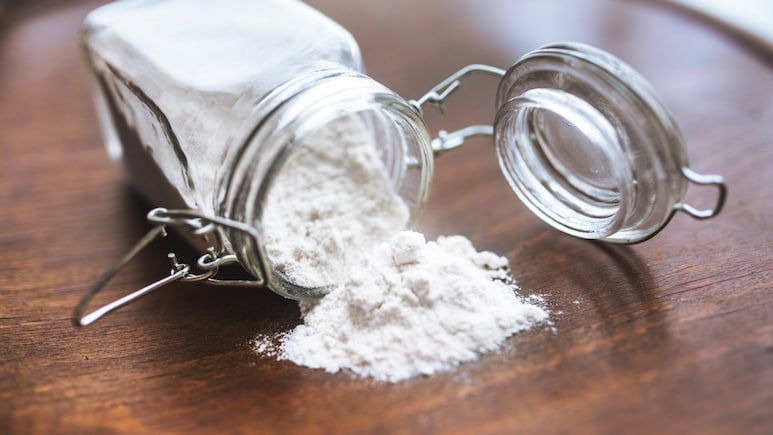
Borax, also known as sodium borate, suhaga, venkaaram, sodium tetraborate, or boric acid, is a powdery white mineral that has been used as a cleaning product for several decades. It is typically used in household cleaners, detergents, pest control and more. Borax is also used as an ingredient to make slime, which is a gooey material that most children use for playing.
"Borax is a chemical which is commonly used in detergents, pesticides and industrial sectors. It converts acids into alkaline in this setting," says Dr. Basavaraj S Kumbar, Consultant - Internal Medicine, Aster Whitefield Hospital, Bengaluru. "If you consume it accidentally, the toxic effects start within 6-7 hours depending on the amount taken. The earlier you go to a doctor, the better the outcome in these cases because borax acts on the basic cellular level and causes cell death. The pH of the body gets increased. The effects also depend on the way borax has been consumed - whether you have inhaled, ingested orally or topically applied on skin. The impacts are most directly on the gastrointestinal tracts, kidney, brain, and respiratory tract."
He explains that in many cases, borax exposure also causes chemical pneumonitis or "chemically induced pneumonia", which can also cause the body's organs to shut down. In the GI tract, borax exposure leads to cardiac arrest ultimately, along with kidney failure.
Uses of borax
Borax has a variety of applications, including:
- Household cleaner: It's commonly used as a cleaning agent and deodoriser due to its alkaline properties.
- Laundry booster: Many people use it to enhance the effectiveness of laundry detergents, helping to remove stains and brighten clothes. It can also neutralise odours and soften hard water.
- Pest control: Borax can be effective in controlling pests like ants and cockroaches when used as a bait.
- Industrial and agricultural uses: It is utilised in glassmaking, ceramics, and as a flux in metallurgy. It's also applied in various agricultural settings, including as a fertiliser additive.
- Cosmetic use: In cosmetic products, borax is sometimes used in moisturising products, creams, shampoos, gels, lotions, bath bombs, scrubs, and bath salts as an emulsifier, buffering agent, or preservative. However, experts often advise using borax-free products as it can be harmful.
Can borax help with weight loss?
"Borax is not considered to be a weight-loss aid, a detox agent, or a harmless home remedy. It is a toxic industrial chemical, and the body's defences may be overwhelmed within hours of consuming it."
"There is no safe dose of borax that can be taken by a safe human, and the use of borax for weight loss has not been scientifically supported. The substances that are promoted in social media videos often do so by relying on misinformation, half-truths, or outright falsehoods, with no comprehension of human physiology or toxicology," explains Dr. Sambit Kumar Bhuyan, Consultant - Medical Gastroenterology, Manipal Hospital, Bhubaneshwar.
Is borax toxic?
Borax is not considered safe for human consumption. While often labelled natural, it is not safe for ingestion. It can be toxic if ingested, inhaled, or if it comes into prolonged contact with the skin. Borax often comes with a caution label warning users that it can be harmful if swallowed. According to the National Institutes of Health, US, borax has been associated with several adverse health effects in humans. These include irritation, hormone issues, toxicity and even death.
Potential adverse effects of borax
Borax poisoning can cause symptoms including nausea, vomiting, diarrhea, abdominal pain, and, in severe cases, can lead to more serious health issues.
1. Irritation
Borax exposure can cause skin rashes, eye irritation, and respiratory issues. Some individuals have also reported burns from borax exposure to their skin. In some cases, it can also cause mouth infection, vomiting and nausea.
2. Toxicity
Borax is quickly broken down by the body if ingested and inhaled. It can be highly dangerous and cause severe vomiting, diarrhea, shock, and kidney failure. As little as 5-10 grams can be fatal for children and 10 to 25 grams for adults.
3. Reproductive hazards
In some countries, borax is classified as a "Substance of Very High Concern" for reproductive toxicity. High exposure can damage male reproductive organs and harm fetal development.
4. Organ damage
Studies indicate that borax exposure, even from cosmetics, can lead to organ damage and serious poisonings.
What happens when you consume borax?
"The ingestion of borax results in the initial reaction which is the severe irritation and chemical injury of the gastrointestinal tract. This accounts for the symptoms of vomiting, diarrhea, abdominal cramps, and blood in the stools which are all very typical in such cases. However, the destruction of tissues does not stop there. Borax is taken up very quickly by the bloodstream where it alters the metabolism of cells and hampers the functioning of the important enzyme systems."
"The meaning of this is that there are several organs that start to fail at the same time. The kidneys are unable to do their job of eliminating the toxin from the body easily, and this results in renal impairment of a sudden nature. The liver, which is responsible for detoxifying the harmful substances, has to work much harder and eventually gets exhausted. The cellular consequence of borax is metabolic acidosis, electrolyte imbalance, and circulatory collapse. In a case of severe poisoning, the heart rhythm becomes erratic, and the brain may get affected, which can lead to a seizure, loss of consciousness, or even sudden death," explains Dr. Kumar.
The weight loss desperation: More harm than good
Weight loss is a common goal for many, especially among young adults. Many people often experience significant pressure to lose weight quickly, leading them to pursue extreme measures that can be harmful or even fatal. The desperation to fit into societal ideals or improve self-image can drive individuals to adopt hazardous hacks or drastic diets that promise rapid results. Unfortunately, these approaches often do more harm than good.
Therefore, it is essential to focus on weight loss strategies that prioritise health and wellness.
A sustainable weight loss approach through balanced nutrition and regular physical activity can lead to better overall health, improved self-esteem, and a more positive outlook on life. This also allows individuals to create lasting lifestyle changes rather than temporary fixes.
"This tragic death is a clear indication that the demand for weight loss should never compromise safety. Any unexplained 'quick fixes' that are not sanctioned by a physician should be regarded as hazardous until they have been demonstrated otherwise. The human body is not a laboratory for experiments, and the results of poisoning could be permanent," Dr. Kumar concludes.
Disclaimer: This content including advice provides generic information only. It is in no way a substitute for a qualified medical opinion. Always consult a specialist or your own doctor for more information. NDTV does not claim responsibility for this information.
Track Latest News Live on NDTV.com and get news updates from India and around the world

