



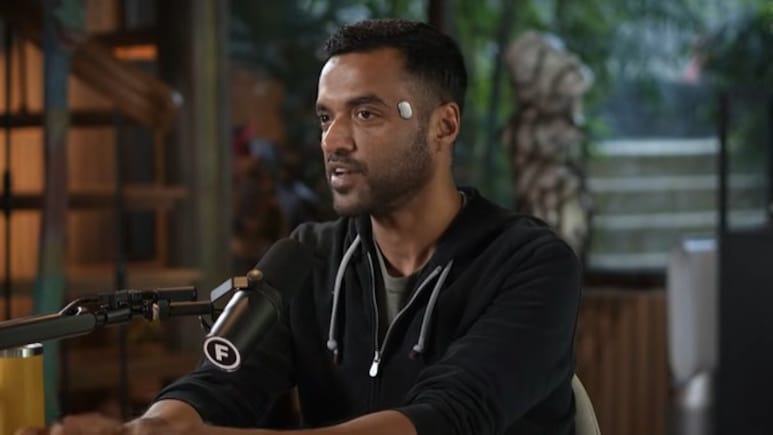
From smartwatches that track sleep and heart rate to futuristic temple-based devices claiming to "read" brain activity, wearable technology is increasingly marketed as a window into brain health. Social media buzz, celebrity endorsements and rapid advances in artificial intelligence have fuelled the belief that simply wearing a device could help detect conditions such as stroke, epilepsy, Parkinson's disease or dementia, sometimes even before symptoms appear. Recently, Zomato CEO Deepinder Goyal was spotted wearing a Temple device which reportedly measures brain blood flow in real time.
But how much of this promise is backed by science, and how much is hype? According to leading neurologists, the truth lies somewhere in between. Wearable devices have undoubtedly transformed health monitoring by collecting continuous, real-world data that doctors rarely get during short clinic visits. However, brain health is complex, and diagnosing neurological disorders requires far more than movement tracking or blood flow estimates.
NDTV spoke to top neurologists from across India, who broke down what wearable devices can realistically do, where their limitations lie, and why they should be seen as supportive tools rather than diagnostic solutions. If you are relying on a smartwatch or a "brain wearable" like Deepinder Goyal's Temple device to safeguard your neurological health, this is what you need to know.
Can Wearables Detect Brain Health Problems? The Short Answer
"The answer is both yes and no," says Dr. Bipan Kumar Sharma, Consultant Neurologist, Kailash Deepak Hospital, New Delhi. "Wearable devices can help in detecting and monitoring early signs that may be associated with certain brain-related conditions. However, they cannot replace clinical evaluation, neurological examinations, MRI, CT scans or tests like EEG."
In other words, wearables may raise red flags, but they cannot confirm a diagnosis.
Also Read: AI Wearables Predict Seizures, Cardiac Risks Early: Doctors Share Safe Use Tips
How Wearable Devices Work
Wearable devices are designed to sense and record physiological signals from the part of the body where they are worn. As Dr. Sorabh Gupta, Consultant Neurologist, Kailash Hospital, Dehradun, explains: "Wearable devices sense movements and blood flow in the area where they are worn. A wristwatch, for example, can monitor blood flow and detect pulse rate, including irregular pulse patterns."
Common wearable formats include:
- Smartwatches and wristbands
- Temple- or forehead-based devices
- Eye trackers
- Anklet bands
- Postural belts worn around the lower back
These devices may track:
- Heart rate and heart rate variability
- Sleep duration and sleep stages
- Blood oxygen levels
- Body movements, tremors and gait patterns
- Eye movements or posture
Such data can offer indirect clues about overall neurological well-being.
Where Wearables Can Be Helpful For Brain Health
Early Warning Signals: Sudden changes in sleep patterns, activity levels or movement may indicate that something is not right. "Any significant or unusual changes in these parameters can serve as early warning signals," says Dr. Sharma.
Monitoring Known Neurological Conditions: Wearables can be useful after a diagnosis has already been made. Dr. Gupta explains: "If a patient is wearing a wrist band, it can help monitor tremors, whether they are increasing or decreasing. This can be helpful in follow-up and management." Examples include, tracking tremor severity in Parkinson's disease, monitoring sleep disturbances in epilepsy, assessing fall risk through gait and posture analysis, and measuring recovery progress during rehabilitation.
Lifestyle and Wellness Insights: According to Dr. Bharath Kumar Surisetti, Consultant Neurologist, Yashoda Hospitals, Hyderabad, most consumer brain wearables are currently relevant for general wellness, not disease detection. "At best, such devices may offer limited insights into cognitive fatigue, stress levels, sleep patterns, or day-night fluctuations in brain blood flow."
What Wearables Cannot Do
Despite ambitious marketing claims, neurologists are clear about the limitations.
1. No Diagnosis of Brain Diseases
Wearables cannot diagnose:
- Stroke or predict an upcoming stroke
- Brain tumours
- Epilepsy or seizure focus
- Dementia or Alzheimer's disease
- Parkinson's disease
"They cannot replace investigations like MRI or EEG," says Dr. Gupta.
2. Blood Flow Is Not Brain Health
Temple-based wearables often claim to measure brain activity, but what they actually track is blood flow near the temporal artery. Dr. Surisetti explains: "Measuring blood flow alone does not indicate whether a person has or will develop a neurological disease." This is conceptually similar to medical tools like transcranial Doppler ultrasound, which doctors use only as a supporting test, not a standalone diagnostic tool.
Why Medical Tests Still Matter
Established diagnostic tools remain the gold standard:
- EEG (Electroencephalography): Records actual brain wave activity
- MRI: Provides high-resolution images of brain structure
- CT Scan: Detects bleeding, tumours and acute stroke
"Wearables cannot match this level of accuracy," says Dr. Surisetti. Major neurological research organisations such as the World Health Organization (WHO) and the National Institute of Neurological Disorders and Stroke (NINDS, USA) continue to emphasise that neurological diagnosis must be doctor-led and test-based, not device-driven.
The Risks of Over-Reliance on Wearables
Neurologists warn against panic, or false reassurance, based on wearable data. "If a device flags unusual activity, there is no need to panic," says Dr. Sharma. "The most appropriate step is to consult a neurologist."
Dr. Surisetti adds: "Relying on wearable brain data without medical supervision can be misleading, as large-scale studies and randomized trials are still lacking." Emergency symptoms such as weakness, speech difficulty, severe headache, vision problems, dizziness or vomiting require immediate medical attention, regardless of what a wearable shows.
Cost and Accessibility Concerns
Another practical issue is affordability. "These devices are quite expensive, so it is not very feasible for everyone," says Dr. Gupta. This has contributed to what experts call a myth around wearable devices, that they are far more powerful than current evidence supports.
The Future of Brain Wearables
While today's devices have limitations, neurologists remain cautiously optimistic. "Future technologies like brain-computer interfaces show promise," says Dr. Surisetti, "but clinically validated brain wearables are still a long way off." For now, wearables remain assistive tools, not medical decision-makers.
Wearable devices have an important role in modern healthcare, but not the one many people imagine. They can track sleep, movement and physiological trends, offer early warning signs and support rehabilitation in people with known neurological conditions. What they cannot do is diagnose brain diseases or replace neurological expertise.
Brain health assessment must remain firmly doctor-led, supported by validated tests such as EEG, MRI and CT scans. If your wearable shows something unusual, see it as a prompt to seek medical advice, not a diagnosis in itself. In brain health, technology can assist, but clinical judgment still leads the way.
Disclaimer: This content, including advice, provides generic information only. It is in no way a substitute for a qualified medical opinion. Always consult a specialist or your own doctor for more information.
Track Latest News Live on NDTV.com and get news updates from India and around the world

