

)
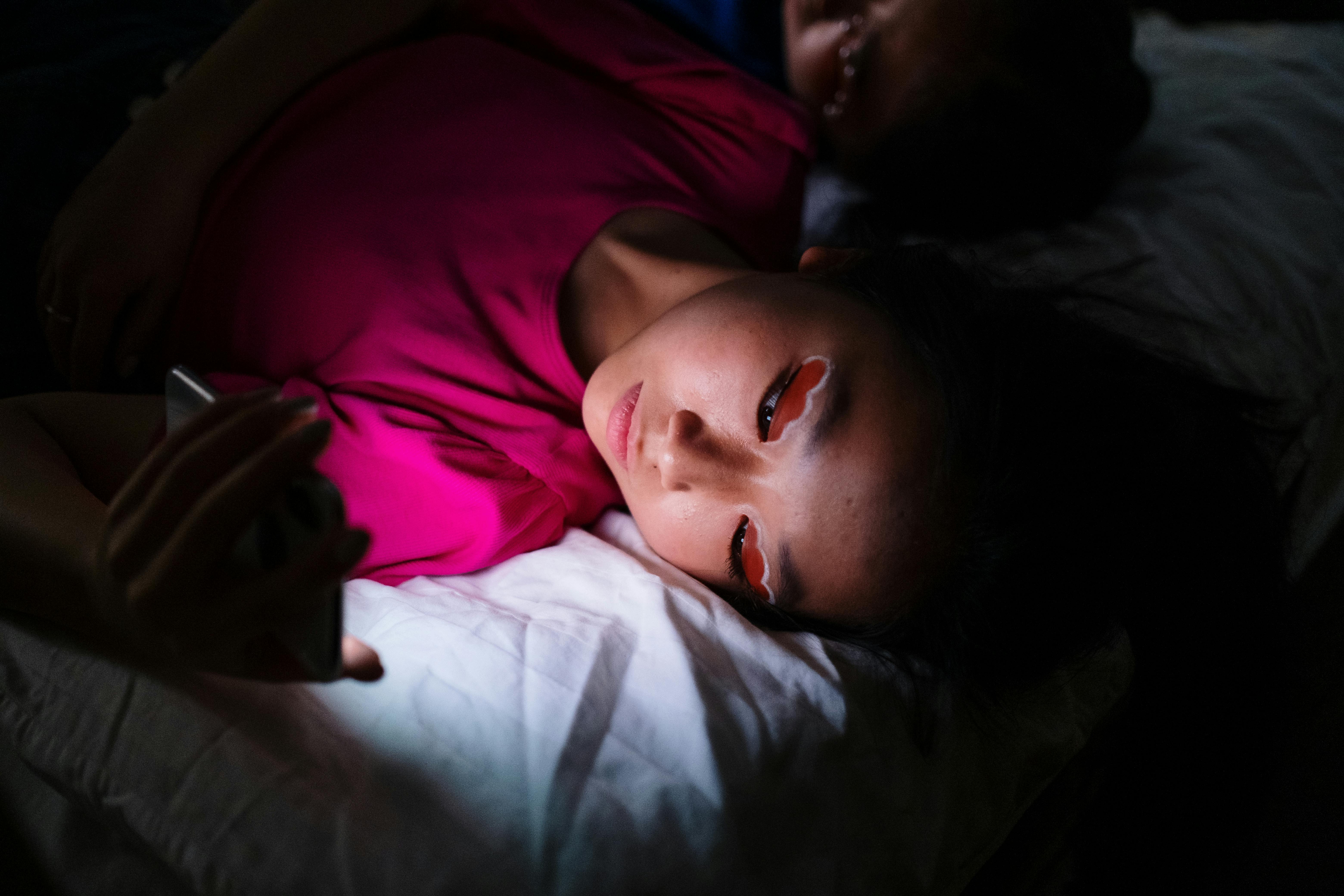
Most of us wake up and reach for our phones before our feet even hit the floor. We scroll through notifications in the middle of the day and, all too often, end the night with a screen light glowing in the dark. Smartphones have become indispensable but at what cost? Scientific evidence increasingly points to a complex interplay between screen time, sleep disruption, and physical and mental health. It's not just about addiction or distraction; the timing, duration, type of light, and even psychological engagement with the content matter. Below are reasons why using your phone especially before bed, might be harming your health.
9 Reasons why you need to stop using your phone before bed
1. Sleep disruption: your brain's night shift interrupts
Phones emit blue light, which mimics daylight and suppresses production of melatonin, the hormone that tells your brain it's time to sleep. Multiple studies have shown that exposure to screen light shortly before sleep delays onset of sleep and reduces quality of rest, leaving people tossing and turning longer.
2. You lose actual sleep time
Large-scale research on over 122,000 adults showed that daily screen use before bed was linked to shorter sleep duration and poorer sleep quality. Those who used screens had on average less than eight minutes of sleep per night compared to those who didn't, and were more likely to report restless sleep. Even seemingly small losses can add up to chronic sleep debt over weeks.
3. Increased chances of insomnia
A Norwegian study found that each hour of screen time while in bed raised the odds of insomnia symptoms by nearly 60% and cut about 24 minutes of sleep. That's not just “difficulty falling asleep”, it's a shift in your body's ability to regulate sleep reliably.
4. Nighttime phone use can fragment sleep
Some users interact with their phones in the middle of the night, not just before sleep and that matters. Young adults monitored over weeks had shorter total sleep time and more frequent awakenings when using phones during typical sleep hours. Even partial awakenings can reduce the restorative effects of deep sleep.
5. Poor sleep affects mental health
Several studies link nighttime phone use with increased stress, anxiety, and depressive symptoms, especially when poor sleep quality is involved. It's like a vicious cycle, phone use disrupts sleep, lack of sleep increases stress and anxiety, and that in turn may lead to more late-night scrolling.
6. Anxiety and emotional disturbance
Another study found that smartphone use before sleep was positively correlated with anxiety symptoms such as restlessness, worry, irritability, and difficulty relaxing, even after adjusting for other factors. Late-night content whether social media threads or news alerts can trigger overstimulation right before the mind should be winding down.
7. Physical stress responses increase
Research combining phone use data and biometric sleep metrics found that late smartphone use was linked to increased awake time and higher average heart rates during sleep. This isn't just about feeling alert, the body physically remains in a partial “alert” state instead of entering a deep rest.
8. Potential weight & metabolic impact
Studies show that disrupted sleep (often linked to late phone use) can influence hormones that govern appetite, glucose metabolism and energy use. Poor sleep is associated with higher BMI and metabolic irregularities, partly due to hormonal imbalances like reduced melatonin. Over time, this can contribute to weight gain and higher risk for metabolic disease.
9. Cognitive and day-time hangover effects
Persistent poor sleep undermines focus, memory consolidation, and cognitive processing, the mental housekeeping your brain does at night. Sleep deprivation also raises daytime sleepiness, irritability, and reduces productivity.
Putting your phone away especially an hour before bed, isn't just about discipline; it's about protecting your sleep cycle, your mental health, and even your metabolism. Setting boundaries like switching on night-shift blue light filters, using do-not-disturb modes at night, and keeping your phone out of reach after a certain hour can help reset both your body's internal clock and your habits.
Disclaimer: This content including advice provides generic information only. It is in no way a substitute for a qualified medical opinion. Always consult a specialist or your doctor for more information. NDTV does not claim responsibility for this information.
References
“Overnight smartphone use: A new public health challenge? A novel study design based on high-resolution smartphone data,” NCBI, 2018.
“Nighttime smartphone use, sleep quality, and mental health: investigating a complex relationship,” Oxford University Press (Sleep Research Society), 2023.
“Leave your smartphone out of bed: quantitative analysis of smartphone use effect on sleep quality,” Personal and Ubiquitous Computing, 2022.
“Effects of Mobile Use on Subjective Sleep Quality,” NCBI, 2020.
“Electronic Screen Use and Sleep Duration and Timing in Adults,” JAMA Network Open, 2025.
“Nighttime smartphone use and changes in mental health and wellbeing,” Scientific Reports, 2024.
“The association between bedtime smartphone use and anxiety symptoms,” BMC Psychiatry, 2025.
“Typical Phone Use Habits: Intense Use Does Not Predict Negative Well-Being,” arXiv, 2018.