

)
If you are struggling with staying alert during the day and need multiple cups of coffee to stay awake, then your energy levels need replenishment. Constant fatigue has become an unspoken background noise in modern urban life, leaving millions waking up unrefreshed despite spending eight hours in bed. While late nights, chronic workplace stress, and poor sleep hygiene are obvious culprits, ongoing sluggishness often points to something simpler and more pervasive: a subtle nutrient gap in your daily diet. When your cells lack the raw building blocks required to generate bio-energy, no amount of caffeine can substitute for genuine cellular stamina.
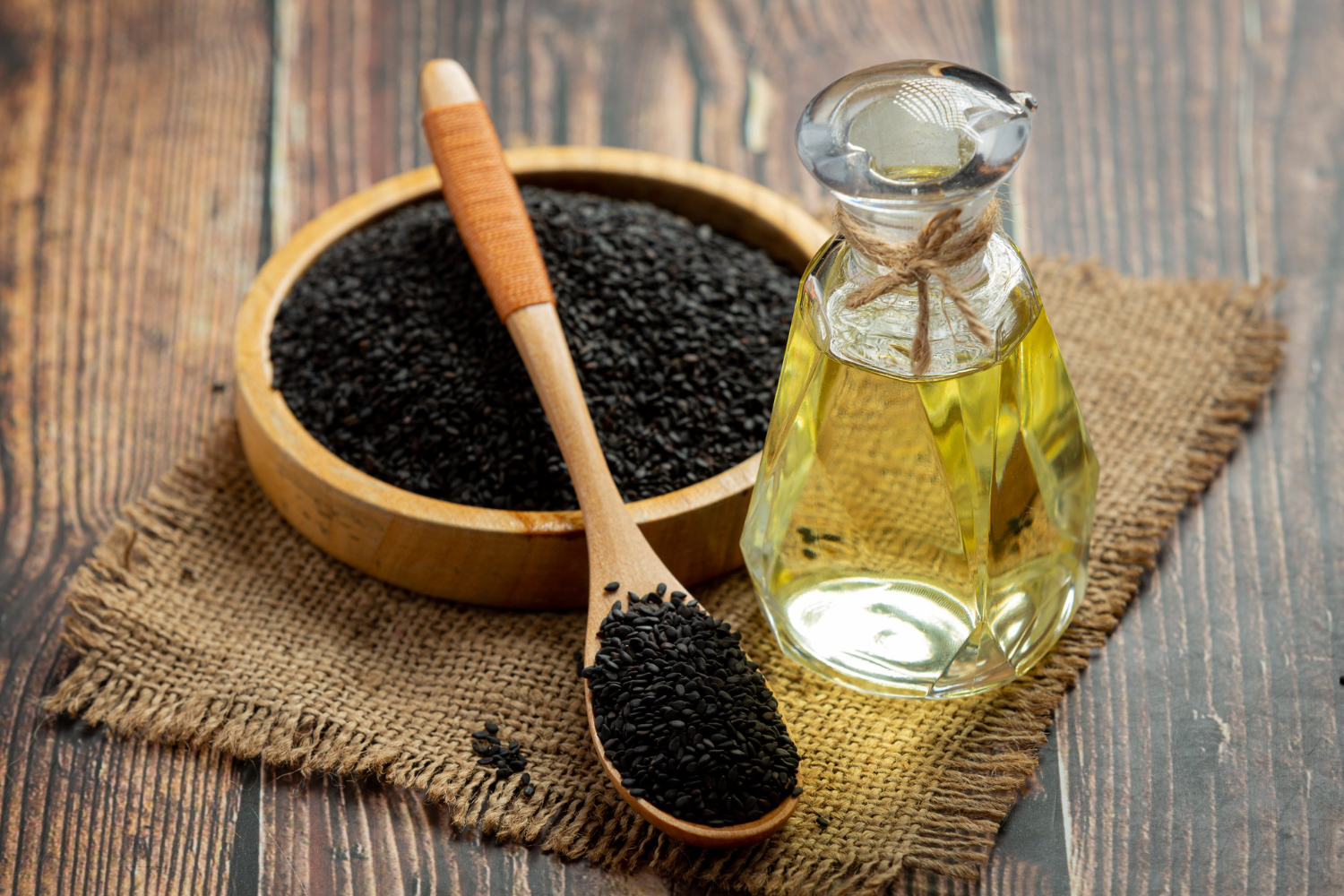
Before you double down on coffee shots or high-sugar energy drinks, turn your attention to your kitchen cabinet. A humble Indian staple known as black sesame seeds or kala til might hold the key to restoring your baseline vigour naturally.
Why Caffeine Doesn't Work On Sluggishness
To understand why black sesame seeds work, it helps to understand why fatigue happens in the first place. Caffeine works primarily by blocking adenosine receptors in your brain, masking the sensation of sleepiness without actually supplying fuel to your cells. Once the caffeine wears off, adenosine binds rapidly, leading to the dreaded mid-afternoon energy crash.
Sustainable energy, on the other hand, relies on ATP (adenosine triphosphate) synthesis as the biochemical process by which your mitochondria convert food into usable cellular power. This process requires continuous supplies of iron, copper, magnesium, and B-complex vitamins. Without adequate levels of these micronutrients, your metabolic engine sputters, resulting in physical exhaustion, brain fog, and muscle heaviness.
The Nutrient Breakdown: Why Black Sesame Seeds Fight Fatigue
Unlike their fully hulled white counterparts, unhulled black sesame seeds retain their nutrient-dense outer husk. This subtle difference makes them a far more concentrated storehouse of minerals essential for metabolic vitality. Here is how:
- Oxygen is the primary driver of aerobic energy production. Black sesame seeds provide a notable dose of plant-based iron (non-heme iron), which is essential for synthesising haemoglobin.
- Haemoglobin transports oxygen from your lungs to every organ and tissue in your body. Low tissue oxygenation directly triggers lethargy.
- Iron cannot work alone. Your body requires copper to synthesise ceruloplasmin, an enzyme needed to transport iron to cell mitochondria.
- Black sesame seeds deliver both iron and copper in high concentrations, creating a synergistic effect that enables your cells to manufacture ATP efficiently.
- Rich in vitamins B1 (thiamine), B3 (niacin), and B6 alongside magnesium, black sesame seeds support steady carbohydrate metabolism and help regulate neuromuscular tone, preventing muscle weakness and nervous exhaustion.
What The Research Shows
Clinical research highlights how these tiny oilseeds pack a significant physiological punch when consumed consistently:
1. Antioxidants and Cellular Stress: A clinical study published in the Journal of Medicinal Food demonstrated that black sesame seed supplementation significantly reduced systemic oxidative stress markers in humans. High oxidative stress damages mitochondrial membranes, impairing energy production. Lowering systemic inflammation directly correlates with reduced physical fatigue.
2. Vascular Health and Circulation: A randomised controlled trial indexed in the Nutrition Journal found that daily consumption of black sesame seed powder led to a 6% reduction in systolic blood pressure alongside marked improvements in vascular function. Healthier blood vessel elasticity ensures smoother circulation, helping deliver oxygen to vital organs faster.
3. Neuroprotective Lignans: Research highlighted in Phytotherapy Research confirms that specialised lignans found in black sesame, notably sesamin and sesamolin, exhibit potent antioxidant activity in neural tissue, helping mitigate mental burnout and afternoon brain fog.
Expert Insights: How To Prep Them For Maximum Absorption
To get a clear picture of how to use black sesame seeds safely and effectively, NDTV Health spoke with Pooja Malhotra, a Delhi-based Senior Clinical Nutritionist and Diabetes Educator.
"Black sesame seeds are an absolute powerhouse, especially for individuals dealing with unexplained low stamina, low ferritin levels, or mild anaemia."
She adds, "However, absorption is key. Because the outer hull contains oxalates and phytic acid, consuming raw, whole seeds means they can pass through your digestive tract largely unabsorbed."
She recommends a simple preparation step to break down these anti-nutrients:
"Lightly dry-roast the seeds on low flame for 2-3 minutes, then crush them into a coarse powder. This structural breakdown frees the bound iron and copper, making them significantly more bioavailable to your system."
Nutritionally speaking, Pooja Malhotra advises limiting daily intake to 1 tablespoon (approx. 10-12 grams).
"Soak them overnight or mix a spoonful of toasted ground seeds into warm milk, oatmeal, or your morning smoothie," she suggests. "It gives you a sustained, slow-burning energy release without the blood sugar spikes and crashes associated with caffeine."
3 Simple Ways To Add A Spoonful To Your Morning Routine
- The Morning Warm Drink: Stir one teaspoon of freshly ground, roasted black sesame seeds into warm almond or dairy milk with a pinch of nutmeg and raw honey.
- Energy Smoothie Topper: Sprinkle toasted seeds over your daily green smoothie, yoghurt bowl, or morning porridge for a rich, nutty crunch.
- Traditional Energy Laddoo: Blend roasted black sesame seeds with crushed dates and a drop of A2 ghee to make bite-sized, sugar-free energy balls for your midday slump.
While black sesame seeds are safe for most healthy adults, they are calorie-dense and contain natural oxalates. Individuals with a history of kidney stones or severe seed allergies should consult a physician before making them a daily consumption habit.
Also Read: Health Benefits Of Black Sesame Seeds Or Kala Til
Disclaimer: This content including advice provides generic information only. It is in no way a substitute for a qualified medical opinion. Always consult a specialist or your own doctor for more information. NDTV does not claim responsibility for this information.