- Alubukhara (plum) and khubani (apricot) differ in sugar levels and glycaemic impact for diabetics
- Plums have a low glycaemic index and can be eaten in moderation by diabetics with controlled portions
- Fresh apricots are safe in small amounts; dried apricots have concentrated sugars that may spike levels
The Indian summer season brings with it ample nutrient-dense fruits that are widely consumed. Alubukhara, or plum, and khubani, or apricots, are two such summer fruits with several health benefits. While their taste and nutrients may be many, people who have been diagnosed with diabetes are afraid of the blood sugar spikes that these fruits can cause. But they need to know that while consuming both fruits is important, they both differ in sugar levels as well as their glycaemic impact.
Specifically, the portion size, fruit type, and ripeness are the core aspects behind the difference that consuming these fruits can cause in the human body. Alubukhara, or plum, is juicy, tangy, and lower in calories, while khubani, or apricot, is slightly sweeter and often eaten fresh or dried. Both of these fruits fall under 'stone fruits', but their sugar profiles vary.
Can Diabetics Eat Alubukhara?
The BMJ journal details that diabetics can consume plums as part of their quota of fresh fruits, but in moderation. The benefits that diabetics can yield can be a slow blood sugar secretion, be rich in antioxidants, and help with their digestion. But the exact portion size needs to be controlled to make sure that plums are consumed safely by diabetics.
Can Diabetics Eat Khubani?
Apricots, when fresh and in season, are safe for diabetics in small portions. The ideal quantity is one or two pieces. Dried apricots have a higher concentration of naturally occurring fruit sugars that can spike blood sugar levels in overeaters.
Apricots for diabetes should be consumed cautiously, especially in dried forms. The same holds true for dried plums that are preserved in sugar.
Key Difference: Fresh vs. Dried Fruit
The form of each of the fruits matters, as when plums are fresh, the fruit has a higher water content and less sugar per serving. When the same fruit is dried, it becomes less dense in water and more concentrated in sugar. This is why the form of the fruits matters a great deal when fruits are to be consumed by diabetics.
Also Read: 3 Dietary Changes That Can Reduce Your Diabetes Risk By 31%, According To A New Study
Nutritional Comparison: Alubukhara vs Khubani
When it comes to the nutritional profile, both plums and apricots offer individual health benefits.
- Plums have a lower calorie count, higher water content, and a moderate fibre level.
- Apricots are richer in fibre and have higher natural sugar content when fresh.
- Dried forms have concentrated sugar levels, so the blood sugar spike can be significant.
- Nutrition matters when choosing stone fruits for diabetes.
Also Read: Is Coffee Good For The Gut? Impact On Your Digestive System Explained
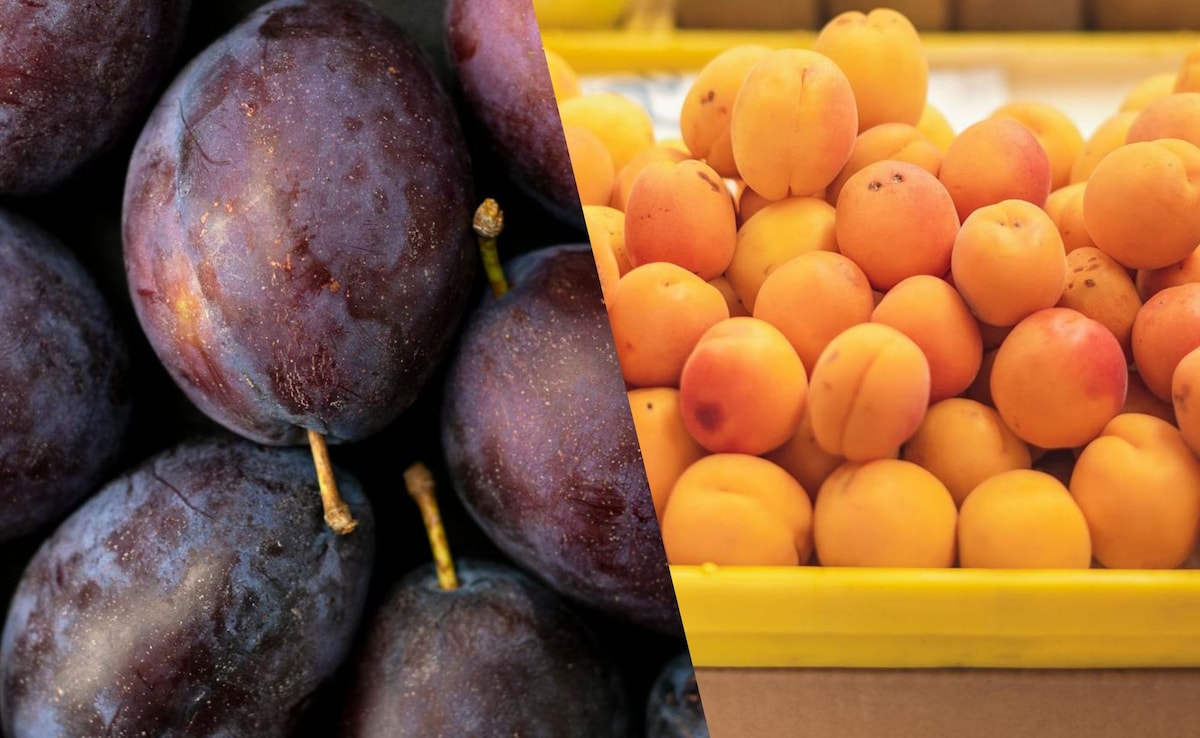
Plums and apricots can be eaten safely by diabetics when in fresh form
Photo Credit: Freepik
Which Stone Fruit Can Diabetics Eat Safely?
When it comes to the blood sugar spike that eating these stone fruits causes, people need to keep the individual glycaemic index in mind. Plums have a low glycaemic index, which means they cause a slow blood sugar spike. Apricot has a low to moderate glycaemic index when it is in the fresh form. When the drying process takes place, the glycaemic index becomes higher.
So, the fresh form of both fruits is safe for diabetics, but the portion size that is to be eaten in a single sitting can affect how much of each of these fruits should be on your plate.
How Much Is Safe To Eat?
Tapasya Mundhra, nutritionist, explains the health impact of apricot consumption, including fibre, antioxidants, and digestion benefits. She says, "The recommended portion size for apricots and plums depends on their individual size. Ideally, 1 to 2 small fruits can be consumed, and when they are paired with the right foods, their health benefits increase. When stone fruits are combined with protein or fibre, such as nuts and yoghurt, then their impact on the blood sugar levels of diabetics can be controlled."
This can also help stabilise blood sugar levels effectively when eaten in a limited manner.
Tips for Diabetics Eating Stone Fruits
People who have been diagnosed with diabetes need to follow certain tips to make sure their blood sugar levels don't suddenly increase.
- Avoid if you are eating these fruits on an empty stomach and in large portions.
- Combine with meals to mitigate their blood sugar level spike.
- Monitor blood sugar response after eating to measure the blood sugar levels in real-time.
- Limit dried forms, as the concentration of sugar can be significant.
Both fruits can be enjoyed safely with diabetes, but making smart choices matters. In Alubukhara vs Khubani, plums have a slight advantage due to lower glycaemic impact. But overall moderation and awareness remain key to managing blood sugar levels effectively.
Disclaimer: This content, including advice, provides generic information only. It is in no way a substitute for a qualified medical opinion. Always consult a specialist or your own doctor for more information. NDTV does not claim responsibility for this information.