

)
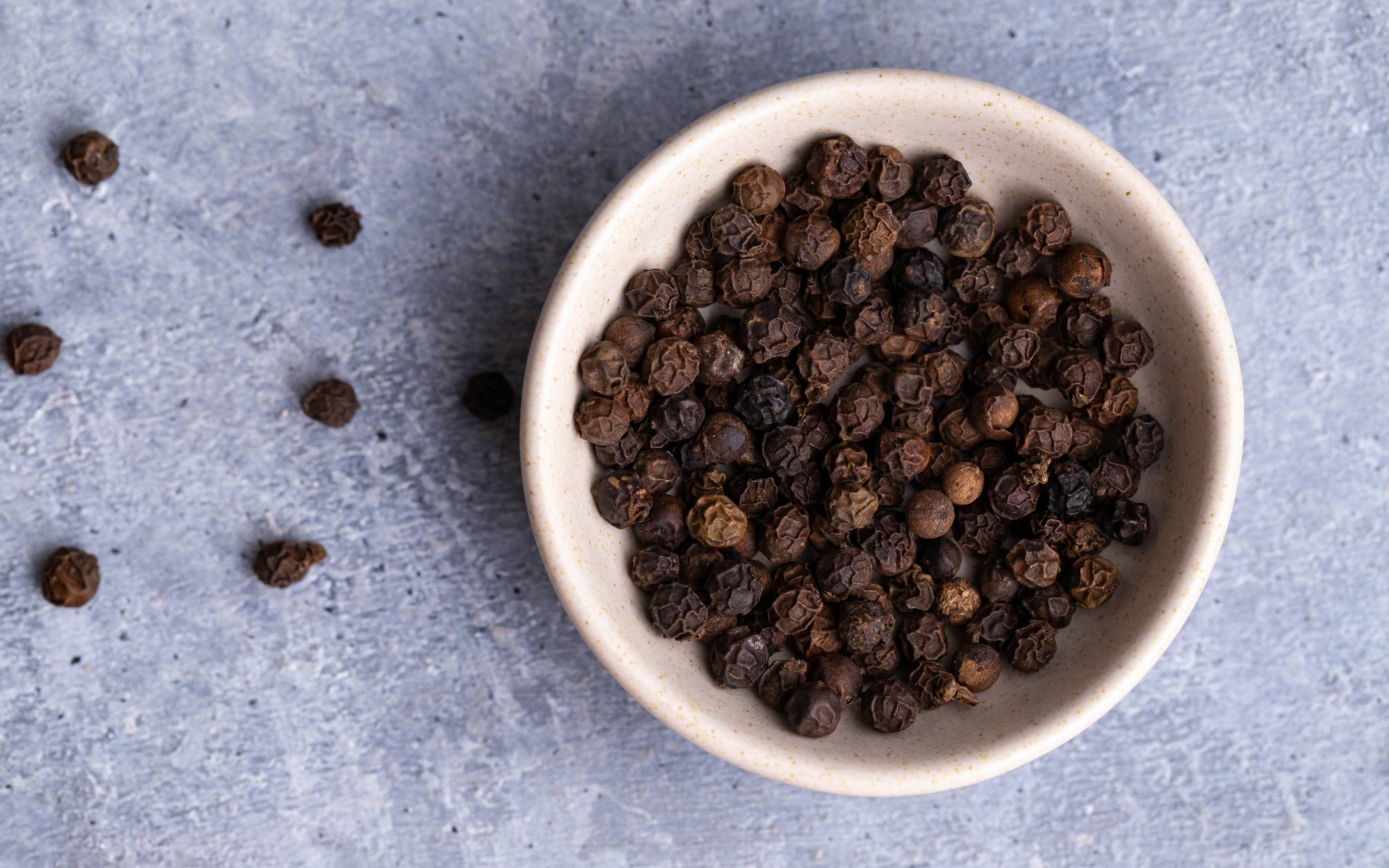
Black pepper is one of the most commonly used spices worldwide. Thanks to its compound piperine, black pepper helps boost health in various ways. It significantly boosts digestion, enhances curcumin's (the main component of turmeric) absorption, and provides antioxidant and anti-inflammatory properties. Adding black pepper to a winter diet can be particularly beneficial. Its antimicrobial properties help support immune function and may provide cold relief. It is overall a powerful spice that can support health in more ways than one.
Benefits of black pepper in winter
1. Boosts immunity
Black pepper is rich in antioxidants, which help neutralise free radicals in the body. This is especially important during winter when colds and flu are more prevalent. By supporting the immune system, black pepper can help fend off illnesses.
2. Enhances digestion
Piperine, the active compound in black pepper, stimulates the production of digestive enzymes. This can improve overall digestion and help prevent issues like bloating and gas. Adequate digestion is crucial during winter, as heavy, rich foods are often more common.
3. Improves nutrient absorption
Black pepper enhances the bioavailability of certain nutrients, particularly curcumin from turmeric and other vital vitamins and minerals.
4. Anti-inflammatory properties
Chronic inflammation can be exacerbated in winter due to various factors. The piperine in black pepper has anti-inflammatory properties, which can help to reduce inflammation in the body, potentially alleviating joint pain and muscle soreness that can be more pronounced in colder months.
5. Respiratory relief
The warming effect of black pepper can help clear nasal congestion and relieve respiratory issues. It acts as an expectorant, helping to break up mucus and phlegm, making it easier to breathe, especially beneficial during flu season.
6. Weight management
Black pepper can aid in weight management by promoting thermogenesis, the process of heat production in organisms. This can increase metabolic rate and help burn calories.
7. Mood enhancer
Black pepper has been found to have mood-lifting properties. It can contribute to reducing symptoms of depression and anxiety, which may be more prevalent during winter months when daylight is limited.
Ways to add black pepper to your diet
- Add freshly ground black pepper to hearty soups and stews to enhance flavour and reap its health benefits.
- Sprinkle black pepper on roasted or sautéed vegetables. It pairs well with Brussels sprouts, carrots, and squash, which are often featured in winter meals.
- Use black pepper in marinades for meats or tofu. It adds depth to the flavour and can help tenderize proteins.
- A classic yet effective way to use black pepper is to add it to scrambled eggs, omelets, or frittatas for a kick.
- Try adding a pinch of black pepper to warm beverages like herbal tea or spiced apple cider. This can not only enhance the flavour but also boost the drink's immunity properties.
- Instead of butter, drizzle olive oil over air-popped popcorn and sprinkle with black pepper for a healthy snack.
- Whisk together olive oil, vinegar, and a generous amount of black pepper for a simple yet flavourful salad dressing.
- Adding a pinch of black pepper to turmeric milk helps promote the absorption of turmeric's curcumin.
By adding black pepper to your winter diet, you can enjoy its rich flavour while also benefiting from its many health properties.
Disclaimer: This content including advice provides generic information only. It is in no way a substitute for a qualified medical opinion. Always consult a specialist or your own doctor for more information. NDTV does not claim responsibility for this information.