



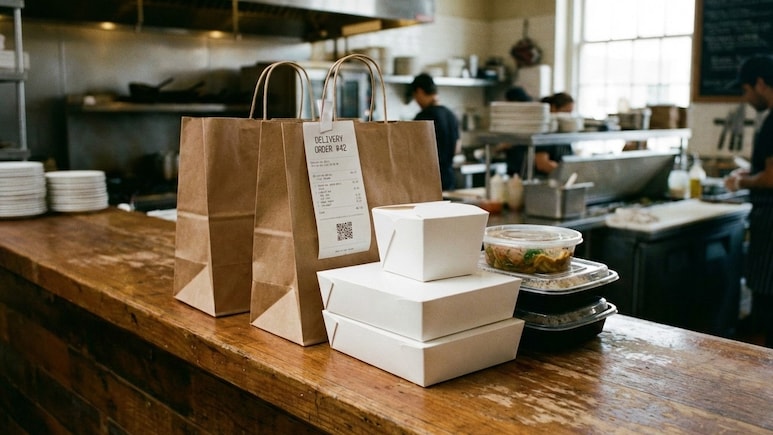
- Around 35% of Indian restaurants would quit food delivery apps if given the choice
- Platform commissions rose from 9.6% in 2019 to 24.6% in 2023, pressuring margins
- Most restaurants stay due to increased visibility and access to wider customer base
Food delivery apps have become deeply embedded in India's food economy, shaping how restaurants reach customers, manage operations and generate revenue. While these platforms offer visibility and access to a wider consumer base, they also bring financial and operational pressures. A new nationwide study by the National Council of Applied Economic Research (NCAER), sponsored by Prosus, sheds light on this evolving and often conflicted relationship. Based on a detailed survey of restaurants across cities and regions, the report finds that around 35 per cent of restaurants currently using food delivery platforms say they would choose to exit these apps if given the option. At the same time, nearly two-thirds indicate that they would continue, underlining the dual role platforms now play as both growth enablers and cost centres.
The finding is significant, as it shows that food delivery apps are no longer optional add-ons but have become central to the way a large section of the restaurant industry functions.
Why Some Restaurants Want To Quit Food Delivery Platforms
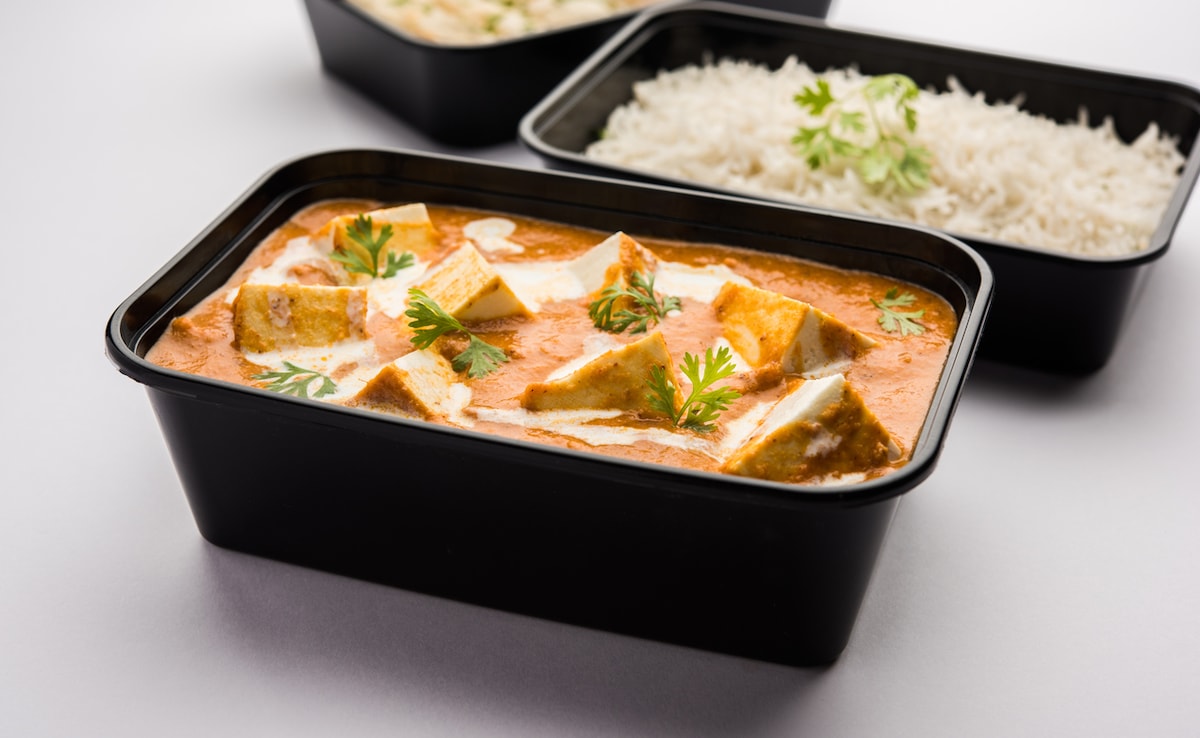
The single biggest reason driving dissatisfaction is the commission charged on each order. According to the report, platform commissions have risen steadily over the years and now take up a substantial share of the bill value. For many restaurant owners, this means that even when order volumes are strong, net earnings per order remain thin.
The study notes:
"The average 'per order' commission has increased from 9.6 per cent in 2019 to 24.6 per cent in 2023. The evidence on restaurants' negotiating power over commissions and understanding of the structure of the commissions is mixed. However, 'medium & large' restaurants had relatively greater negotiating power."
Smaller outlets, in contrast, often have little room to negotiate and are more exposed to margin pressures. Apart from commissions, restaurants also cited poor customer service from platforms and insufficient profitability despite steady orders as reasons that could push them to leave food delivery apps.
Also Read: CA Shares Tips To Replace Food Delivery With Home Cooks, Sparks Debate Online
Why Most Restaurants Still Stay On These Apps

Despite these concerns, the majority of restaurants continue to remain on food delivery platforms. The study points to visibility and network access as the strongest incentives. Being listed on a popular app allows restaurants to reach customers well beyond their immediate neighbourhoods and attract new diners who may not have otherwise discovered them.
Platforms also enable restaurants to extend their operating hours, generate orders during off-peak periods and expand their delivery radius without investing in their own logistics infrastructure.
The report states:
"There were three key reasons where the majority of restaurants responded that they experienced a positive impact by joining a platform: (1) 59 per cent of platform restaurants responded that it expanded their geographical area of locations; (2) 52.7 per cent responded that it increased food items on the menu and; (3) 50.4 per cent responded that it increased the number of customers."
For newer and smaller restaurants, these advantages often outweigh the drawbacks, making it difficult to exit platforms even when margins are under pressure.
Also Read: Ordering Food Online Again? 8 Smart Ways To Keep The Bill In Check
Other Key Findings From The Report
The NCAER study highlights several broader trends shaping India's restaurant sector. Restaurants operating on delivery platforms tend to earn higher overall profits, even though their profit margins are lower compared to non-platform restaurants. Platforms are also linked to greater formalisation in an industry that has traditionally been informal, assisting with digital payments, licensing and record-keeping.
Many restaurants use platform-provided tools for accounting, inventory management and advertising, though their effectiveness varies widely. The report also notes that dependence on delivery platforms rose sharply during the Covid-19 pandemic and has since stabilised. In some Tier 3 cities, platform-driven revenue has even seen a modest decline as offline dining recovers.
A Relationship Defined By Trade-Offs
Taken together, the findings point to a relationship built on trade-offs rather than clear satisfaction or dissatisfaction. While a sizeable minority of restaurants would prefer to leave food delivery platforms, most continue to rely on them for reach, visibility and business stability.
As the food delivery ecosystem matures, the challenge ahead will be to balance scale and efficiency with fairness and transparency. How platforms address concerns around commissions, support and profitability could determine whether they remain sustainable partners for the restaurants that increasingly depend on them.
Note: The findings are based on an in-person survey of 640 restaurants across 28 cities, covering Tier 1, Tier 2 and Tier 3 locations across India. The survey was conducted between April and September 2023 and included both restaurants that use food delivery platforms and those that do not. The report analyses restaurant behaviour through an entry, experience and exit framework, examining both financial and non-financial outcomes.
Track Latest News Live on NDTV.com and get news updates from India and around the world

