





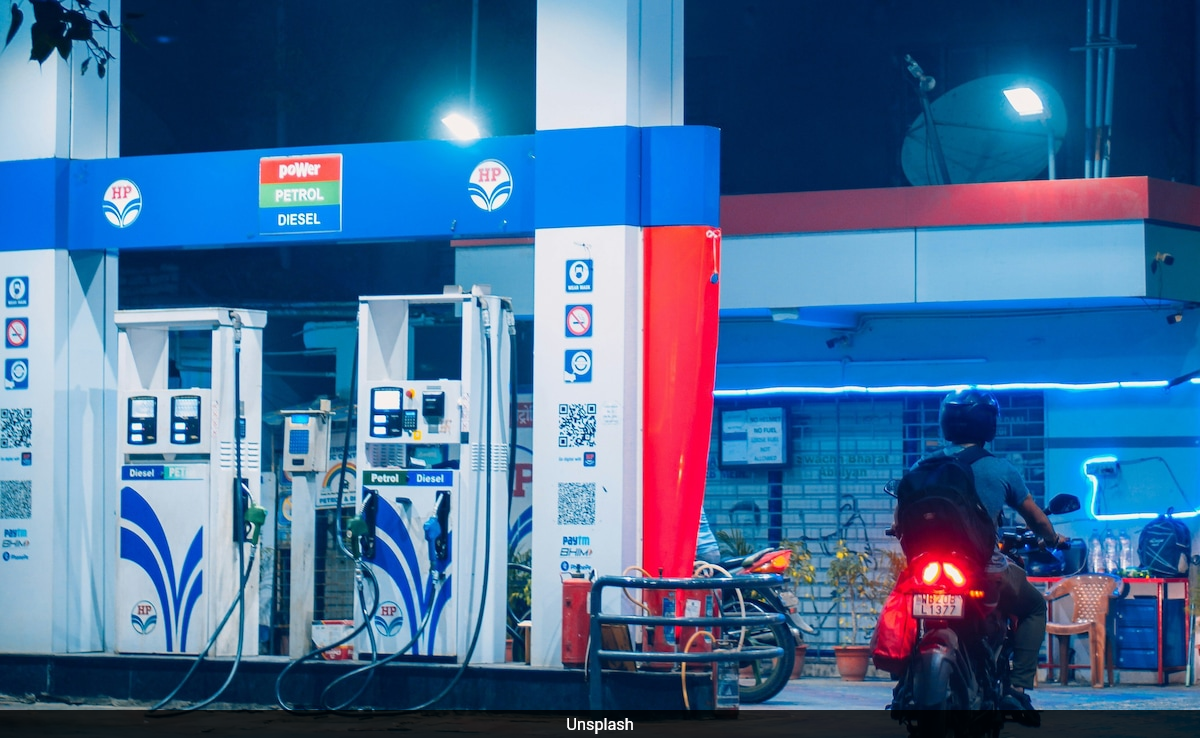
On Thursday, December 18, 2025, Delhi officially activated its most stringent environmental enforcement yet: the mandatory "No PUCC, No Fuel" rule. At the heart of this crackdown is ANPR (Automatic Number Plate Recognition) technology, which has transformed over 500 petrol stations into digital checkpoints to identify and block polluting vehicles in real-time.
What is ANPR Technology?
Automatic Number Plate Recognition (ANPR) is an AI-powered surveillance system that uses high-speed cameras and Optical Character Recognition (OCR) to read vehicle license plates as they move.
Unlike standard CCTV, ANPR cameras at Delhi's fuel stations are linked directly to the national VAHAN database. Within seconds of a vehicle entering a pump, the system retrieves critical data, including:
Emission Compliance: The validity of the Pollution Under Control Certificate (PUCC).
Vehicle Age: Whether the vehicle is "End-of-Life" (EOL)-defined in Delhi as diesel vehicles over 10 years and petrol vehicles over 15 years.
Engine Standard: Verification of BS-VI compliance for non-Delhi registered vehicles.
How It Is Being Used at Petrol Pumps
Starting today, the ANPR system has moved beyond monitoring to active denial and enforcement:
Automated Denial: When a non-compliant vehicle-such as one with an expired PUCC or an overage engine-is detected, the system triggers a voice alert or hooter at the fuel station.
Refusal of Service: Under the current GRAP Stage IV (Severe+) emergency measures, fuel pump operators are legally mandated to deny fuel to these vehicles.
Operational Challenges in Using ANPR and Checking PUCC at Petrol Pumps
- Poor functionality and maintenance of ANPR cameras.
- Lack of real-time enforcement support at petrol pumps.
- High daily vehicle volume making manual PUCC checks unworkable.
- Risk of public disputes and law-and-order issues at fuel stations.
- Absence of a uniform NCR-wide enforcement framework.
Track Latest News Live on NDTV.com and get news updates from India and around the world

