





A remote volcanic basin along the Nevada-Oregon border in the US is being seen as one of the most significant mineral finds in recent years. Scientists say the McDermitt caldera, an ancient volcanic crater, contains an unusually large concentration of lithium-rich clay.
A study published in Science Advances estimates that the basin may hold 20 to 40 million metric tonnes of lithium, making it possibly the largest deposit identified so far. Researchers believe this quiet landscape could contain enough lithium to shape the global battery market for decades.
At current US contract prices for lithium carbonate, estimated at around $37,000 per tonne, the deposit could be valued at nearly $1.5 trillion. The scale of the discovery is notable because lithium is widely used in batteries for electric vehicles and renewable-energy storage.
According to researchers, the McDermitt deposit lies inside a large caldera created when a major eruption around 16 million years ago caused the magma chamber under the area to collapse. This formed a wide basin that later held a lake.
Over time, ash and mud collected on the lakebed and turned into claystones that now contain the lithium-rich clay. Even after the main eruption ended, magma under the caldera continued to release hot, mineral-rich fluids. These moved upward and reacted with the wet sediments, first forming smectite, a magnesium-rich clay that can absorb lithium, and later altering parts of it into illite, a clay that holds much higher amounts of lithium.
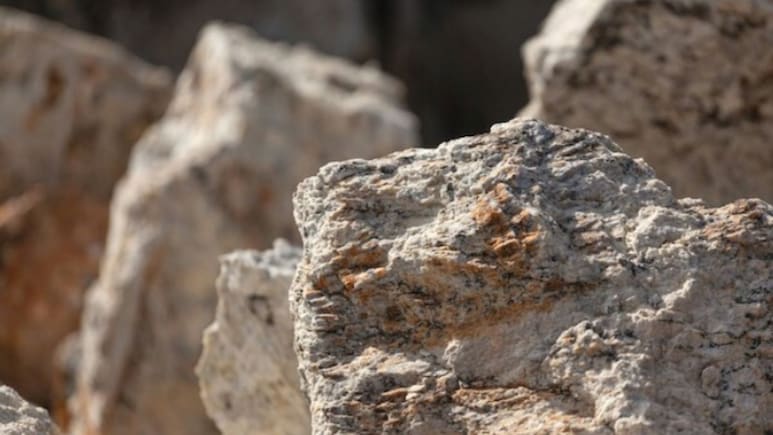
At Thacker Pass, one of the areas with the highest lithium levels, the illite forms a layer roughly 100 feet thick. Tests show that this clay contains about 1.3 per cent to 2.4 per cent lithium by weight, much higher than most claystone deposits. According to Earth.com, a recent feature pointed out that this high-grade layer sits close to the surface, allowing for the possibility of large pit mining.
The caldera's shallow structure, high lithium content, and large size have drawn attention from companies looking at long-term energy plans. The research group said that global demand for lithium could reach one million tonnes a year by 2040, which is eight times the amount produced in 2022.
Processing lithium from clay is still challenging because the metal is tightly locked inside the minerals. This means engineers must grind the clay, use leaching and chemical washing, and carefully control both water use and waste.
Geologists now view McDermitt as a clear example of how volcanic chemistry, the shape of a basin and long-lasting heat can work together to create rich lithium deposits.
Even with its geological potential, the McDermitt caldera is still a place where people, wildlife, and water sources already exist. Decisions in the next few years will determine whether the lithium is extracted for future energy use or left within the ancient clay.
What is clear so far is that the discovery is changing how scientists think about where critical minerals can form. For researchers and policymakers, the caldera shows how events that happened millions of years ago connect directly to today's discussions about climate, energy, and technology.

