





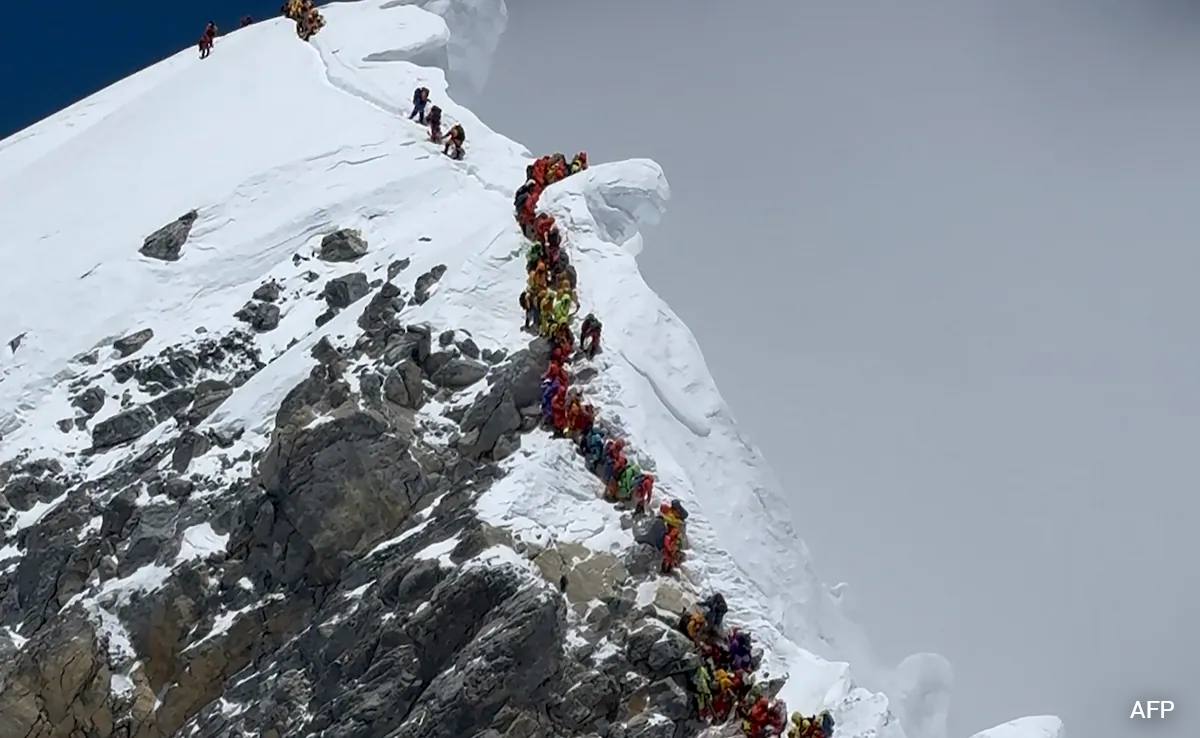
It's the peak climbing season in Mount Everest, the world's highest peak at 8,849 metres. Every year, climbers spend tens of thousands of dollars and risk their lives to stand atop Everest, but the final stretch near the summit is not just difficult - it is biologically hostile. This region, above 8,000 metres, is known as the "Death Zone" because the human body literally begins to shut down there. More than 340 deaths have been recorded in the zone due to low oxygen and several other reasons.
Also Read | Climber Shares 'Craziest' 25-Hour Mount Everest Summit Experience
And in 2026, the dangers were once again brutally exposed.
At least five climbers died during the 2026 Everest climbing season, including two Indian climbers who died during their descent after reaching the summit. One of them collapsed near the Hillary Step - one of the mountain's most dangerous bottlenecks inside the Death Zone.
-

-
 PM Modi Says 'Parasite' Congress Hurts 'Honest' Dissent Movements
 -
 "Some Dreaming Of Disorder": PM Modi's Dig At Rahul Gandhi
 -
 PM Modi Highlights India's Firsts: Fast Breeder Reactor, Hydrogen Train, Asian Games Medals
 -
 "UN's Limits Clearly Visible": PM Modi Presses For 'New Solutions' At NDTV Summit
 -
 "World That Relied On India's Brainpower Now Trusts Its Mindpower": PM Modi
 -
 "World That Relied On India's Brainpower Now Trusts Its Mindpower": PM Modi
 -
 Non-Oil Trade With India Went Up 50% In 3 Years: UAE Minister At NDTV Summit
 -
 "Some Dreaming Of Disorder": PM's "Failed Product Of Congress" Jibe At Rahul Gandhi
 -
 'Viksit Bharat Not Just For Us': PM Modi's Top Quotes At NDTV World Summit
 -
 Has Indian Cuisine Arrived At The Global Stage? What Vir Sanghvi Believes
Experts say overcrowding, exhaustion, poor decision-making and severe oxygen deprivation continue to turn Everest into one of the deadliest places on Earth.
What Exactly Is Everest's Death Zone?
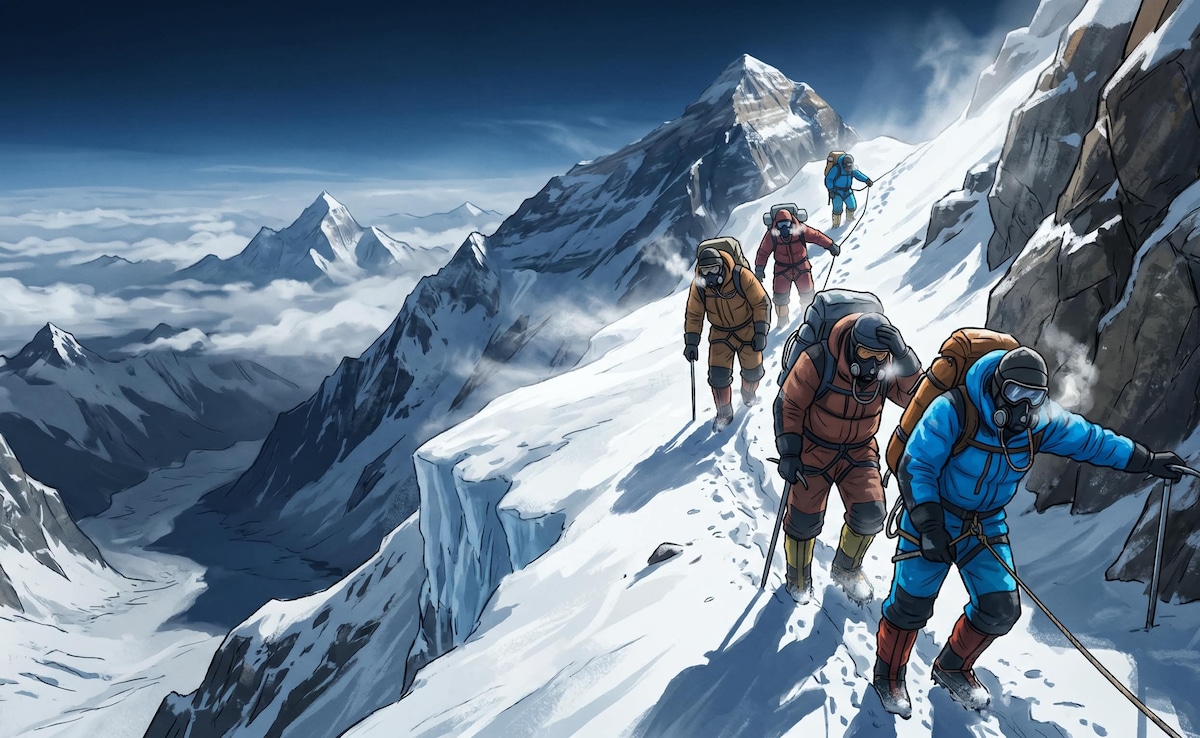
The death zone can be brutal for climbers.
Photo Credit: AI-generated
The Death Zone begins at around 8,000 metres (26,247 feet). At that altitude, the air contains only about one-third of the oxygen available at sea level. The body cannot properly acclimatise there.
Even experienced climbers begin deteriorating physically and mentally. The heart works harder, the brain receives less oxygen, digestion slows down, coordination weakens, and judgment becomes impaired.
The summit of Everest lies deep inside this zone. Climbers often describe the experience as moving in slow motion while suffocating.
Severe Hypoxia: Why Humans Cannot Survive Long There
The biggest killer on Everest is hypoxia, when the oxygen level becomes critically low and doesn't reach the body's tissues and organs.
At Everest's summit, atmospheric pressure is so low that every breath delivers drastically reduced oxygen into the bloodstream. Scientists say climbers there operate close to the limits of human survival.
Without bottled oxygen, a human dropped at the summit would become unconscious within four minutes and die in six.
Extreme hypoxia affects the brain first. Climbers become confused, disoriented and irrational. Simple decisions suddenly become impossible. Many lose balance or forget basic safety steps like clipping into ropes.
Mountaineering experts often warn that a person suddenly exposed at the summit without oxygen support could lose consciousness within minutes.
This is why supplementary oxygen is considered life-saving rather than optional for most Everest climbers. Even legendary mountaineers who climbed Everest without bottled oxygen described becoming slow, clumsy and mentally impaired near the summit.
The Brutal Push To The Summit
The summit push usually begins from Camp IV at the South Col, itself located inside the Death Zone. Climbers spend 10 to 15 hours moving through darkness, hurricane-force winds and temperatures that can plunge below -35 degrees Celsius.
In such conditions, every movement becomes exhausting.
Taking 10 steps may require stopping to breathe several times. Frostbite can develop in minutes if gloves or masks are removed. Climbers drag themselves through various sections of the brutal climb.
Despite these extreme conditions, in 2026, record numbers of climbers created dangerous traffic jams near the summit. Reports said 274 climbers reached the top in a single day from the Nepal side, worsening delays in the Death Zone.
And delays at that altitude can be fatal.
The longer climbers remain there, the more oxygen they consume and the more their bodies deteriorate.
Why The Descent Is Even Deadlier
Many people assume the summit is the most dangerous part of Everest. Well, it is not. It's the descent that kills more climbers.
After reaching the top, exhaustion peaks, oxygen supplies run low, muscles weaken and mental sharpness collapses. But climbers are faced with hours of dangerous climbing downward.
This is when fatal mistakes happen.
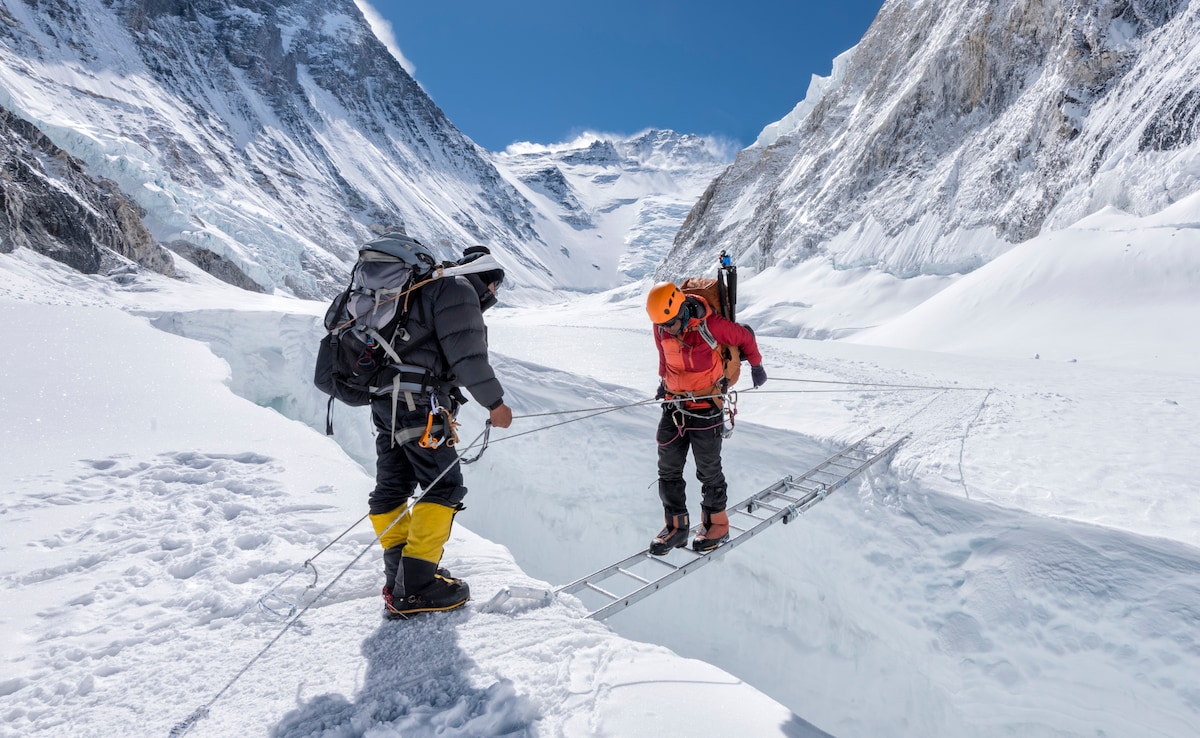
Photo Credit: Getty
Experts say many climbers die because they become too tired to think clearly or coordinate basic movements. A missed rope attachment, a stumble near an exposed ridge or a wrong turn in poor visibility can instantly turn deadly.
That is exactly what happened in several recent Everest tragedies.
In 2026, climbers reportedly died during descent after summiting, including near the Hillary Step inside the Death Zone.
Overcrowding makes the danger worse. Long queues force climbers to stand still in freezing temperatures while burning precious oxygen.
What Happens To The Human Body In The Death Zone?
The Death Zone attacks nearly every organ system.
- Brain: Low oxygen can trigger High Altitude Cerebral Edema (HACE), where the brain swells dangerously. Symptoms include confusion, hallucinations, loss of coordination and eventually coma.
- Lungs: Climbers can develop High Altitude Pulmonary Edema (HAPE), where fluid fills the lungs, causing severe breathlessness and coughing.
- Muscles And Coordination: The body begins consuming itself for energy. Muscle power drops sharply. Climbers struggle to perform simple tasks like changing oxygen cylinders or fastening harnesses.
- Frostbite: Blood flow shifts away from fingers, toes and skin to protect vital organs. Extremities freeze rapidly.
- Mental Collapse: The lack of oxygen impairs judgment so severely that climbers sometimes continue walking in the wrong direction or refuse rescue help.
The Golden Rules Of Survival On Everest
Experienced climbers and expedition leaders follow strict survival principles:
- Never Stay Too Long In The Death Zone: The goal is simple: Climb fast, summit quickly and descend immediately.
- Turn Back If Conditions Deteriorate: Many Everest deaths happen because climbers ignore turnaround times after investing huge money and effort into the expedition.
- Use Supplemental Oxygen Properly: Running out of oxygen near the summit can quickly become fatal.
- Hydration Matters: Dehydration worsens altitude sickness and mental confusion.
- Acclimatisation Is Critical: Climbers spend weeks gradually adjusting to altitude before attempting the summit.
- Experience Matters: Veteran climbers have increasingly warned against inexperienced adventurers attempting Everest. In 2026, Everest record-holder Kenton Cool called for better screening of climbers to reduce deaths on the mountain.
For all its beauty, Everest remains a place where nature strips humans to their absolute limits. Above 8,000 metres, survival itself becomes temporary.
Track Latest News Live on NDTV.com and get news updates from India and around the world

