
- Yokohama India targets premium passenger vehicles amid rising SUV demand and performance tyres
- Visakhapatnam plant expansion raises production capacity to 4.5 million premium radial tyres annually
- Premium tyres now 25% of sales, with focus on larger sizes up to 24 inches for SUVs
Yokohama India is doubling down on the premium passenger vehicle segment as the country's growing appetite for SUVs and larger vehicles drives demand for higher-performance tyres. Speaking to NDTV AutoMate, Harinder Singh, CEO & MD, Yokohama India, outlined the company's growth strategy, capacity expansion plans, localisation efforts and long-term vision for India, which is now one of Yokohama's key global markets.
The Japanese tyre maker has established a strong foothold in India's passenger car replacement market and currently commands a double-digit market share in the segment. According to Singh, the company has more than doubled its position in the replacement market over the last five years, aided by the rapid shift towards SUVs and premium passenger vehicles.
"We see significant opportunities in the passenger vehicle segment, particularly in premium and performance-oriented categories," Singh said. "Our strategy remains focused on premium products, expanding our retail footprint and strengthening OEM relationships."
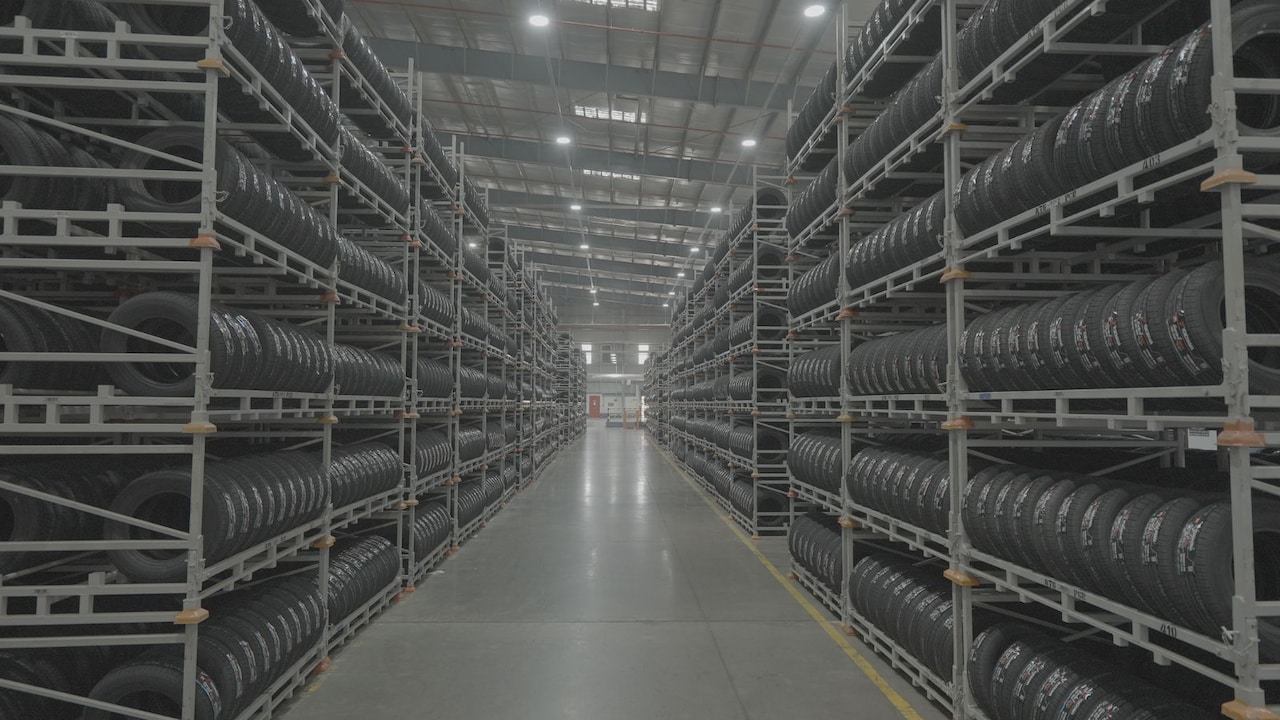
Vizag Expansion Strengthens Manufacturing Base
At the centre of Yokohama's India growth strategy is its expanded manufacturing facility in Visakhapatnam (Vizag). Following a recent expansion, the plant's annual passenger car radial tyre production capacity has increased to 4.5 million units, creating a strong manufacturing base for both domestic demand and future exports.
ALSO READ - Honda ZR-V e:HEV Review: The Hybrid SUV That Prioritises Engineering Over Gimmicks
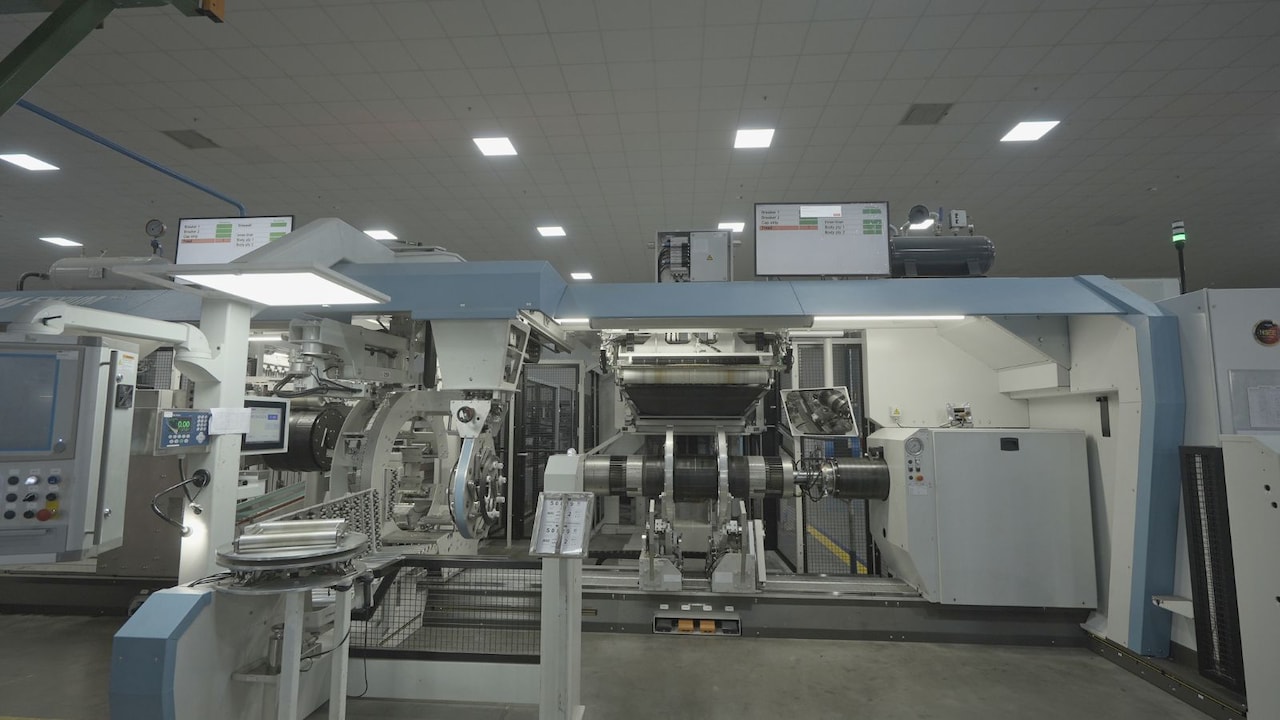
Rather than focusing solely on scale, Yokohama says the facility has been designed as a high-value manufacturing hub catering to the premium passenger vehicle and SUV segment. The plant incorporates advanced automation technologies including robotic tyre-building processes, automated material handling systems and sophisticated quality inspection systems.
According to the company, these technologies have delivered productivity improvements of 15-25 per cent, allowing the plant to operate at globally benchmarked manufacturing standards.
Premiumisation Driving Product Strategy
Yokohama's India strategy is closely aligned with the premiumisation trend visible across the Indian passenger vehicle market.
While the Earth-1 Max range continues to form the backbone of its passenger car tyre portfolio, the company is seeing rising demand for premium offerings such as the Geolandar SUV range and the BluEarth-GT Max lineup.
Currently, premium and high-performance tyres account for approximately 25 per cent of Yokohama India's passenger car tyre sales, and the company expects that share to continue increasing.
ALSO READ - Actor Kiccha Sudeep Brings Home Mahindra BE 6 Electric SUV
"The shift towards larger tyre sizes reflects the growing dominance of SUVs in India," Singh explained. "Our manufacturing capabilities now allow us to produce tyres up to 24 inches, ensuring we're ready to meet future premium segment requirements."
The company noted that tyres sized 16 inches and above are becoming increasingly important as Indian consumers move towards larger vehicles.
OEM Presence Set to Increase
Although Yokohama's India business has traditionally been driven by the replacement tyre segment, the company is now looking to deepen its engagement with vehicle manufacturers.
Currently, Maruti Suzuki remains Yokohama's key OEM partner in India, while OEM supplies account for only a low single-digit share of total volumes.
With the additional manufacturing capacity now available at the Vizag plant, Yokohama aims to increase OEM contribution to a double-digit share of business within the next three to five years.
The company said its earlier capacity structure was largely geared towards servicing aftermarket demand, but the expansion now provides room to support OEM growth without compromising replacement market supply.
EV Readiness and Localisation Focus
As electric vehicle adoption gradually increases in India, Yokohama is preparing for the next phase of tyre development.
Globally, the company already offers EV-specific tyres under its E+ product line, designed to handle the higher torque outputs and additional weight associated with electric vehicles. However, Yokohama is taking a measured approach to India and continues to evaluate local vehicle specifications, driving conditions and consumer expectations before introducing dedicated EV-focused products.
On the supply-chain front, the company has focused heavily on localisation. Yokohama says approximately 60 per cent of sourcing is now localised, reducing exposure to global supply disruptions and volatile input costs.
The company believes localisation, diversified sourcing and operational agility are critical as geopolitical uncertainties and fluctuations in crude oil prices continue to impact the global tyre industry.
Sustainability at the Core
Sustainability remains a key pillar of Yokohama's long-term strategy.
The company highlighted its involvement in Extreme H, where it is developing a prototype tyre based on the Geolandar platform using 38 per cent recycled and renewable materials. At the Vizag facility, Yokohama has implemented several initiatives aimed at reducing environmental impact, including precision manufacturing systems, water-based materials, reclaimed rubber, bio-based oils, rice husk ash silica and reduced coal consumption. The plant also operates with a zero liquid discharge approach.
According to the company, these measures are intended to reduce landfill dependency, improve energy efficiency and lower carbon intensity per tyre produced.
Expansion Beyond Metro Markets
While urban centres currently contribute around 95 per cent of Yokohama India's sales, the company sees growth potential in Tier-2 and Tier-3 markets, where passenger vehicle ownership continues to expand.
Yokohama is also evaluating export opportunities across SAARC countries and selected African markets. Exports currently contribute a single-digit share of revenue but are expected to grow to a low double-digit contribution over time.
With an investment of approximately $85 million in 2023 towards expanding the Vizag facility and a continued focus on premium products, larger tyre sizes and localisation, Yokohama sees India playing an increasingly important role in its global growth strategy.
Track Latest News Live on NDTV.com and get news updates from India and around the world
