The Skoda Kushaq has been around for a while now, and in a segment that evolves as quickly as this one, standing still is simply not an option. With the facelift, Skoda has introduced more features, a key mechanical update, and a few subtle changes. But the real question is, has it done enough to stay relevant?
Design: Sharper, More Cohesive
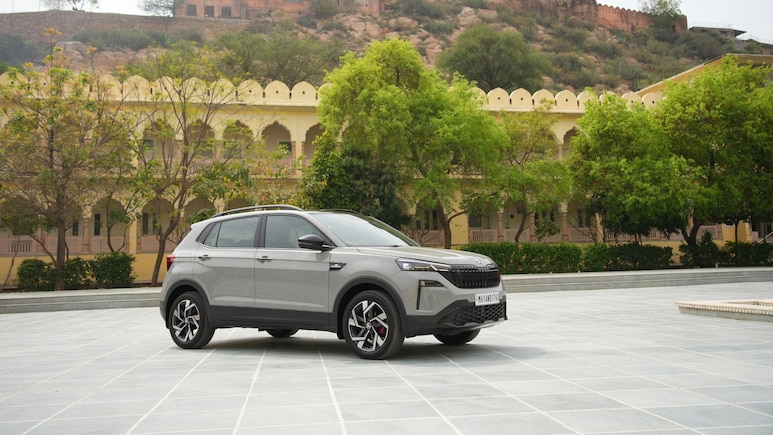
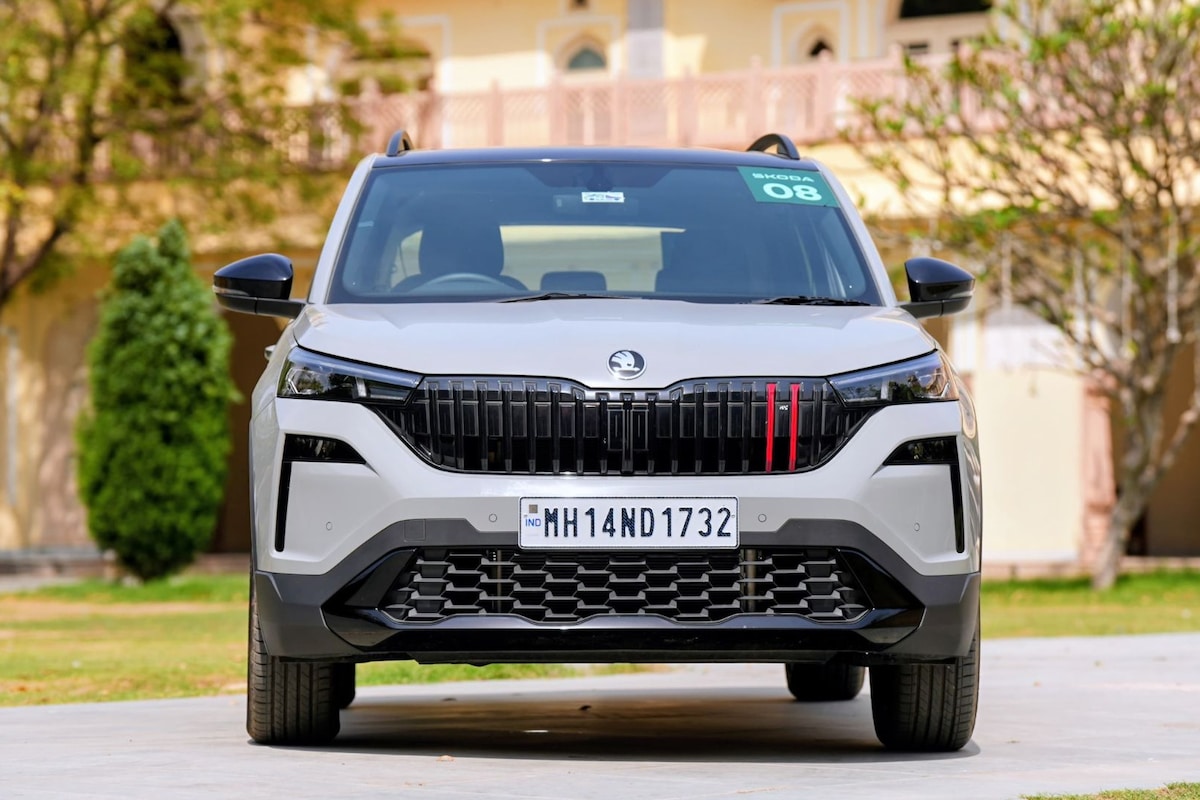
The updates on the outside are not radical, but they are noticeable. The Kushaq now looks more mature, with cleaner lines and better detailing. The design feels more cohesive overall, something that was slightly missing earlier.
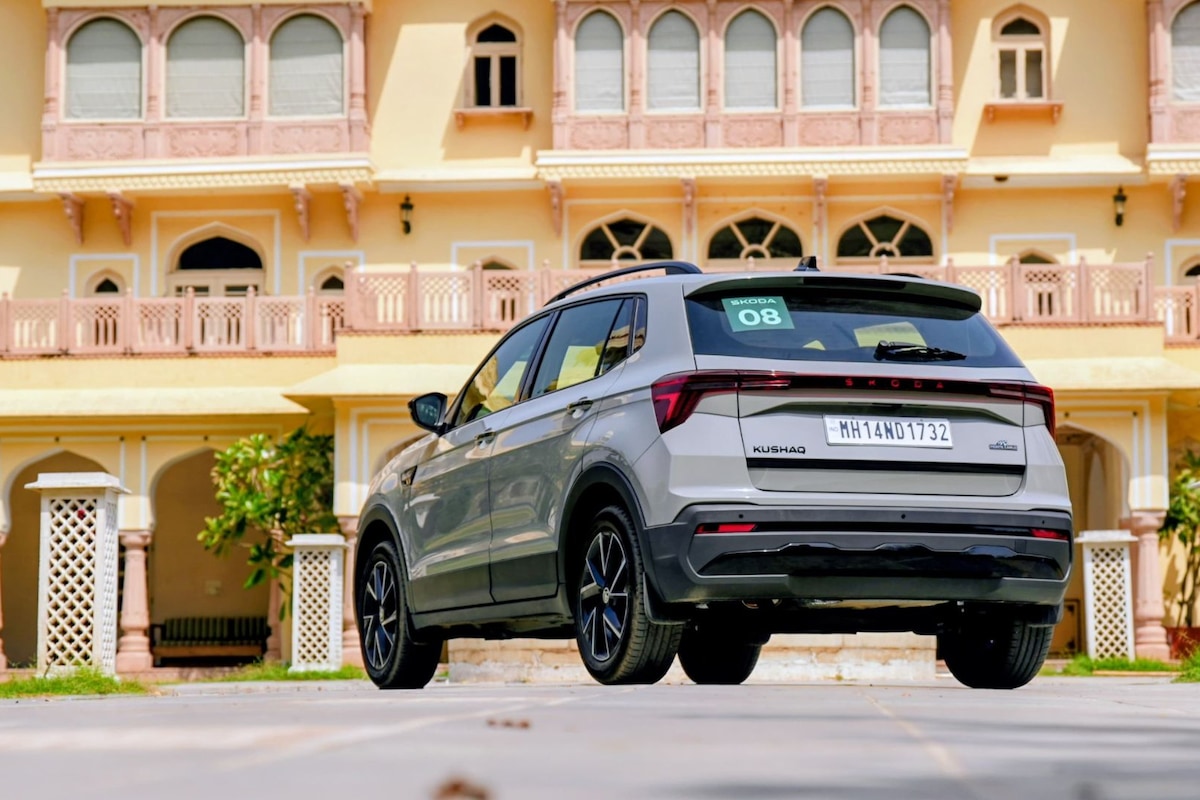
The standout element has to be the connected DRLs. They are neatly executed, both at the front and the rear, adding a sharper and more premium visual appeal. It finally gives the Kushaq a stronger identity on the road. Put simply, this is easily the best-looking version of the SUV yet.
Cabin: Familiar, With A Few Additions
Step inside, and things remain largely unchanged. The layout is familiar, space remains generous, and practicality continues to be one of the Kushaq's strengths.
There are, however, a few additions. The most talked-about feature is the rear seat massage function. While it sounds impressive on paper, its execution feels slightly limited. It works only on the backrest and not the seat base, which reduces its real-world usability. It ends up being more of a novelty than a truly useful feature.
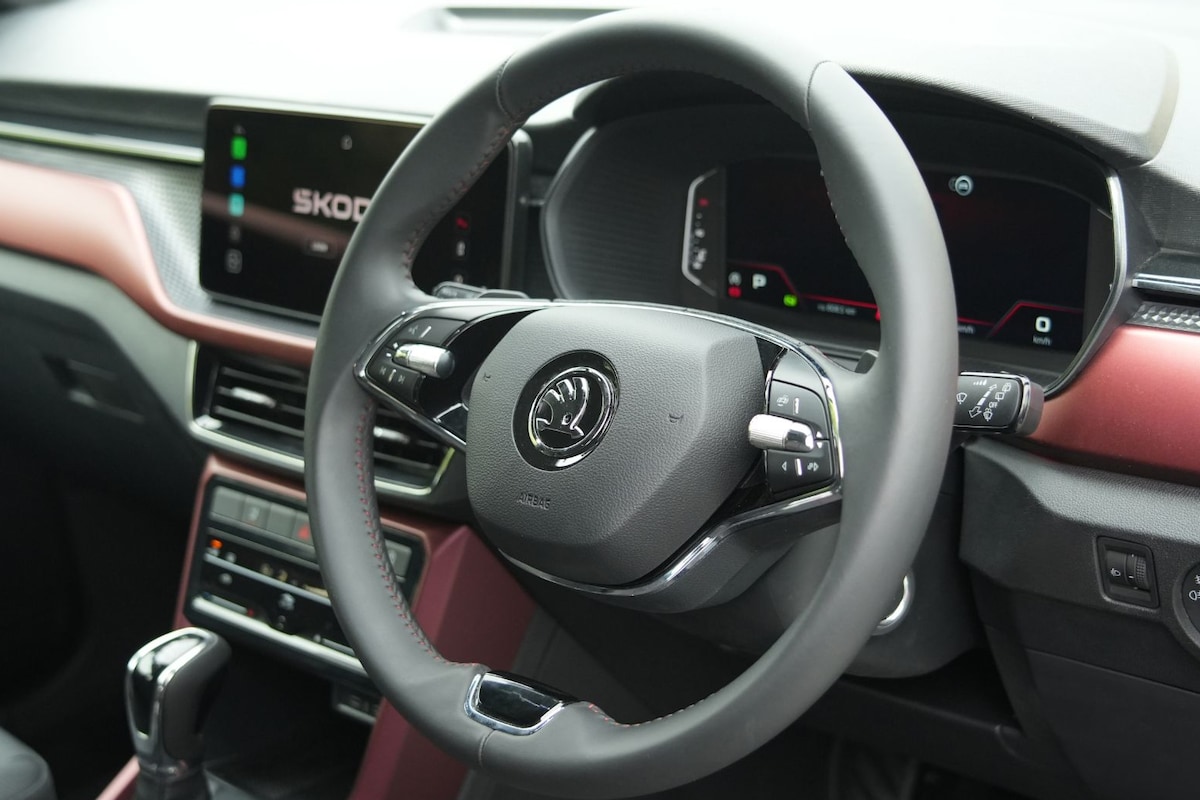
What stands out more, though, is what's missing. In 2026, the absence of ADAS is hard to overlook. This is a segment where safety tech is becoming increasingly important, and skipping it does feel like a missed opportunity.
Powertrain: Small Changes, Big Impact
Mechanically, the Kushaq remains familiar, but there is one significant update. The 1.0-litre TSI engine now comes paired with a new 8-speed automatic gearbox.
Also Read: 2026 Nissan Gravite First Drive Review: India's Affordable People Mover
This change is important not just from a driving perspective but also in terms of efficiency and cost. The new gearbox feels smoother in traffic, more relaxed, and clearly tuned for everyday usability.
The 1.5-litre engine, on the other hand, gets all four disc brakes, which is a welcome addition. However, it loses the manual gearbox option, which may not sit well with enthusiasts.
Ride and Handling: Still A Skoda At Heart
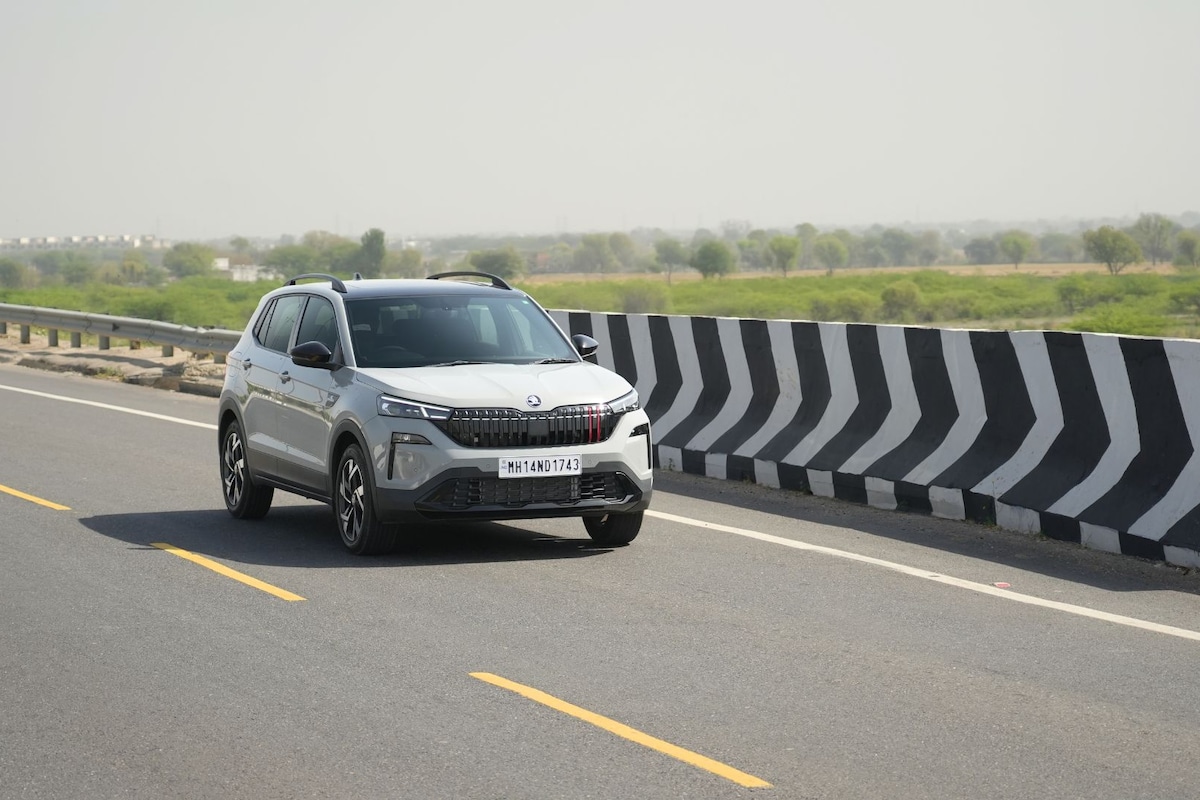
Out on the road, the Kushaq continues to feel like a Skoda. The ride quality is well-balanced, handling is predictable, and there is still a sense of engagement behind the wheel.
The focus, however, has clearly shifted. The 1.0-litre variant with the new automatic is not about outright performance anymore. Instead, it is tuned for ease of driving, especially in urban conditions.
Verdict: Better, But Not Quite A Benchmark
The Kushaq facelift makes the SUV more polished, more feature-rich, and easier to live with. It feels more aligned with what today's urban buyer is looking for.
At the same time, this also feels like an opportunity that could have been pushed further. The absence of ADAS, limited interior upgrades, and a few compromises prevent it from becoming a clear segment benchmark.
Ultimately, everything will come down to pricing. If Skoda gets that right, the Kushaq can still be a very strong contender in the mid-size SUV space.
Track Latest News Live on NDTV.com and get news updates from India and around the world
