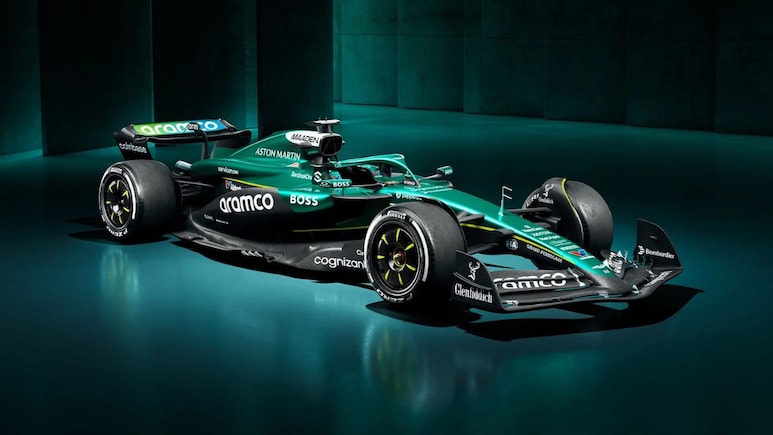
Aston Martin entered the 2026 Formula 1 season with high expectations, having secured Adrian Newey's expertise and a works partnership with Honda. The plan was to cement themselves among the frontrunners, but pre-season testing in Bahrain told a different story. Lance Stroll openly admitted the car was far off the pace, estimating a deficit of nearly four seconds per lap. Alongside Fernando Alonso, the team also logged the fewest laps of any outfit at the Bahrain International Circuit, completing just 334 compared to Cadillac's 586.
Reliability proved to be the biggest stumbling block. Honda acknowledged responsibility for the early end to the second week of testing, with repeated battery failures leaving Aston Martin short on spare parts. The lack of running time compounded the team's struggles, preventing them from gathering crucial data ahead of the season opener.
When the car did manage to run, performance was underwhelming. Speed trap figures suggested the Honda unit was struggling, with issues linked to energy recovery and vibrations at high revs. Stroll's comments only added to concerns, as telemetry pointed to inefficiencies in the powertrain.
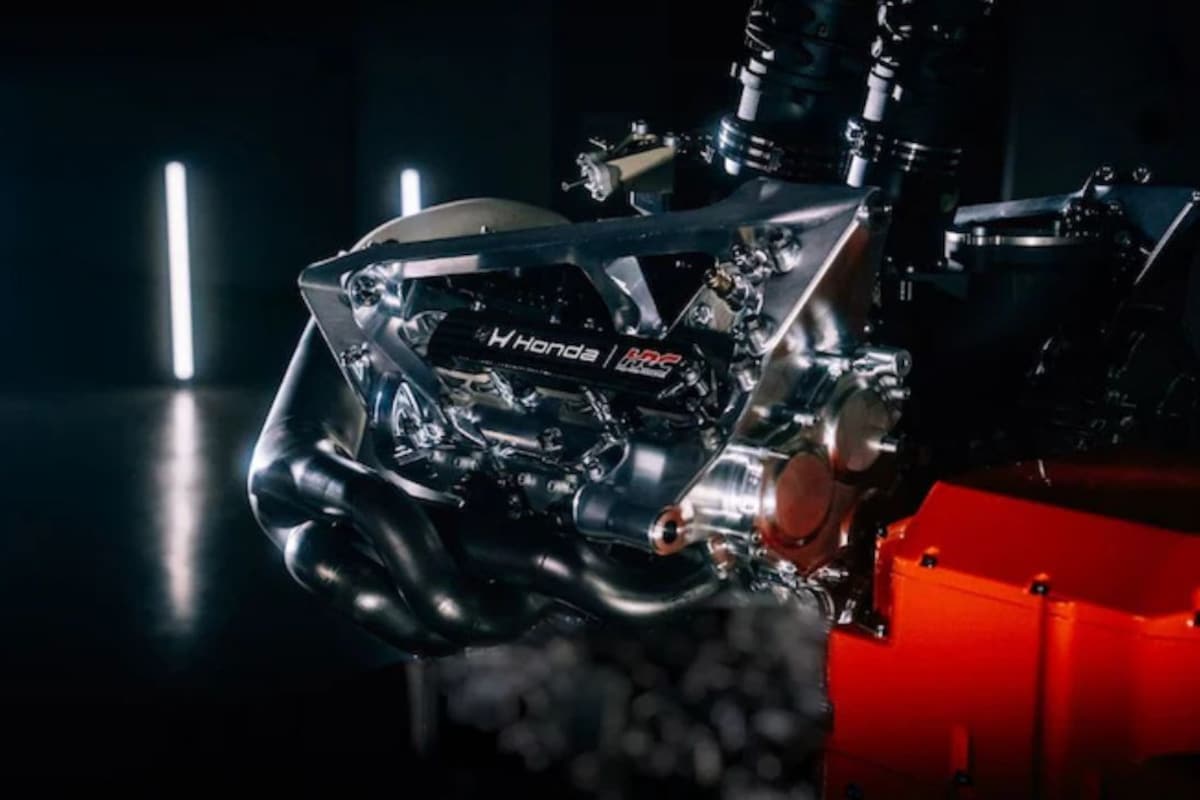
Another area of difficulty was the gearbox. For the first time, Aston Martin had developed its own transmission rather than relying on Mercedes. The design was still immature, and teething problems became evident during testing. Reports also indicated that Honda's internal combustion engine was deliberately capped at 11,000 rpm - lower than rivals - in an effort to avoid failures. This, combined with limited electrical deployment on straights, left the car lacking competitiveness.
Spanish journalist Carlos Miquel highlighted these shortcomings, noting that the Japanese power unit was plagued by vibrations and restricted output. While the measures were intended to safeguard reliability, they came at the cost of outright performance.
With the FIA's homologation deadline looming on March 1, Aston Martin and Honda face mounting pressure. Once locked in, the hardware cannot be altered, meaning the team must finalize solutions quickly before shipping cars to Australia.
For now, Aston Martin's ambitions have shifted. Instead of chasing podiums, the immediate target is simply to complete a race distance without mechanical failure. Surviving 58 laps at the season opener would represent a small but significant victory for Honda and Aston Martin, even if it falls short of the lofty goals set at the start of the year.
Track Latest News Live on NDTV.com and get news updates from India and around the world
