- Disagreement over Iran's uranium enrichment duration stalled US-Iran talks in Islamabad
- US proposed 20-year freeze; Iran offered five years on uranium enrichment suspension
- Talks included nuclear activities, Strait of Hormuz reopening, and sanctions relief
A disagreement over Tehran's nuclear activities was the central sticking point in the weekend negotiations between Iran and the United States in Pakistan. Washington has proposed a 20-year freeze on Iran's uranium enrichment in its proposal, but Tehran said it could only agree to do it for five years, according to reports by The New York Times and the Wall Street Journal.
Per reports, the United States and Iran exchanged proposals on the suspension of Iranian nuclear activities during the Islamabad talks, but remain far apart on the length of any agreement. Tehran has proposed suspending uranium enrichment for up to five years -- an offer the Trump administration rejected, insisting on 20 years, the NYT reported, quoting two senior Iranian officials and one US official.
The development marked a major shift from the Donald Trump administration's earlier demands that Tehran permanently end domestic enrichment amid concerns it could provide a pathway to nuclear weapons capability.
According to political scientist Ian Bremmer, amid disagreement, the US and Iran may close the deal on a twelve-and-a-half-year suspension on uranium enrichment.
Dialogue Still Alive
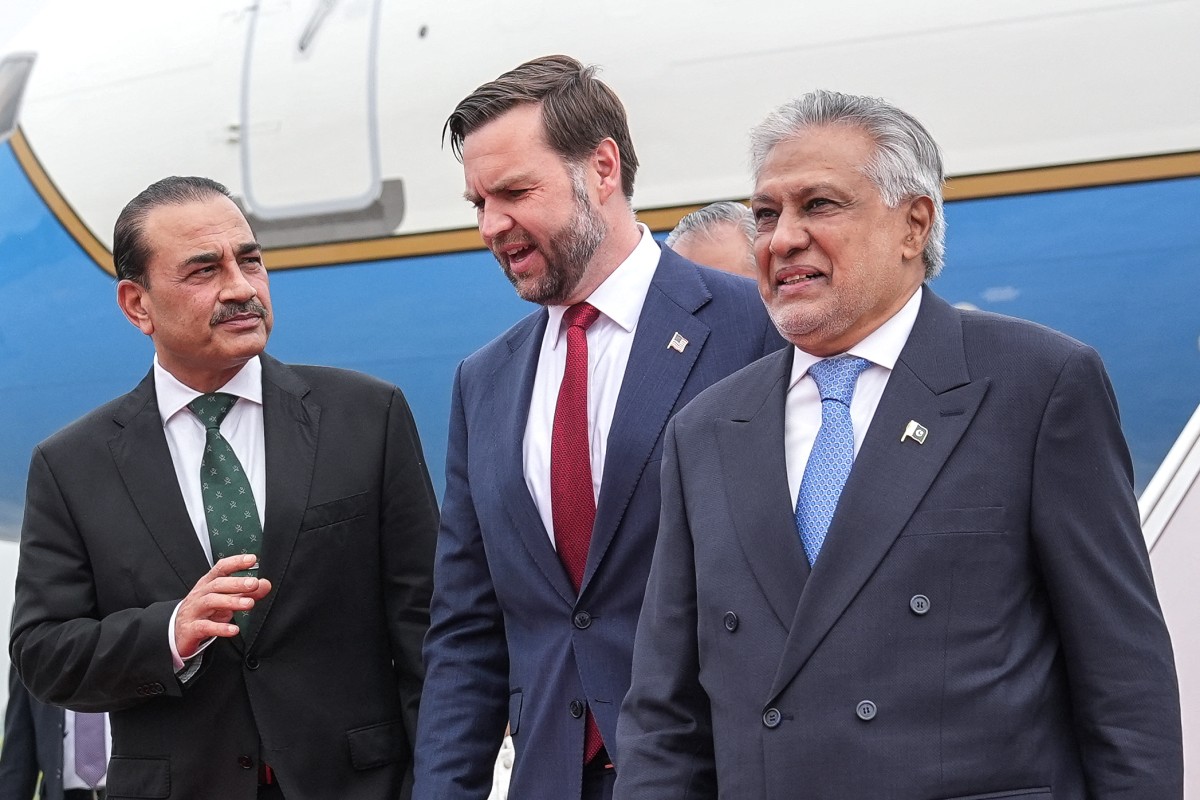
Photo Credit: AFP
The weekend meeting to resolve the conflict between the US and Iran was the first direct encounter between Washington and Tehran in more than a decade and the most senior engagement since Iran's 1979 Islamic Revolution.
However, the impasse on Tehran's nuclear activities ended the Islamabad talks, but officials said the dialogue was still alive, and there may be a path to a peace deal, even as the US military began its blockade of Iranian ports on Monday, threatening a nearly week-old cease-fire.
Officials told the WSJ that they were discussing a second round of face-to-face talks but provided no details.
What Happened In Islamabad
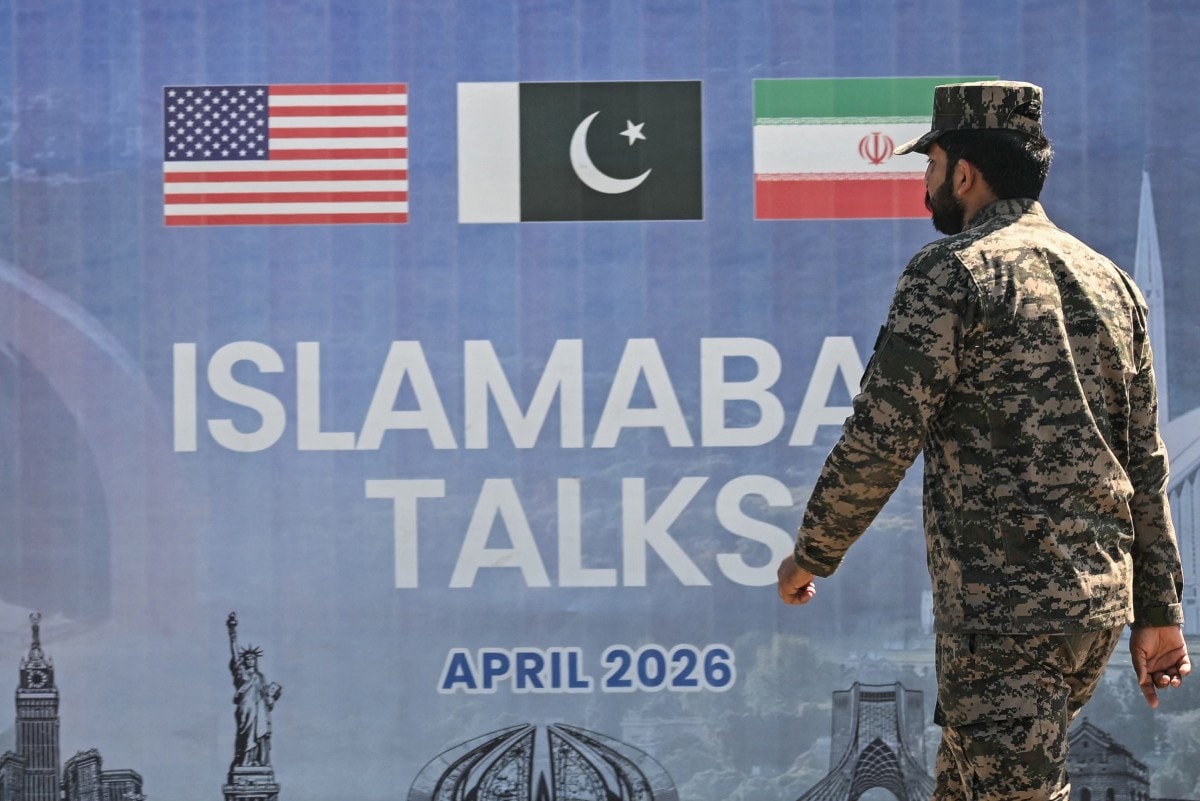
Photo Credit: AFP
Apart from Tehran's uranium enrichment, the other major issues at stake were the opening of the Strait of Hormuz-- a major transit point for global energy supplies that Iran has effectively blocked, but the US has vowed to reopen -- as well as international sanctions on Tehran, news agency Reuters reported, quoting sources.
Per the agency, inside Islamabad's luxury Serena Hotel, the talks unfolded across two separate wings and one common area — one for the US side, one for the Iranians and one for trilateral meetings involving Pakistani mediators.
Phones were reportedly not allowed in the main room, forcing delegates, including US Vice President JD Vance and Iranian Parliamentary Speaker Mohammad Baqer Qalibaf, to step out during breaks to relay messages back home.
"There was a strong hope in the middle of the talks that there would be a breakthrough and the two sides would reach an agreement. However, things changed within no time," a Pakistani government source said.
The talks reportedly stretched for more than 20 hours. When discussions turned to guarantees, both non-aggression assurances and sanctions relief, the tone of the normally mild-mannered Iranian foreign minister Abbas Araghchi grew sharper, the two Iranian sources told Reuters.
The sources quoted him as saying, "How can we trust you when, in the last Geneva meeting, you said the U.S. would not attack while diplomacy was underway?"
The US-Israeli attack on Iran began two days after the two sides held a previous round of talks in Geneva.
In addition to differences over Hormuz, sanctions and other topics, the two sides also disagreed over the scope of any deal. While Washington focused on the nuclear file and Hormuz, Tehran wanted a broader understanding, according to two of the sources.
During one tense moment, raised voices could be heard outside the negotiating room before Munir and Dar called a tea break and moved the two sides back into separate rooms, the government source said.
'Agreement Was Close'
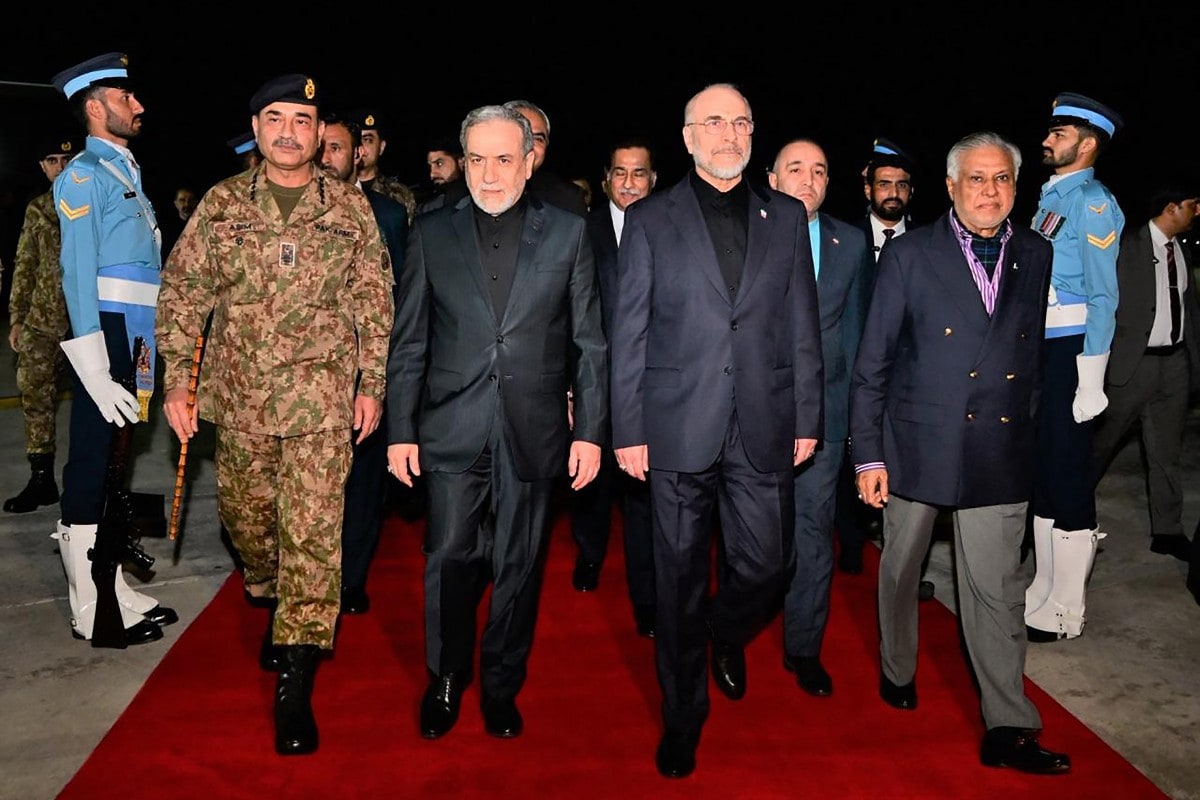
Photo Credit: AFP
Another source involved in the talks said the parties came "very close" to an agreement and were "80% there", before running into decisions that could not be settled on the spot.
Two senior Iranian sources told Reuters the atmosphere as heavy and unfriendly, adding that while Pakistan tried to soften the mood, neither side showed any willingness to ease tensions.
Nevertheless, by early Sunday morning, the atmosphere reportedly had shown some improvement, and the possibility of a one-day extension began to take shape.
Bone Of Contention
However, differences persisted. According to a US official, Iranians did not properly understand that Washington's core aim was to have a deal that ensured Iran would never obtain a nuclear weapon. Among Iran's concerns was a distrust of US intentions.
The report offers a first account of the internal dynamics of the meeting, how the mood in the room shifted, how talks ended after signs that the meeting might be extended, and how further dialogue remains on the cards.
There was no immediate remark from the Iranian government on the matter.
But, on Monday, US President Donald Trump said Iran had "called this morning" and that "they'd like to work a deal."
Citing a US official, Reuters reported that there was continued engagement between the US and Iran and forward motion on trying to get to an agreement.
Asked for comment, White House spokeswoman Olivia Wales said the US. position had never shifted in the Islamabad meeting.
"Iran can never have a nuclear weapon, and President Trump's negotiating team stuck to this red line and many others. Engagement continues toward an agreement," she said.
Track Latest News Live on NDTV.com and get news updates from India and around the world


