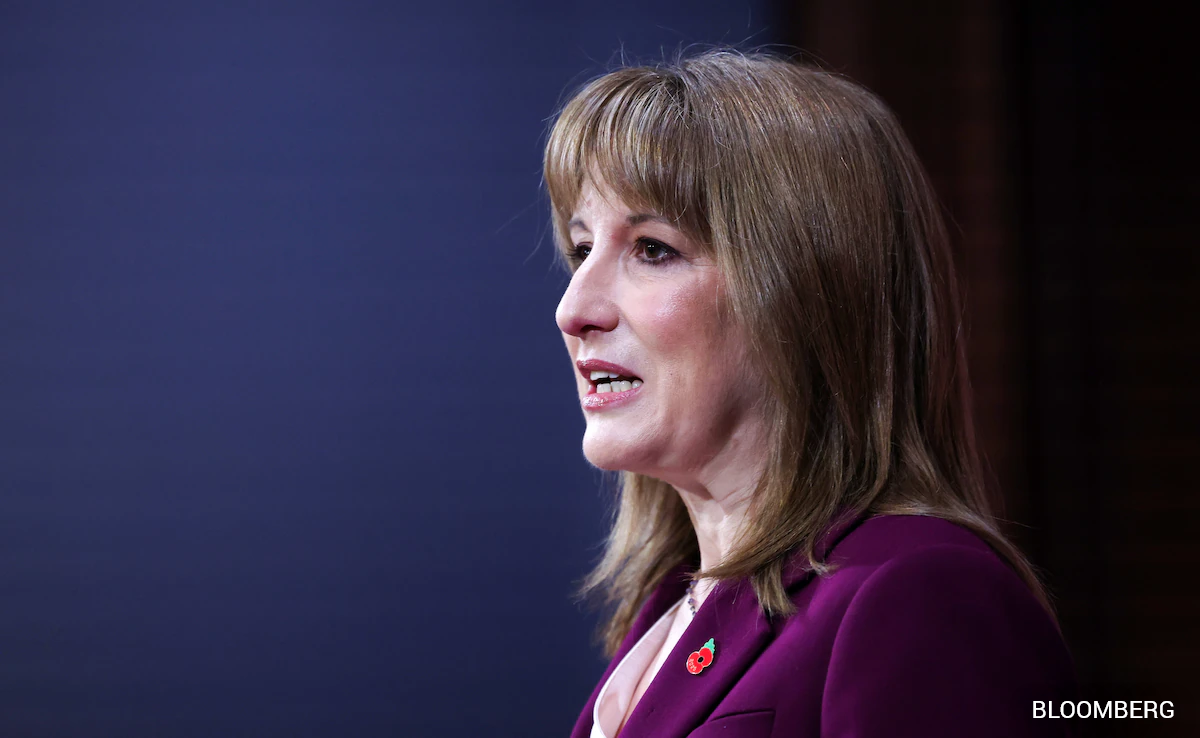
The UK government outlined plans to intensify efforts to attract global talent in sectors such as artificial intelligence, life sciences and clean energy, as Chancellor of the Exchequer Rachel Reeves heads to the World Economic Forum in Davos urging executives to invest in Britain.
The UK will reimburse visa fees for “select trailblazers in deep tech sectors and those joining the most promising UK companies in priority sectors,” the Treasury said in a statement on Tuesday, ahead of Reeves appearing at Bloomberg House at the Swiss resort. The UK will also make it easier for companies to expand in Britain via a “new offer to fast-track their sponsor licenses,” it said.
The push to lure more high-skilled workers into Britain comes as Reeves and Prime Minister Keir Starmer seek to deliver on their key pledge of boosting the UK's economic growth rate. Britain's economy is on track to beat major European rivals in 2025, but will fall short of Labour's goal of achieving the fastest growth in the Group of Seven.
“This government is making sure Britain is home to the stability, talent and capital that businesses and investors want and that drive greater growth,” Reeves said in the statement. “My message at Davos this week is clear: choose Britain – it's the best place in the world to invest.”
Reeves' visit to Davos has been overshadowed by the extraordinary spat with the US over Greenland, after President Donald Trump threatened 10% tariffs on European allies including the UK after they sent a small contingent of troops to the territory. The UK has so far ruled out the prospect of any retaliatory tariffs on the US, with Starmer saying on Monday that a tariff war is in “no one's interests”.
At the same time as seeking to attract skilled workers, the British government is planning a broader clampdown on immigration in response to the electoral threat posed by Nigel Farage's populist, anti-migration Reform UK party. Net migration to the UK is on track to be around 100,000 a year lower than forecast by the Office for Budget Responsibility, the country's fiscal watchdog. That could cut tax receipts by about £9 billion ($12 billion) in 2029-30, according to calculations by Bloomberg Economics last year.
Reeves is also trying to mend relations with the wealthy after Britain saw a wealth and brain drain in response to tax changes introduced since Labour took office in 2024. Those have included scrapping the preferential tax treatment for wealthy residents hailing from overseas, known as non-domiciled individuals, and a new tax targeted at properties worth more than £2 million.
Track Latest News Live on NDTV.com and get news updates from India and around the world


