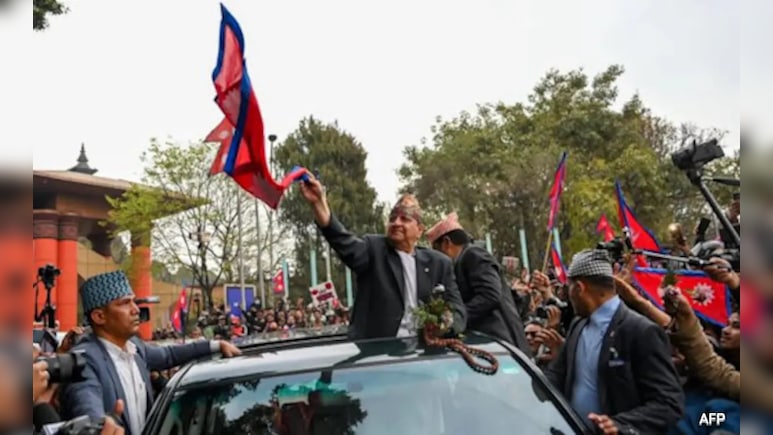
Nepal is set to hold early elections on March 5, months after political unrest led to the removal of Prime Minister KP Sharma Oli. The widespread protest, led by Gen Z and youngsters at large, pushed the Oli government to step down, but the situation this time is different from February 2005. FOLLOW LIVE UPDATES HERE
Today, Nepal is feeling pressure from citizens demanding change, but in February 2005, the then King Gyanendra held full control of the country and dismissed the government. At the time, the nation was under a state of emergency, political parties were restricted, and public protests were suppressed.
The ex-king said the government had failed to bring peace, and the country was still dealing with a Maoist rebellion that had been going on for nine years.
Ex-King Gyanendra put the then Prime Minister Sher Bahadur Deuba and his ministers under house arrest. Soldiers surrounded their homes to make sure they could not leave. The king also stopped international flights from landing in Kathmandu, the capital.
Various Nepali media and FM radio stations went offline. All phone lines, including landlines and mobile phones, were cut to prevent people from staying informed. The palace summoned newspaper editors and told them all news would have to be approved by the king's office before being published.
Madhav Nepal, a leader of one of the main parties in Prime Minister Deuba's coalition, criticised the king's takeover, calling it a "coup".
Disappearances also became commonplace. People who opposed the king or were suspected of supporting political parties often vanished without explanation. Nepal had the highest number of disappearances reported to the United Nations at the time.
The security forces arrested over 3,000 people, including political activists, journalists, and students, often without any legal process. Security forces reportedly killed more than 1,000 people, including ordinary civilians.
Despite King Gyanendra's coup in February 2005, the protests continued for over a year. The sustained public pressure eventually forced the king to give up power, leading to the end of the 240-year-old monarchy in Nepal. Girija Prasad Koirala of the Nepali Congress became Prime Minister in 2006.
Track Latest News Live on NDTV.com and get news updates from India and around the world


