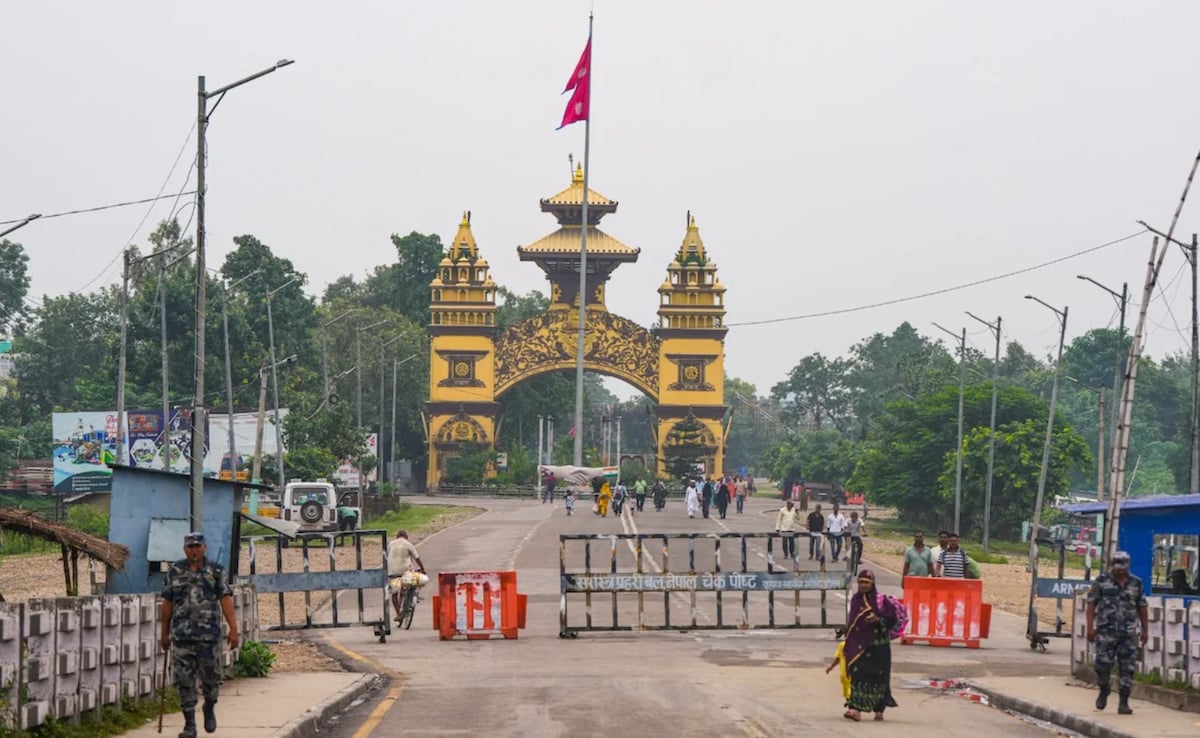
Nepal Election 2026: Nepal's election have been triggered by Gen Z-led protests.
Kathmandu/New Delhi:
Nepal is voting today - a first since last year's Gen Z protests that toppled the government and led to the death of at least 77 people. The election will replace the interim government of Sushila Karki that has been leading the Himalayan country.
Here are the top 10 points in this story:
- The election is seen as a test for Nepal's Old Guard who ruled Himalayan kingdom for over a decade: Sher Bahadur Deuba of Nepali Congress, KP Sharma Oli of the communist Party CPN-UML and Pushpa Kamal Dahal of Communist Party of Nepal (Maoist Centre) or CPN (MC).
- With the Nepali people feeling let down by their leaders -- a sentiment that led to last year's protests -- these leaders are facing the toughest challenge of their lives.
- Adding to the challenge are multiple young leaders including the Rastriya Swatantra Party's Rabi Lamichhane, a former media personality and popular youth leader.
- KP Sharma Oli, 74, who was ousted as prime minister last year, has been challenged in his home constituency -- eastern Nepal's Jhapa-5 --- by RSP's Balendra Shah.
- Shah, a 35-year-old rapper-turned-politician and former Kathmandu Mayor, has cast himself as a symbol of youth-driven political change.
- Also in the race for the top job is 49-year-old Gagan Thapa, the new head of the country's oldest party, Nepali Congress. He is contesting from Sarlahi-4 in southern Nepal.
- Sushila Karki, the interim prime minister, has urged people to vote "without any fear".
- The preparations for the election are complete, including flying election materials to snowbound areas of Nepal, home to eight of the world's 10 highest peaks, including Mount Everest.
- The voters will elect 275 members of the House of Representatives, the lower chamber of parliament -- 165 of them directly through the first past the post system, with a further 110 through proportional representation.
- It could take several days for full results to come. It could take longer if negotiations for a coalition government prove tricky.
Show full article


