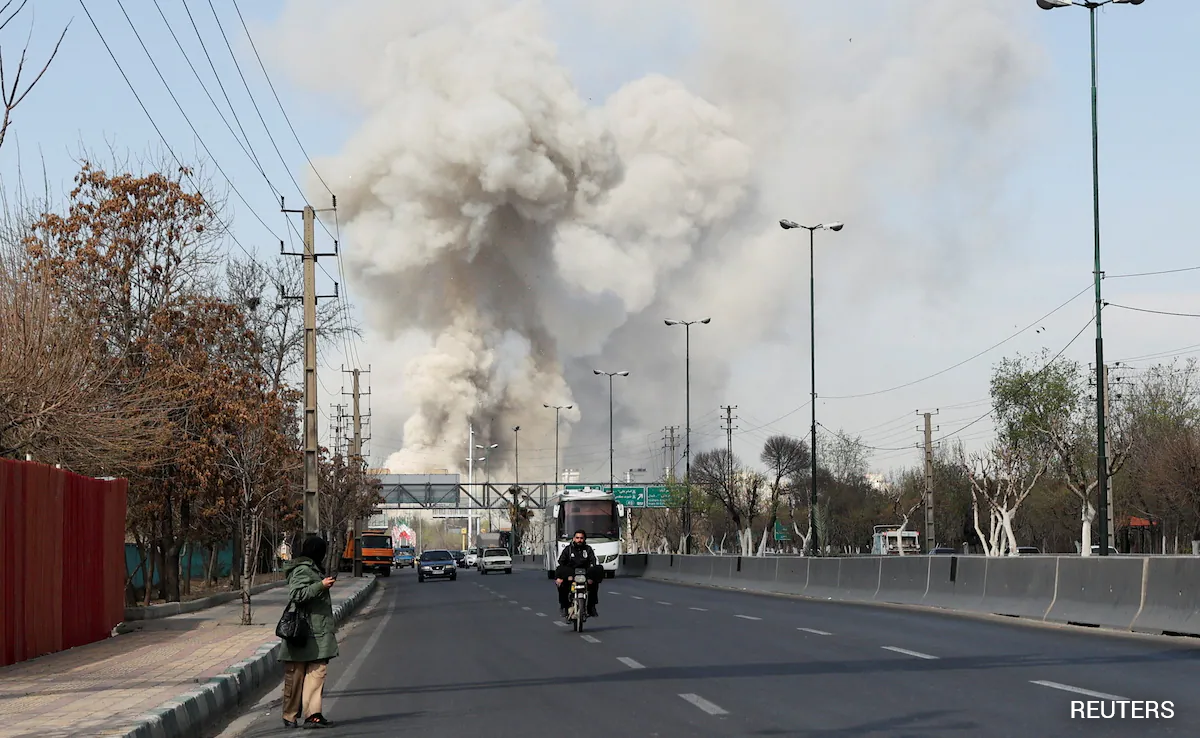
A major conflict involving Iran would not only reshape geopolitics in the Middle East - it could also trigger a new refugee crisis across the region and beyond. Iran sits at the crossroads of Central Asia, the Middle East and South Asia, meaning large-scale displacement could quickly spill into neighbouring countries and potentially toward Europe. And with a population of 90 million, even if a relatively small fraction of people decides to leave, the impact would be considerable. The European Union's (EU) asylum agency has already warned of a migration influx of "unprecedented magnitude" towards the bloc.
Also Read | If Iran's Nuclear Talks Collapse During A War: What Happens Next (And What Doesn't)
Past conflicts - from the Syrian Civil War to the Iraq War - show how wars in the region can push millions of people across borders, creating humanitarian and political pressures far beyond the battlefield.
Here's how a refugee crisis could unfold.
Where People Would Flee First
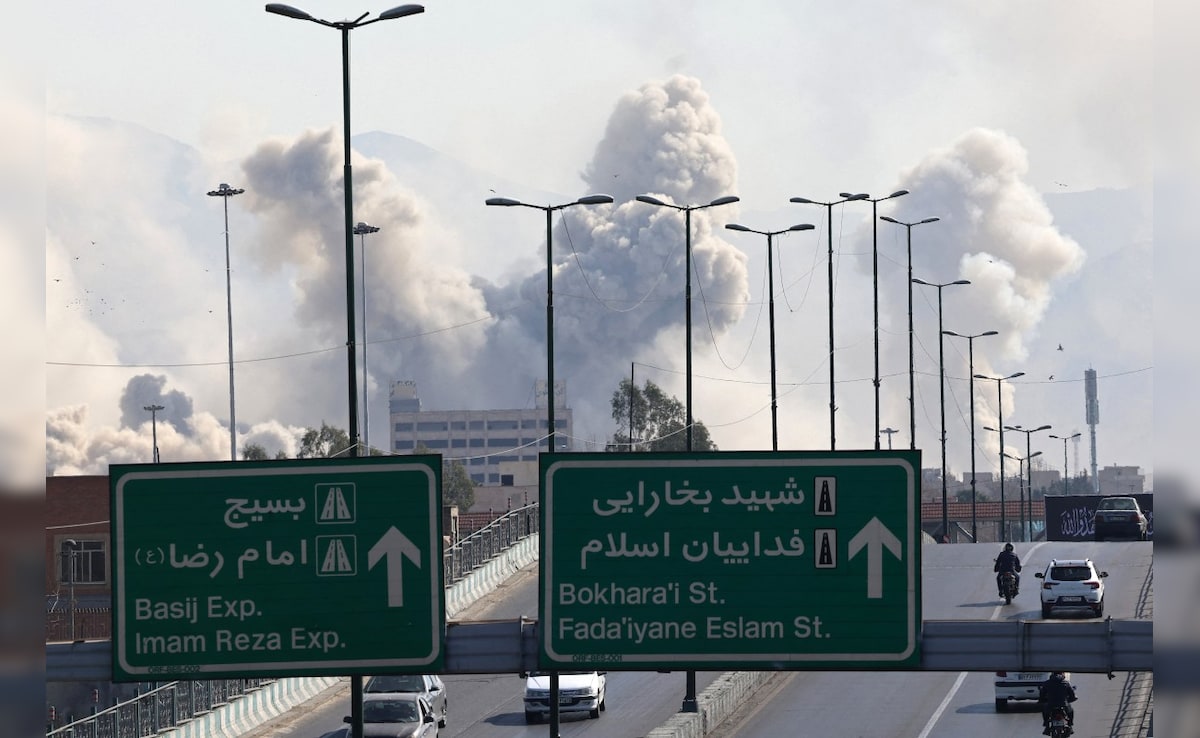
Vehicles drive along an expressway as smoke rises after a strike on Tehran. (AFP)
In most conflicts, civilians first try to reach the nearest safe territory. For people inside Iran, the most likely initial destinations would be neighbouring countries with land borders.
Turkey: Gateway to Europe
The situation could be very similar to what played out during the "great migration" wave in 2015 when an estimated 2.5 million Syrians were in Turkey. The migrants took the Balkan route towards Germany. Turkey still hosts one of the world's largest refugee populations, mainly from the Syrian war. If displacement from Iran grows, many migrants could again use Turkey as a transit corridor to enter Europe.
From there, some may attempt to reach the European Union (EU) via land or sea routes across the Aegean.
Iraq: Immediate Pressure Point
Iraq shares a long and porous border with Iran. Possible refugee flows could move into:
- Iraqi Kurdistan
- Northern Iraq cities
- Border provinces already hosting displaced populations
But Iraq's own fragile security situation means its capacity to absorb refugees is limited.
Pakistan: Eastern Escape Route
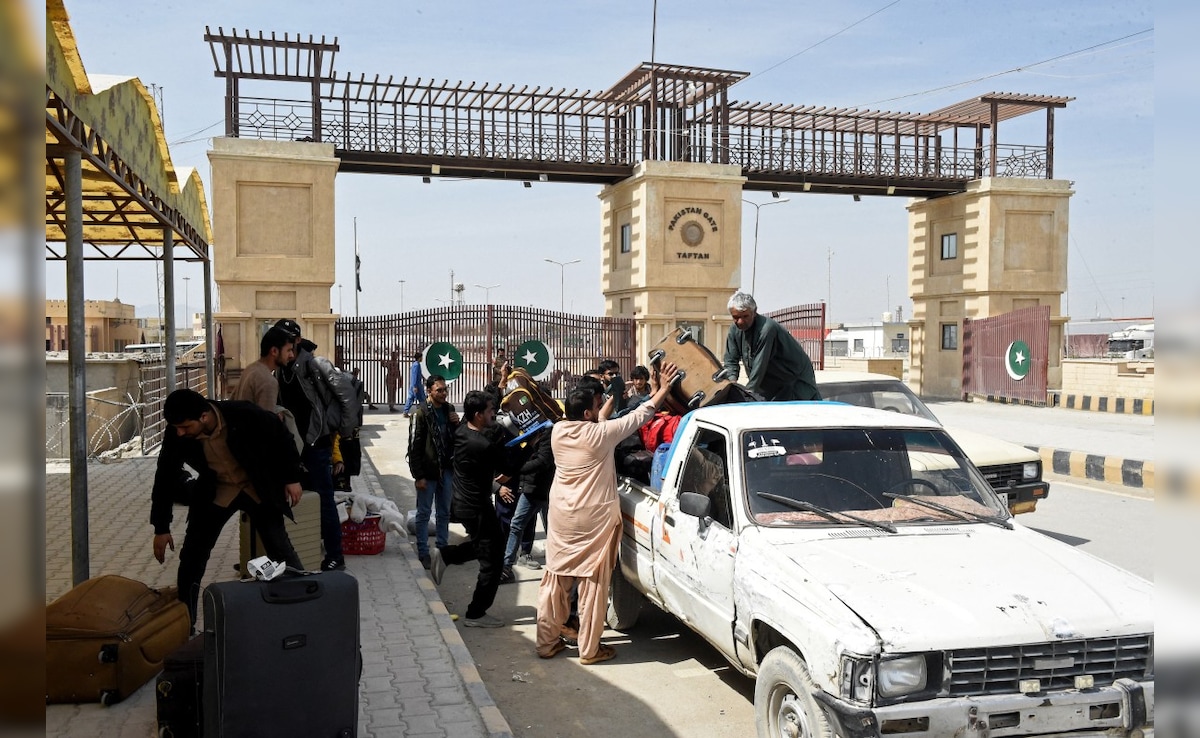
Pakistani nationals load their belongings onto a vehicle at the Pakistan-Iran border in Taftan. (AFP)
Millions of people live near the long border between Iran and Pakistan. Pakistan has already hosted large refugee populations for decades, particularly from the Soviet-Afghan War and later conflicts in Afghanistan.
If instability spreads, border provinces in Pakistan could face new humanitarian pressure.
Afghanistan: A Fragile Neighbour
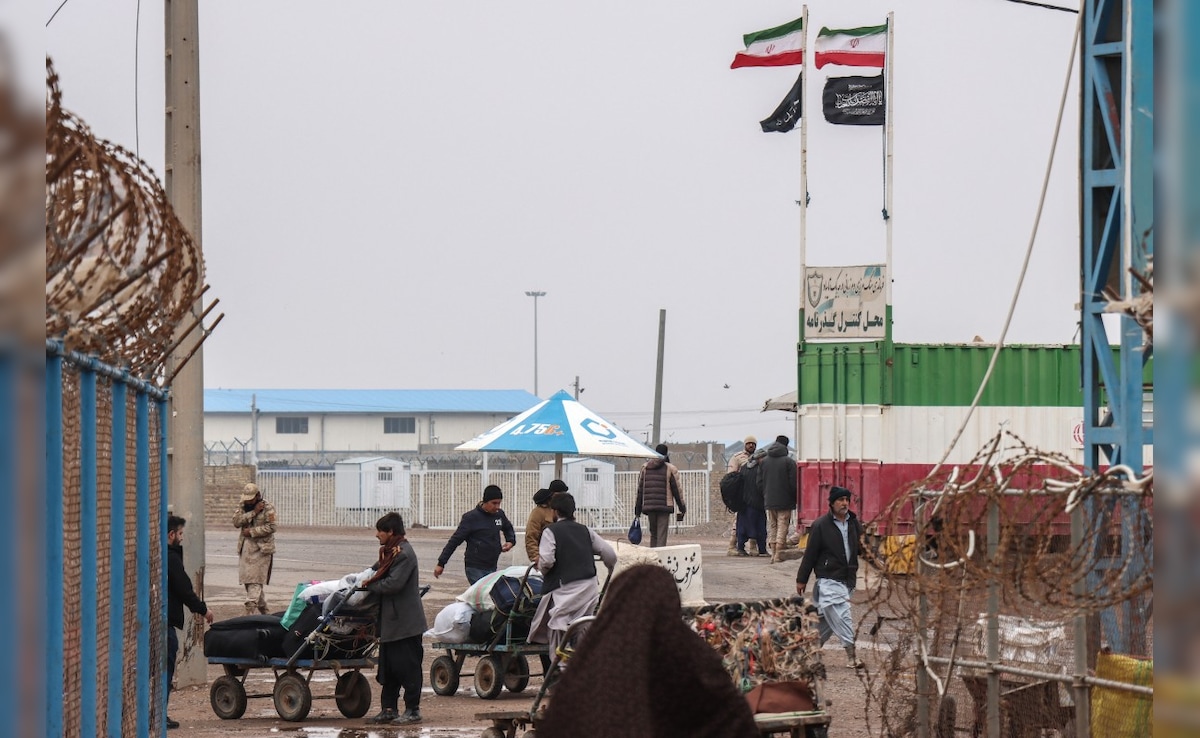
Afghan nationals walk with their belongings upon their arrival from Iran at the Islam Qala border crossing. (AFP)
Despite its own economic and political challenges, Afghanistan could also see cross-border displacement.
Migration patterns between Iran and Afghanistan are already deeply interconnected due to longstanding labour migration and refugee movements.
However, Afghanistan's fragile economy means support capacity would be extremely limited.
The Route Toward Europe
The route into the EU often involves crossing from Turkey into Greece via the Aegean Sea or land borders.
During the Syrian crisis, similar routes brought more than one million migrants into Europe in 2015, triggering political upheaval across several EU countries.
Why Displacement Could Be Significant
Iran's population is around 90 million, far larger than countries like Syria before its civil war.
Several factors could drive displacement:
- Airstrikes and infrastructure damage
- Civilian areas hit by missiles or drones often trigger immediate evacuations.
- Economic collapse
- Sanctions and war disruption could cause shortages of fuel, food and medicine.
- Internal instability
Conflict sometimes triggers protests, militia activity or local unrest.
Even a small percentage of the population fleeing could translate into millions of people on the move.
Pressure On Humanitarian Systems
International agencies such as the United Nations High Commissioner for Refugees is expected to play a central role in coordinating relief.
But the global refugee system is already stretched by crises in:
- Ukraine
- Sudan
- Gaza
Adding another major displacement crisis could strain resources further.
Political Fallout In Europe
Large migration flows into Europe often become politically sensitive. During the migration surge triggered by the European migrant crisis:
- Border controls increased
- Asylum systems were overwhelmed
- Migration politics reshaped elections in several countries
A new refugee wave linked to conflict involving Iran could revive similar debates across Europe.
The Big Picture
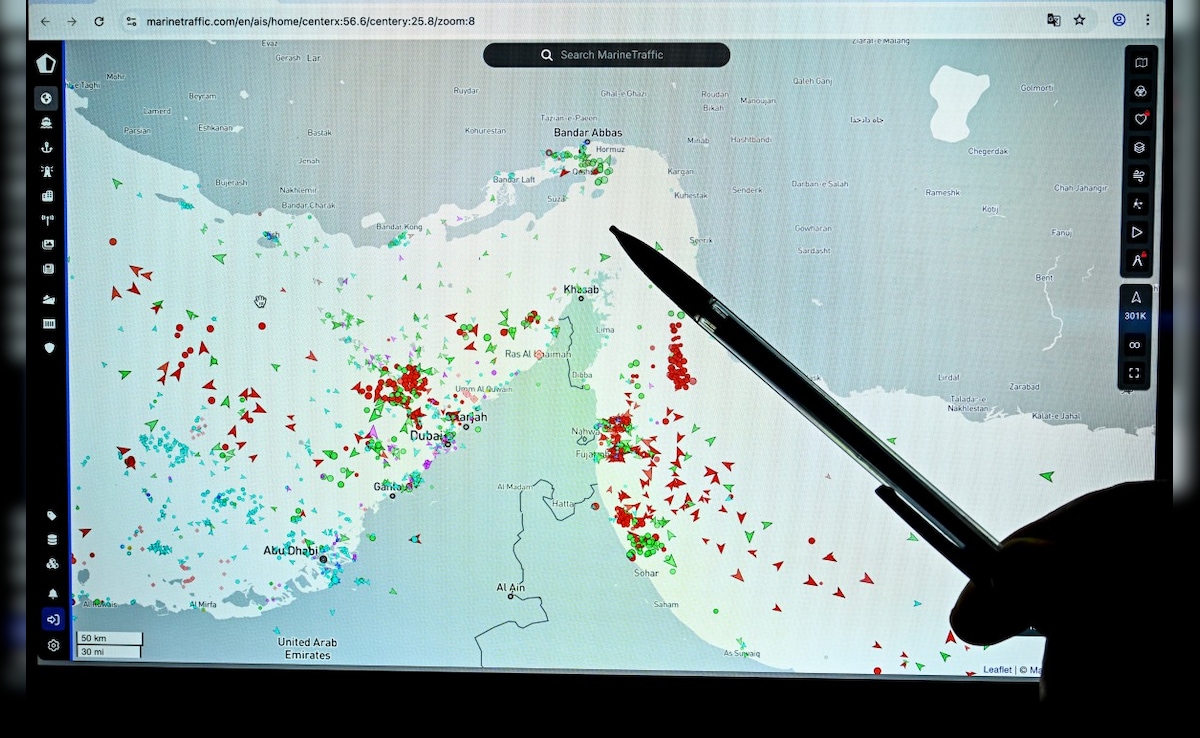
The Iran war has hit traffic through the Hormuz Strait. (AFP)
A war involving Iran would not only affect energy markets and regional security - it could also set off a major humanitarian crisis.
Neighbouring countries such as Iraq, Pakistan and Turkey would likely feel the first impact.
If the conflict prolongs, the ripple effects could extend toward Europe, reshaping migration routes and humanitarian policy across multiple regions.
Track Latest News Live on NDTV.com and get news updates from India and around the world


