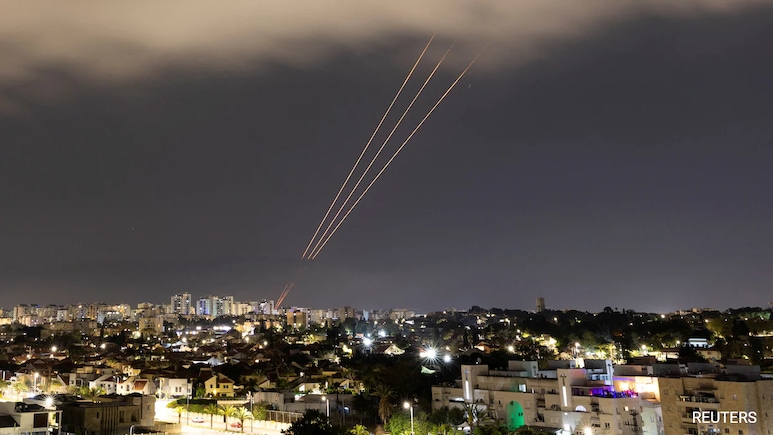
The conflict in the Middle East is increasingly being shaped by what nations can see from space. According to The Washington Post, three senior American officials said Russia has been providing Iran with sensitive intelligence, including precise locations of US warships and aircraft. The report points to the growing role of satellite surveillance and electronic tracking in modern warfare.
According to the news report, the assistance, which has not been previously reported, signals that the rapidly expanding conflict now features one of America's chief nuclear-armed competitors with exquisite intelligence capabilities.
Russia is believed to be aiding Iran's war effort by sharing intelligence gathered through its network of satellites. Sources cited by CNN said this includes imagery and data on the movements of American troops, ships and aircraft across the region. While Vladimir Putin has denied such cooperation in a call with Donald Trump, analysts say the growing military ties between Moscow and Tehran make such exchanges plausible.
Russia and Iran have strengthened defence links in recent years, with Tehran supplying drones and missiles for use in Ukraine. Intelligence sharing appears to be a further extension of this partnership.
China's Careful Approach
At the same time, China is seen taking a more cautious stance. US intelligence assessments, as reported by CNN, suggest Beijing may be preparing to offer financial assistance, spare parts and missile components to Iran. However, its dependence on Iranian oil and concern over disruptions in the Strait of Hormuz are shaping a more restrained approach.
Impact on the Battlefield
Recent incidents have raised alarm. CNN reported that an Iranian drone strike hit a facility housing US troops in Kuwait, killing six service members. There is no confirmed link between the strike and Russian intelligence, but the use of precise targeting has drawn attention to the possible impact of satellite data.
With tens of thousands of US troops and hundreds of aircraft deployed, the conflict is expanding in scale. Yet the decisive edge may lie in intelligence from space. As nations rely more on satellites and real-time data, the ability to track and anticipate enemy movement is becoming the defining factor in how this war is fought and how it may unfold.
Track Latest News Live on NDTV.com and get news updates from India and around the world


