When the United States opened direct talks with Iran in mid-May, it had trouble determining Tehran's true position. Seeking clarity, the Donald Trump administration established a direct secret channel with the Islamic Revolutionary Guard Corps to verify if Iranian negotiators -- Parliament Speaker Mohammad Bagher Ghalibaf and Foreign Minister Abbas Araghchi -- were in fact speaking on the military's behalf.
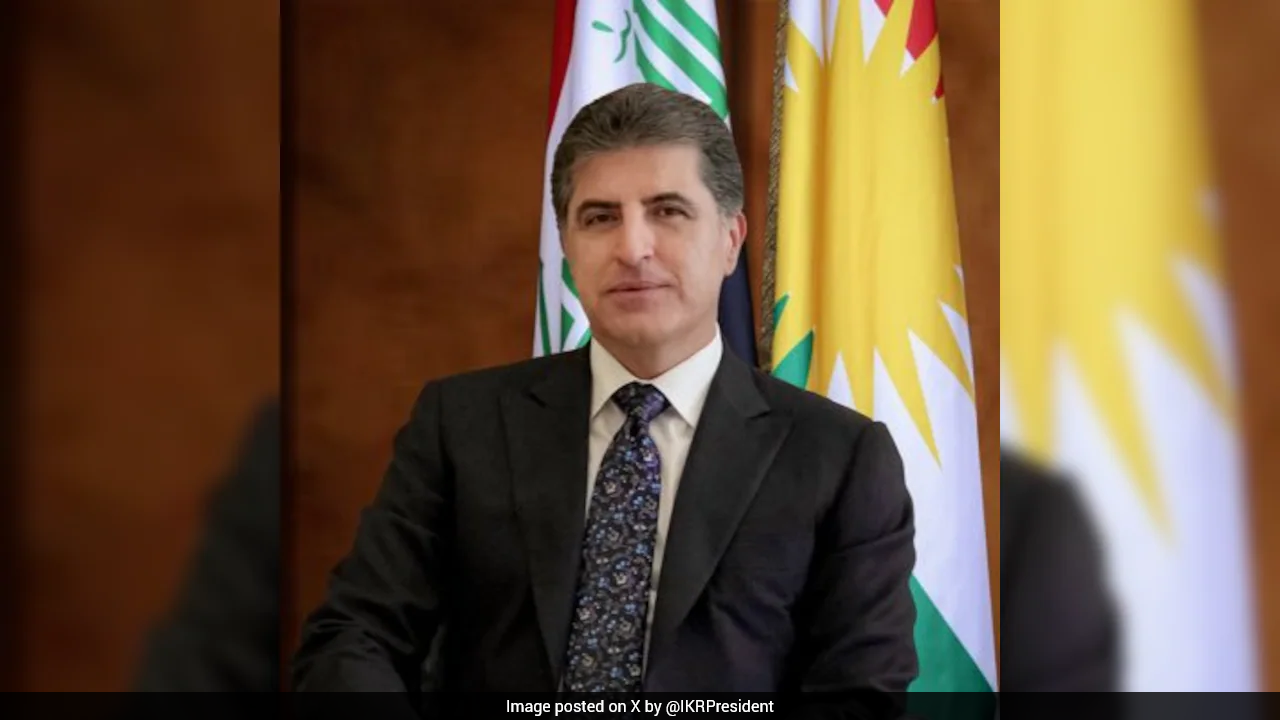
The person tapped for the backchannel was Nechirvan Barzani, president of the Kurdistan region in Iraq, who is trusted by both the United States and the IRGC, several sources "with direct knowledge of the matter" told Axios.
The Kurdistan Regional Government (KRG) administers a semi-autonomous region of northern Iraq and is headquartered in Erbil. Barzani lived in Iran during the Iran-Iraq War, where he studied at the University of Tehran. He, according to the US media report, is fluent in Farsi and has personal relationships with many senior members of the Iranian regime, including top members of the IRGC.
He is known as a pragmatic problem solver and is respected across the region.
How the US Approached Barzani
It was then Director of National Intelligence Tulsi Gabbard who first established contact with Barzani around May 10. Gabbard reportedly told the Iraqi leader that the Trump administration needed his help to get in touch with IRGC commander General Ahmad Vahidi.
A source told Axios that Gabbard clearly told Barzani that she was making the call with the approval of President Trump and Vice President Vance.
She told him that because the US can't reach Vahidi itself, it needs clarity on whether he and the IRGC leadership were on board with what Ghalibaf and Araghchi had been negotiating or whether they had other ideas or demands.
Barzani reportedly agreed to Gabbard's request and reached out to his contacts in the IRGC with Team Trump's message. He told his sources that he wants to talk directly with Vahidi, to which Tehran agreed.
On May 14, an IRGC official met Barzani in his office in Erbil and gave him an encrypted phone to conduct a secure call, the report said.
Using the phone, Barzani established contact with Vahidi and asked him if he was aligned with the Iranian negotiators. The IRGC commander replied in the affirmative and said, "I fully support them, and this is also the position of the IRGC. We prefer to solve this crisis through negotiations."
Sources said that Barzani soon contacted Gabbard and relayed Vahidi's message, which Gabbard forwarded to the White House.
After receiving the Iranian response, the Trump administration again reached Barzani with another proposal to host secret talks between senior US and Iranian negotiators in Erbil, the report said.
However, the talks never materialized amid Iranians' concern for their safety.
Why It Matters
According to the report, Washington approached Barzani in May, signalling how tricky it's been for Team Trump to deal with Tehran without any clear knowledge of who exactly is in charge. The United States and Iran did manage to reach a memorandum of understanding in May, but it quickly collapsed as both sides disagreed on the wording.
The Pakistani and Qatari mediators continue to exchange messages between Washington and Tehran, but without any significant progress.
The Trump administration's key problem today and in any future negotiation will be to make sure it's talking to the people who are actually calling the shots. That also means finding mediators who are trusted by both the White House and the Iranian regime.
But some sources believe that Islamabad is putting out more optimistic readouts than the talks justify in an effort to create a sense of momentum that could break the stalemate.
Track Latest News Live on NDTV.com and get news updates from India and around the world


