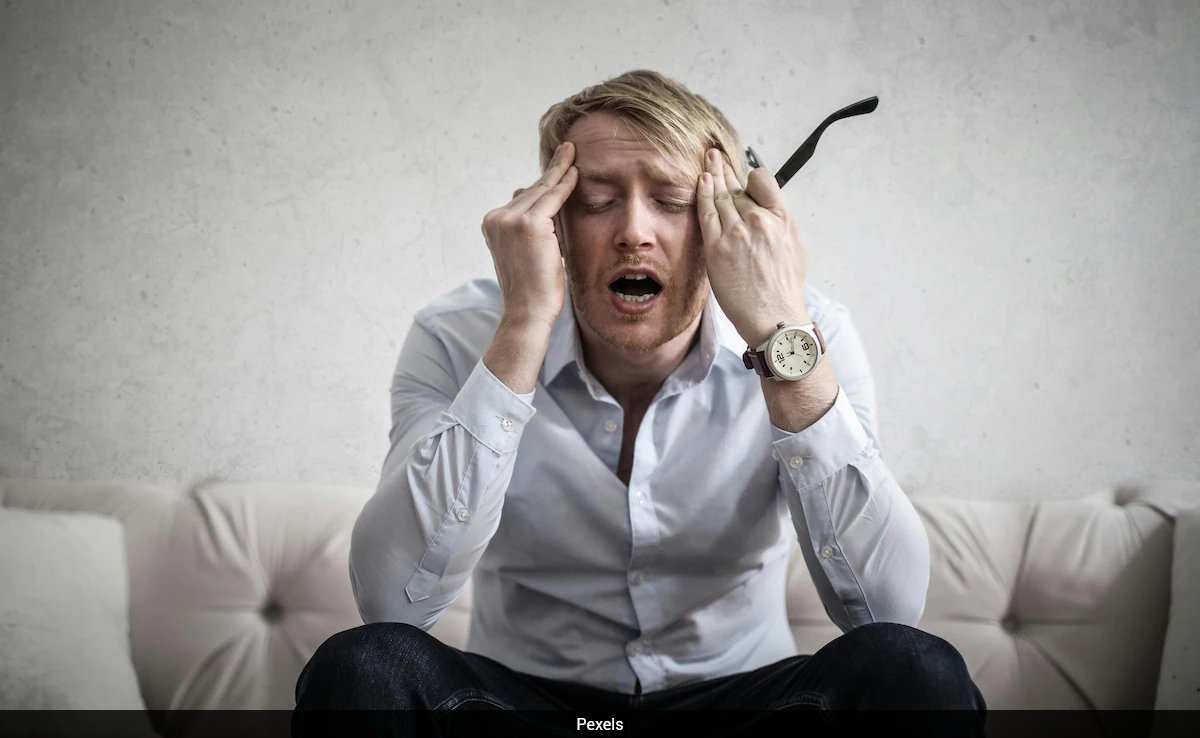
In 2015, the Obama administration officially restored diplomatic ties between the United States and Cuba, reopening embassies after decades of hostility. However, this rapprochement was soon overshadowed by a series of unexplained health incidents involving American personnel in Havana. Beginning in late 2016, officials reported sudden, debilitating symptoms-including severe headaches, dizziness, tinnitus, and cognitive impairment, that became known as "Havana Syndrome."
These mysterious medical cases sparked international intrigue and significantly strained the newly resumed diplomatic relationship between the two nations.
Affected officials described sudden symptoms including severe headaches, dizziness, ringing in the ears, nausea, memory problems and difficulty concentrating.
Since the initial cases in Cuba, similar incidents have been reported in China, Europe and Washington. The US government refers to them as "Anomalous Health Incidents". Investigations have involved agencies such as the CIA and the US Department of State.
Also Read | Norwegian Scientist Gives Himself Brain Damage, Trying To Disprove 'Havana Syndrome'
Medical studies led by the National Institutes of Health found that while patients experienced genuine and sometimes debilitating symptoms, brain scans did not show clear evidence of consistent physical injury. Intelligence reviews in recent years suggested it was unlikely that a foreign adversary was responsible in most cases, though they did not completely rule out all possibilities.
Several theories have been debated. Some scientists believe the symptoms could be linked to stress-related illness or environmental factors. Others have explored whether pulsed microwave or directed energy devices could play a role, although no conclusive proof has emerged.
The debate resurfaced after reports by Reuters and The Washington Post revealed that a Norwegian scientist built a microwave-emitting device to test the directed-energy theory on himself. According to the reports, he later developed neurological symptoms resembling those described in Havana Syndrome cases. US officials, including representatives from the Pentagon, reviewed the findings.
Experts caution that a single self-experiment does not prove the cause of the syndrome. Nearly a decade after the first reports, Havana Syndrome remains one of the most controversial and unresolved medical and intelligence mysteries in recent history.
Track Latest News Live on NDTV.com and get news updates from India and around the world


