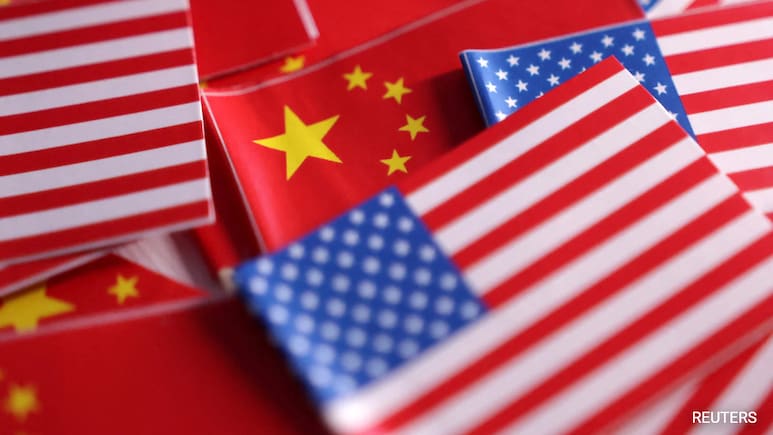
China is set to present itself as a stable and reliable trading partner at the 2026 World Economic Forum in Davos, using the global platform to contrast its predictability with the geopolitical disruption caused by the United States, just as tensions escalate over trade, sanctions, and global leadership.
Vice Premier He Lifeng will deliver China's keynote address on Tuesday, a day before US President Donald Trump speaks. Beijing's message is clear: while others provoke uncertainty, China offers consistency.
According to a report by the South China Morning Post, China plans to reassure foreign investors of its long-term economic strength, despite weak domestic demand and concerns over the sustainability of its growth model. The Chinese government is also expected to spotlight its record $1.19 trillion trade surplus in 2025, while addressing fears among European nations over cheap Chinese imports undermining their industries.
The 2026 World Economic Forum, running from January 19 to 23 under the theme 'A Spirit of Dialogue,' brings together nearly 3,000 leaders across sectors. But this year, dialogue is colliding with rising distrust.
Trump's recent moves, including military action in Venezuela, tariff threats on eight European countries, fresh claims on Greenland, and warnings of potential military intervention in Iran, have intensified concerns about the global economic order. The European Union has vowed to retaliate with €93 billion in counter-tariffs if Trump's Greenland-linked tariffs materialize.
A WEF global risk survey published ahead of the event warned that geoeconomic confrontation is now the leading concern for governments and businesses worldwide. China's Davos message is tailored to this moment, as it seeks to be seen as the solution to spiraling instability.
Yet Beijing's approach is not without its critics. While calling for cooperation and multilateralism, China faces scrutiny over its trade practices, its handling of global supply chains, and concerns about fair competition.
For investors, the messaging war between the world's two largest economies is more than posturing. With foreign institutional investors pulling billions from emerging markets like India, and European economies nervously eyeing trade balances, Davos may signal whether capital will continue shifting east.


