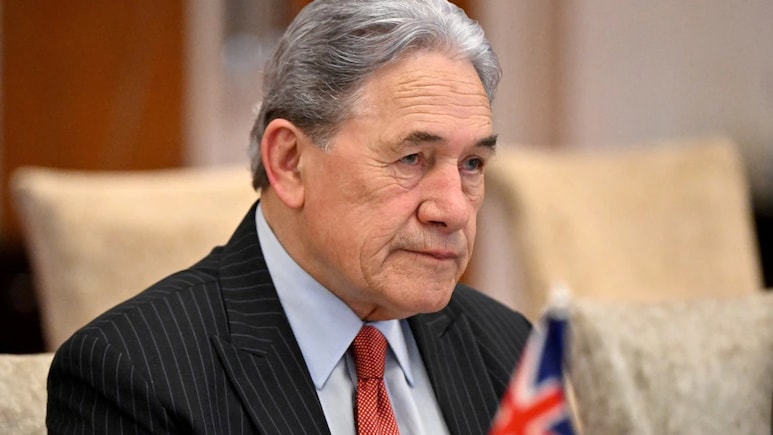
- New Zealand's Foreign Minister Winston Peters opposes the India-NZ Free Trade Agreement
- The deal opens New Zealand markets fully, but excludes key dairy exports like milk and cheese, he said
- Peters warns that the agreement offers excessive immigration concessions to Indian citizens
New Zealand's Foreign Minister Winston Peters has strongly criticised the newly announced India-New Zealand Free Trade Agreement (FTA), calling it "neither free nor fair" and warning that his party will oppose the deal when it comes before Parliament.
In a statement issued on Wednesday, Peters said his party, New Zealand First, was "regrettably opposed" to the agreement, arguing that it gives away too much – particularly on immigration – while failing to secure adequate gains for Wellington, especially in the critical dairy sector.
"Regrettably, this is a bad deal for New Zealand," Peters said, adding that while New Zealand would fully open its market to Indian products, India has not agreed to reduce significant tariff barriers on New Zealand's major dairy exports. He described the outcome as "impossible to defend" to farmers and rural communities.
The Foreign Minister said the India FTA would be New Zealand's first trade agreement to exclude key dairy products such as milk, cheese and butter. Dairy exports were worth approximately $13.94 billion in the year to November 2025, accounting for nearly 30 per cent of the country's total goods exports.
Peters said New Zealand First had repeatedly urged its coalition partner, the National Party, not to rush into concluding what it described as a "low-quality" deal and instead use the full parliamentary term to negotiate better outcomes. He also warned against signing the agreement despite uncertainty over whether it would command a parliamentary majority.
When Cabinet approval for the deal was sought last week, New Zealand First invoked the "agree to disagree" provision under coalition arrangements while making clear it would vote against the enabling legislation if and when it is introduced in Parliament.
Concerns Beyond Trade
Beyond trade, Peters raised concerns about what he described as far-reaching immigration concessions, including the creation of a new employment visa specifically for Indian citizens. He argued that, on a per capita basis, New Zealand had offered India greater access to its labour market than Australia or the United Kingdom had in their FTAs, despite current economic pressures at home.
He also warned that expanded work rights for Indian students during and after study could constrain future governments from adjusting immigration and labour market settings in response to changing conditions.
Despite opposing the agreement, Peters stressed that New Zealand First remained committed to strengthening ties with India, calling the relationship strategically important. He said India was his first overseas destination as Foreign Minister outside Australia and the Pacific and noted increased diplomatic resources dedicated to the relationship.
Peters said he had personally conveyed his party's position to India's External Affairs Minister S Jaishankar, emphasising that the opposition was not a critique of India or its negotiators but reflected differences within New Zealand's coalition government.
"Our approach to trade deals has been consistent and principled," Peters said, adding that New Zealand First would support agreements that deliver clear benefits for New Zealanders and oppose those that do not.
Track Latest News Live on NDTV.com and get news updates from India and around the world


