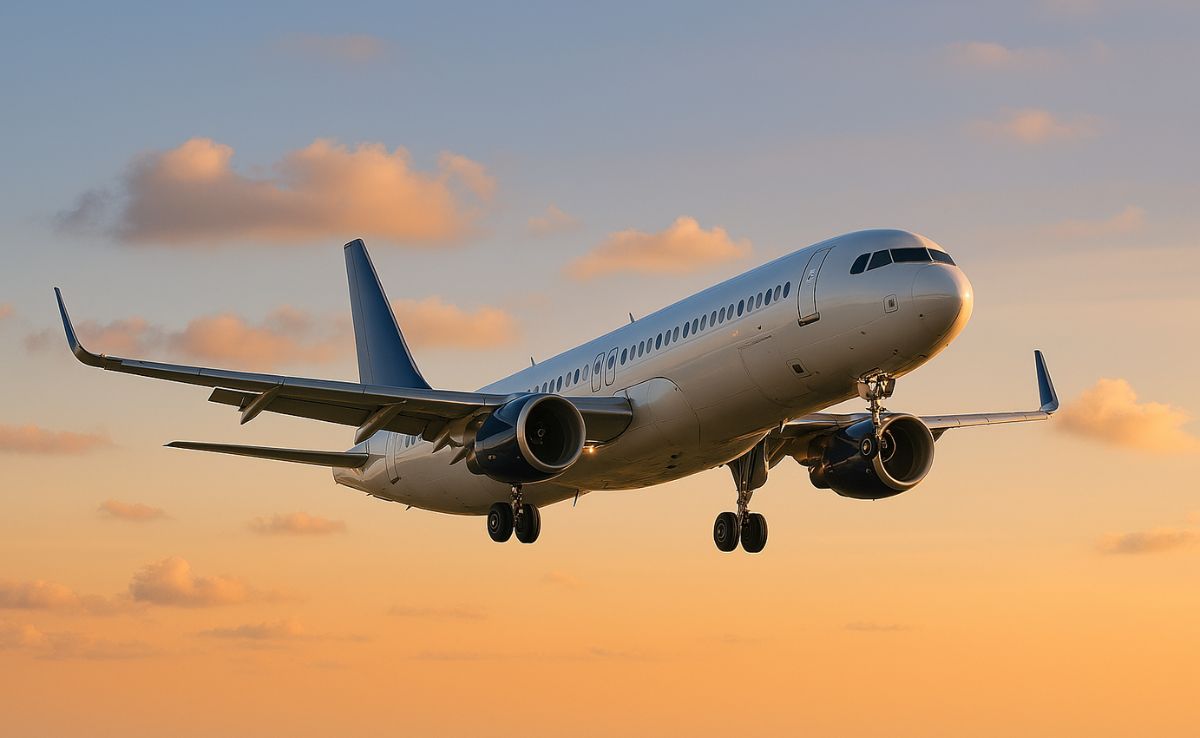
ou book a flight, open the seatback map, and notice something strange. Instead of a clean, straight line between two cities, your aircraft appears to arc, bend, or take a wide detour. At first glance, it feels inefficient. Surely the shortest distance between two points is a straight line. So why does the plane seem to ignore it? The answer lies in how flying actually works. What looks like a longer route on a flat map is often the most practical option in the sky. Airlines plan routes using geography, wind patterns, safety requirements, and air traffic rules, not visual simplicity. Once you understand how these factors work together, those curved flight paths start to make a lot more sense.
Also Read: Woman Shares 7 Tips For Safe, Productive International Trip Without Compromising Fun
5 Practical Reasons Flights Rarely Fly in Straight Lines:
1. The Earth Is Round, and Maps Are Misleading
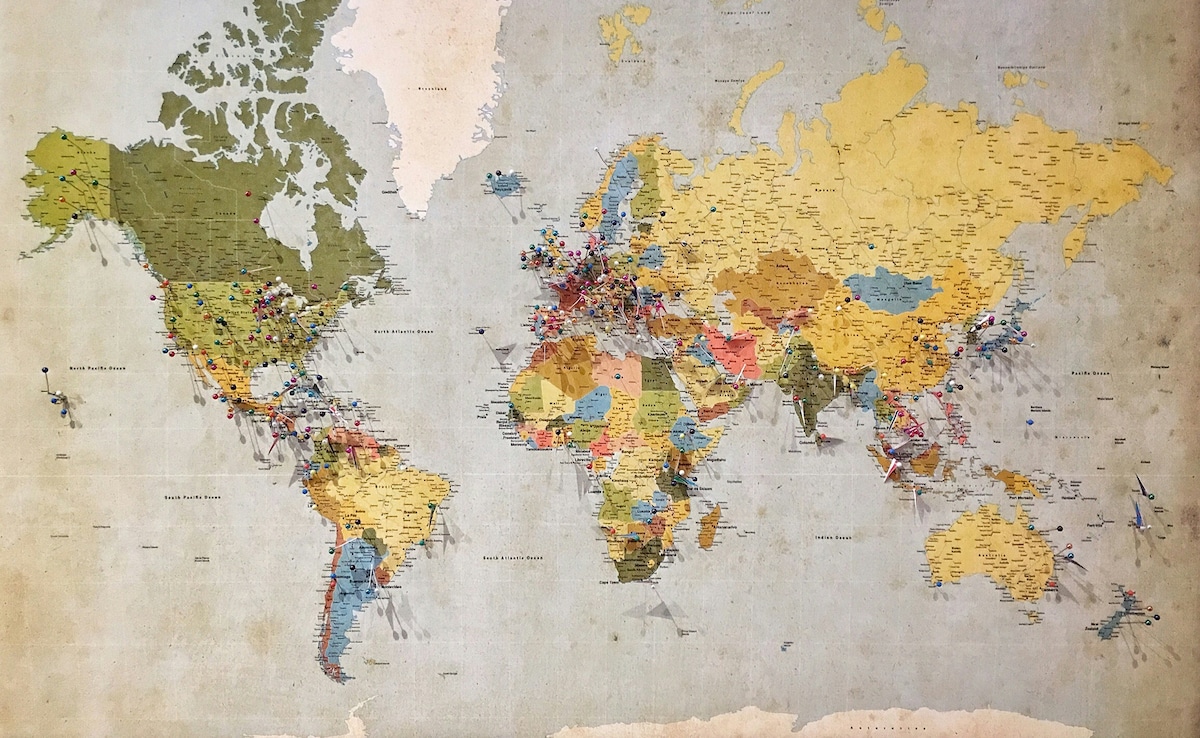
Photo: Unsplash
On a flat map, the shortest path between two cities looks like a straight line. But aircraft do not fly on flat surfaces. They fly around a sphere. The true shortest distance between two points on a round Earth is called a great circle route.
Great circle routes often appear curved when projected onto a two-dimensional map, especially on long-haul flights. This is why routes between North America and Asia or Europe look like wide arcs rather than straight lines across oceans. What looks indirect on your screen is often the shortest distance in real terms.
What this means for your flight time:
A curved route on a map does not automatically mean a longer journey.
2. Jet Streams Can Make or Break Flight Time

Photo: Unsplash
Jet streams are fast-moving air currents that flow at cruising altitudes. Flying with them can shave significant time off a journey, while flying against them can slow an aircraft down.
Airlines routinely adjust routes to take advantage of favourable winds, even if that means flying a path that looks longer. On some routes, a well-timed jet stream can reduce flight time by nearly an hour.
What this means for your flight time:
A flight that looks longer on the map may actually land earlier because it is riding stronger tailwinds.
3. Weather Forces Real-Time Detours
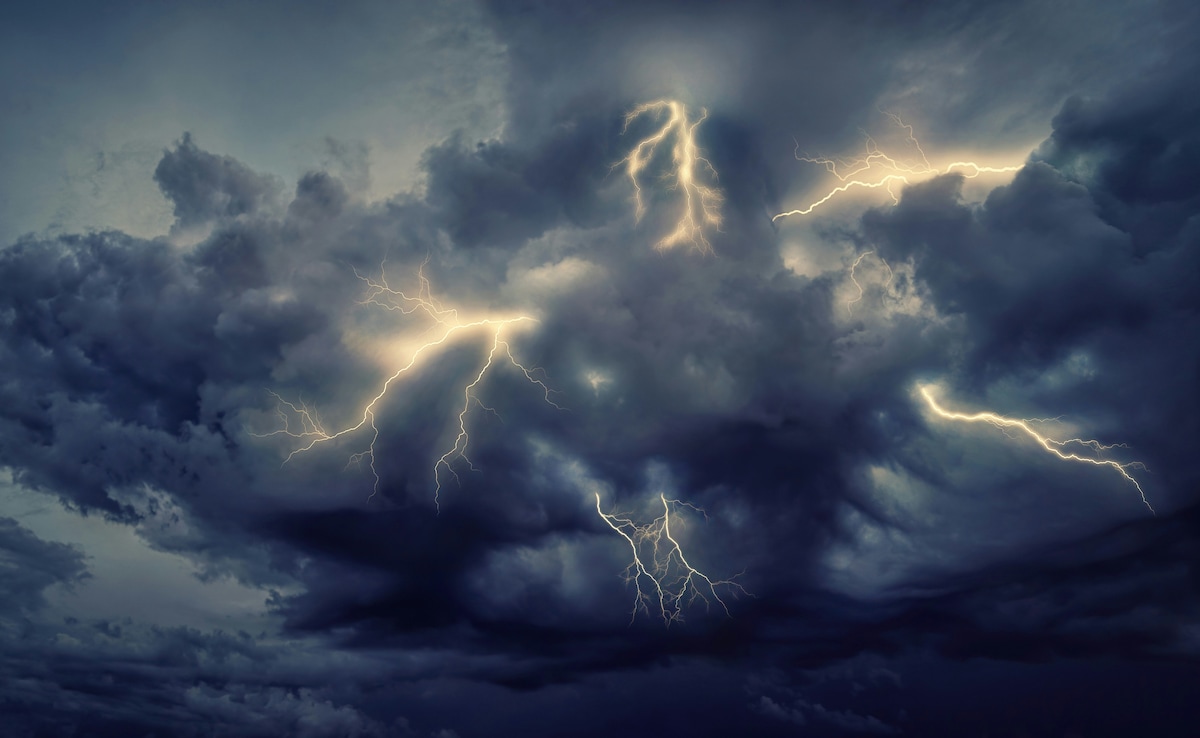
Photo: Unsplash
Weather is one factor airlines never gamble with. Thunderstorms, turbulence, cyclones, and volcanic ash clouds pose serious risks to aircraft and passengers. Modern planes use advanced weather radar, and routes are often adjusted mid-flight to avoid unsafe conditions.
These detours are not optional. Even if flying straight would save distance, safety takes precedence. This is why pilots sometimes announce route changes during a flight, even when the weather at your destination seems clear.
What this means for your flight time:
A longer route often means a smoother, safer flight, not inefficiency.
4. Not All Airspace Is Open to Civilian Aircraft

Photo: Unsplash
The sky is not a free-for-all. Large sections of airspace are restricted due to military activity, political tensions, or national regulations. Flights must avoid these zones entirely, which can force significant detours.
In addition, air traffic is organised into designated airways, similar to highways in the sky. These routes help controllers manage traffic safely and efficiently, especially over busy regions.
What this means for your flight time:
Flights follow approved corridors, not arbitrary paths, even if those corridors add distance.
5. Air Traffic Management Near Busy Airports

Photo: Unsplash
Major airports handle hundreds of flights every hour. To maintain safe distances between aircraft, air traffic controllers may assign indirect arrival paths, holding patterns, or staggered approaches.
Even on clear days, congestion alone can prevent a straight-line descent into an airport. These controlled routes reduce the risk of mid-air conflicts and ensure smooth sequencing during landings and take-offs.
What this means for your flight time:
The final stretch of your journey is often shaped by traffic, not geography.
What You See on the Map vs What Is Actually Happening
What You See | What It Really Means |
| A curved route | The shortest path on a round Earth |
| A longer distance | Faster winds reducing total travel time |
| A sudden detour | Weather or restricted airspace avoidance |
| Delays near arrival | Air traffic sequencing at busy airports |
5 Popular Flight Routes That Look Longer Than Expected
Photo: Unsplash
Some well-known routes often surprise travellers when viewed on a map:
New York to Tokyo: The shortest route arcs over Alaska due to Earth's curvature.
London to Los Angeles: Flights curve north over Greenland instead of flying straight west.
Dubai to San Francisco: Many flights cross the Arctic Circle to optimise distance and winds.
Sydney to Santiago: Routes dip south rather than cutting straight across the Pacific.
Toronto to Hong Kong: The fastest path passes near the North Pole, not across Asia.
These routes look unusual only because flat maps distort reality.
Also Read: 10 Things To Never Pack In Your Hand Luggage At Indian Airports
Does This Affect Flight Time and Ticket Prices?
Photo: Unsplash
A longer-looking route does not automatically mean a longer or more expensive flight.
Flight time: Weather and airspace detours can add time, but great circle routes often reduce overall distance.
Fuel efficiency: Jet streams can offset extra miles and lower fuel burn.
Ticket prices: Fares depend more on demand, season, and airline strategy than minor route variations.
Operational planning: Airlines account for these routes well in advance when scheduling crews and aircraft.
For most passengers, the difference is invisible.
The Bottom Line
In aviation, the shortest route is rarely a straight line. What looks indirect on a map is often the fastest, safest, and most efficient way to travel through a complex, three-dimensional sky. The next time your flight path curves or detours, it is not a mistake. It is the result of careful planning designed to get you where you are going as smoothly as possible.
Track Latest News Live on NDTV.com and get news updates from India and around the world


