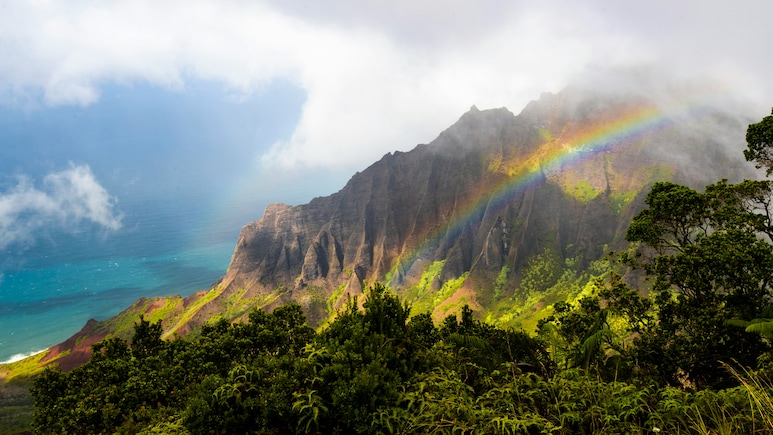
Picture this: you step out onto a hotel balcony in Honolulu, coffee in hand, and there it is, a full, double rainbow arching over the valley, so vivid and close it feels almost impossible. You look around to see if anyone else is as stunned as you are, and the locals are barely glancing up. That is Hawaii in a nutshell. The place where rainbows are so common that residents treat them the way Mumbaikars treat monsoon showers: a daily occurrence, beautiful, yes, but expected. For the rest of the world, especially for Indian travellers who have never experienced anything quite like it, Hawaii is the closest thing to a real-life fairy tale. And the science, the culture, and the sheer spectacle of it all make it a journey worth planning properly.
So Who Gave Hawaii the Title?
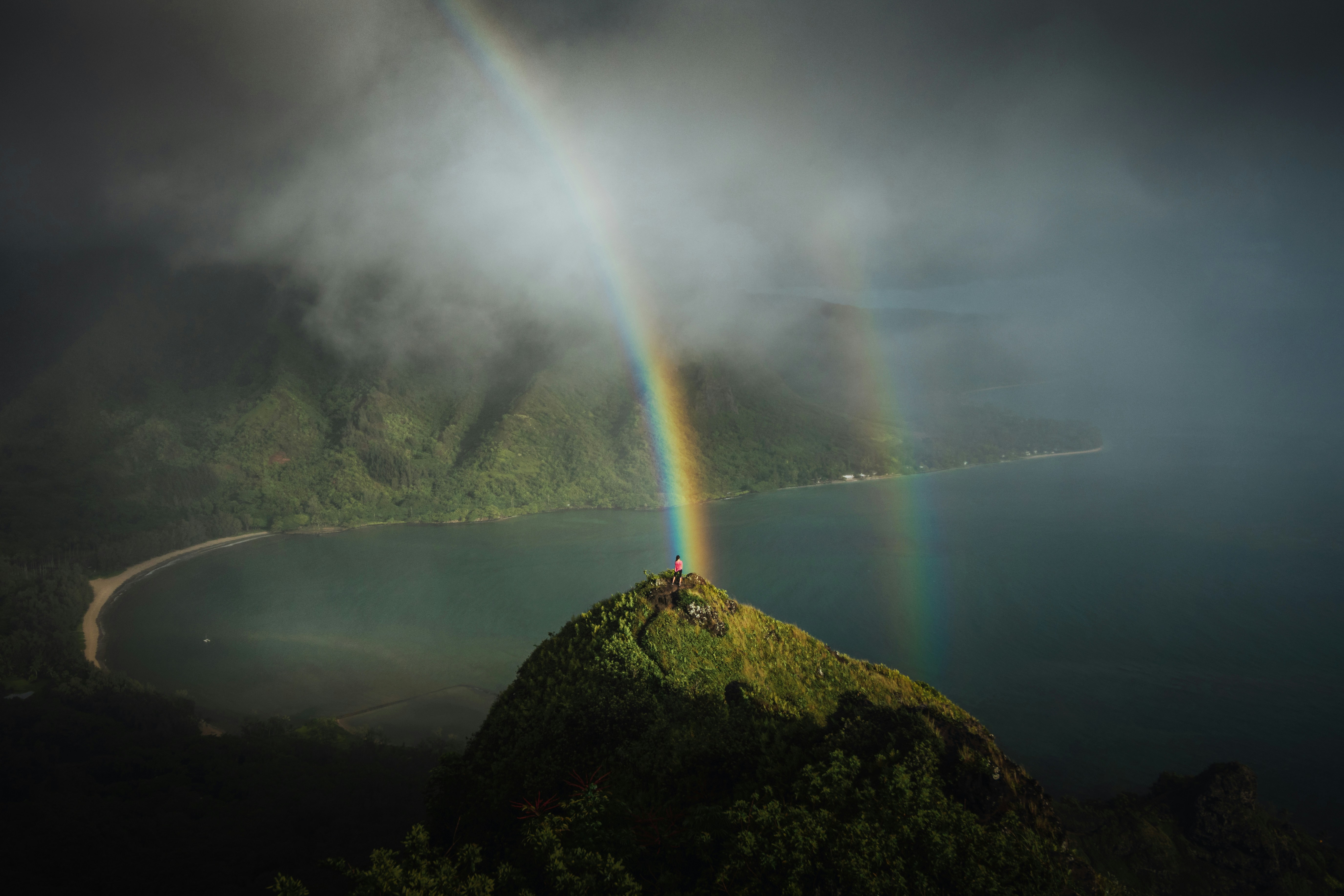
The title of Rainbow Capital of the World was given by University of Hawaii atmospheric sciences professor Steven Businger, not a tourism board. He noted Hawaii's frequent rainbows, attributed to small showers and abundant blue sky, which allow sunlight to illuminate raindrops. Hawaii is officially the Rainbow State, a title based on scientific findings. Research from the University of Hawaii revealed that clean air, lush valleys with moisture, and daytime heating create ideal rainbow conditions. These factors coexist consistently in Hawaii, a rarity on Earth.
The Science: Why Does Hawaii Get So Many Rainbows?
Understanding Hawaii's rainbows reveals their magic. Pacific air currents gather moisture, lifted by Mauna Loa, Haleakala, and Waialeale, forming clouds. Raindrops act as prisms, splitting sunlight. University of Hawaii Professor Steven Businger notes that at night, a warm sea heats the atmosphere, while cloud tops cool, causing deeper morning showers and early rainbows. Hawaii's tropical climate, with a rainy season from November to March, and localised weather patterns, where it may rain in one spot but be sunny nearby, contribute to frequent rainbows. Clean air allows vivid arcs, unlike cities like Delhi, where particulates make them rare.
The Cultural Meaning: More Than Just Weather
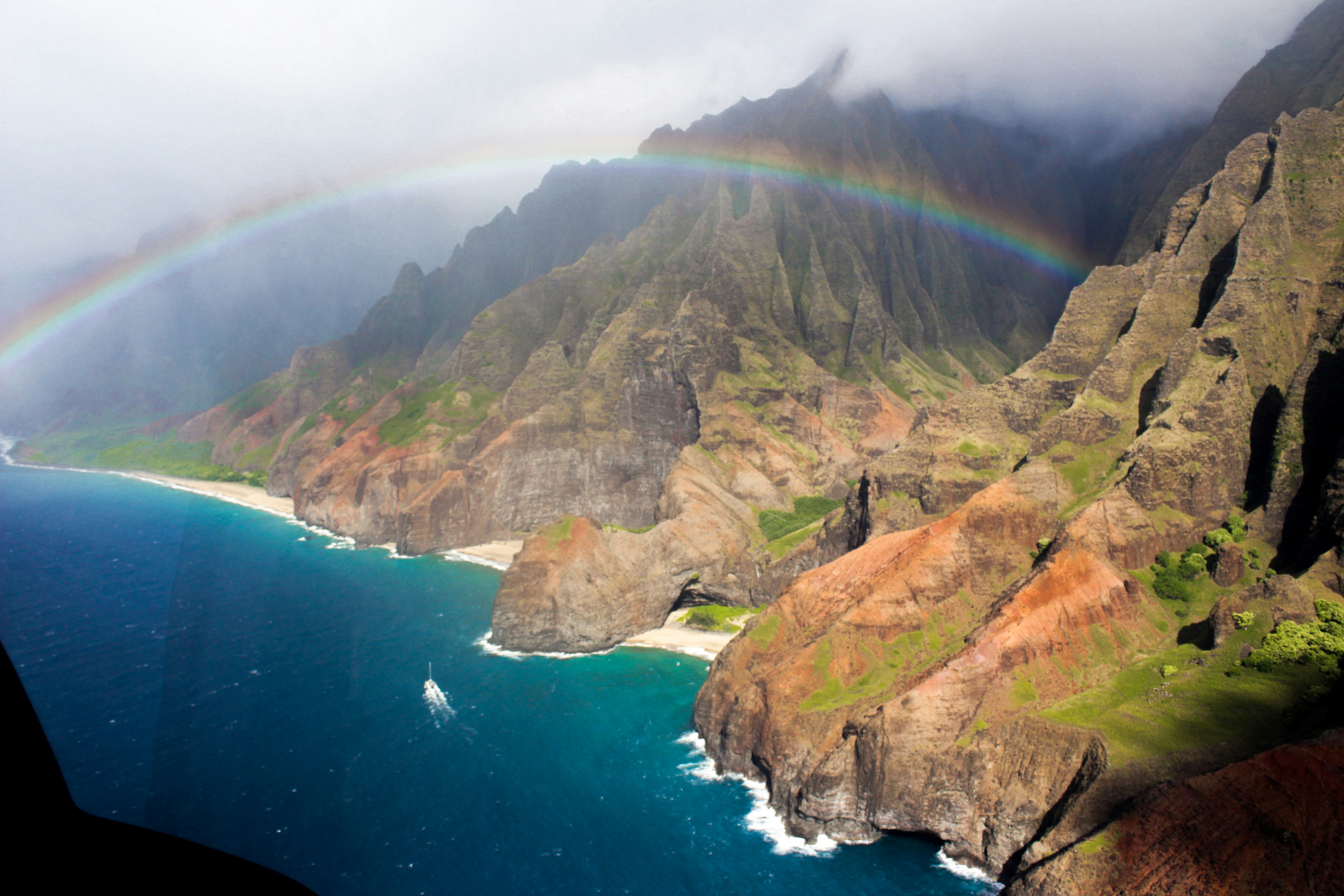
For Hawaiians, rainbows are deeply embedded in their culture, language, and spirituality. The Hawaiian language features numerous terms for different rainbow types, such as uakoko (earth-clinging), kāhili (standing shafts), punakea (barely visible), and ānuenue kau pō (moonbows). In mythology, rainbows symbolise transformation and serve as pathways between Earth and Heaven, linked to the goddess Aneune, a messenger between humans and gods. For Indian travellers, this spiritual significance resonates with Hindu tradition, where rainbows are associated with Indra, the god of rain and thunder, and seen as a divine bow, creating a personal connection.
The RainbowChase App: Yes, There Is an App for This
Only in Hawaii would a smartphone app be created to find rainbows, and only by a university professor. Paul Cynn, inspired by a double rainbow on the H-1 Freeway, teamed up with University of Hawaii Professor Steven Businger to develop RainbowChase. This app predicts rainbow locations based on real-time data, forecasting rain frequency and cloud patterns. Users can share rainbow photos and other optics, helping fellow chasers. Future updates will include cloud cover and a sunset predictor. Currently, it works on Hawaii, Oahu, Maui, Kauai, and the western U.S. For Indian tourists, downloading RainbowChase is a practical tip. It's free and enhances your island experience.
Where to See the Best Rainbows in Hawaii
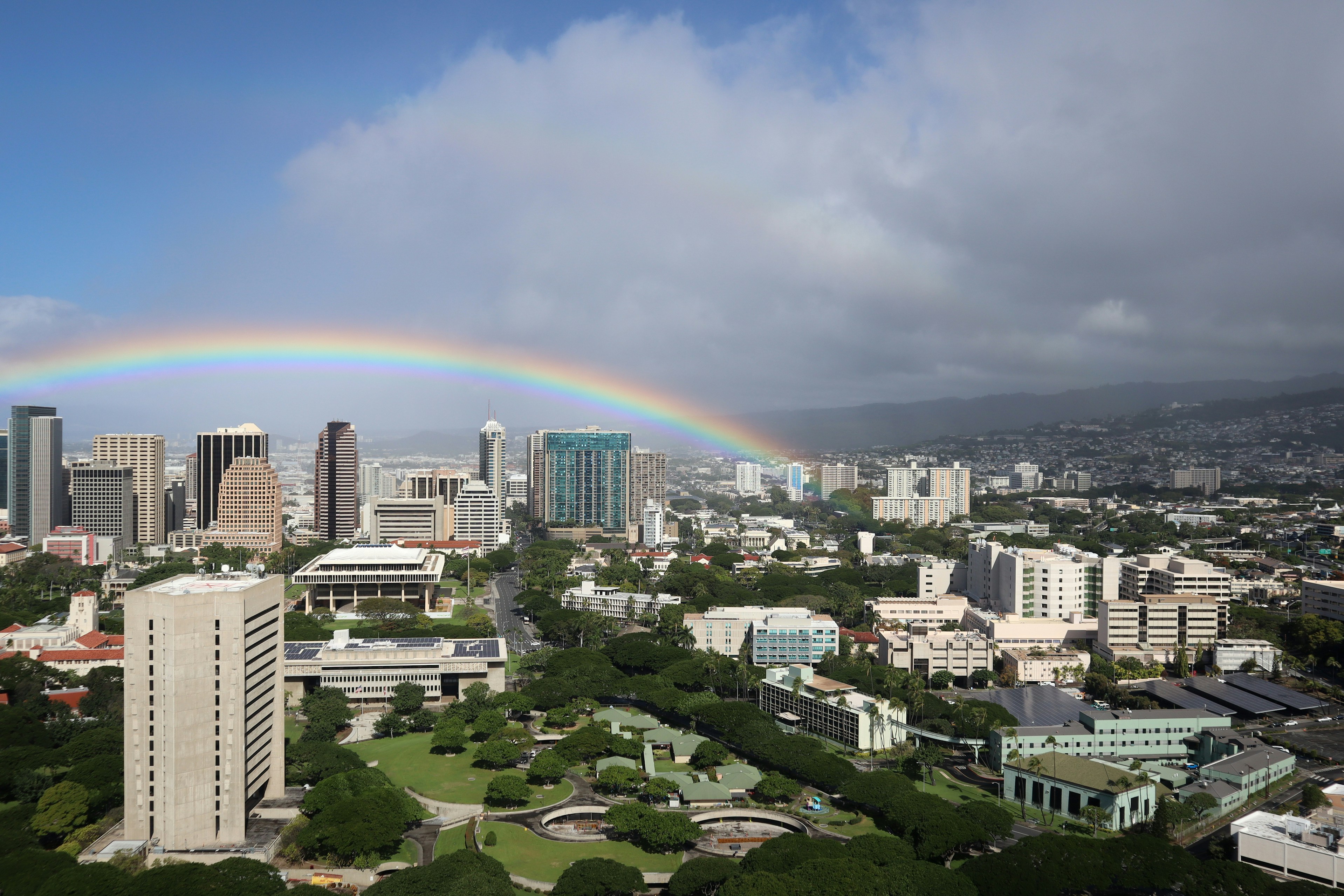
The honest answer is: almost anywhere. But some spots are more reliable and more spectacular than others.
Manoa Valley, Oahu, is consistently cited as one of the best rainbow-viewing locations in all of Hawaii. The valley channels moisture from the mountains and funnels it into a natural amphitheatre that catches light beautifully. The long vantage points and flat horizon over the water make it easy to see rainbows all over the island, with valleys and mountainsides leading down to the ocean providing perfect viewing angles. Late afternoons over Manoa Valley in particular are legendary among locals.
Wailuku River State Park on the Big Island is home to Rainbow Falls, a 24-metre waterfall that generates its own rainbows from the mist it produces. This is one of those rare spots where you don't need rain at all; the waterfall does the work. Go in the morning when the sun is positioned just right, and you will see the rainbow in the mist rising off the falls.
Kauai earns its reputation as the rainiest of the Hawaiian islands, and more rain means more rainbows. Kauai is known for the multitude of rainbows present because it has more rain than the other islands. Spots like Haiku, Hilo, Molokai, North Shore of Oahu, Hanalei, Paia, and Hana tend to get a lot of rain and are excellent rainbow-chasing locations.
Haleakala Crater on Maui offers one of the most extraordinary rainbow experiences on earth. Watching a rainbow from inside a volcanic crater, with the arc of colour below you and the sky above, is something that photographs cannot fully capture. Sunrise at Haleakala (which requires a permit and an early start) is when the conditions are most often perfect.
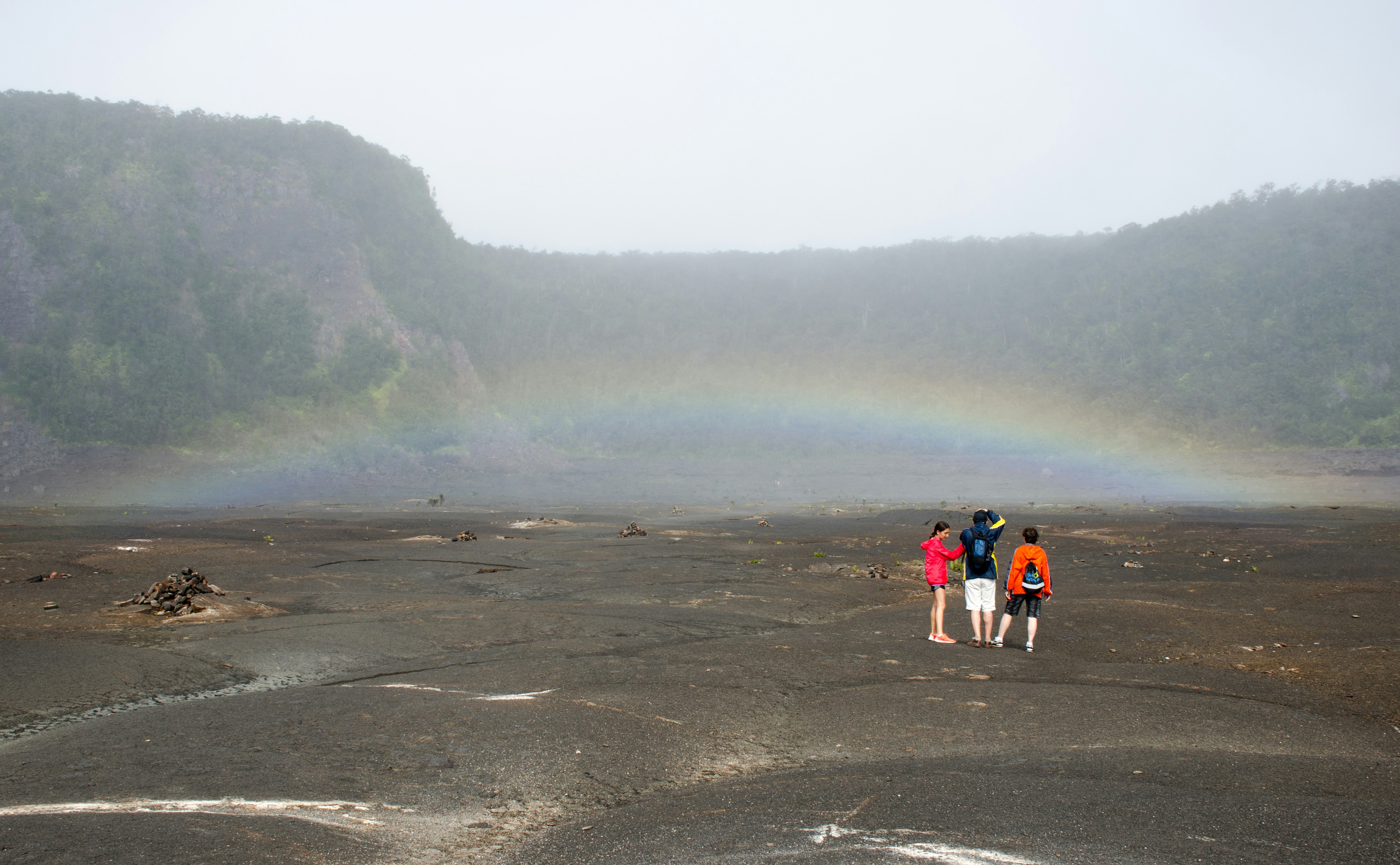
Hawaii Volcanoes National Park on the Big Island combines volcanic steam, ocean air, and frequent rain showers into a landscape that produces some of the most dramatic rainbows you will ever see. A high vantage point is invaluable in rainbow viewing, and whether you are on the east side in the morning or the west in the evening, the elevation makes a significant difference.
What Else to Do in Hawaii: A Quick Travel Guide for Indian Visitors
Hawaii is genuinely unlike any other destination in the world, and the rainbow-chasing is only the beginning.
Getting there: There are no direct flights from India to Hawaii, so most Indian travellers connect through Tokyo, Seoul, or a US hub city like Los Angeles or San Francisco. The journey is long but worthwhile. Ensure your US visa is valid well before departure.
Which Island To Choose: Oahu, with Honolulu and Waikiki Beach, is ideal for first-timers. The Big Island offers diverse landscapes, including rainforests and volcanoes. Kauai and the Big Island suit adventurous travellers with dramatic scenery. Oahu's urban charm and Iolani Palace add historical appeal, while Waikiki boasts luxury shops and dining.
Best time to visit: Hawaii is genuinely beautiful year-round, but for maximum rainbow opportunities, the rainy season from November to March is your best bet. The summer months (June to August) are drier, busier, and more expensive. The shoulder months of April, May, September, and October offer a reasonable balance.
Food note for Indian visitors: Hawaii has a sizeable Indian and South Asian community, and vegetarian options are reasonably available, particularly in Honolulu. Hawaiian cuisine leans heavily on seafood and local produce, and the island's poke bowls have developed something of a global cult following.
The Moonbow: Hawaii's Most Magical Secret
Most people know about rainbows. Far fewer know about moonbows. Oahu has had local Hawaiians and tourists praising events such as lunar rainbows, rainbows during the nighttime with moonlight instead of sunlight splitting the light, and multiple rainbows being cast at one time. Moonbows are most visible during the full moon at Waimea Falls on Oahu. Seeing a rainbow by moonlight, a pale, ghostly arc of colour against a dark sky, is one of the most quietly astonishing things you can witness anywhere in the world.
The Rainbow Capital
Hawaii is the Rainbow Capital of the World, thanks to its geography, science, culture, and frequent rainbows. “Oahu is definitely a rainbow capital of the world,” says Professor Businger. The mountainous terrain boosts rainfall, often followed by clear skies, making it ideal for spotting rainbows. For Indian travellers accustomed to rare rainbows, seeing one before breakfast in Hawaii is a delightful surprise. Download the RainbowChase app, find a scenic valley, and let the islands work their magic. Hawaii has earned its legendary status, and you'll understand why the moment you arrive.
Track Latest News Live on NDTV.com and get news updates from India and around the world


