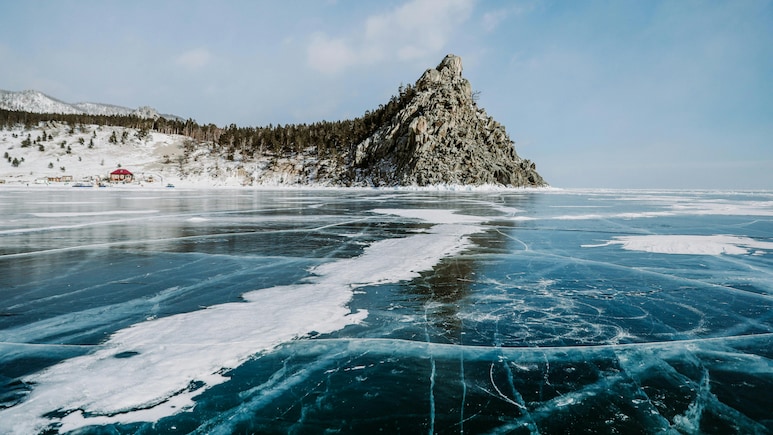
- Lake Baikal reaches an astonishing depth of 1,642 metres, making it the deepest lake on Earth.
- The ancient Siberian lake holds around 20% of the world's unfrozen freshwater reserves.
- A UNESCO World Heritage Site, this lake is known for unique wildlife, crystal-clear waters and landscapes.
Lakes come in all shapes and sizes, but one stands apart for a record that has fascinated scientists and travellers alike. Surrounded by rugged mountains and forests, this ancient freshwater lake plunges deeper than any other on the planet. Beyond its remarkable depth, it is also home to thousands of unique species and contains an astonishing share of the world's unfrozen freshwater, making it one of Earth's most extraordinary natural wonders.
Also Read: 5 Vande Bharat Routes Perfect For 48-Hour Weekend Trips
Lake Baikal Is The Deepest Lake On Earth
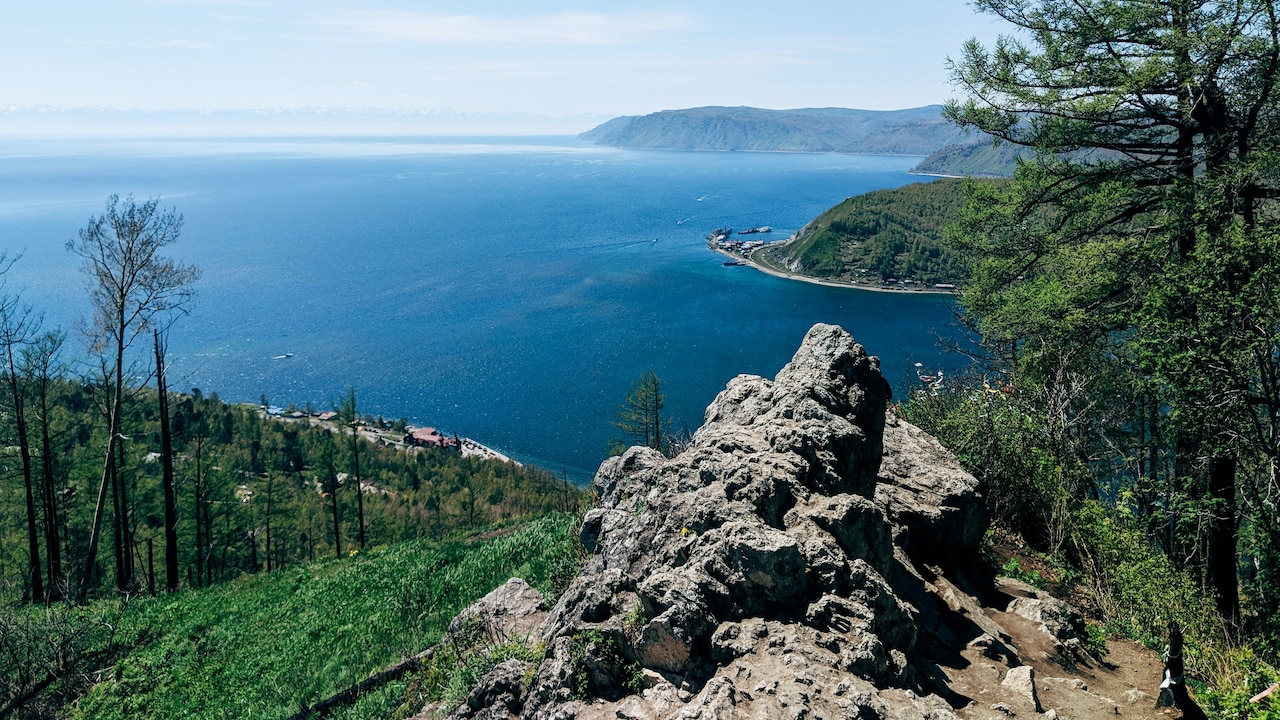
Photo: Unsplash
Located in southern Russia, Lake Baikal is the deepest lake in the world, reaching a maximum depth of 1,642 metres (5,387 feet). It is also the world's oldest freshwater lake, estimated to be around 25 million years old. Another remarkable fact is that Lake Baikal holds roughly 20% of the planet's unfrozen surface freshwater, making it one of the most significant freshwater ecosystems on Earth.
Why Is Lake Baikal So Unique?
Lake Baikal is much more than a record-breaking body of water. Its age and isolation have created an ecosystem unlike anywhere else.
Some fascinating facts include:
- More than half of its wildlife species are found nowhere else on Earth.
- It is home to the Baikal seal, the world's only exclusively freshwater seal.
- The lake stretches for over 630 kilometres.
- Its exceptionally clear water allows visibility to impressive depths in certain seasons.
These features have earned Lake Baikal global scientific importance.
A UNESCO World Heritage Site
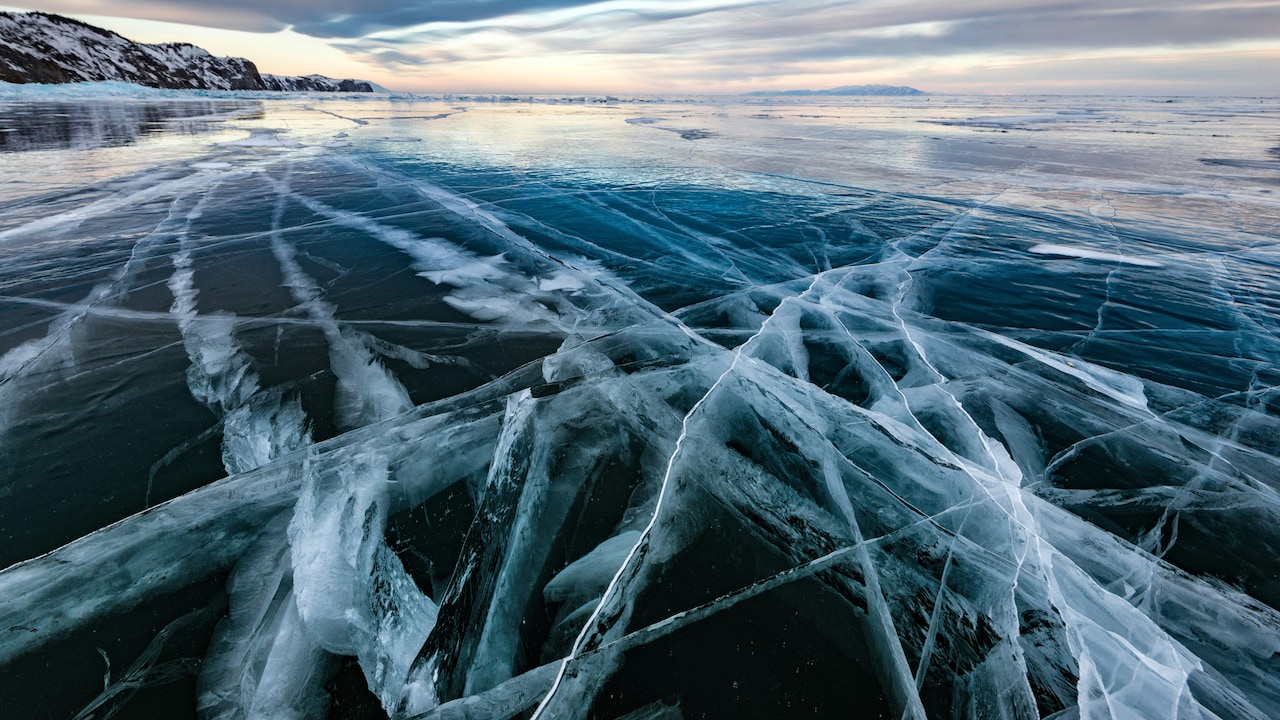
Photo: Unsplash
Lake Baikal was designated a UNESCO World Heritage Site in 1996 because of its exceptional biodiversity and geological significance.
Visitors are drawn by:
- Crystal-clear waters
- Snow-capped mountain scenery
- Diverse wildlife
- Ancient forests surrounding the lake
The destination is equally popular with nature lovers, photographers, and adventure travellers.
Things To Do Around Lake Baikal
The lake offers a variety of experiences throughout the year.
Popular activities include:
- Boat cruises during summer
- Hiking along scenic trails
- Visiting Olkhon Island
- Ice skating and snowmobiling during winter
- Wildlife and birdwatching
Each season transforms the landscape in a different way.
When Is The Best Time To Visit?
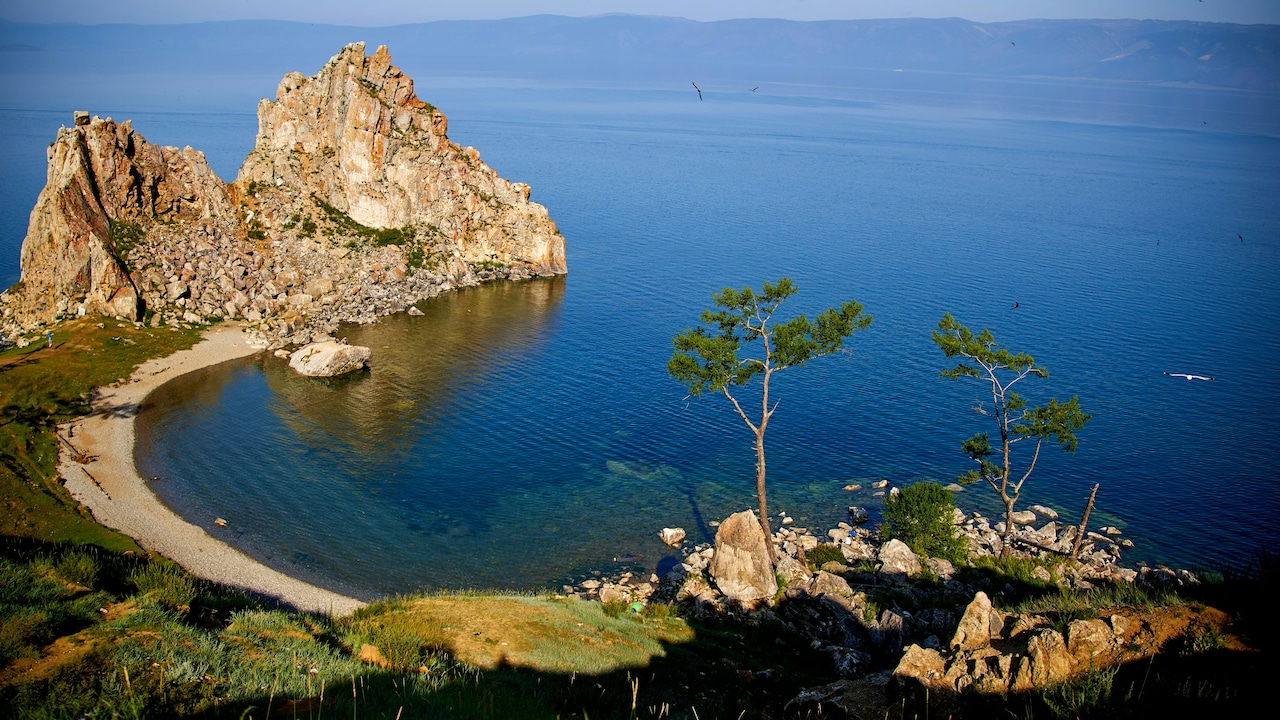
Photo: Unsplash
The ideal time depends on the kind of experience you're looking for.
- June to September: Pleasant weather for hiking, boating, and sightseeing.
- February to March: Famous for the lake's thick, transparent ice, which attracts photographers from around the world.
Both seasons offer dramatically different views of the lake.
How To Reach Lake Baikal
- By Air: The nearest major airport is in Irkutsk.
- By Train: Many travellers reach the region via the Trans-Siberian Railway.
- By Road: Local buses and taxis connect Irkutsk with towns around the lake.
Lake Baikal is far more than the deepest lake on Earth. Its immense age, extraordinary biodiversity, and breathtaking landscapes make it one of the world's most remarkable natural destinations. Whether you're fascinated by geology, wildlife, or simply spectacular scenery, Lake Baikal offers an experience unlike any other.
Track Latest News Live on NDTV.com and get news updates from India and around the world


