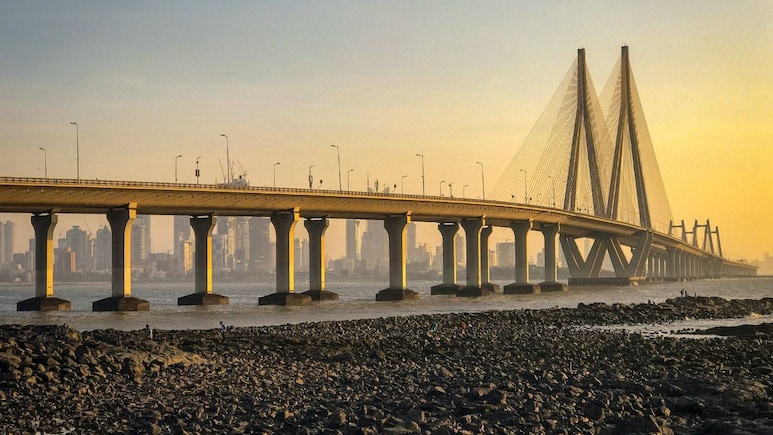
Waves touch the shore softly. The air smells of salt and feels warm. Boats rest on the water while tall buildings stand in the distance, shining in the sun. Nothing about this scene feels like seven islands, and yet, that is what it once was. Mumbai, in western India, began as a group of small islands. Not one city, but seven, where fishing villages and creeks shaped life. This is a place that changes the way we think about cities. Understanding Mumbai means looking past the busy streets and learning how land, sea and people came together to create one of India's most famous cities.
Why Mumbai Is Called The City Of Seven Islands
Before becoming one continuous landmass, Mumbai consisted of seven distinct islands: Colaba, Mazagaon, Mahim, Parel, Worli, Bombay Island, and Little Colaba (Old Woman's Island). Separated by tidal flats and creeks, these islands were home to fishing communities and small villages. The transformation began under colonial rule, when large-scale land reclamation projects connected them into one.
Also Read: 6 Short Trips Near Mumbai That Need Almost No Planning
How Mumbai's Seven Islands Became One
The merging of the islands was a feat of engineering and persistence:
- Portuguese Era: The islands were sparsely populated fishing villages.
- British Rule: Reclamation projects started in the 18th century.
- Hornby Vellard Project (1784): Closed the Worli creek, reducing flooding.
- 19th Century: Continuous reclamation created the Bombay we know today.
This process turned marshy land into a thriving port city, laying the foundation for Mumbai's rise as a global hub.
5 Must-Do Experiences In Mumbai For First-Time Visitors
1. Walk Along Marine Drive
Known as the Queen's Necklace, this sweeping promenade curves along the Arabian Sea and sparkles with lights after sunset. It's the perfect spot for a leisurely stroll, with the sea breeze and panoramic views offering a moment of calm amid the city's bustle.
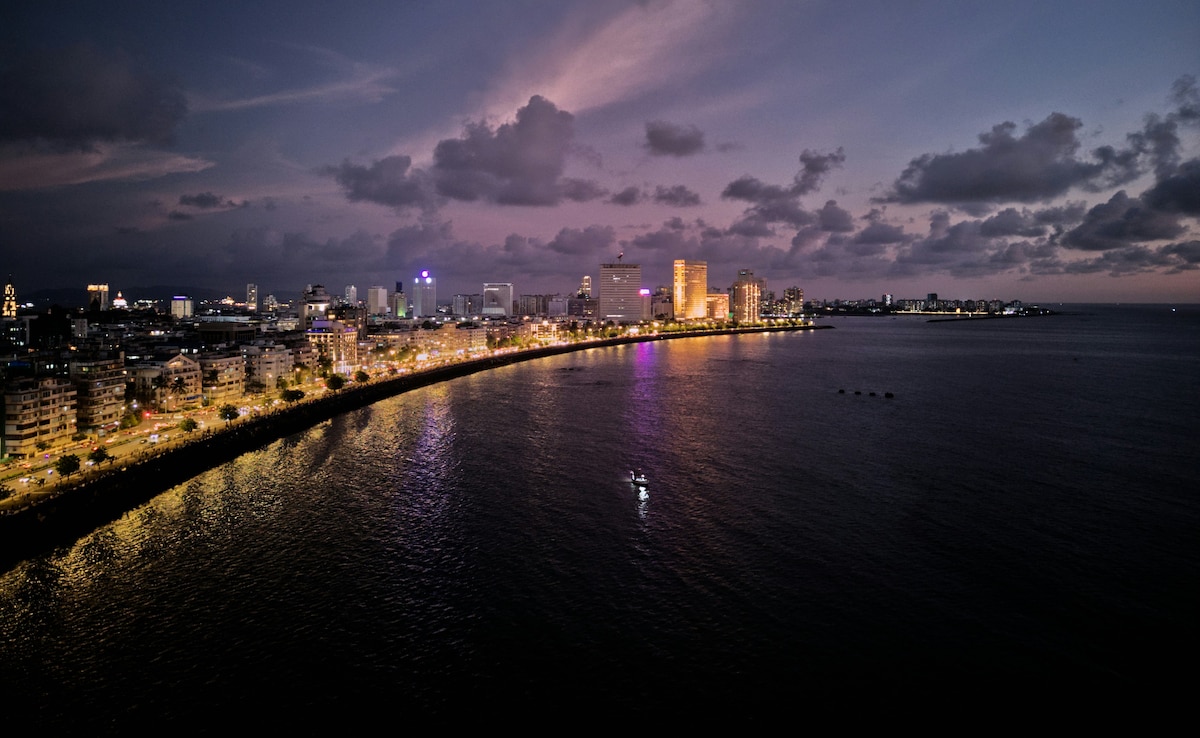
Photo Credit: Unsplash
2. Explore Colaba Causeway
This lively street is a treasure trove for shoppers and food lovers alike. From quirky souvenirs and jewellery to iconic cafes serving strong coffee and hearty meals, Colaba captures the vibrant spirit of Mumbai in every corner.
3. Visit Gateway Of India
Standing proudly by the waterfront, this grand archway is steeped in history and offers stunning views of the harbour. It's a favourite starting point for exploring the city and a great place to soak in Mumbai's colonial past.
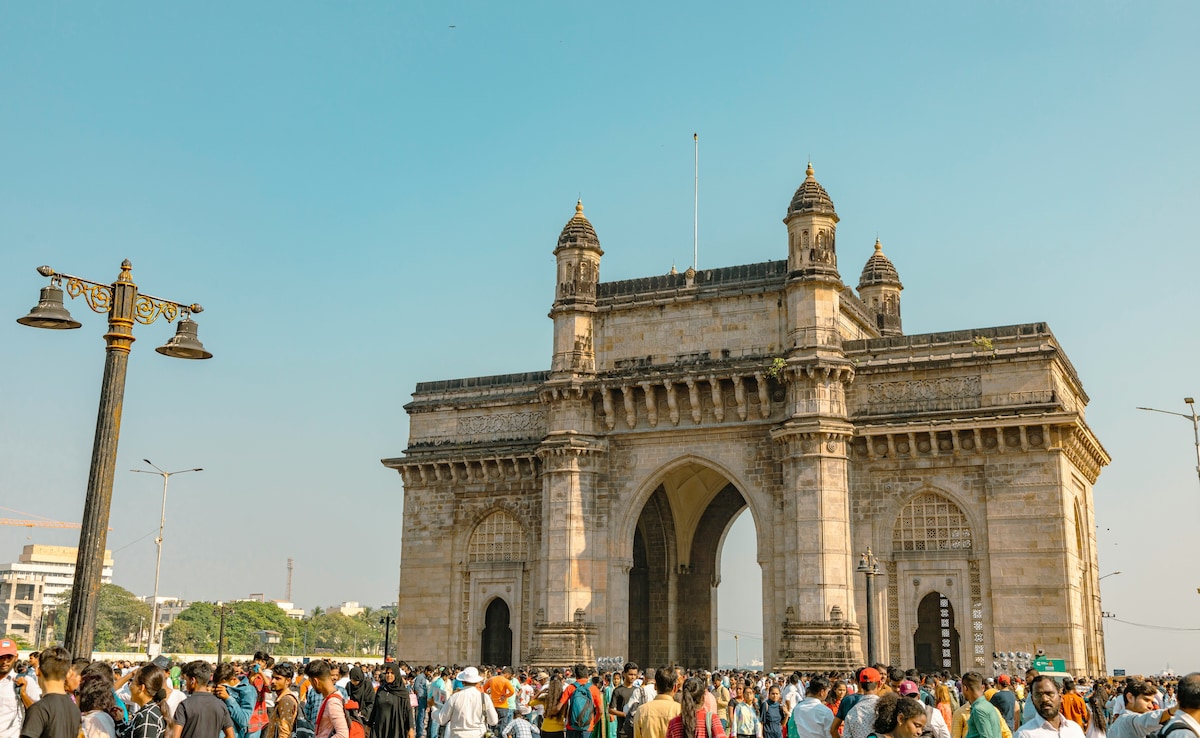
Photo Credit: Unsplash
4. Take A Ferry To Elephanta Caves
A short boat ride from the city transports you to an island with ancient rock-cut temples dedicated to Lord Shiva. The caves are a UNESCO World Heritage Site and provide a fascinating glimpse into India's artistic and spiritual heritage.
5. Experience Chowpatty Beach
Famous for its street food and lively atmosphere, Chowpatty is where locals and visitors gather to enjoy bhel puri, pav bhaji and sunsets that paint the sky in shades of gold. It's Mumbai at its most relaxed and colourful.
Also Read: 5 Budget Weekend Getaways Near Mumbai Under Rs 5,000 - Perfect For A Quick Escape
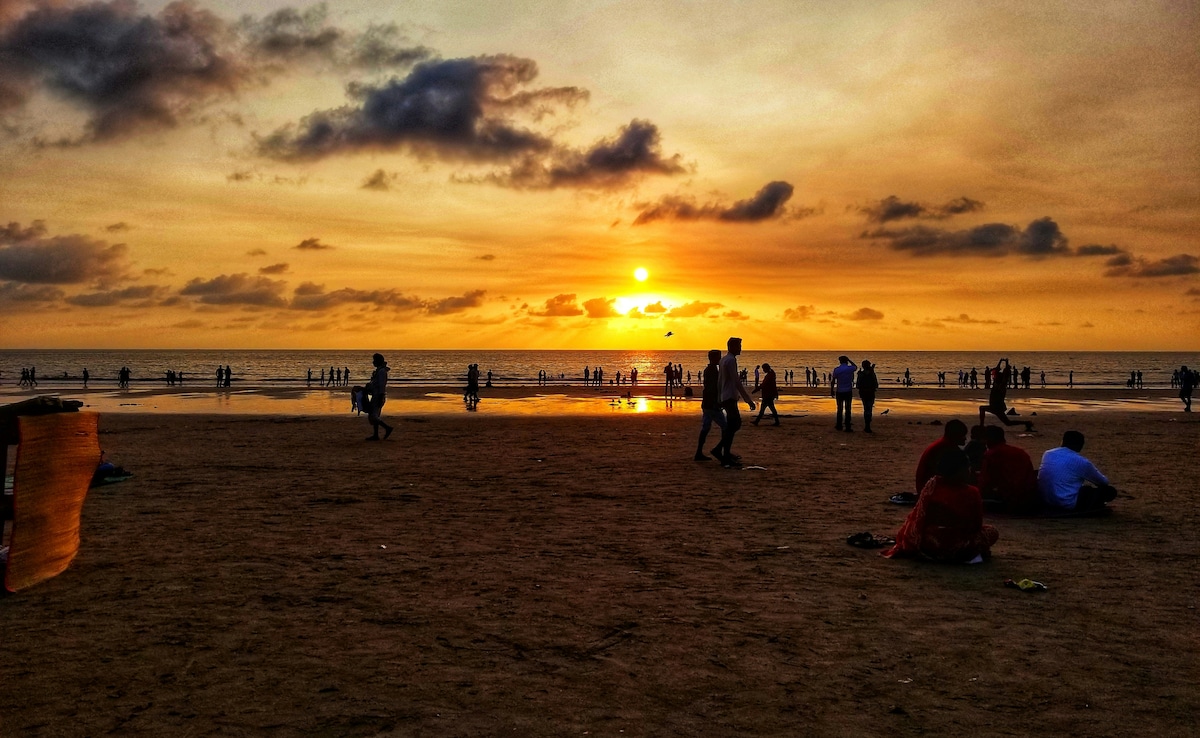
Photo Credit: Unsplash
What Is The Best Time To Visit Mumbai?
The best time to visit Mumbai is during the winter months, from November to February, when the weather is pleasantly cool and ideal for sightseeing. This period is perfect for exploring the city's landmarks, beaches and vibrant street markets without the discomfort of heat or humidity.
It's advisable to avoid the monsoon season, which lasts from June to September, as heavy rains often cause flooding. Summers, from March to May, can be hot and humid, so winter remains the most recommended time for a memorable Mumbai experience.
The City of Seven Islands is now one, yet its story continues to fascinate travellers from around the world.
Track Latest News Live on NDTV.com and get news updates from India and around the world


