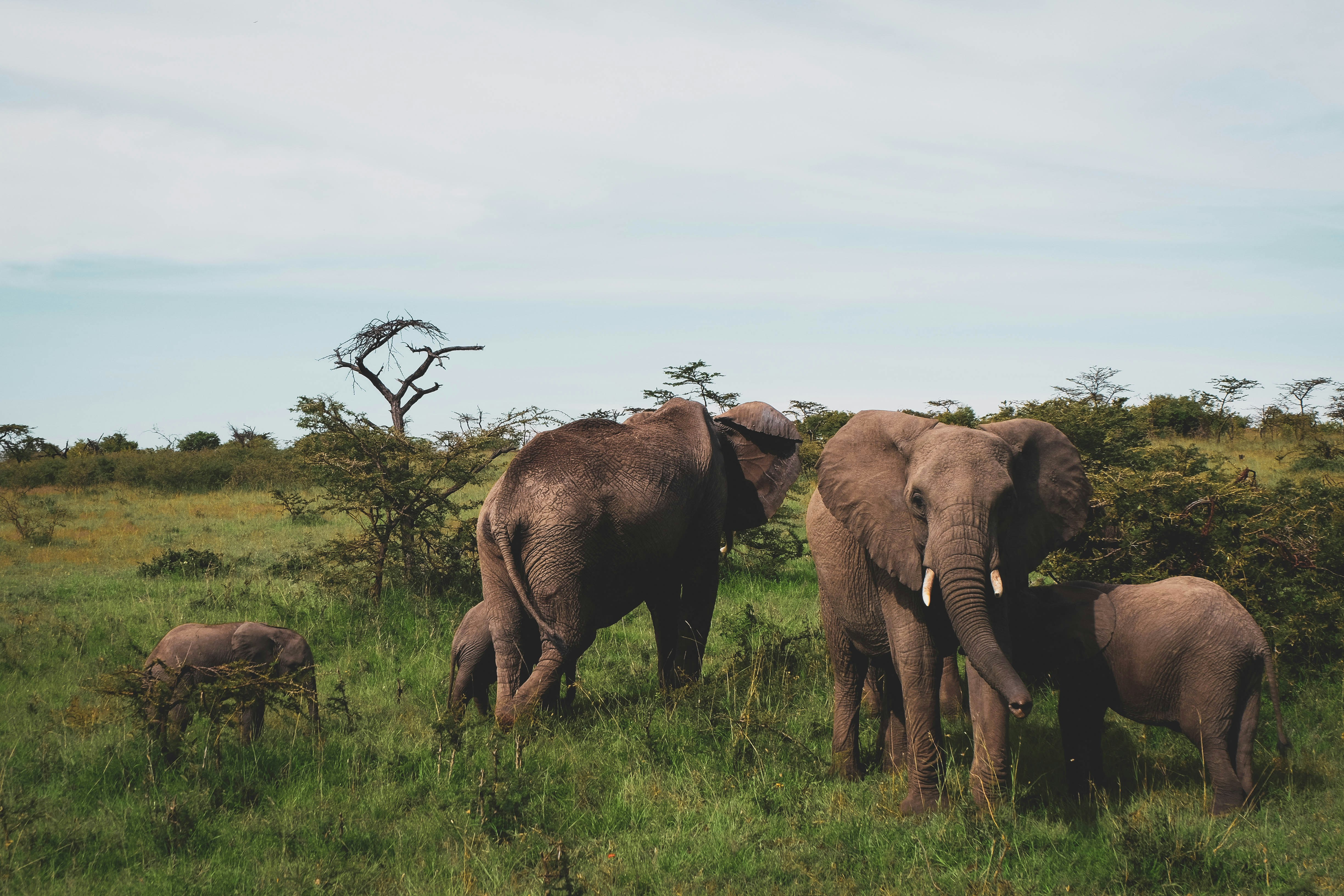
India is home to the largest population of Asian elephants in the world, and if you have ever watched one move through a forest, you know there is nothing quite like it. There is a calm authority to them, a quiet intelligence that is hard to put into words. Across the country, dedicated elephant reserves, camps and sanctuaries protect these gentle giants from poaching, habitat loss and the increasing conflict that comes from humans encroaching on forest land. Here are ten of the most popular and important ones to know and to visit.
Also Read: Which Hill Station Is Called The 'Italy Of India'
Here Are 10 Of The Most Popular Elephant Reserves In India
1. Singhbhum Elephant Reserve, Jharkhand: India's First
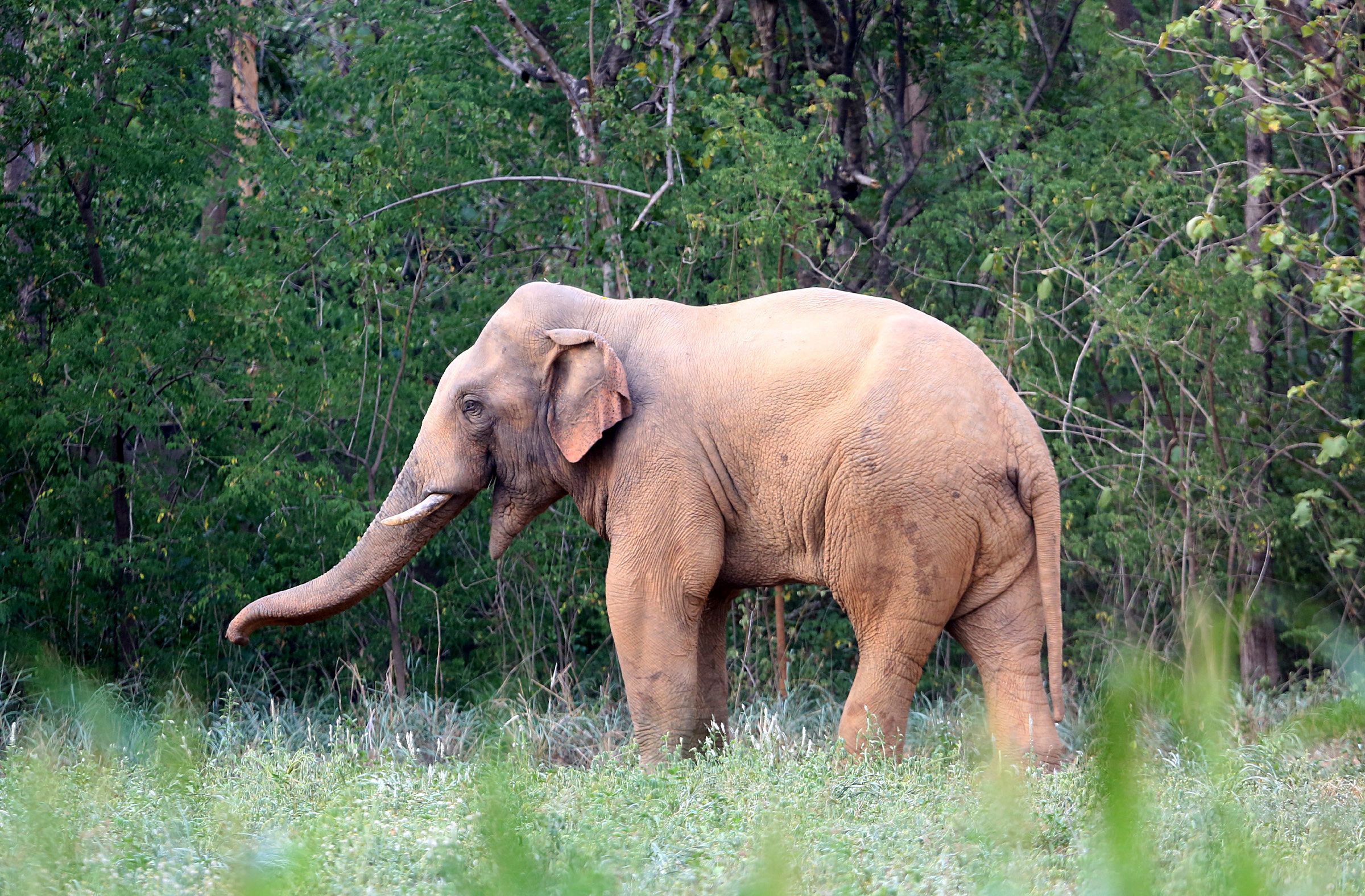
This holds a special place in Indian conservation history. Established in 2001, the Singhbhum Elephant Reserve was the very first of its kind in the country, set up across the East and West Singhbhum and Saraikela-Kharsawan districts. The reserve is massive, encompassing the entire Dalma Wildlife Sanctuary within its boundaries and spreading across densely forested terrain.
What makes Singhbhum particularly worth visiting is that it feels genuinely wild. You can watch elephants ambling through thick woodland going about their daily routine, completely unhurried and unconcerned. Beyond elephants, the reserve also shelters sloth bears, barking deer and a range of reptiles. On very rare occasions, tigers have been spotted here, venturing over from the nearby Palamau Tiger Reserve. Entry costs just Rs 5 per person. Forest guest houses are available but need to be booked in advance through the forest department. The best time to visit is between September and February.
2. Mayurbhanj Elephant Reserve, Odisha: Where the Landscape Competes With the Wildlife
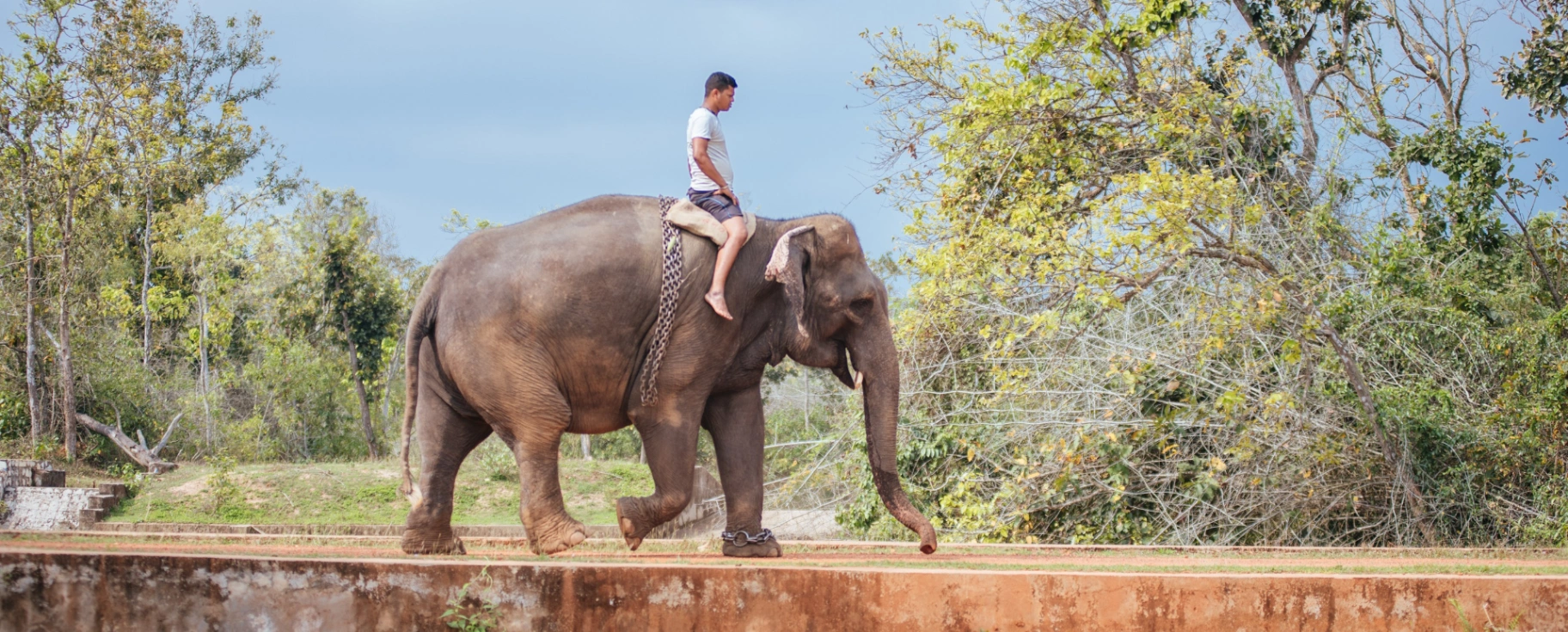
Officially known as the Similipal-Kuldiha-Hadgarh Elephant Reserve, this sprawling reserve in Odisha is one of those places where you genuinely do not know what to look at first. The elephants are magnificent, but so is everything around them: glittering waterfalls, grassy woodlands, dense green forests and the occasional dancing peacock. Baby elephants are a particular delight here, and if you are patient, you can spend hours watching the herd move.
The reserve also contains the Similipal Tiger Reserve, the Hadgarh Wildlife Sanctuary and the Kuldiha Wildlife Sanctuary, so your options for wildlife watching extend well beyond elephants. A tourist cottage near the Joranda Waterfall offers a wonderful base if you want to stay within the forest itself. Entry is Rs 40 per person, cameras attract an additional charge, and the reserve is open from October to mid-June each year. The nearest airport is Bhubaneswar, with Balasore railway station around 60 km away.
3. Chirang-Ripu Elephant Reserve, Assam: The Northeast's Finest
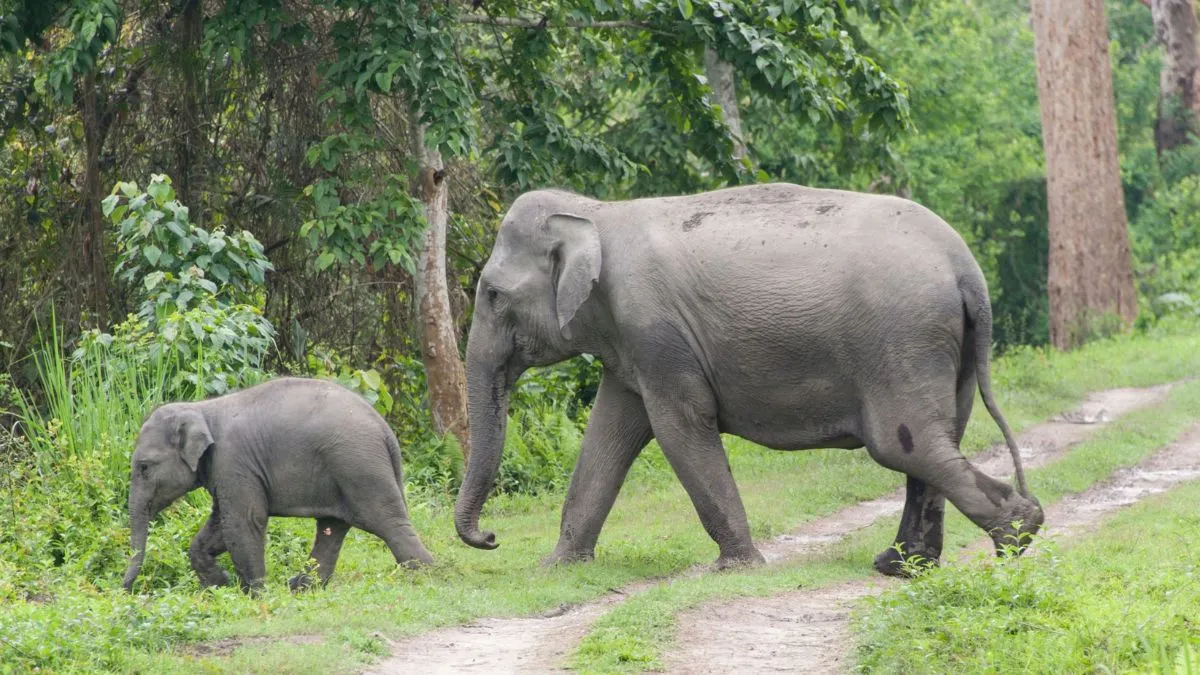
Assam has five elephant reserves in total, which tells you something about how significant this state is for elephant conservation. The Chirang-Ripu reserve, maintained by the Bodoland Territorial Council, is part of the larger Manas Biosphere Reserve and draws a significant chunk of North-East India's wild Asian elephant population. Hundreds of species of flora and fauna share this landscape, making every game drive feel like an overloaded gift box.
This is also the only place on earth that is a habitat for Pygmy Hogs, which is itself worth knowing. Within the Manas Reserve, there is a tiger park as well, and over 300 species of butterflies have been recorded in the area. Forest cottages, tents and dormitory rooms are available for accommodation. Elephant safari rides cost around Rs 800, and entry to the Manas Wildlife Sanctuary is Rs 100. Guwahati is the main gateway by air and rail, with Barpeta Road railway station being the closest station at about 22 km from Bansbari.
4. Garo Hills Elephant Reserve, Meghalaya: Where Wildlife Meets Culture
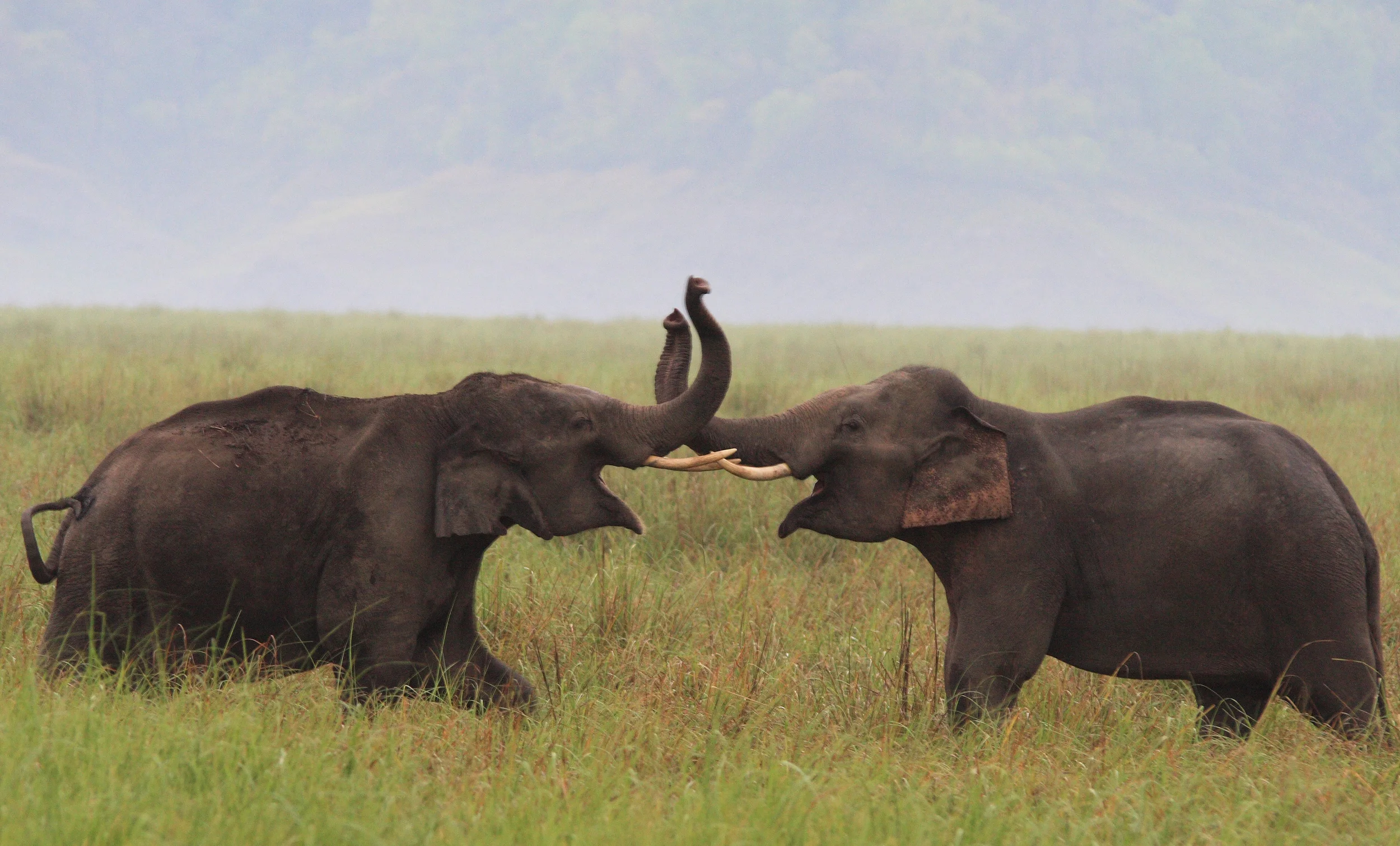
Meghalaya is honestly an underrated wildlife destination, and the Garo Hills Elephant Reserve is a big part of why it deserves more attention. The reserve is home to a sizeable elephant population, but what makes it genuinely different is the way the forest and human communities are intertwined here. Elephants and tribal communities share the landscape in pockets, some of the woodland is actually community-owned, and visitors get a glimpse not just of wildlife but of a culture that has learnt to live alongside these animals for generations.
Multiple elephant corridors run through Meghalaya's forested terrain, connecting different habitat patches. The landscapes are spectacular regardless of the season: mountain ranges, river systems, caves and waterfalls all compete for your attention. There is no entry fee to the reserve itself, and many visitors have reported spotting elephants simply crossing roads in the distance. State tourism guest houses are available. The nearest airport and railway hub is Guwahati in Assam, from where frequent buses and cabs connect to the Garo Hills.
5. Anamudi Elephant Reserve, Kerala: High Altitude and High Density
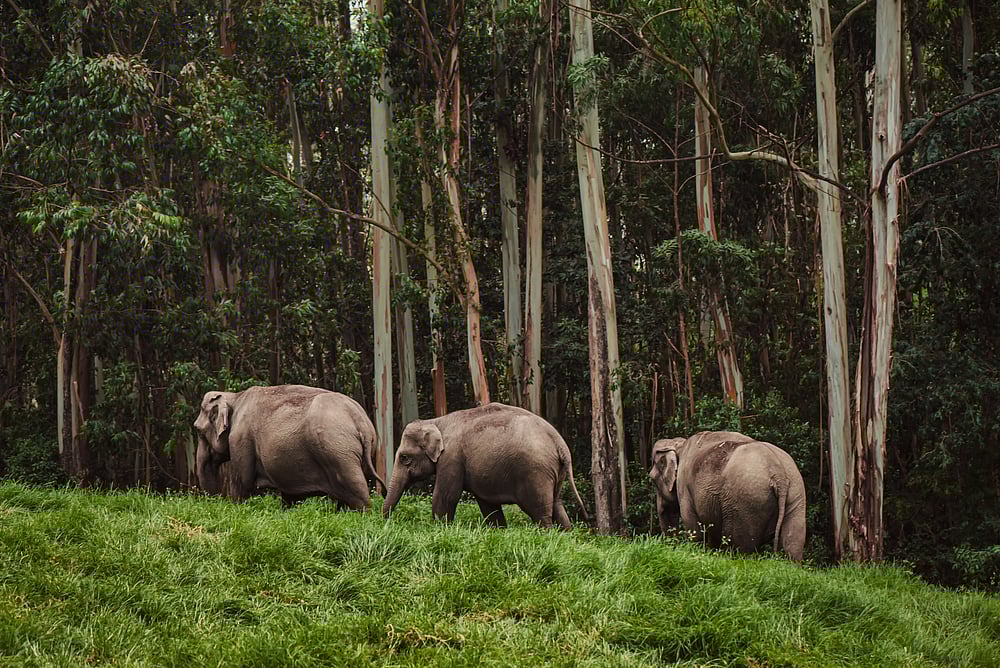
The Anamudi Elephant Reserve takes its name from Anamudi, the highest peak in South India, and the landscape reflects this grandeur. Spread across hilly forest terrain in Kerala, the reserve supports one of the densest elephant populations in the country alongside a rich variety of other wildlife: tigers, leopards, panthers, Nilgiri tahr, sambar, gaur, langurs, sloth bears and flying squirrels all share this space.
The reserve has over 275 documented species of flora, making it a botanist's dream too. Healthy herds move freely through the lush greenery, and the elevated terrain means that sightings often happen in beautiful, cinematic settings where mist rolls over the hills and the forests seem to go on forever. This one is particularly recommended for serious nature lovers who want more than just a quick elephant sighting and are happy to slow down and absorb the ecosystem properly.
6. Periyar National Park and Tiger Reserve, Kerala: The Boat Safari Classic
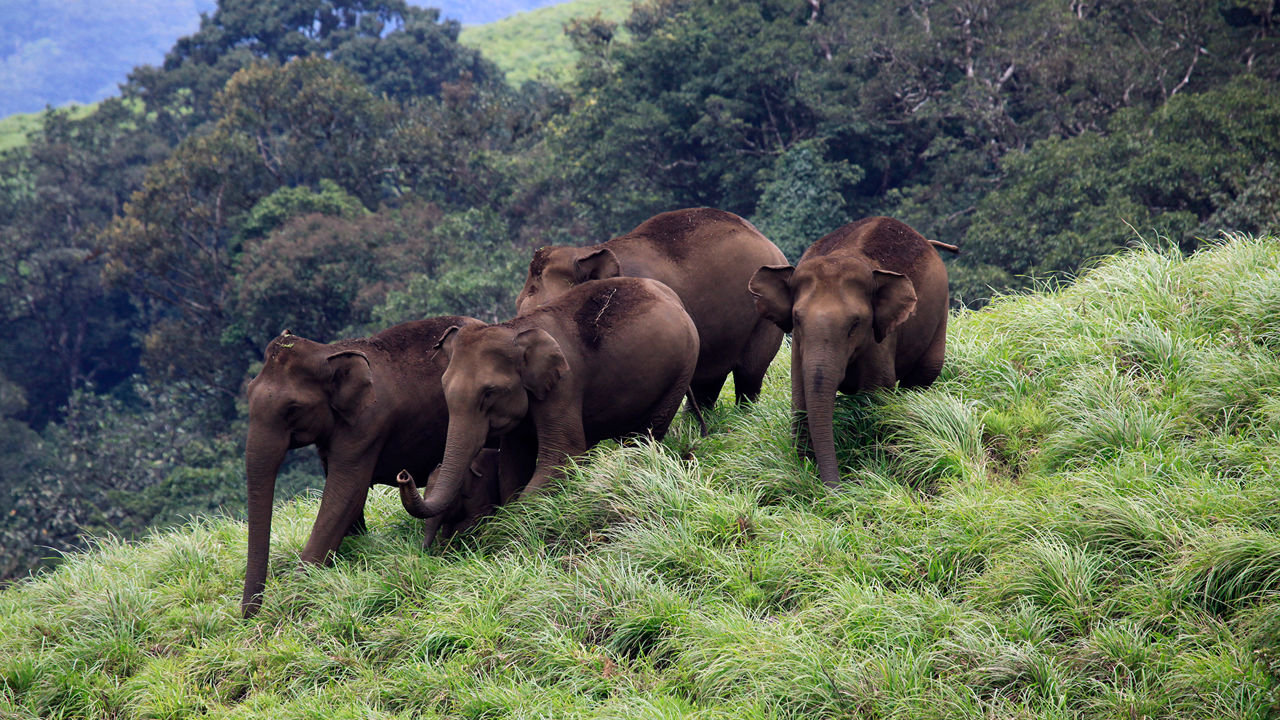
Few wildlife experiences in India are as iconic as a dawn boat safari on Periyar Lake, where you quietly drift through still water as elephants emerge from the tree line to drink. Periyar is technically a tiger reserve and national park, but elephants are arguably its biggest draw and they appear here in impressive numbers.
The Thekkady region, where the park is located, offers trekking, camping, guided bamboo rafting, and border hiking programmes run by reformed poachers turned conservation guides, which are some of the more unusual and worthwhile wildlife experiences available anywhere in the country. The forest has different vegetation zones, and the biodiversity is staggering. Accommodation ranges from forest rest houses to luxury resorts right on the lake. It is best visited between October and March. The nearest town is Thekkady, about 5 km from the park entrance.
Also Read: 7 Places In India That Are Perfect For A March Trip
7. Theppakadu Elephant Camp, Tamil Nadu: One of the Oldest in the Country
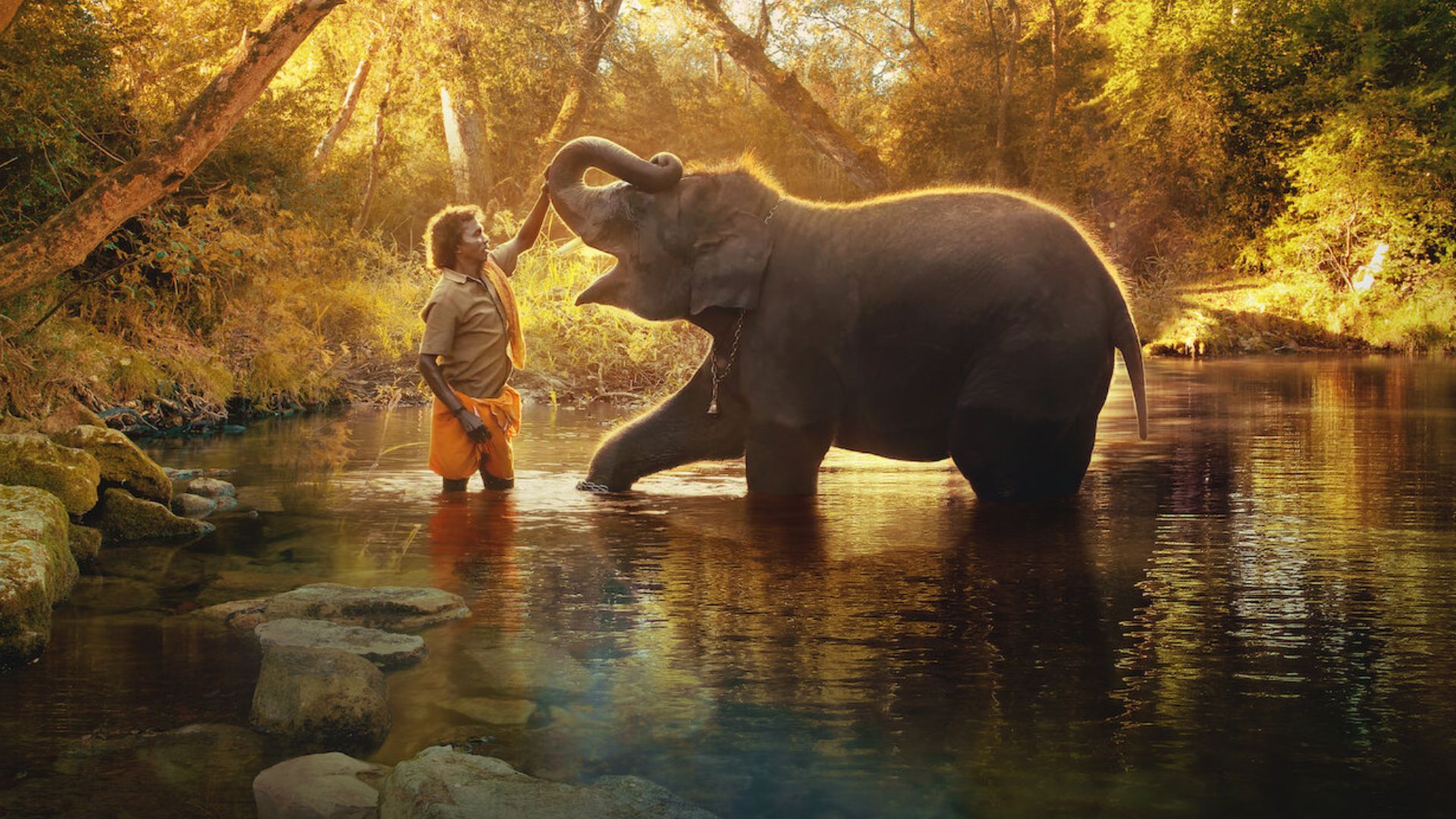
Tucked inside the Mudumalai Wildlife Sanctuary and Tiger Reserve, which is itself part of the Nilgiri Biosphere Reserve, Theppakadu Elephant Camp is one of the oldest and most visited elephant camps in India. The Nilgiri Biosphere Reserve is enormous, linking Mudumalai with the Bandipur Tiger Reserve and Wayanad Wildlife Sanctuary to create one of the largest unbroken forest habitats in the subcontinent.
The camp houses around 24 to 25 elephants used by the forest department for patrolling, rescue operations and forest management. Visitors can watch the daily morning and evening feeding sessions, learn about the elephants' eating habits and routines, and observe these animals up close in a relatively controlled setting. A 30-minute elephant safari is available for Rs 1,120 per trip. Camp entry is Rs 20 per person, and visits are restricted to morning and evening hours. The nearest airport is Coimbatore at 160 km, and the nearest railway station is Ooty.
8. Dubare Elephant Camp, Karnataka: Bathing and Bonding by the Kaveri
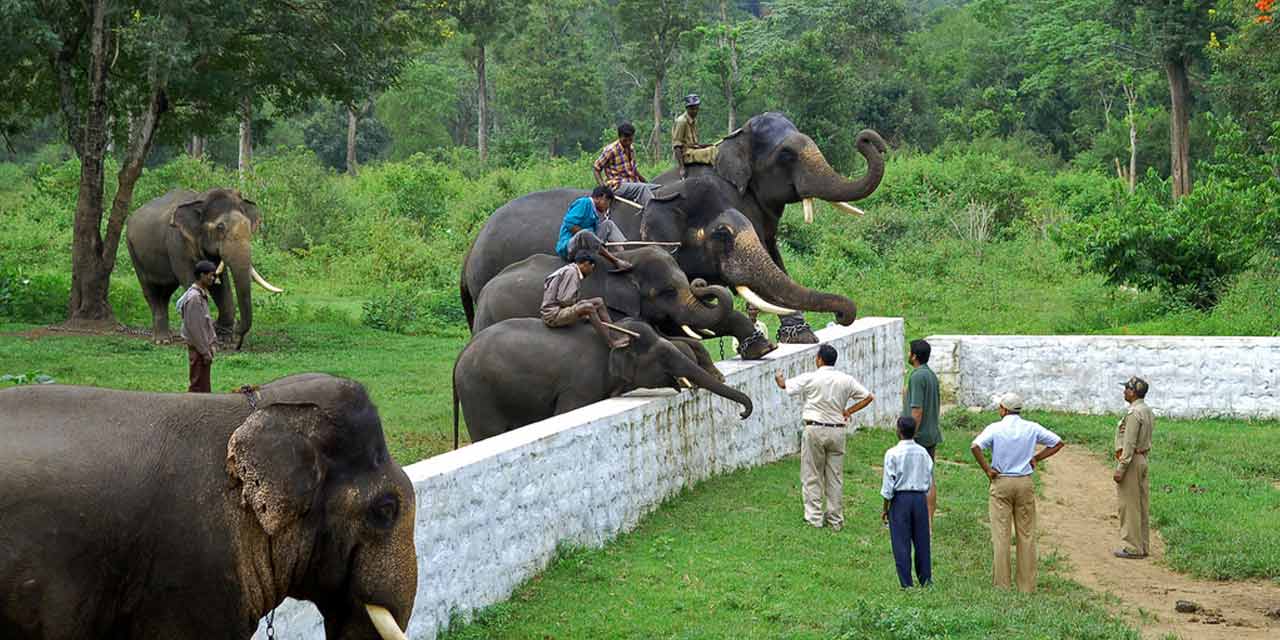
Dubare is a naturally formed delta island where the Kaveri River splits around a forested landmass near Coorg. Elephants from Karnataka's forest reserves have been coming to this river bank for generations, and the Karnataka Forest Department's base camp here has turned it into one of the most visited elephant experience destinations in the country.
The camp gives visitors a chance to watch mahouts bathe and scrub the elephants in the river early in the morning, and the interactions here feel more organic than many other tourist-facing elephant experiences. The surrounding Dubare Forest is itself worth exploring: sambhar, spotted deer, tigers, leopards, gaur, wild dogs and even crocodiles have all been spotted here. Still-water rafting on the Kaveri is another option for those who want a break. Getting to the camp involves a short boat crossing for Rs 20 per person. The nearest railway station is Mysore, and the nearest airport is Mangalore.
9. Punnathurkotta, Guruvayur, Kerala: The Elephant Fort

This one is genuinely unlike any other place on this list. Punnathurkotta (now officially renamed Anakkotta, meaning "Elephant Fort") was once the palace of a local Kerala ruler. Today, its vast grounds house around 50 to 60 elephants belonging to the famous Guruvayoor temple, making it the place with the highest concentration of captive elephants in the country.
These elephants are not just sheltered here; they are worshipped and trained to participate in the major religious festivals that happen at the Guruvayoor temple throughout the year. Festivals like Gajapooja and Anayoottu are celebrated with great reverence for the animals. The legendary Guruvayur Keshavan was once housed here. In July, elephants receive special ayurvedic treatment and dietary care. The campus also has a training school for mahouts and a temple dedicated to Lord Shiva and Bhagavathy. Entry is just Rs 10 per person. The nearest airport is Kochi, and Thrissur is the closest railway station.
10. Smiling Tusker Elephant Camp, Manas National Park, Assam: The NGO Initiative
This camp, situated within the UNESCO World Heritage Site of Manas National Park, is a project of the NGO Anajaree and has been running since 2013. It is dedicated to the conservation and ethical use of trained captive Asian elephants, offering visitors a meaningful and educational experience rather than a purely entertainment-focused one.
The camp organises elephant safaris, trans-boundary safaris into Bhutan's forests, and a range of nature-based experiences. Camping options are available with accommodation, safari and walks bundled together from around Rs 4,000. The emphasis here is on learning: guides help visitors understand elephant behaviour, habitat requirements and the challenges of living alongside these animals in a changing landscape. The nearest airport is Guwahati, and the nearest railway station is Barapeta Road in Assam.
A Note on Responsible Elephant Tourism
India has made enormous strides in elephant conservation through Project Elephant, launched in 1992, and the subsequent network of reserves that now covers huge swathes of the country. But visiting these places responsibly matters. Avoid elephant rides; they are consistently proven to be harmful to the animals. Support camps and reserves that prioritise the elephants' welfare over tourist convenience. If you see mahouts using cruel methods, report it. These animals deserve our respect every bit as much as our wonder.
Also Read: From Katra-Srinagar To Mumbai-Madgaon: Most Scenic Vande Bharat Routes To Explore In 2026
The Gentle Giants
There is something humbling about standing in a forest and realising an elephant has been watching you for longer than you watched it. These reserves are not just conservation projects; they are places where a much older relationship between India and its wildlife still breathes. Whether you are driving through the misty Nilgiris at dawn or floating across Periyar Lake at first light, the experience of watching an elephant in its rightful landscape will stay with you long after you have left. Plan the trip. It is absolutely worth it.
Track Latest News Live on NDTV.com and get news updates from India and around the world


