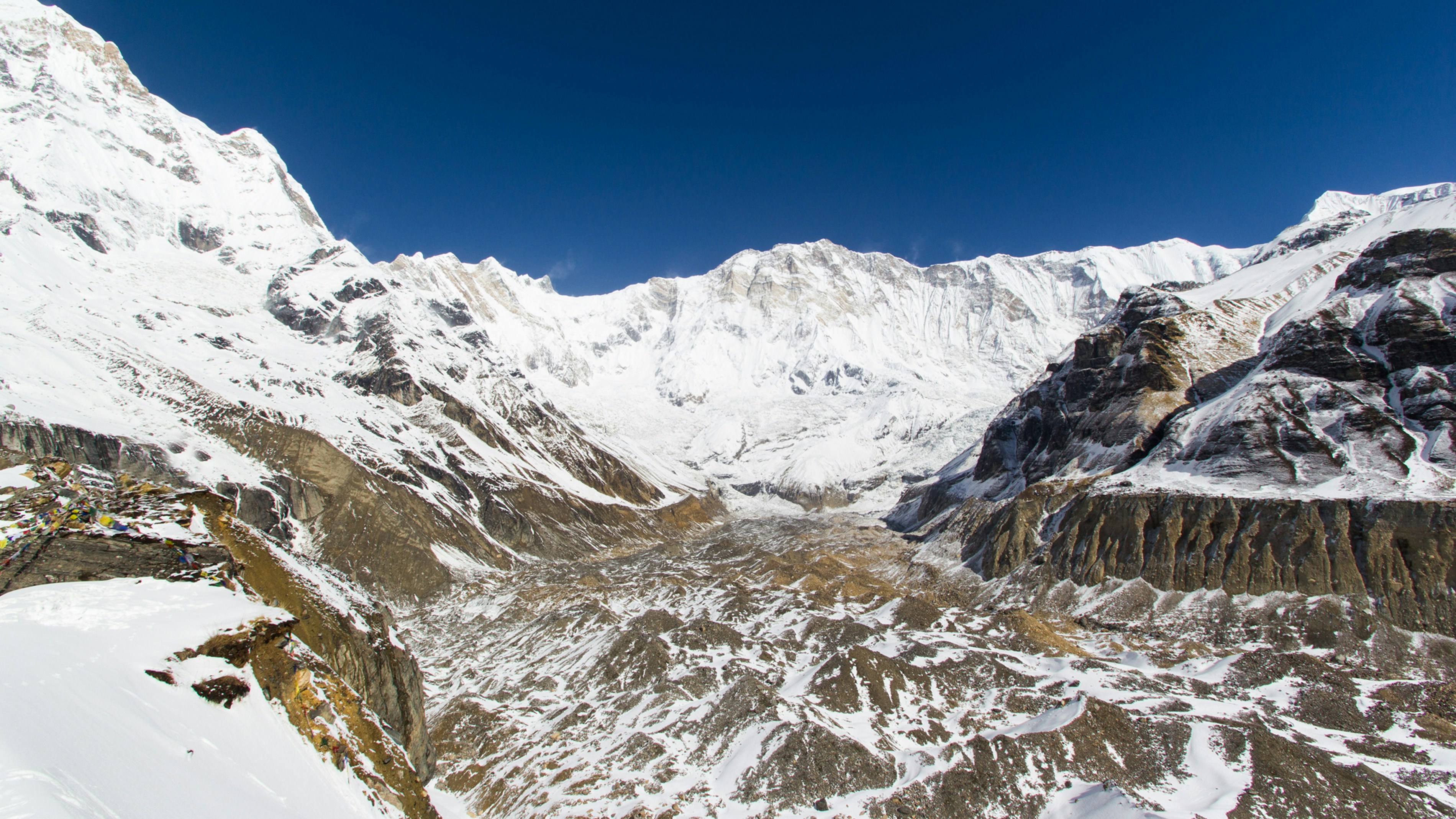
On March 23, 2026, Nepal's Department of Immigration made a long-awaited announcement: solo travellers can now apply for permits to restricted trekking areas without needing a partner. Previously, these remote Himalayan regions required at least two trekkers. Solo adventurers in Kathmandu had to wait for another solo traveller or abandon their plans. This rule blocked many treks, but it's now gone. However, you still need a licensed guide and must arrange your trek through a registered TAAN agency.
Nepal's new policy allowing solo permits for restricted areas eliminates a major hurdle for exploring its stunning regions. No more waiting in Kathmandu hostels for a trekking partner or watching vacation days slip away.
Also Read: From Caspian Sea To Lake Baikal: 10 Of The World's Largest Lakes Worth Visiting
5 Restricted Trekking Routes Solo Travellers Should Aim For:
1. Upper Mustang Trek
Duration: 10-14 days
Difficulty: Moderate
Max Altitude: 3,840 metres
Best Season: March-November
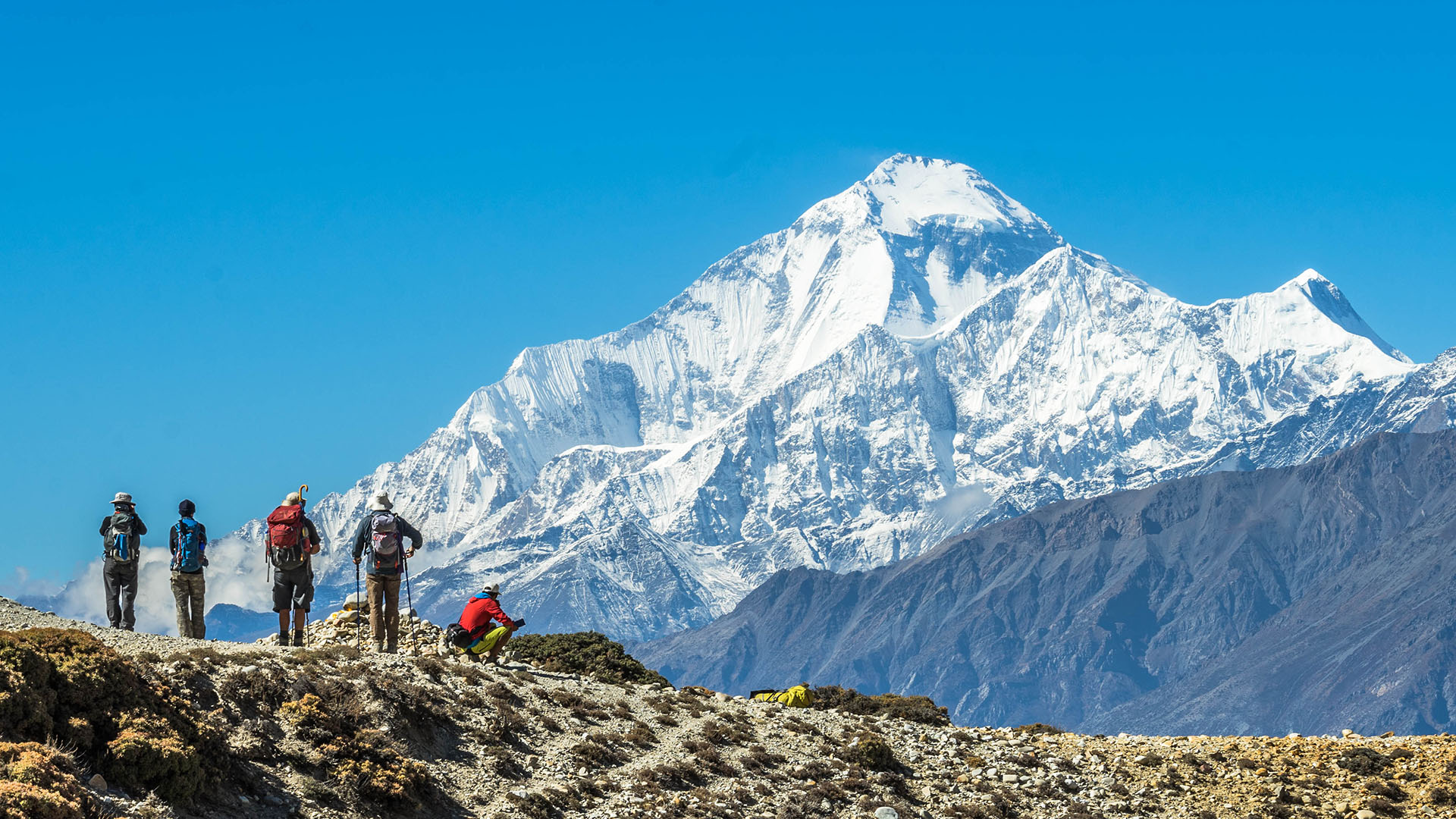
Upper Mustang feels like walking through a different country entirely. Technically part of Nepal, it was an independent kingdom until 1992 and remains culturally Tibetan. The landscape is high-altitude desert, dramatic ochre cliffs, wind-carved rock formations, and a barren beauty that photographs like Mars.
What Makes It Special: The walled capital city of Lo Manthang (founded in 1380), where Buddhist monasteries hide centuries-old murals and manuscripts. Ancient cave complexes carved into sheer cliff faces, housing thousands of caves used as meditation cells, burial chambers, and homes. Traditional Tibetan villages where daily life hasn't changed much in 500 years. The landscape itself, painted by wind and rain into shapes that don't seem possible.
The Trek: Start in Jomsom (fly from Pokhara or trek from Nayapul). Trek gradually north through Kagbeni, Chele, Samar, and Ghami before reaching Lo Manthang. Days are relatively short (4-6 hours walking), which lets you actually experience villages rather than rushing through. The altitude is manageable; you're between 3,000 and 4,000 metres most of the time.
2. Manaslu Circuit Trek
Duration: 12-14 days
Difficulty: Moderate to challenging
Max Altitude: 5,160 metres (Larkya La Pass)
Best Season: March-May, September-November
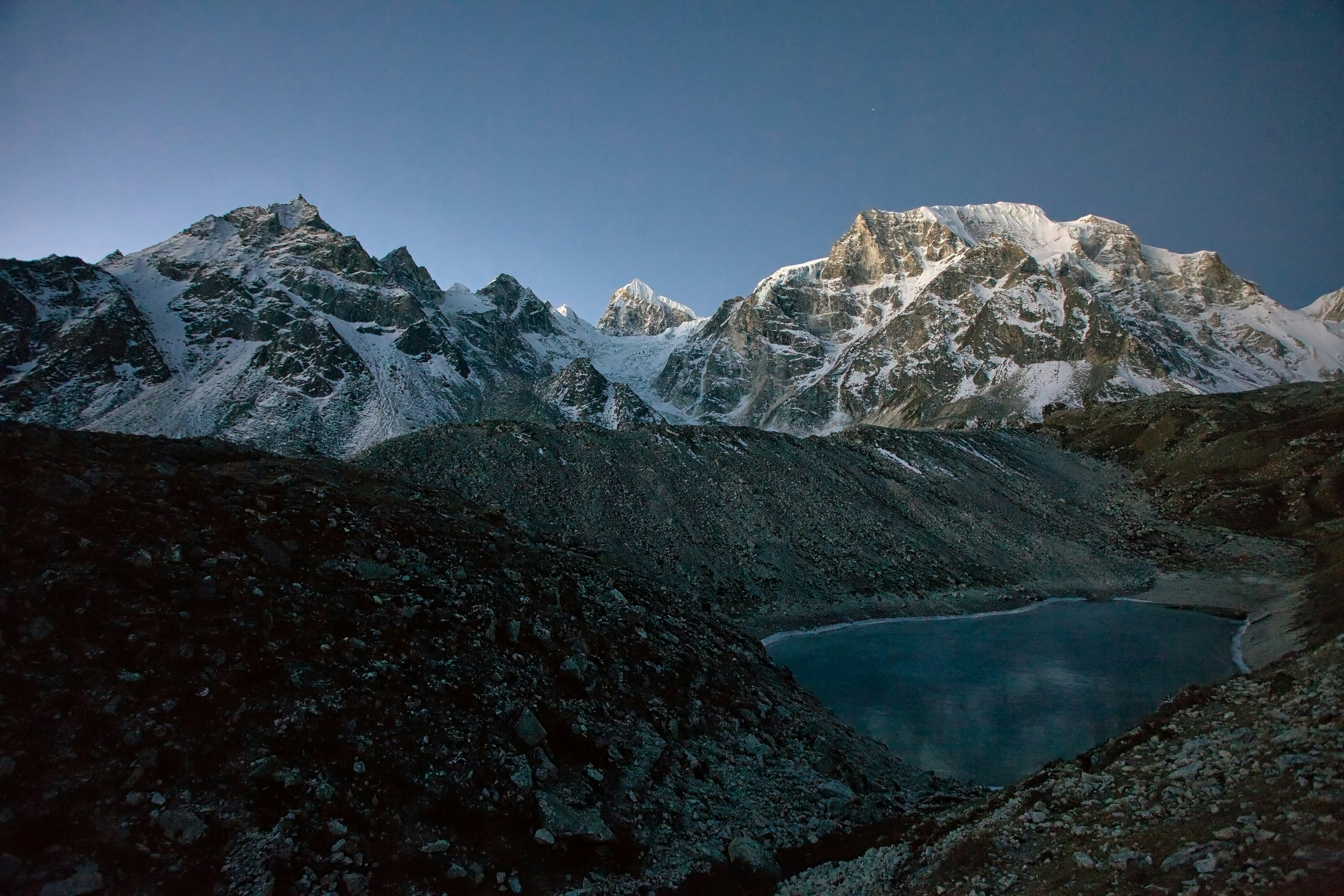
Manaslu Circuit is what the Annapurna Circuit used to be before roads ruined it. This trail circumnavigates Mount Manaslu (8,163m, world's eighth highest), passing through remote villages, subtropical forests, high alpine passes, and ending in the Annapurna region. It's less crowded, more challenging, and more rewarding than any mainstream Nepal trek.
What Makes It Special: The diversity, you start in steamy lowlands with rice terraces and banana trees, climb through rhododendron forests and traditional Gurung villages, enter Tibetan Buddhist territory with prayer flags and mani walls, cross the dramatic Larkya La pass with 360-degree Himalayan views, then descend to the Annapurna region. The entire trek feels like travelling through Nepal's greatest hits while staying off the tourist radar.
The Trek: Start in Soti Khola (7-8 hour drive from Kathmandu). Trek up the Budhi Gandaki valley through Machha Khola, Jagat, Deng, and Namrung before reaching Samagaon (3,530m) for acclimatisation. Cross Larkya La pass (5,160m—the toughest day, 8-10 hours), then descend to Bimthang and eventually Dharapani, where you rejoin the Annapurna Circuit trail.
3. Dolpo Trek (Upper Dolpo)
Duration: 21-25 days
Difficulty: Challenging
Max Altitude: 5,360 metres (Kang La Pass)
Best Season: May-October
If you want genuinely remote, Dolpo delivers. This is Nepal's least populated district, sitting in the rain shadow of the Dhaulagiri massif. The region featured in Eric Valli's film Himalaya and Peter Matthiessen's book The Snow Leopard. Most trekkers never make it here because it requires a serious time commitment and fitness.
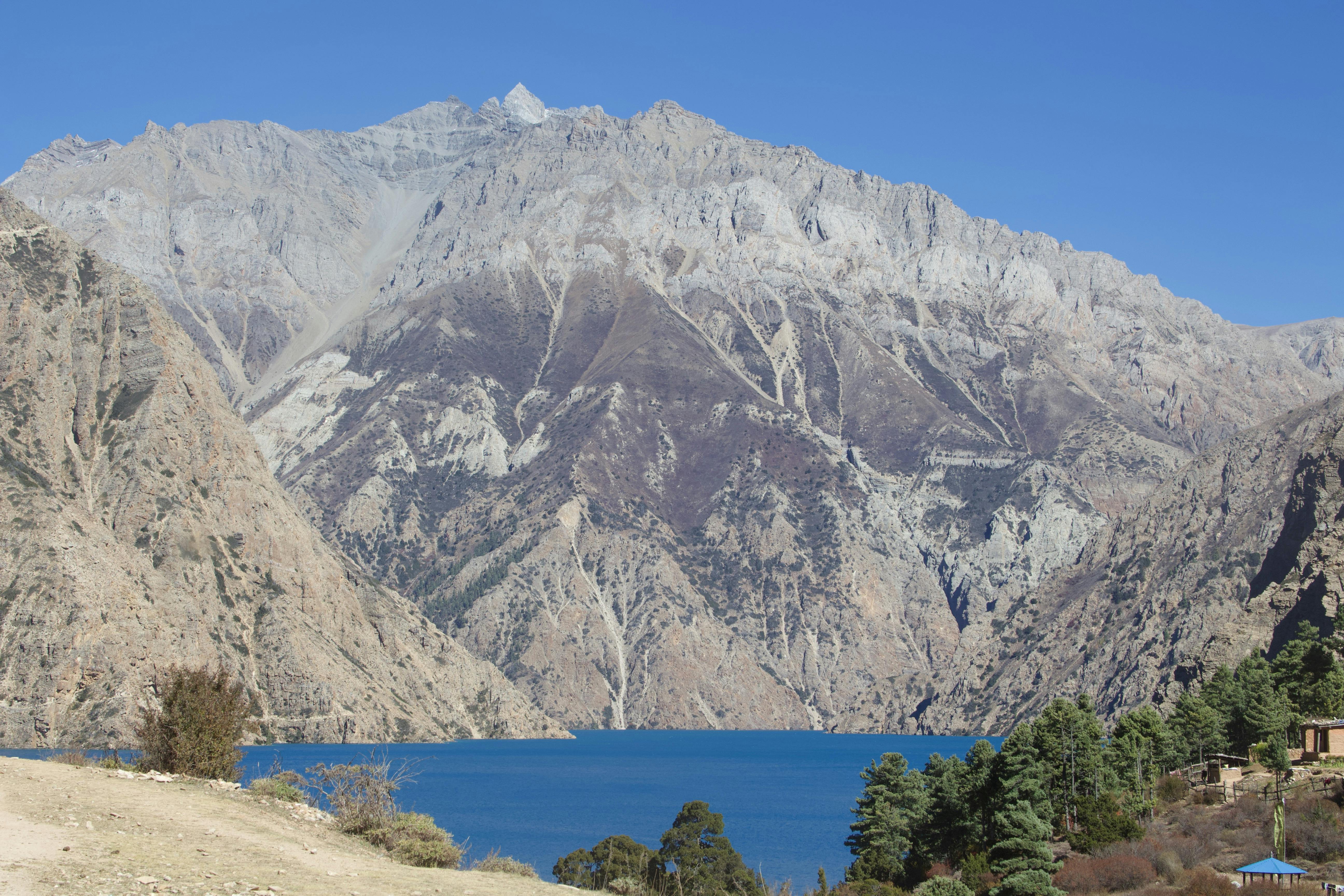
What Makes It Special: Shey Phoksundo Lake, Nepal's deepest lake (145 metres) sitting at 3,611 metres with impossibly turquoise water against barren brown mountains. Shey Gompa, one of Tibet's holiest monasteries located in Nepal. Traditional Bon Buddhism is still practised. Landscapes so stark and beautiful they don't feel real. Complete isolation, you'll trek for days, seeing maybe one or two other groups.
The Trek: Multiple routes exist. The classic Upper Dolpo circuit flies into Juphal, treks to Dunai, then Shey Phoksundo Lake, crosses multiple high passes (Kang La at 5,360m, Sela La at 5,094m), visits Shey Gompa, and loops back. It's long, difficult, and absolutely worth it for experienced trekkers.
Also Read: Move Over Srinagar, Gulmarg And Pahalgam, Patnitop In J&K Is Loved By Travellers For Peace And Snow
4. Kanchenjunga Base Camp Trek
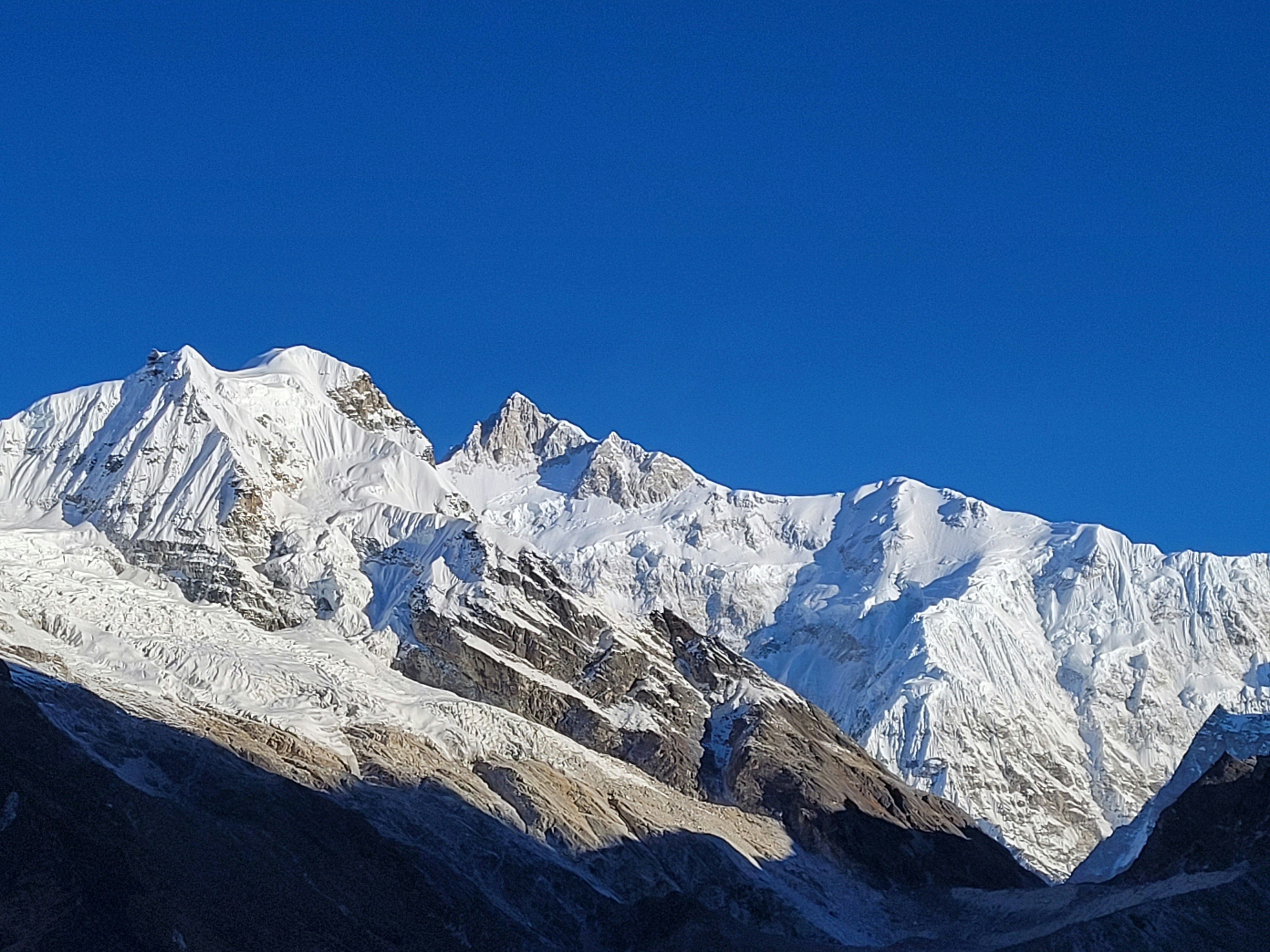
Duration: 18-20 days
Difficulty: Challenging
Max Altitude: 5,143 metres (North Base Camp)
Best Season: March-May, September-November
Kanchenjunga (8,586m) is the world's third-highest mountain and straddles the Nepal-Sikkim border. Indians have a special connection here; Sikkim's Goecha La trek offers views from the Indian side, but Nepal's approach gets you to the actual base camps. The North and South base camps offer completely different experiences, and most serious trekkers do both.
What Makes It Special: This region sees very few trekkers compared to Everest or Annapurna. You'll experience untouched mountain wilderness, diverse ecosystems from subtropical forests to high alpine zones, traditional Limbu and Rai villages, and massive Himalayan views without crowds. The sense of remoteness is genuine—this is Nepal's far eastern corner bordering Sikkim and Tibet.
The Trek: Fly Kathmandu to Bhadrapur, drive to Taplejung, then start trekking. The route goes through Mitlung, Chirwa, Sekathum, Amjilosa, Gyabla, Ghunsa (acclimatisation), Khambachen, then North Base Camp (Pangpema at 5,143m). Many trekkers also visit South Base Camp (Ramche/Oktang), making it a 20+ day commitment.
5. Tsum Valley Trek

Duration: 10-12 days
Difficulty: Moderate
Max Altitude: 3,700 metres
Best Season: March-May, September-November
Tsum Valley is a hidden sacred Himalayan valley north of the Manaslu region. "Tsum" comes from the Tibetan word "Tsombo" meaning vivid. This valley was restricted to outsiders until 2008, which preserved its unique Tibetan Buddhist culture remarkably intact. It's also one of the more affordable restricted areas.
What Makes It Special: The valley was designated a "beyul" (sacred hidden valley) by Buddhist saint Padmasambhava in the 8th century. Locals still practice polyandry (one woman marrying multiple brothers). Ancient monasteries like Mu Gompa (3,700m) and Rachen Gompa shelter nuns in isolated Himalayan settings. Traditional Tibetan culture is practised as it was centuries ago. Spectacular views of Ganesh Himal, Sringi Himal, and Boudha Himal ranges.
The Trek: Start from Soti Khola (same start as Manaslu Circuit). Trek up the Budhi Gandaki River through Machha Khola and Jagat, then branch into Tsum Valley at Lokpa. Visit Chhokang Paro, Nile, Mu Gompa, then return the same way. Can be combined with the Manaslu Circuit for a longer trek.
What the New Solo Permit Rule Actually Means
Let's be absolutely clear about what changed and what didn't:
What Changed:
- Solo travellers can now apply for restricted area permits without finding a second person
- You book your trek as an individual through an agency
- You trek at your own pace with just your guide (no forced group)
What Didn't Change:
- Licensed guides are still mandatory for ALL restricted areas
- Permits must be arranged through registered TAAN agencies
- All the same safety, insurance, and documentation requirements apply
The Bottom Line: You're not trekking completely independently. But you're not forced into random groups either. You go solo (as in, alone), just with professional support. For most people, this is the perfect balance: freedom to choose your schedule, security of having local expertise.
Also Read: Beyond Mehrangarh Fort, 6 Hidden Gems Of Jodhpur Worth Exploring
Practical Information for Indian Trekkers
Visa: Indians get a free visa on arrival at Tribhuvan Airport. Multiple entries allowed. 90 days of initial validity.
Best Season: March-May (spring) and September-November (autumn) offer clear skies and stable weather. Monsoon (June-August) is possible for Dolpo/Upper Mustang (rain shadow areas) but risky elsewhere.
Fitness: Moderate treks (Tsum Valley, Upper Mustang) require decent fitness, the ability to walk 5-6 hours daily carrying a daypack. Challenging treks (Manaslu, Kanchenjunga, Dolpo) require strong fitness and previous high-altitude experience.
Now, solo travellers can plan, book, and explore the Himalayas' wildest corners on their own schedule. While guides remain mandatory due to limited infrastructure, high altitude, and remoteness, they offer invaluable support with permits, bookings, trail knowledge, and emergency coordination. The true freedom lies in choosing your own timing and route.
Track Latest News Live on NDTV.com and get news updates from India and around the world


