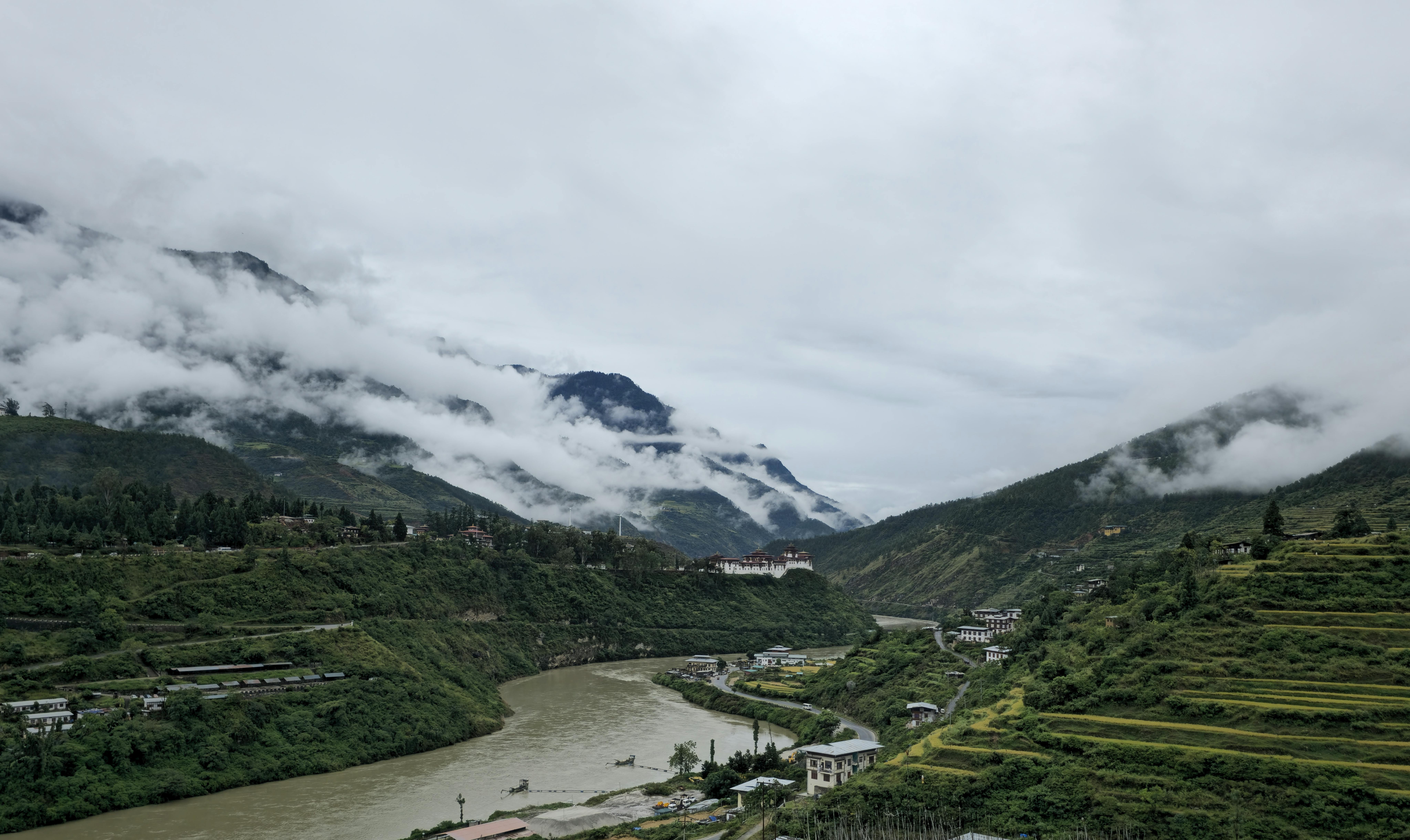
- Haa Valley in Bhutan remains a hidden, less crowded destination with rich natural beauty
- The valley was closed to tourists until 2002, preserving its traditional culture and landscape
- Access is via Chele La Pass, the highest motorable road in Bhutan at 3,988 metres elevation
Most Indians who visit Bhutan come back talking about Tiger's Nest, Punakha Dzong, and the charming streets of Thimphu. All of it is completely worth it. But there is a corner of this Kingdom of Happiness that barely makes it onto itineraries, despite sitting just two and a half hours from Paro airport. It is called Haa Valley, and it is the kind of place that makes you feel like you have stumbled onto something you were not supposed to find. No large tour groups, no crowded viewpoints, no Instagram queues. Just a wide, green, unhurried valley flanked by the Himalayas, with a small town that looks like it has been quietly going about its business for centuries. If you have been to Bhutan and not seen Haa, you have a very good reason to go back.
Also Read: Visiting Kolkata For The First Time? Here's What Not To Miss
The Valley That Stayed Hidden
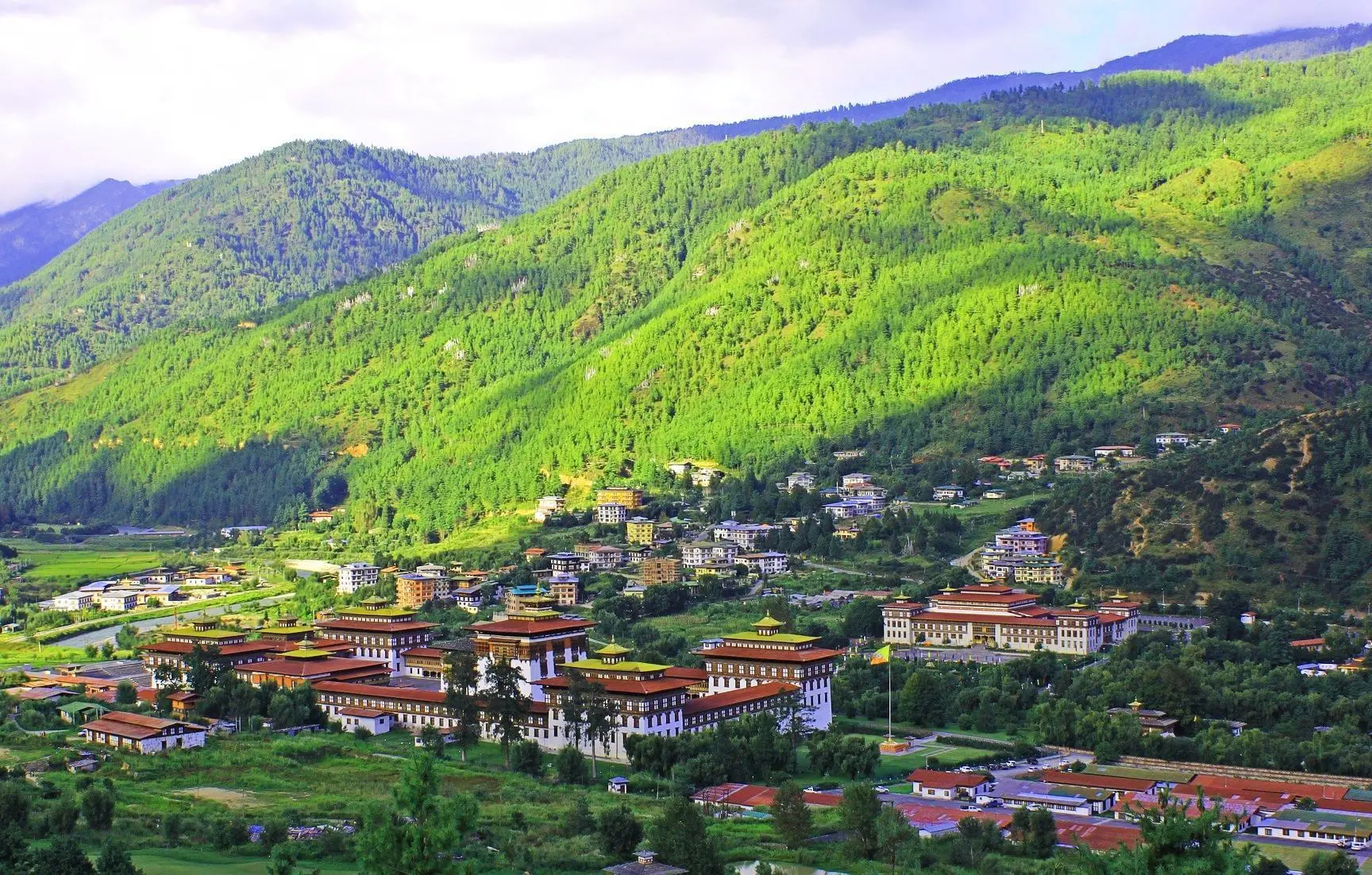
Haa Valley was a well-kept secret of the country and was off the tourist map until 2002. Think about that for a moment. While the rest of Bhutan was carefully opening itself up to visitors, this particular valley remained entirely closed. That enforced seclusion, as it turns out, is one of the best things that ever happened to it.
Located in the southwestern zone of Paro, it is the smallest district of Bhutan. Once the main commercial gateway to Sikkim, India, and Chumbi in Tibet, Haa held such historical importance that India's first Prime Minister, Jawaharlal Nehru, explored this region on horseback through this route in 1958.
The name "Haa" connotes a hidden quality, which is why it is also referred to as the Land of Hidden Rice Valleys. The green stretch of land with the mighty Haa Chu River flowing from the surrounding Himalayan mountains is one of the smallest dzongs or district areas of Bhutan.
The place is the ancestral home of the Queen Grandmother and the Dorji family and has quite a history when it comes to Buddhism. That connection to Bhutanese royalty gives it a quiet distinction that you can feel even if you do not know the history.
The Drive In: Chele La Pass
You cannot reach Haa without crossing Chele La Pass, and this is not a hardship. It is one of the great drives of the Himalayas.
After about an hour and a half of steady climbing, the Himalayan range stretches across the horizon. Among the peaks stands Liang Gangkangri, Bhutan's second-highest mountain at 7,535 metres. A few minutes further brings you to Chele La Pass, the highest motorable road in Bhutan at 3,988 metres.
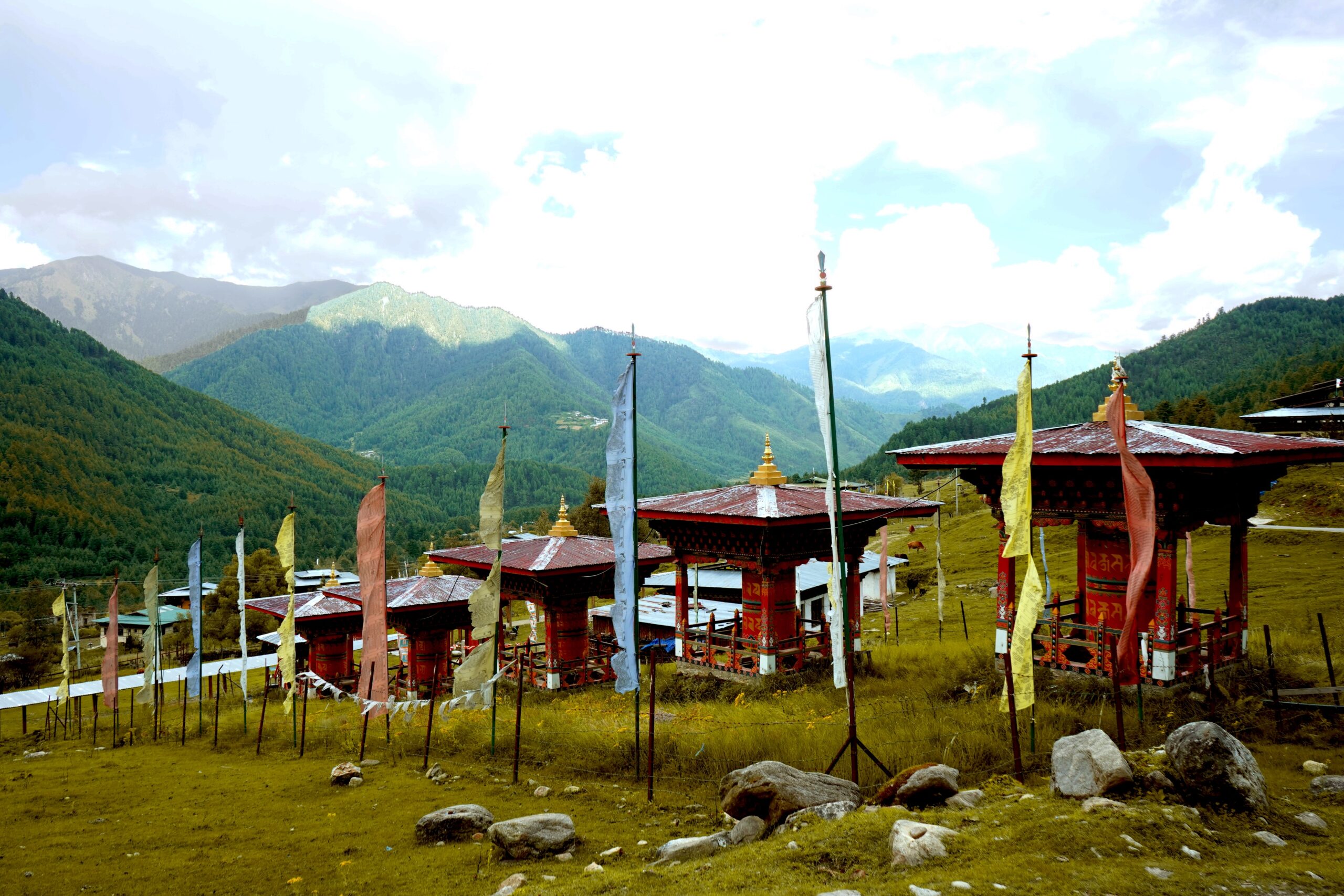
Despite its height and beauty, the pass remains surprisingly undeveloped. Prayer flags flap wildly in the wind, their colours vivid against the snow-dusted peaks. The sheer number of prayer flags strung across the mountain is mesmerising, covering every available surface, a living patchwork of red, blue, green, white, and yellow, sending their blessings out into the vast open air.
As you climb higher on those winding roads, the apple farms turn into pleasing stretches of purple primulas and colourful rhododendrons and finally, tall alpine forests. In spring, this drive is almost embarrassingly beautiful. If you visit between March and May, do not be in a rush to get down the other side.
The Valley Itself: What Waits on the Other Side
From the high pass, the road snakes downwards into the Haa Valley, one of Bhutan's least developed and most traditional regions. The descent is spectacular. The landscape softens as altitude drops, the stark mountain slopes giving way to terraced farms and small clusters of traditional houses. The air feels warmer, and farmers can be seen working in their fields below. The valley floor is a patchwork of gold and green, dotted with barns and stone walls.
Everything here seems slower, simpler, and deeply rooted in the land.
The livelihood of the people of the Haa Valley mainly depends on agriculture. In its fertile valleys, people grow mostly high-altitude crops like wheat, potatoes, barley, and millet. The yak is considered a significant contributor to the economy of this region.
People of the Haa valley are commonly known as "Haap." A set of unique cultural practices of this valley sets it apart from the rest of Bhutan. The Haap, unlike the rest of the world, celebrate the New Year much earlier. They celebrate New Year on the 29th day of the 10th month of the Bhutanese calendar, which falls in early November. The Haap New Year is known as "Lomba," meaning "To carry the year."
For Indian travellers who love culture, this kind of detail is gold. You are not just visiting a pretty valley; you are stepping into a community that has its own distinct calendar, its own distinct rhythms, and a warmth that is genuinely disarming.
What to See: The Landmarks Worth Your Time
Lhakhang Karpo and Lhakhang Nagpo
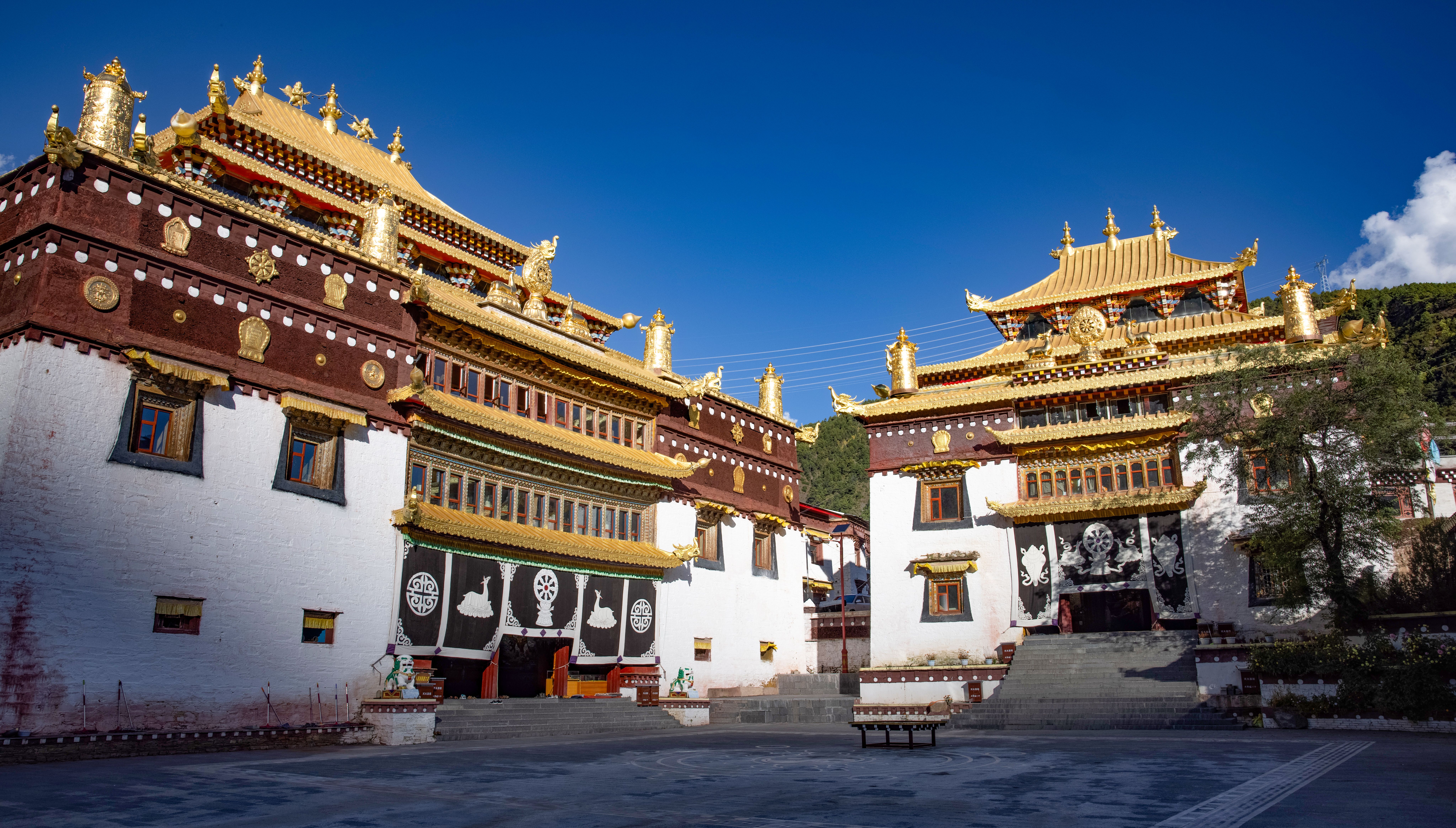
In Haa, two landmarks are steeped in legend. Songtsen Gampo, a Dharma king, released a white and a black dove near Miri Punsum. The white dove settled at a mountain base, leading to the construction of Lhakhang Karpo (White temple), while the black dove stopped near a lake, resulting in Lhakhang Nagpo (Black temple). These temples, near Haa's Royal headquarters, house Buddhist monks and a monk school. Lhakhang Karpo is serene, contrasting with Bhutan's bustling temples. Lhakhang Nagpo, with its black walls, hosts the deity Da Do Chen and has a floor opening to a lake with the mermaid spirit Tshomen.
Haa Dzong

Haa Dzong, formerly known as Wangchuk Lo Dzong, was built in 1915 to replace an earlier structure from the late 19th century. Compared to some of the grand dzongs seen elsewhere in Bhutan, this one feels modest and more intimate. It does not have towering walls or imposing courtyards, but its simplicity gives it a quiet dignity.
It is the kind of place where you can sit in the courtyard without another tourist in sight, watch monks go about their day, and feel genuinely peaceful.
Also Read: Why April Is The Ideal Time To Visit Ladakh When It Turns Pink With Apricot Blossom
The Haa Summer Festival
Being home to a number of nomadic herders, Haa hosts an annual summer festival showcasing their unique lifestyle and culture. This is one of the more authentic Bhutanese festivals you can attend, precisely because it has not been packaged for tourism. The energy is local, the rituals are real, and the experience of watching nomadic traditions play out in a mountain valley is not something you forget easily. The festival typically takes place in July or August.
Flora, Fauna, and the Landscape
The Haa Valley has been blessed with rich natural biodiversity. The altitude ranges from 2,000 to 5,000 metres, and over 250 species of plants, including the blue poppy (the national flower of Bhutan) and white poppy, which is endemic to Haa, thrive here. Many endangered animals like the Bengal tiger, the elusive snow leopard, the Himalayan black bear, the Himalayan musk deer, and the Himalayan marmot call the Haa valley home. Of the 45 different bird species identified here, the most significant ones include the Himalayan Monal and Satyr Tragopan.
If you are a birder or a wildlife enthusiast, this valley should already be at the top of your Bhutan list.
A Practical Travel Guide for Indians

Getting There
The only way to get to Haa Valley is by road, via Chele La Pass. You need to hire a taxi or car from Paro for the same. The place is just two and a half hours from Paro Airport. You can also get here from Thimphu, but you will still have to cross through Paro.
For Indian travellers, the nearest Indian airport for flying into Bhutan is Bagdogra. From there, you cross into Bhutan at Phuentsholing and travel overland, or you fly directly into Paro on Druk Air. The direct Paro flight is available from Delhi, Kolkata, Bangalore, and Mumbai.
Permits
Visiting Haa Valley requires a route permit in addition to the standard Bhutan visa. Ask your registered Bhutanese tour operator to arrange this in advance. You cannot enter Haa without it, so sort this out before you arrive. The process is straightforward as long as your operator knows what they are doing.
As of 2024, Indian citizens entering Bhutan through designated land ports like Phuentsholing do not require a visa but do need a valid Indian passport or Voter ID card, along with a permit issued at the border. Flying into Paro requires an e-visa. Always check the current requirements at the Royal Bhutan Government's official channels before you travel, as these rules have been updated in recent years.
Best Time to Visit
Spring (March to May) is spectacular, with rhododendrons blooming along the Chele La Pass road and pleasant temperatures in the valley. Autumn (September to November) is considered the most rewarding time to visit Bhutan overall, with crisp, clear skies and cool temperatures ranging from 10°C to 20°C, ideal for mountain photography and trekking. Avoid the monsoon months if you can; the roads to Haa via Chele La can get challenging in heavy rain.
Where to Stay
It is advisable to book ahead at a homestay if you want to stay in the valley. There is no large resort or hotel in Haa. This is actually a feature, not a limitation. Staying with a local Haap family in a traditional farmhouse is one of those travel experiences that you cannot get in Phuket or Bali. Risum Resort, a highly regarded homestay in the valley, books up quickly during peak season.
What to Pack
It can get quite chilly even in April, so a down jacket is required for comfort. Add warm layers, solid walking shoes, and sunscreen for the high-altitude sun. It is advisable to carry sufficient drinking water and food from Paro, as there are limited eating-out options in the valley.
The Food
You will want to eat ema datshi, the national dish of Bhutan, made with chillies and Bhutanese cheese, which is spicy, creamy, and exactly what you want after a mountain day. A dried variety of yak cheese called "Habi Ruto" is a speciality of this region. Red rice is served with almost every meal and has a slightly nutty, earthy flavour that grows on you fast.
Why Indian Travellers in Particular Should Come Here

There is something specific about Haa that resonates with Indian travellers. The India-Bhutan friendship is visible and tangible here in a way it is not elsewhere. On the outskirts of Haa town stands a large Indian military base. Indian forces train the Bhutanese army here as part of a long-standing agreement between the two nations. There is even a golf course built and maintained with the help of the Indian army. You are not a stranger here. The relationship between the two countries is embedded in the landscape.
And then there is the simple matter of proximity. Bhutan is one of the most accessible international destinations for Indians. No jet lag, no culture shock, no dramatic cuisine adjustment (the spice levels will remind you of home). What you do get is a profound slowdown, a valley that seems untouched, and an experience of mountain life that feels genuine rather than staged.
Also Read: Why China's 'Heavenly Pit', World's Deepest Sinkhole, Should Be On Your 2026 Travel Bucket List
A Place That Stays With You
Haa Valley gradually captivates you. Initially, you might question its offerings, but amidst the prayer wheels, yak herders, and morning mist, its charm unfolds. The air's stillness and the locals' joy envelop you, contrasting with the mechanical life elsewhere. Bhutan, known as the Kingdom of Happiness, showcases this in its popular spots, but Haa Valley offers a rarer, quieter happiness, unaware of being observed. Spend at least one night if possible. Visit in spring for flowers or autumn for clear skies, or anytime to remember the world's capacity for stillness.
Track Latest News Live on NDTV.com and get news updates from India and around the world


