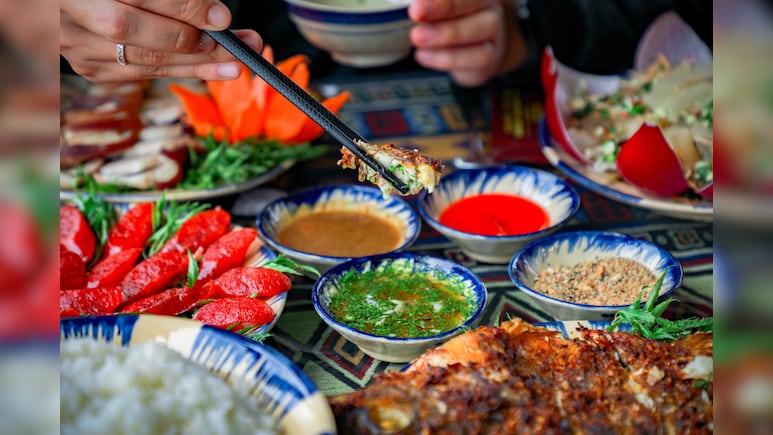
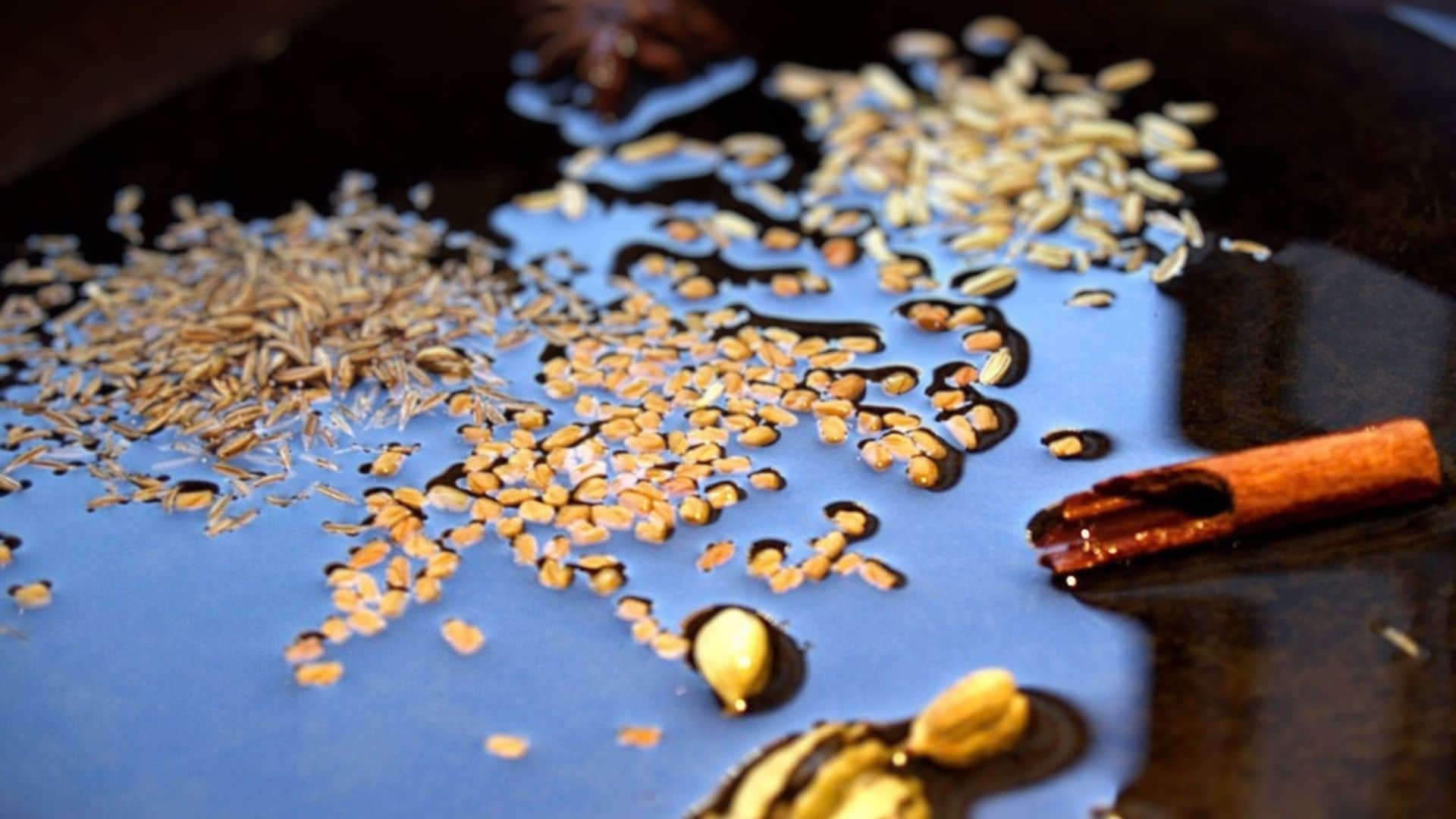
In Italy, cloudy pasta water is worth saving. In India, a few seconds in hot oil can wake up a pan of spices. And in Korea, slightly freezing meat can make it far easier to slice thinly.
Small tricks can make a surprising difference. Every cooking culture has them: habits that make food taste better, cook more evenly or simply make life in the kitchen easier. Some come down to timing. Others are about using an ingredient in a way you may never have considered.
These 35 tricks travel from Japan to Nigeria, with plenty of stops in between. Some may already feel familiar. Others might earn a permanent place in the way you cook.
1. Japan: The Secret to Perfectly Fluffy Rice
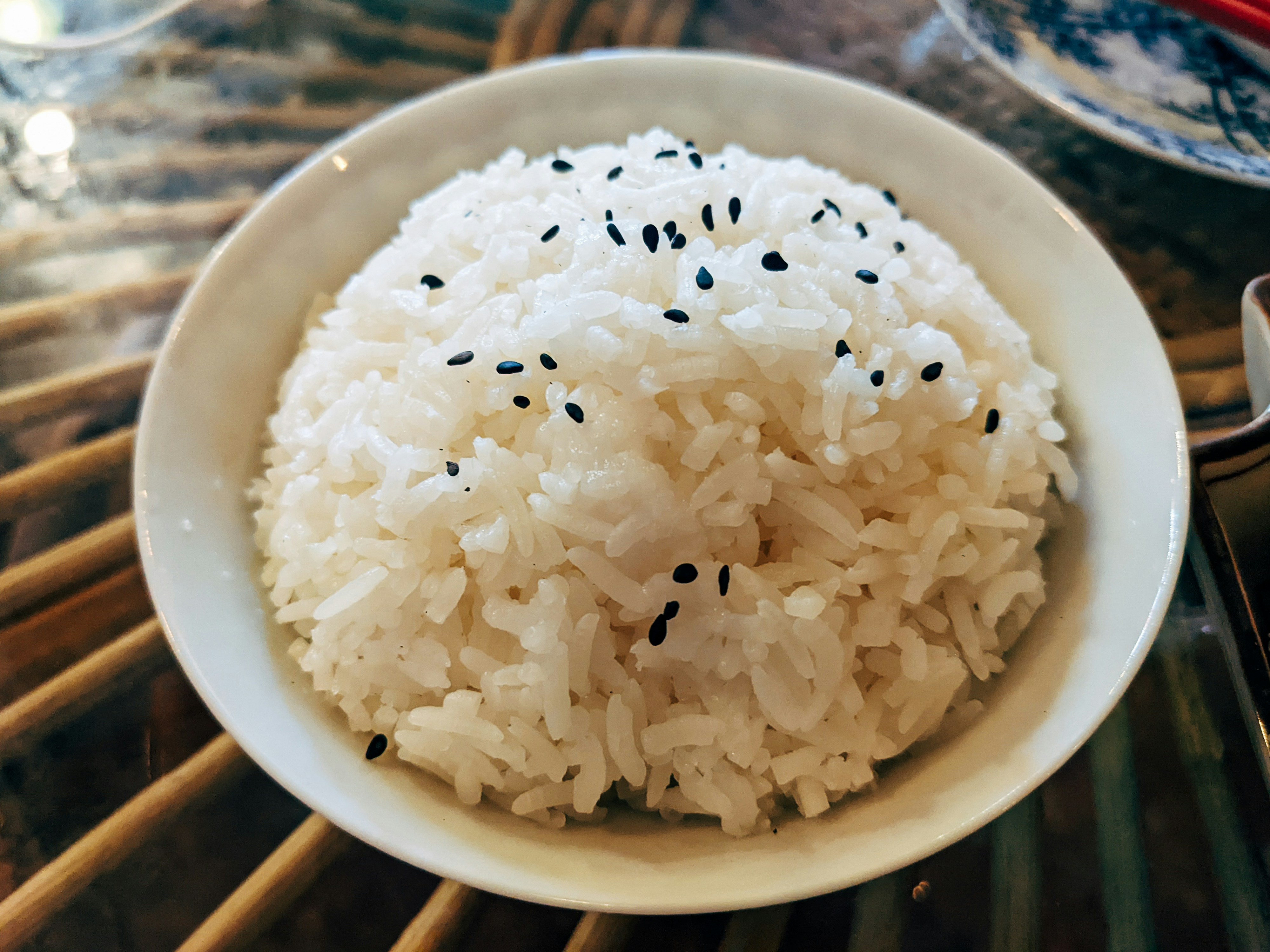
Start with short-grain rice. It cooks up tender and lightly sticky, exactly the texture you want for sushi, donburi and an everyday bowl of rice.
Rinse two or three times in cool water, swishing the grains gently with your fingertips. No scrubbing. Once cooked, lift and fold the grains with a rice paddle instead of mashing them around.
Leave the lid on for 10 minutes before serving so steam redistributes evenly. If grains clump, fold once more instead of stirring vigorously. If saving leftovers, cool and refrigerate them promptly rather than leaving rice on “warm” for hours.
2. Mexico: The Trick to Keeping Tortillas Warm
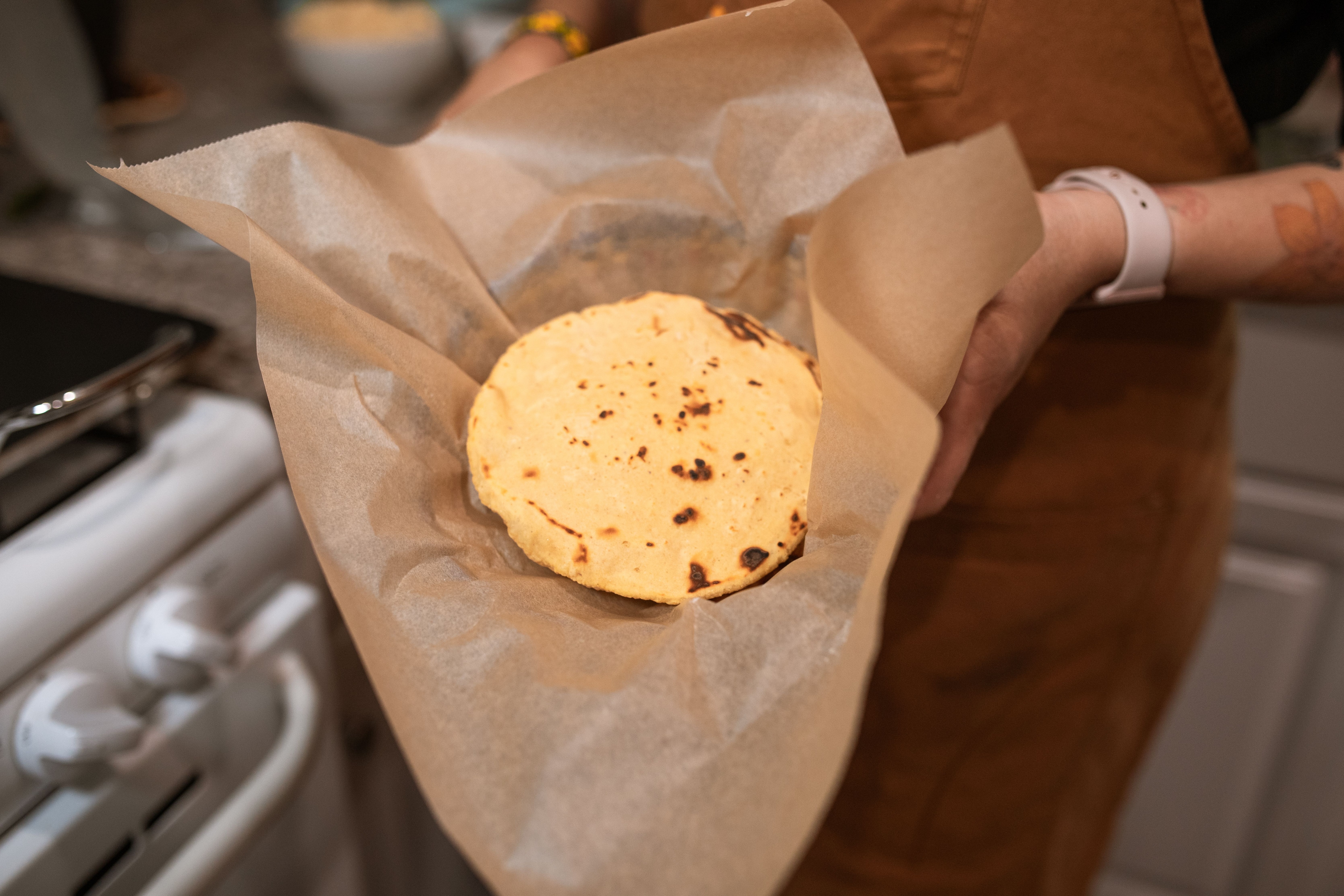
The first taco is easy. Keeping tortilla number ten soft enough to fold is the real test when you feed a table. Heat tortillas in small batches, then stack them inside a clean, slightly damp kitchen towel. Place the bundle in a covered bowl, casserole dish or tortilla warmer.
Keep the covered stack beside the stove until dinner starts. The towel stops them drying out, while the lid traps heat.
Check the bottom of the stack: too much trapped steam will make those tortillas soggy. Set the stack out only when everyone is ready to eat.
3. Italy: The Pasta-Water Rule That Matters
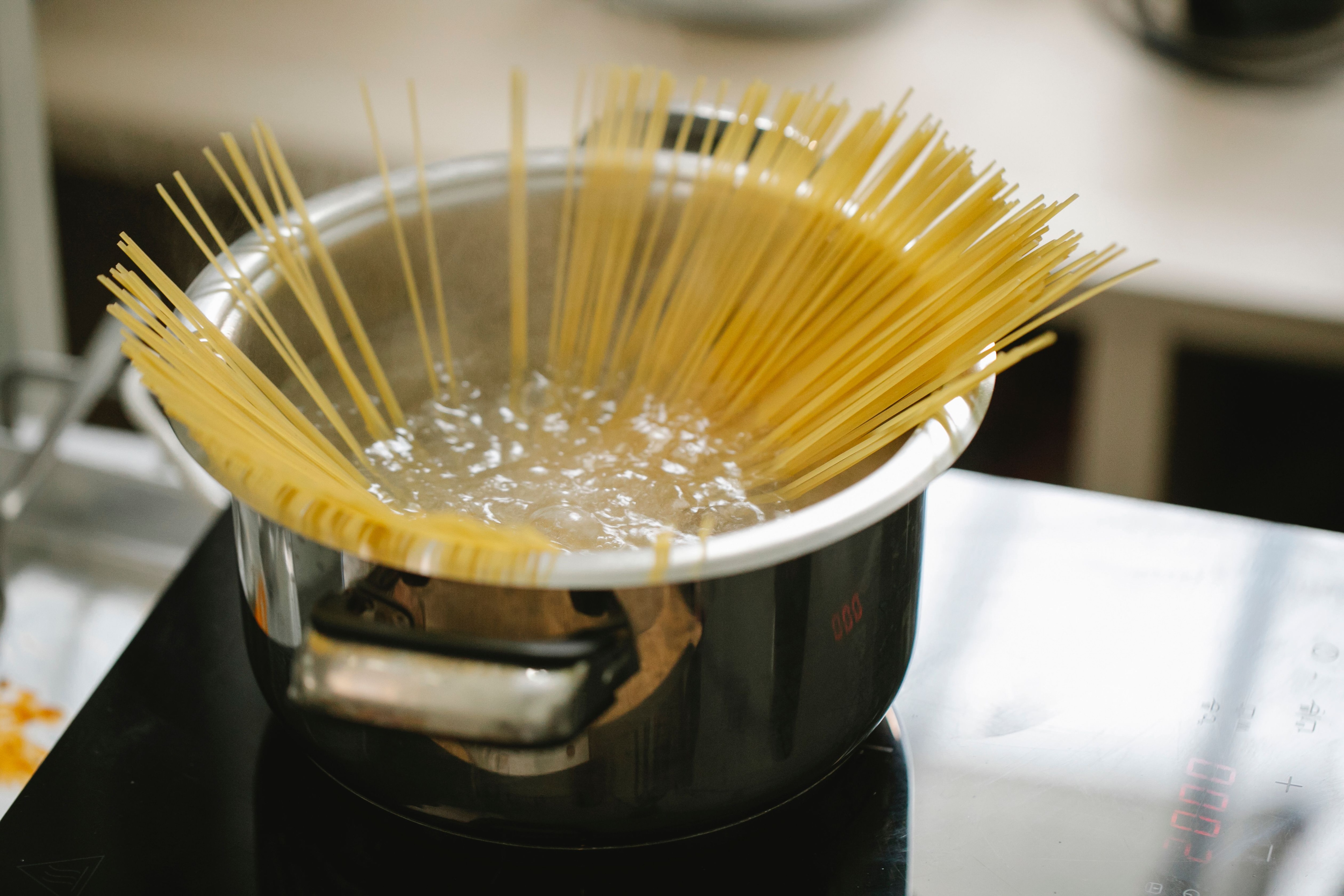
Cloudy pasta water looks disposable. It is not. Its starch is what helps a loose sauce cling to every strand or shape.
Scoop out a cup before draining. Add it a splash at a time as you toss the pasta. Toss until the sauce looks glossy and coats every piece.
Do not rinse hot pasta unless you are making pasta salad. Its surface starch is exactly what helps sauce, cheese and fat come together into a silky finish. Add more water gradually; a flooded sauce loses its grip.
4. India: Bloom Your Spices in Hot Fat
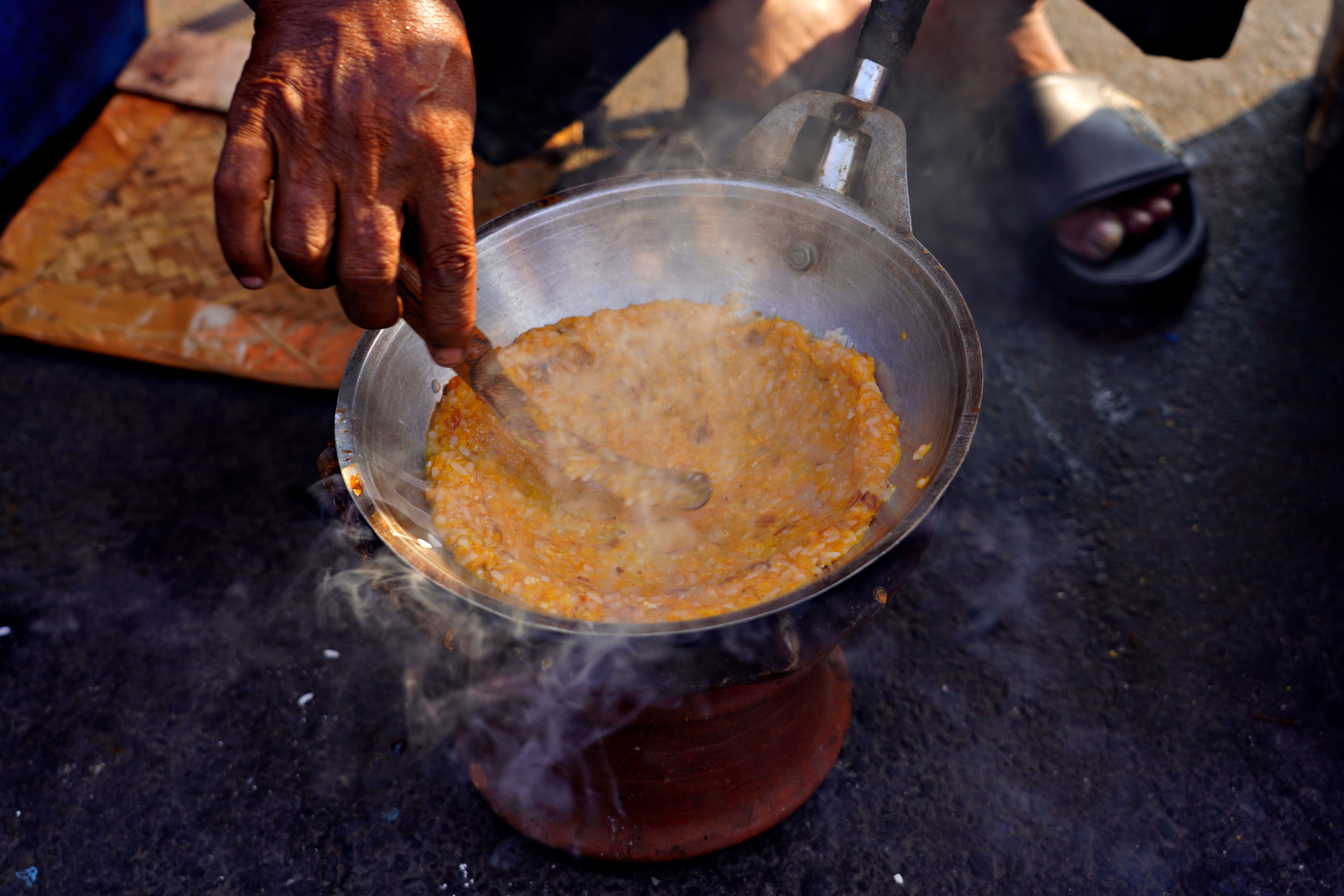
Plain dal can change in the time it takes mustard seeds to crackle. That is tadka: spices fried briefly in oil or ghee, then poured over the dish.
Heat the fat, then add ingredients such as cumin, mustard seeds, curry leaves, hing, dried chillies or garlic.
Let them crackle and become fragrant before adding them to the food. Line up your ingredients before lighting the stove. Spices can go from aromatic to burnt quickly, so add the finished tadka as soon as it smells lively and nutty. Listen for the crackle; you have only seconds before scorching.
5. France: The Low-and-Slow Egg Method
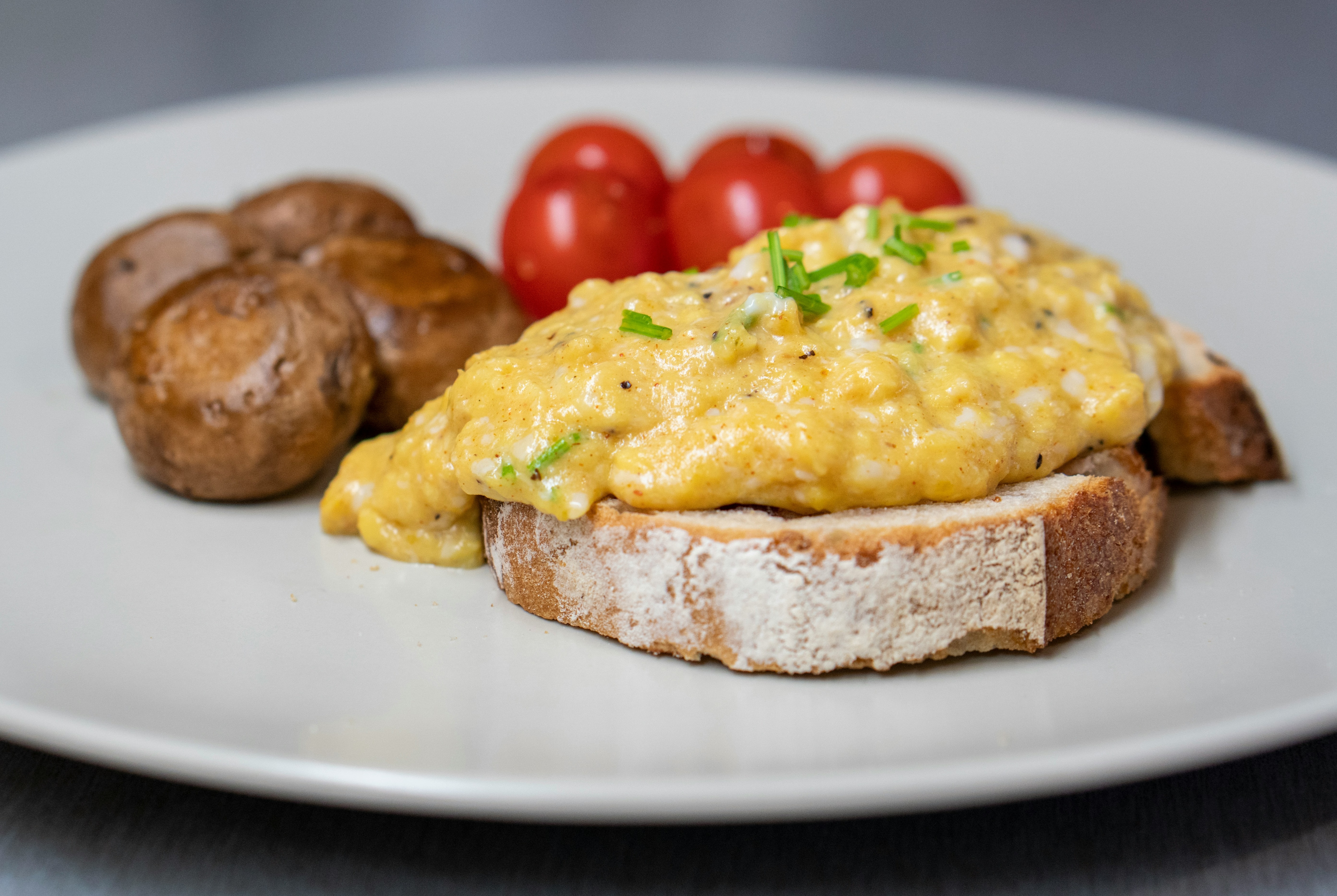
Forget big, bouncy curds. For French-style scrambled eggs, you want a soft mound that almost pours onto toast. Gentle heat does the work.
Whisk eggs in a small pan over low heat, scraping the bottom and corners constantly. The curds should stay tiny as the mixture gradually thickens into a custard-like texture.
Take the pan off the heat while the eggs still look loose. Stir in butter, cream or crème fraîche, then serve immediately with chives, pepper and good toast. The residual heat will finish them on the plate. It can take a few tries.
6. Korea: Freeze Meat Before Slicing It
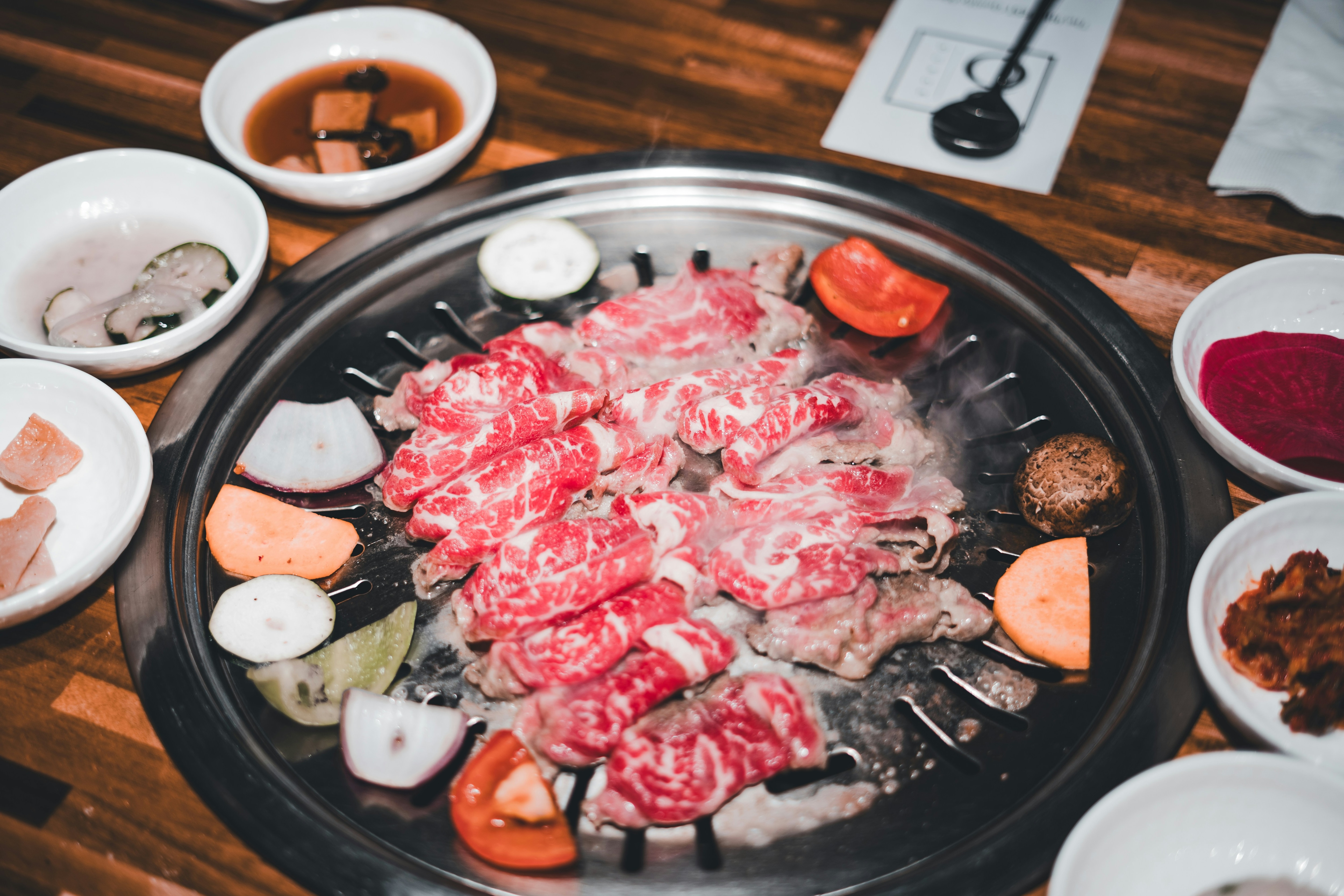
Try slicing a soft slab of beef paper-thin and the knife fights back. Firm it up first, and bulgogi-style slices become much easier.
Put the meat in the freezer for roughly 20 to 40 minutes, until firm but not frozen solid. A sharp knife can then cut clean, even slices.
Use this trick for bulgogi-style beef or thin pork belly. Work in small batches and keep the meat chilled so it stays safe and easy to handle.
7. Thailand: Start Curry With Coconut Cream
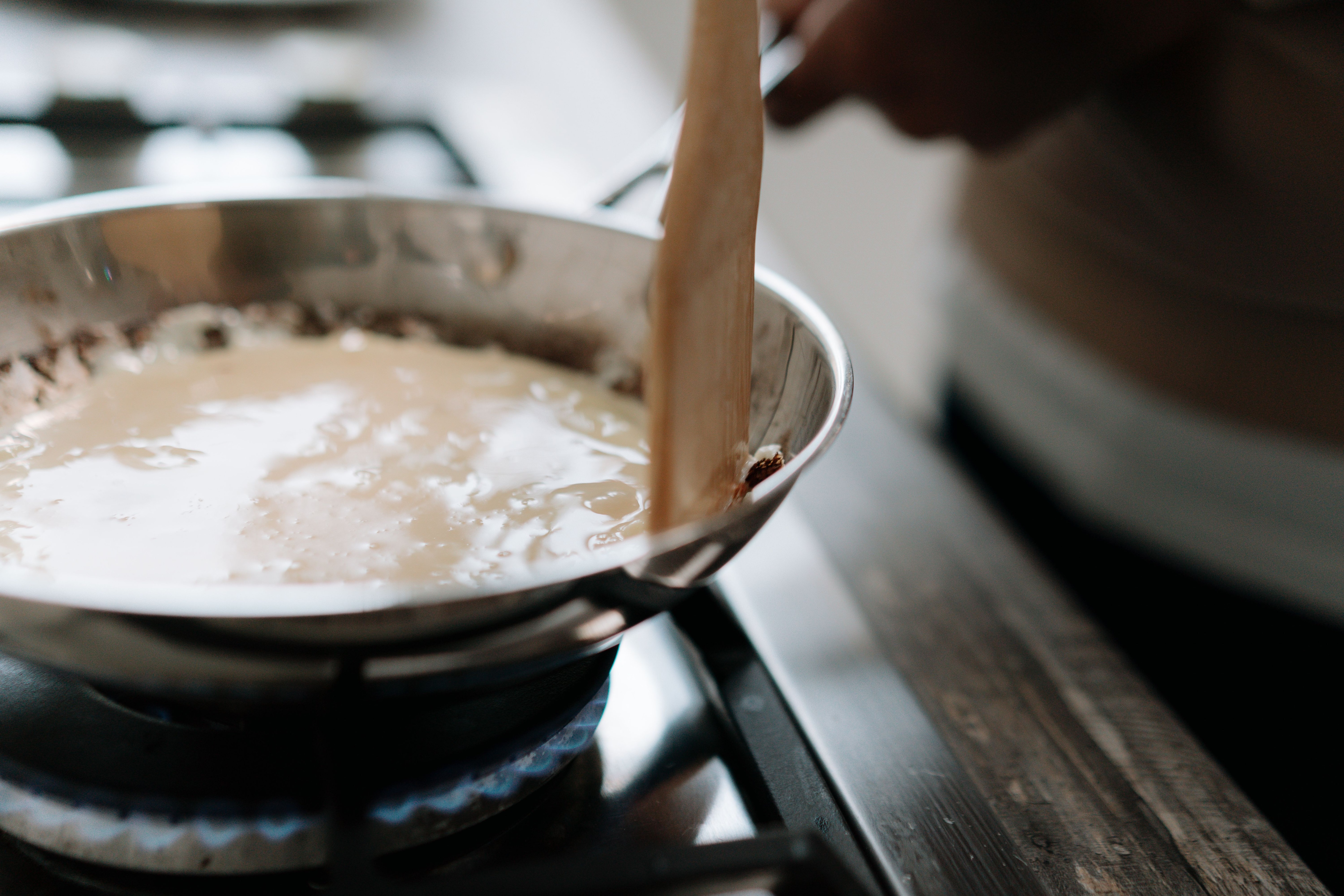
The fragrant moment comes before the sauce. Let curry paste sizzle gently in thick coconut cream; only then pour in the thinner milk.
Heat the thicker coconut cream first, then cook the curry paste gently until it smells fuller and more fragrant. Add vegetables, protein and thinner coconut milk afterwards.
Resist cranking up the heat to chase visible oil separation. The goal is a rounded, deeply aromatic curry—not a greasy sauce with burnt paste. Taste the paste before adding salt; many blends contain it.
8. China: Velvet Meat for Tender Stir-Fries
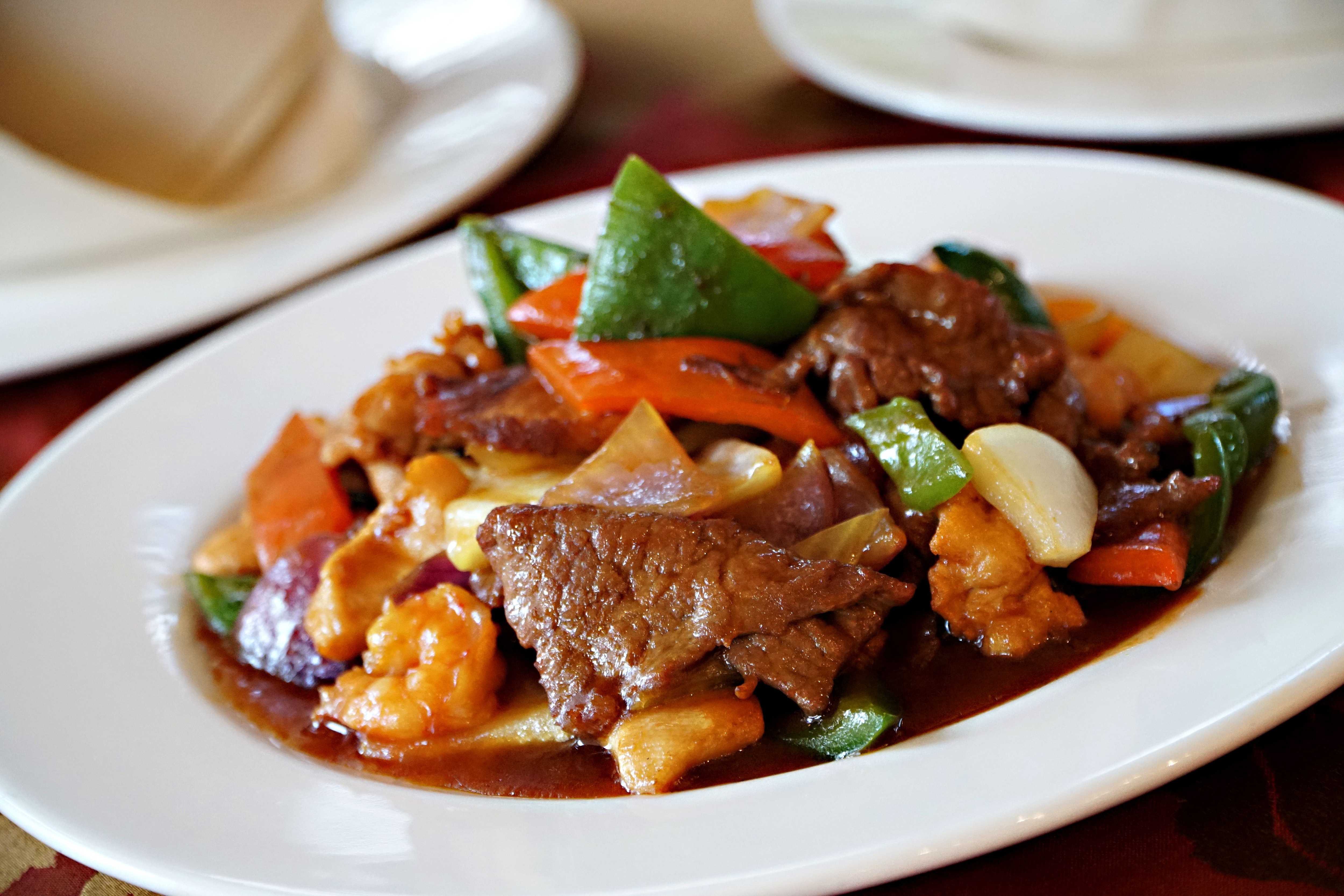
The beef in a good stir-fry stays tender even after a blast of heat. A light coating before cooking, called velveting, helps it get there.
Toss sliced meat with cornstarch, a little oil and seasoning; some versions use egg white or a brief, carefully measured baking-soda treatment. Cook in a very hot wok.
Give the slices room to sear. If your wok is small, cook in batches, then bring everything back together with the sauce.
9. Argentina: Let Chimichurri Rest
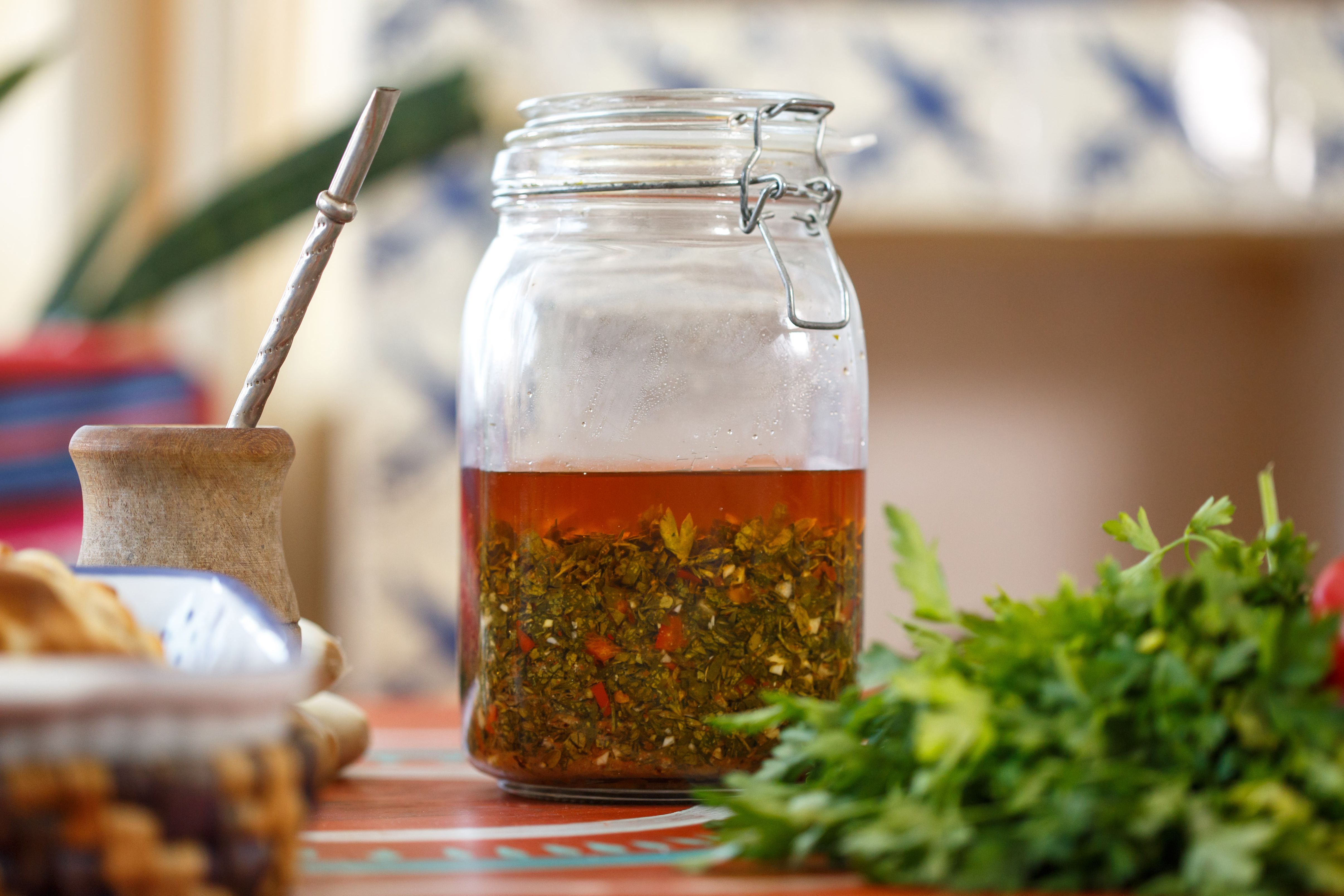
Chop chimichurri by hand. You should still see the parsley and garlic, and the sauce should have bite. Thirty minutes of rest takes the raw edge off.
Combine hand-chopped parsley, garlic, chilli, vinegar, olive oil and seasonings. Let the mixture sit for at least 30 minutes so the garlic mellows and herbs hydrate.
Taste it once more before spooning over grilled meat, vegetables or bread. If it feels too sharp, add oil; if it feels flat, add vinegar, salt or a little chilli. Make it ahead and stir again just before serving.
10. Greece: Add Yogurt to Pancake Batter

Swap some of the milk for yogurt and your pancakes gain a quiet tang and a soft middle. The batter also feels less thin.
Replace part of the milk with plain yogurt; if using thick Greek yogurt, loosen it with a splash of milk or water. Stop mixing as soon as the flour disappears.
Let the batter rest for 20 minutes if possible, then cook on medium heat. Serve with honey, fruit, nuts or butter for a simple Greek-inspired breakfast.
11. Germany: Move Food Across the Fire
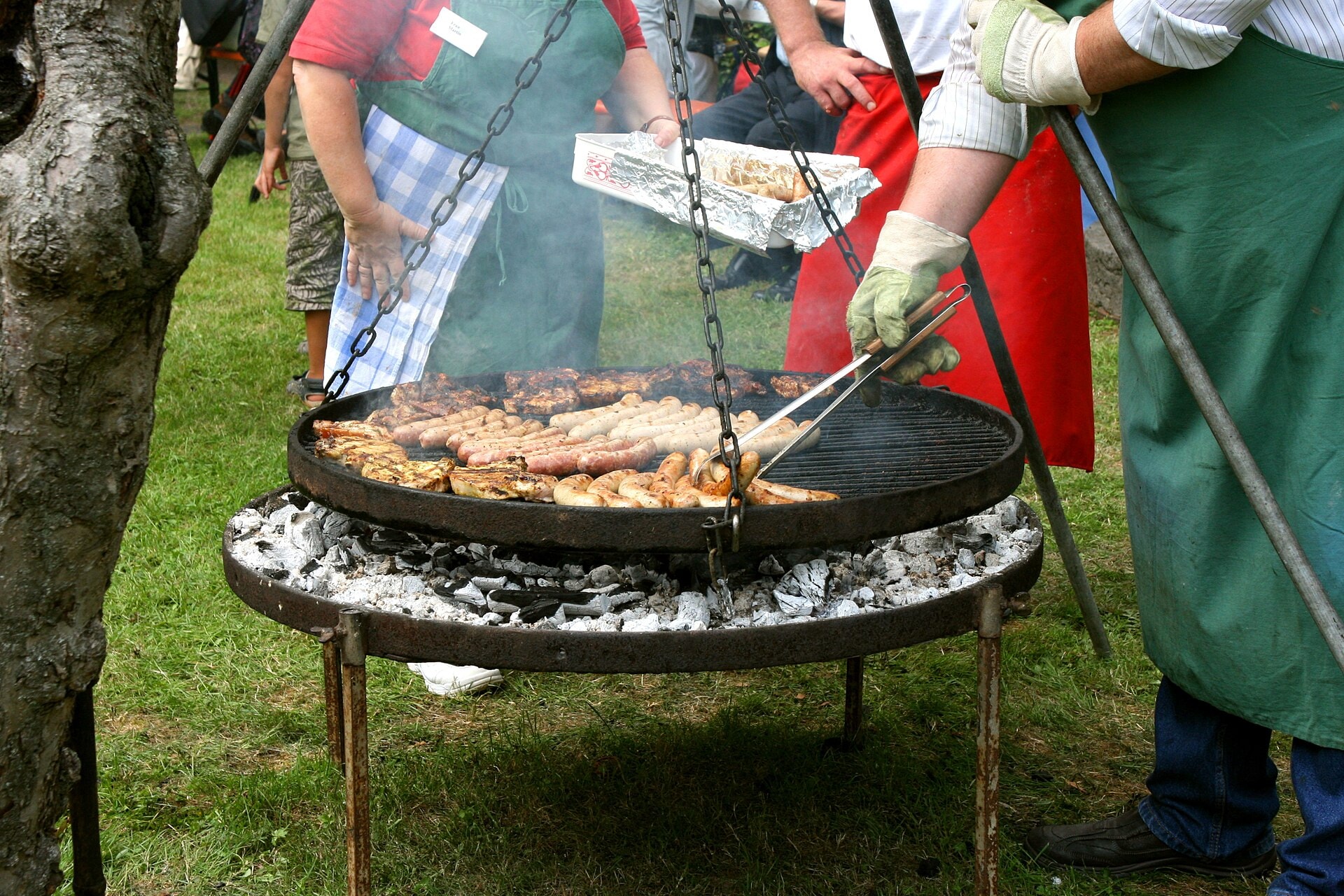
On a German schwenker, the grate swings above the fire on chains. You can steer food away from a fierce patch of coals without moving every piece.
Instead of constantly flipping meat, shift the grate away from flare-ups or toward stronger heat. This creates a more even cook without chasing food around the grill.
The idea works on an ordinary barbecue, too. Create hot and cooler zones on any barbecue, then move food instead of forcing it.
12. Morocco: Use Preserved Lemon Rind
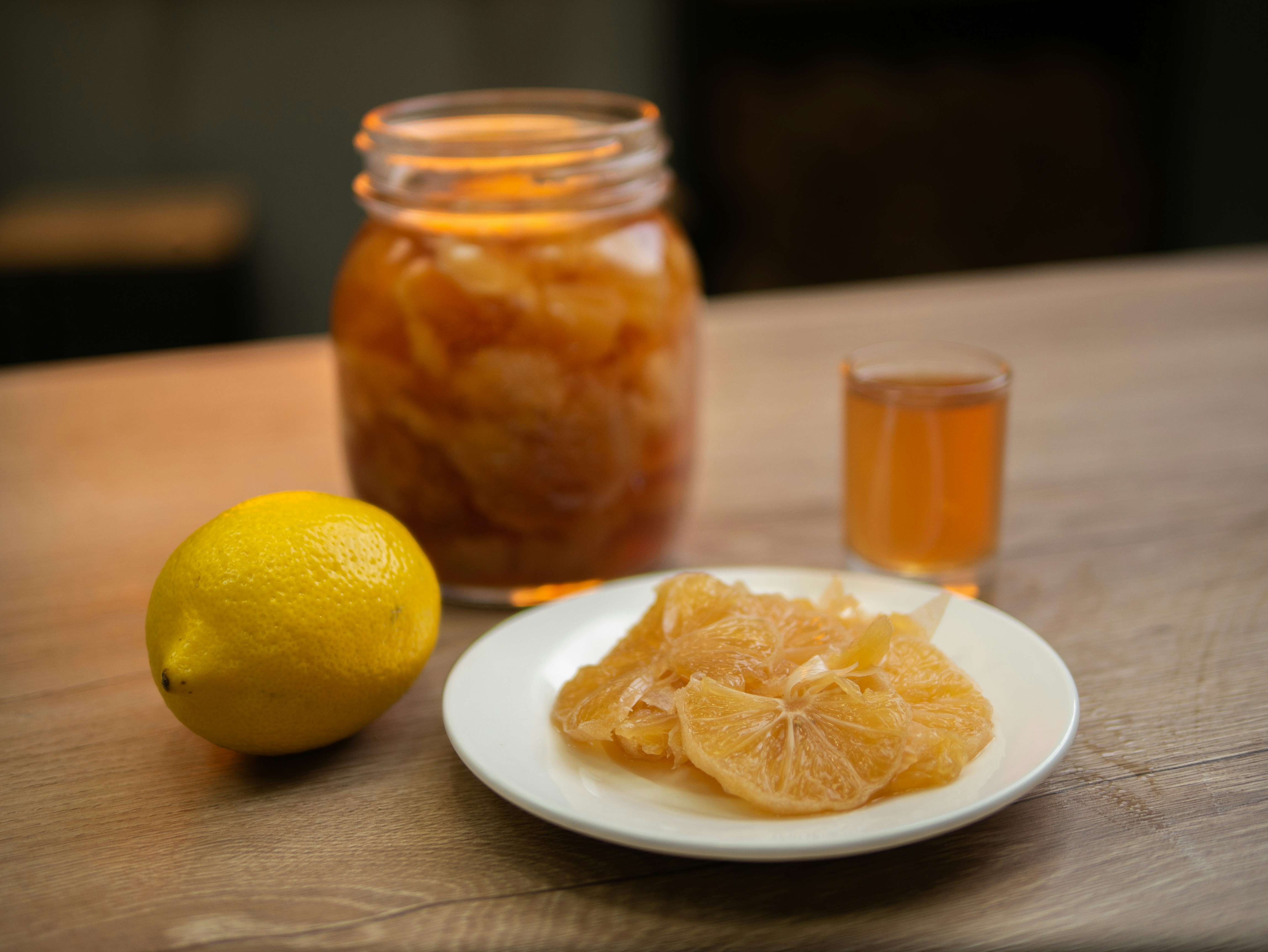
A preserved lemon tastes of citrus, salt and something almost savoury.
In Moroccan dishes, it is often the softened rind you want, rather than the pulp. Rinse the rind if needed, remove seeds and chop it finely. Stir it into tagines, couscous, marinades, roast-chicken butter or a bright salad dressing.
Use the brine sparingly as both acid and salt. Go slowly, particularly if the dish already contains olives, stock or salty cheese.
13. Ethiopia: Fermentation Makes Injera Special
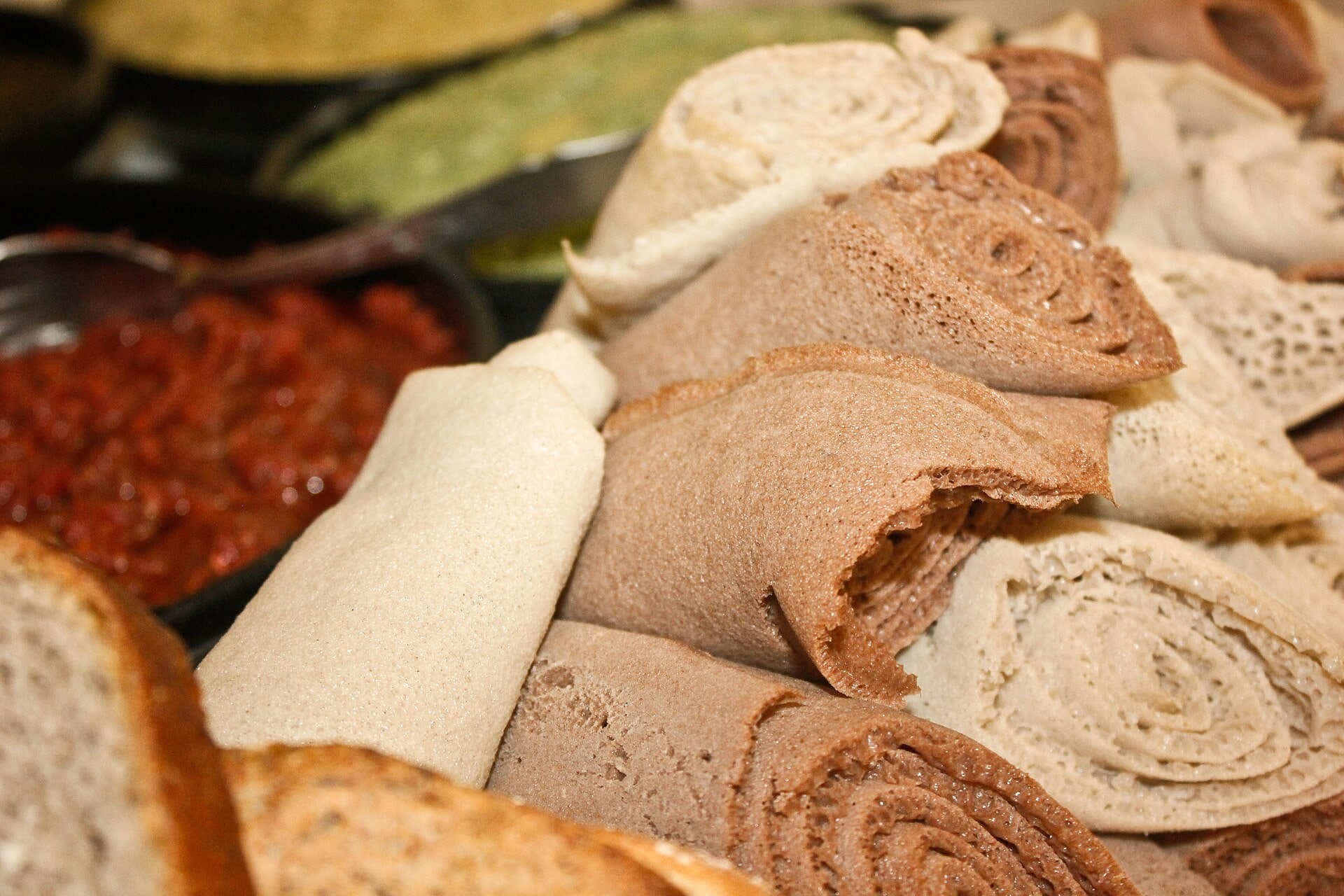
The tiny holes in injera do not appear by accident. Fermentation gives the Ethiopian flatbread both its spongy surface and its pleasantly sour taste.
Traditionally made with teff, the batter rests before cooking on a hot flat pan. Some methods cook a small portion into a paste and mix it back in.
Trust what you see and smell, not only the clock. Temperature and flour affect fermentation, but a lightly tangy aroma and visible activity usually signal that it is ready.
14. Brazil: Keep Condensed Milk for Fast Desserts
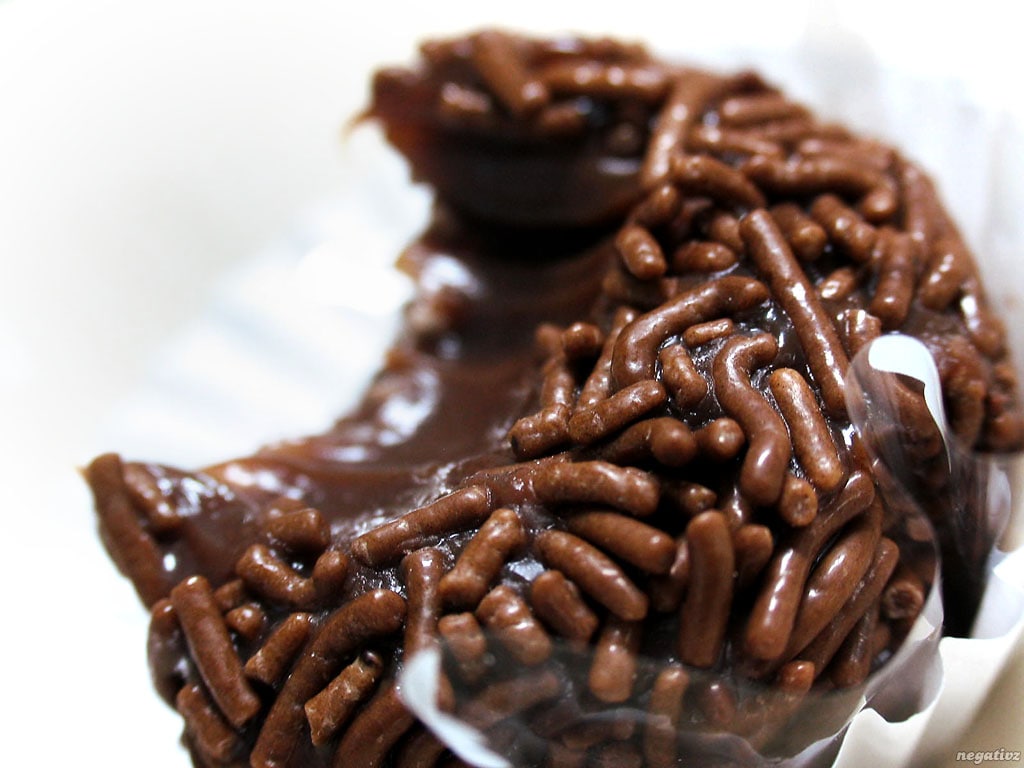
There is a reason condensed milk appears in so many Brazilian sweets: it does much of the work. Brigadeiros, for one, need little else.
For brigadeiro, cook condensed milk with cocoa and butter until thick enough to pull away from the pan. Cool, roll into balls and coat with sprinkles.
Use that sweetness with a little restraint. It is powerful, so balance it with cocoa, coffee, citrus, fruit or a pinch of salt to avoid cloying desserts.
15. Sweden: Brew Coffee With Cardamom
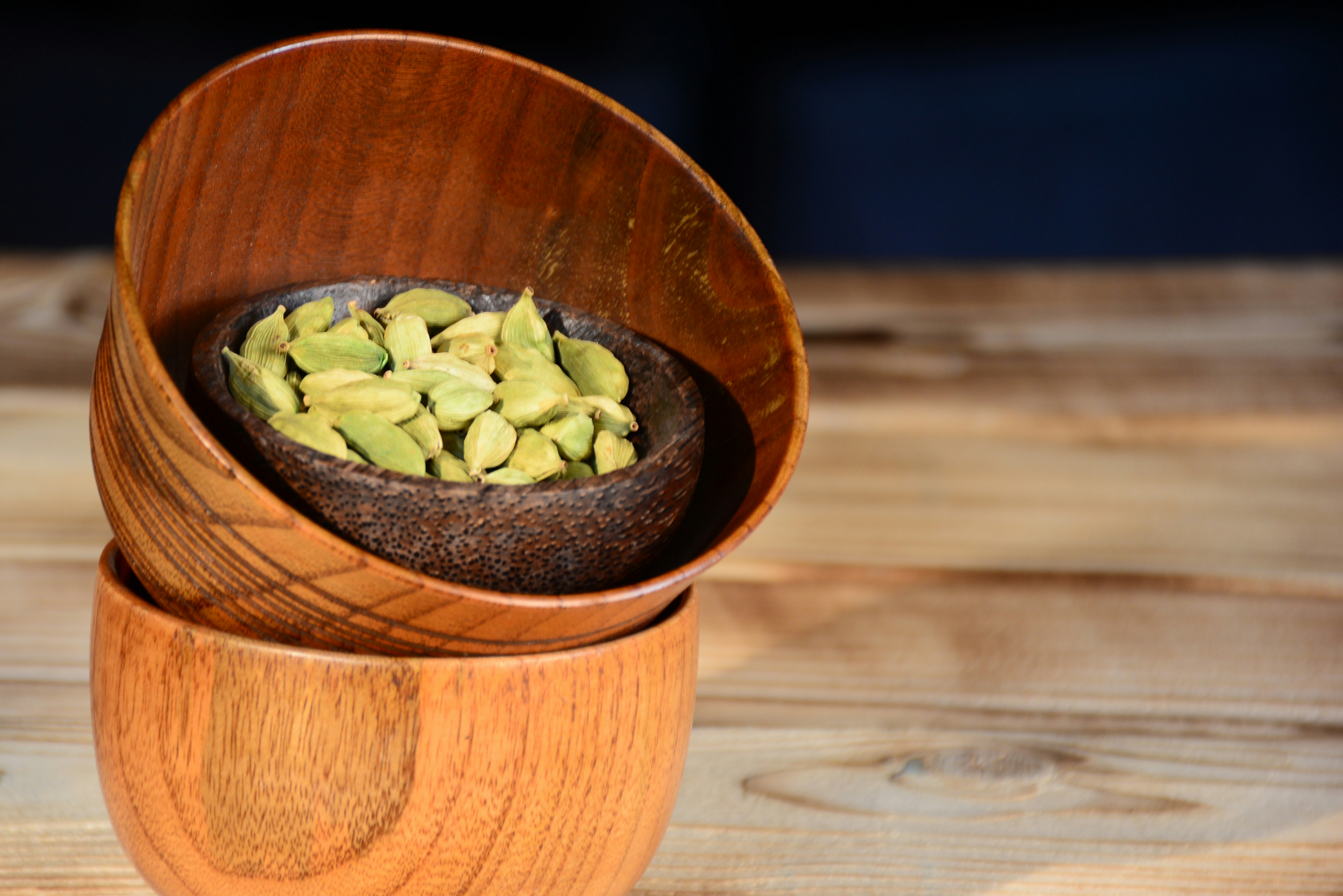
Crack cardamom pods into your coffee grounds before brewing. The scent ends up in the cup, without that sandy last sip you get from stirring in powder.
Lightly crush a few green cardamom pods and add them to your grounds in a French press, filter brewer or coffee pot. Start with a small amount.
Freshly crushed pods taste brighter than stale ground cardamom. Pair the coffee with a cinnamon bun, or add a little cream for a warmer, dessert-like cup.
16. Spain: Rub Tomato Directly on Toast
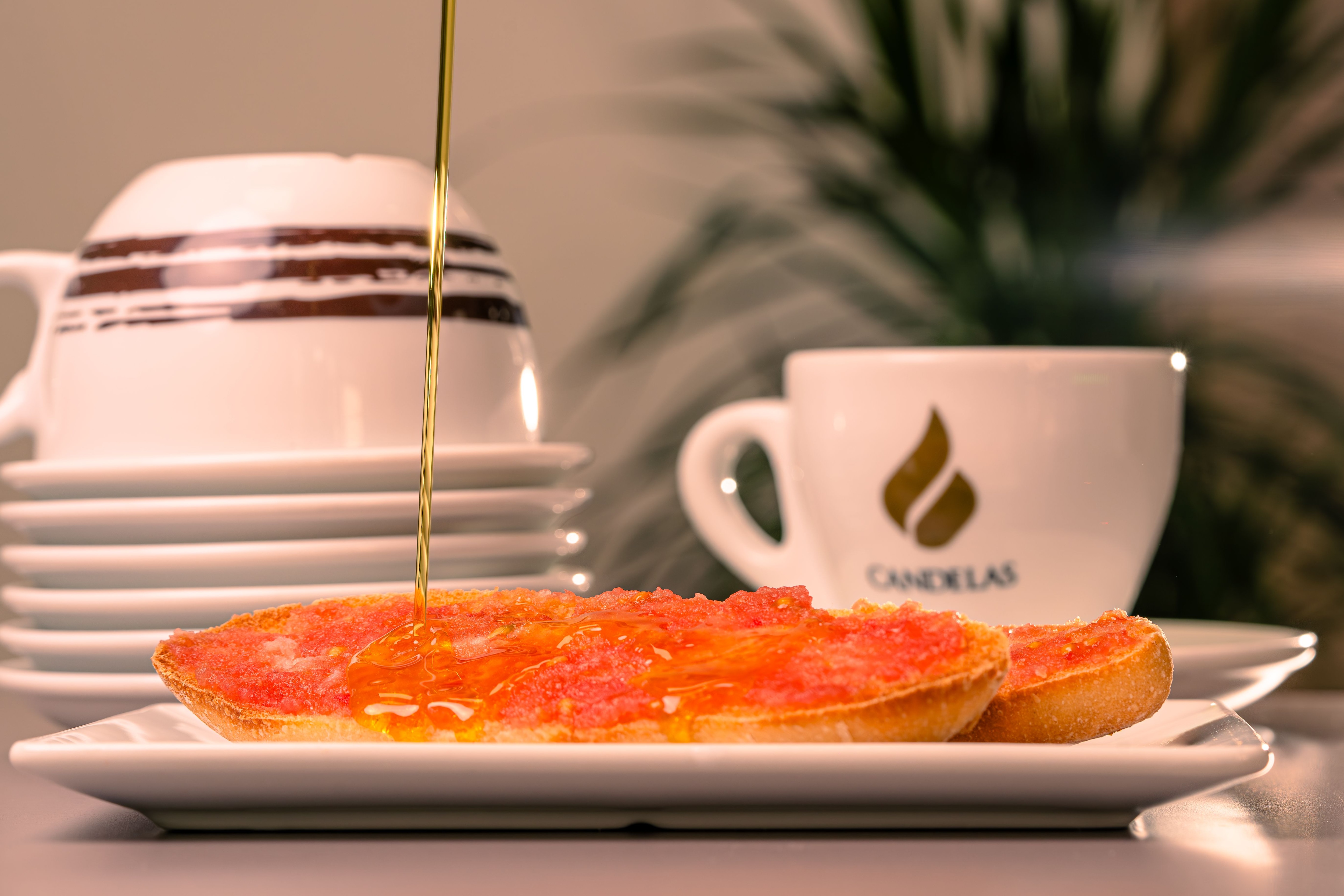
A tomato too soft for neat slices may be perfect here. Rub it over hot toast and let the bread catch its pulp and juice.
Toast bread, rub it with a cut garlic clove, then rub on a halved tomato until the pulp and juice cover the surface. Finish with olive oil and salt.
Choose bread with crunch and a tomato that actually tastes ripe. Add anchovies, cheese or ham if you want, but master the plain version first. Serve at once, while the toast still holds its crunch.
17. Turkey: Marinate Meat in Yogurt
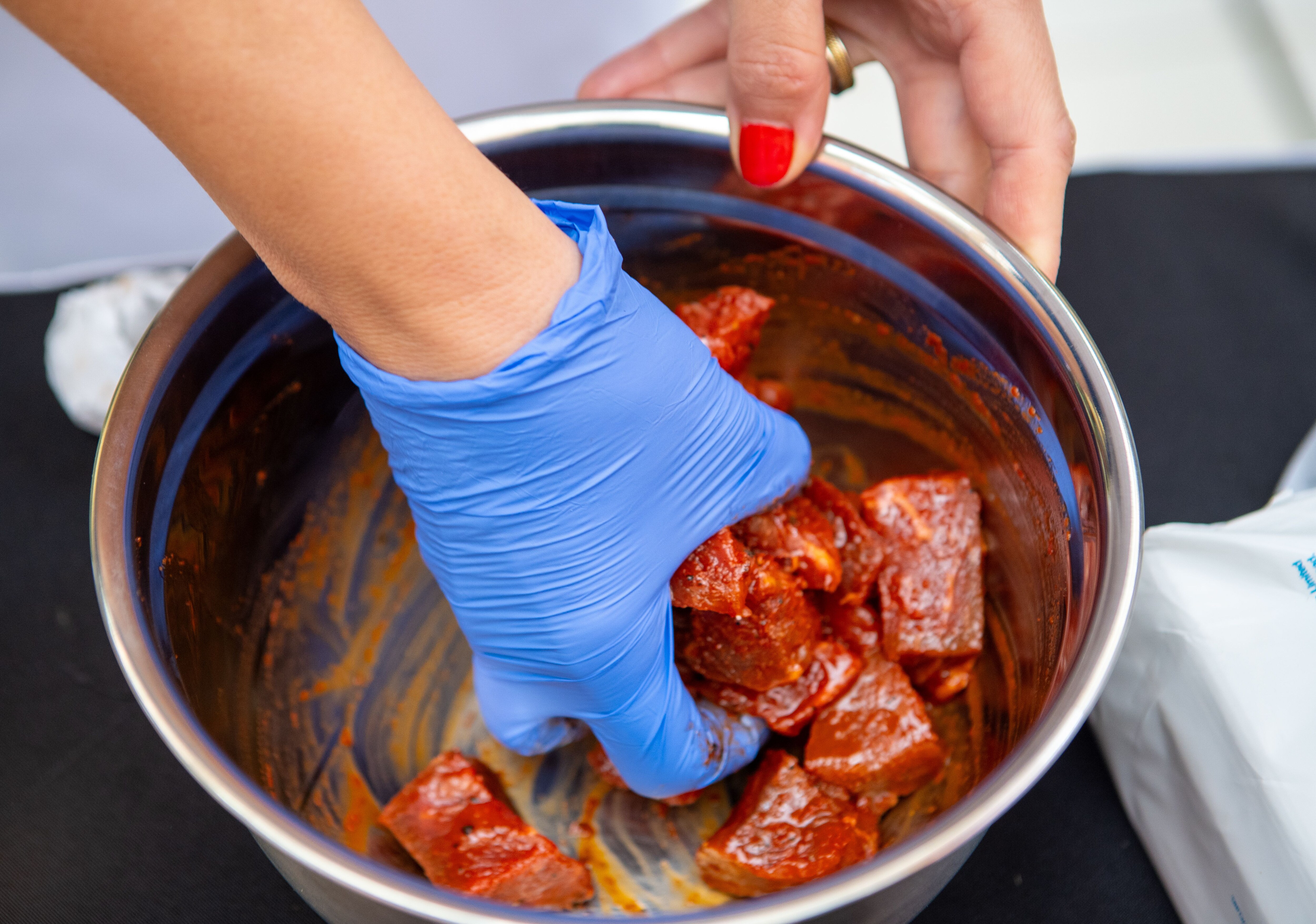
Yogurt holds garlic and spices against meat as it marinates. Its gentle tang works especially well with chicken, lamb and skewers destined for the grill.
Use plain full-fat yogurt with garlic, paprika, cumin, chilli and herbs. Coat the meat evenly and marinate it in the refrigerator for several hours or overnight.
Keep the meat refrigerated while it marinates. Reserve a clean portion of the yogurt mixture before adding meat if you want a sauce for serving.
18. Lebanon: Use Za'atar With Olive Oil
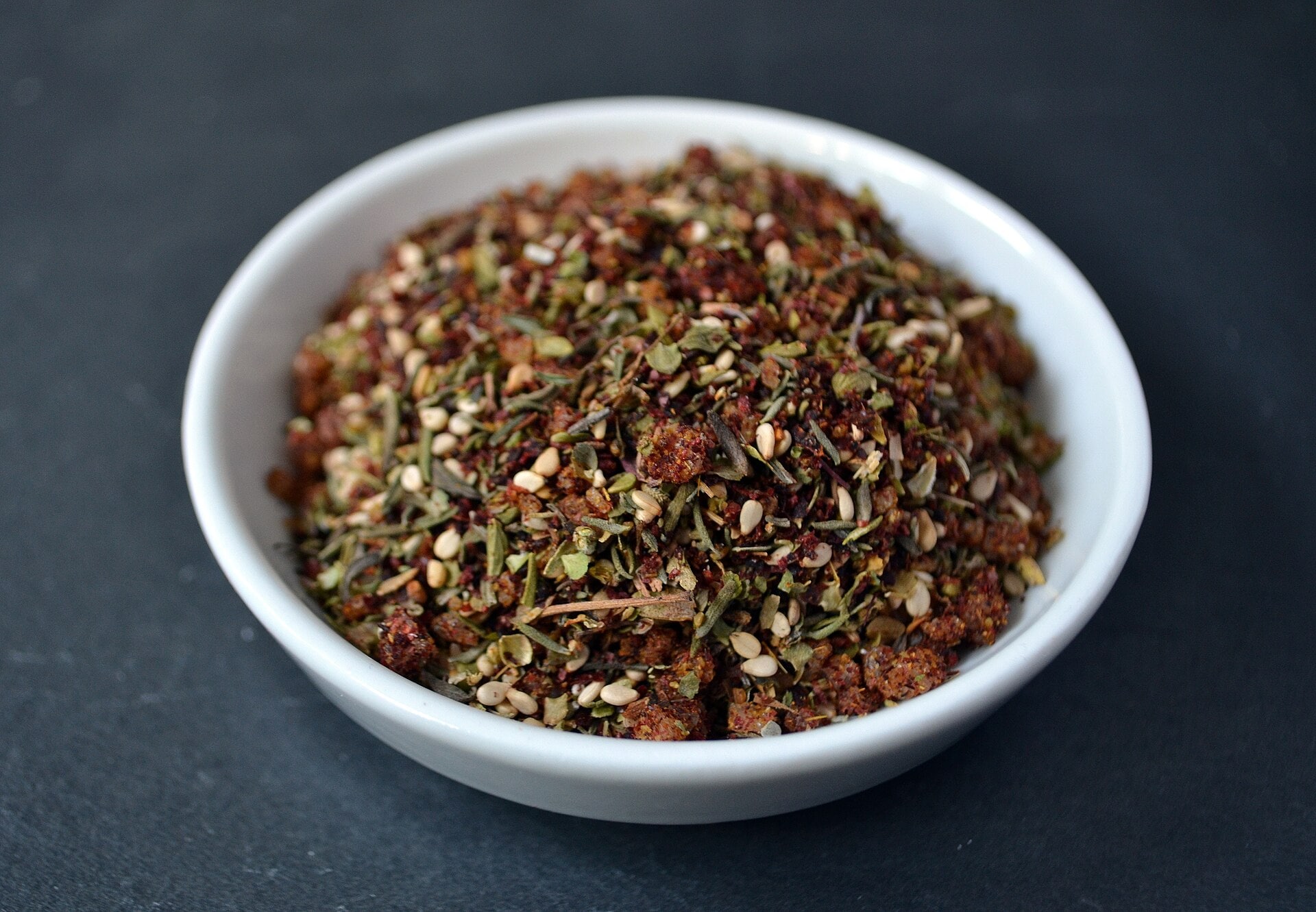
Bread, eggs or labneh need little help when za'atar is nearby. The blend commonly brings together herbs, tart sumac, sesame seeds and salt.
Dip bread in olive oil first, then press it into za'atar so the herbs and sesame seeds cling properly. It makes a quick snack, breakfast or side.
Sprinkle it over eggs, roast vegetables, labneh, chicken or buttered toast. Warm it gently in oil for extra aroma, but avoid high heat that can scorch the herbs.
19. United States: Save Bacon Fat Like Seasoning
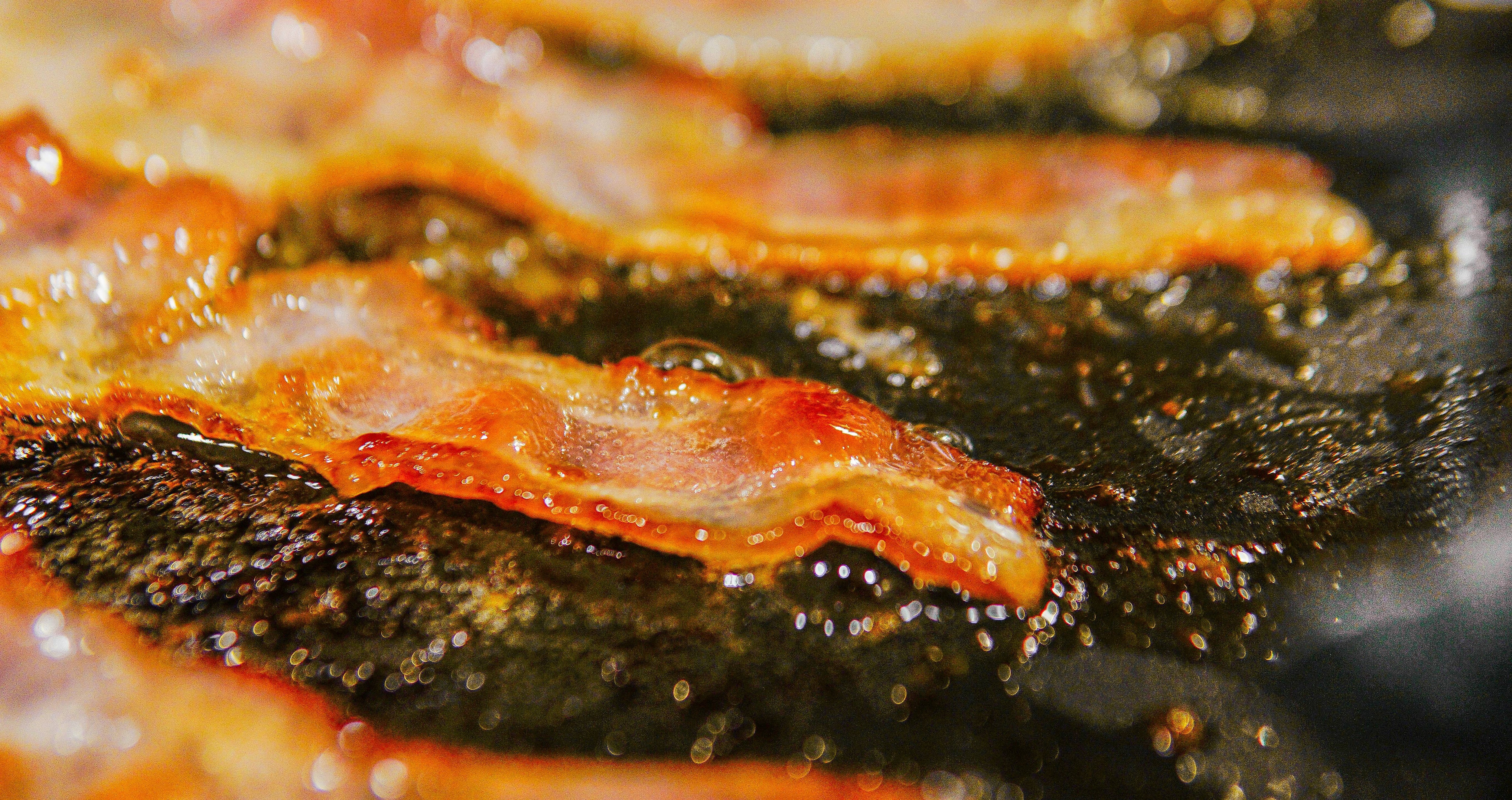
Before washing the bacon pan, look at what is left. A spoonful of the rendered fat can season potatoes, beans, eggs or greens.
After cooking bacon, strain the warm fat into a clean, heat-safe jar to remove burnt bits. Cool, cover and store it in the refrigerator for best keeping quality.
Use a spoonful rather than making it your default cooking fat. Keep the jar covered and chilled, and discard the fat if its smell changes.
20. South Africa: Treat Biltong Drying Seriously
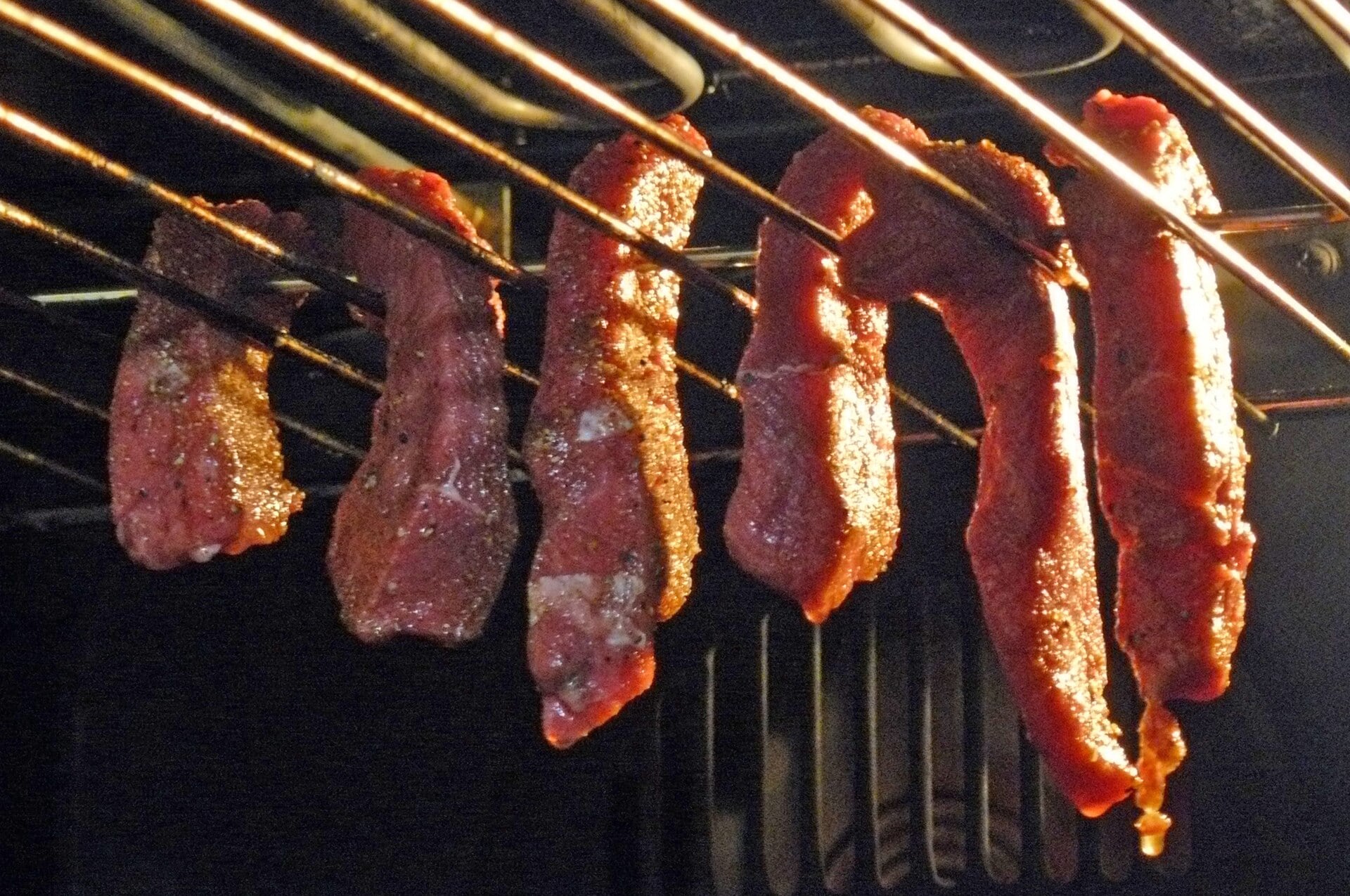
Vinegar alone will not turn strips of meat into biltong. The flavour develops through seasoning and controlled drying; careful handling matters just as much.
Use clean equipment, reliable curing guidance and evenly cut meat so the strips dry at a similar rate. Classic seasonings include coriander, black pepper and coarse salt.
Cut raw meat with the grain if desired, then slice finished biltong against it for easier eating. Follow a tested method if you cannot control the drying conditions reliably.
21. Russia: Add Dill Near the End
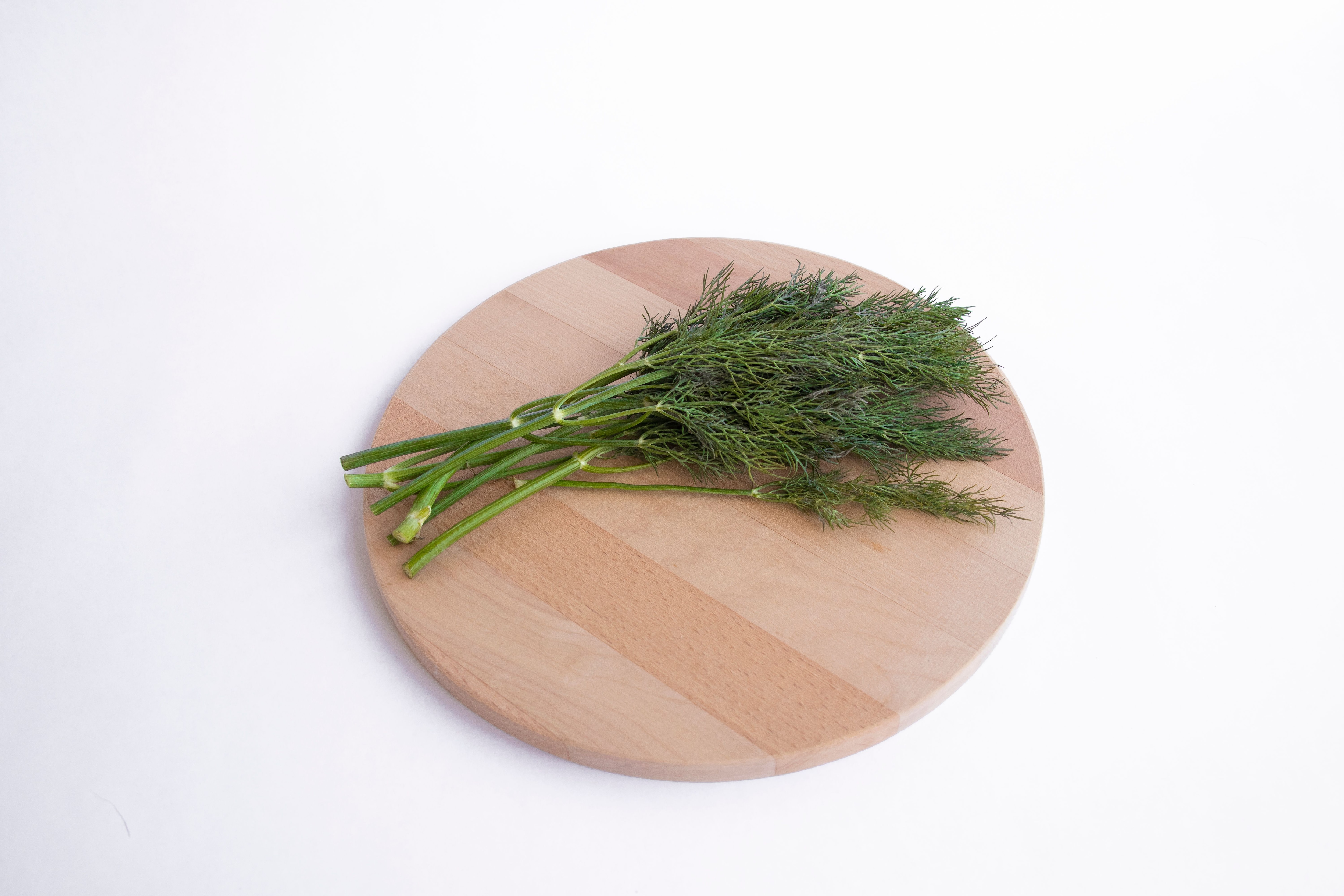
Dill is not a decorative afterthought here. Fold a handful through warm potatoes or creamy cucumber salad and you will taste why. Chop fresh dill and fold it into food near the end of cooking.
Long simmering dulls its colour and aroma, especially in simple dishes where it should stand out.
Freeze extra dill after washing and drying it well. It loses its crispness after thawing but still flavours soup, scrambled eggs and buttery potatoes. Add a fresh pinch on top if you have it.
22. Indonesia: Steam Food in Banana Leaves
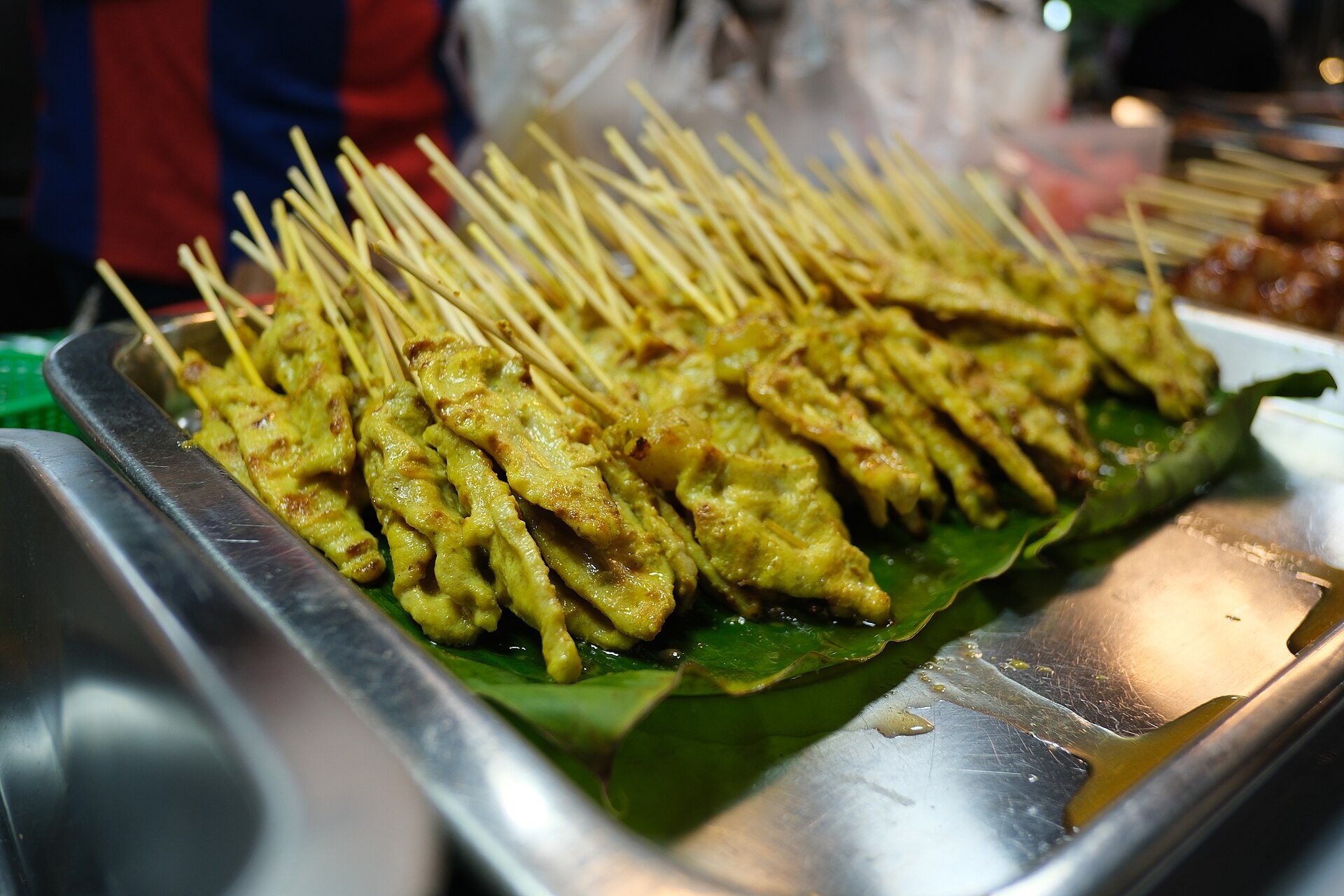
Wrap fish, tofu, chicken or vegetables in banana leaf and the packet holds in steam and juices. The leaf lends a subtle grassy aroma.
For Indonesian-style pepes, coat food in a spice paste, wrap it securely and steam or grill it. Briefly heat or blanch the leaves first if they seem brittle.
Wash the leaves and remove tough central ribs before folding. It works especially well when you want delicate food to steam in its own fragrant juices.
23. Philippines: Try Banana Ketchup Properly
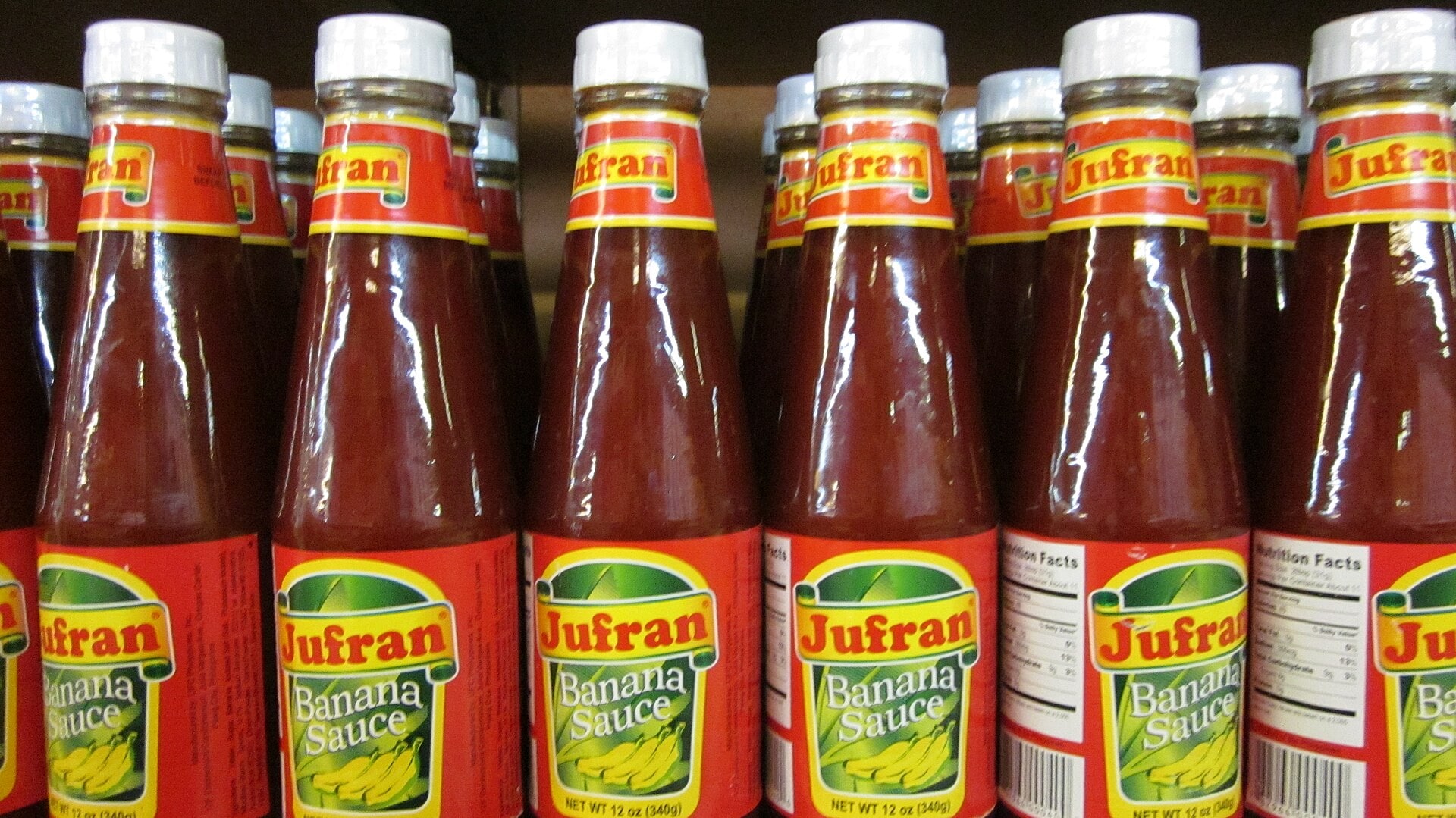
Banana ketchup sounds odd until it meets fried chicken. Sweet, tart and distinctly Filipino, it grew popular when bananas were plentiful and tomatoes less so.
The sauce typically combines banana, sugar, vinegar and spices, with red colouring sometimes added. Its fruity sweetness works particularly well with salty, fried and grilled foods.
Serve it with fried chicken, breakfast plates, grilled meats or Filipino-style spaghetti. Taste it on its own terms: sweet, sour and surprisingly good with salty food.
24. Peru: Dress Ceviche Just Before Serving
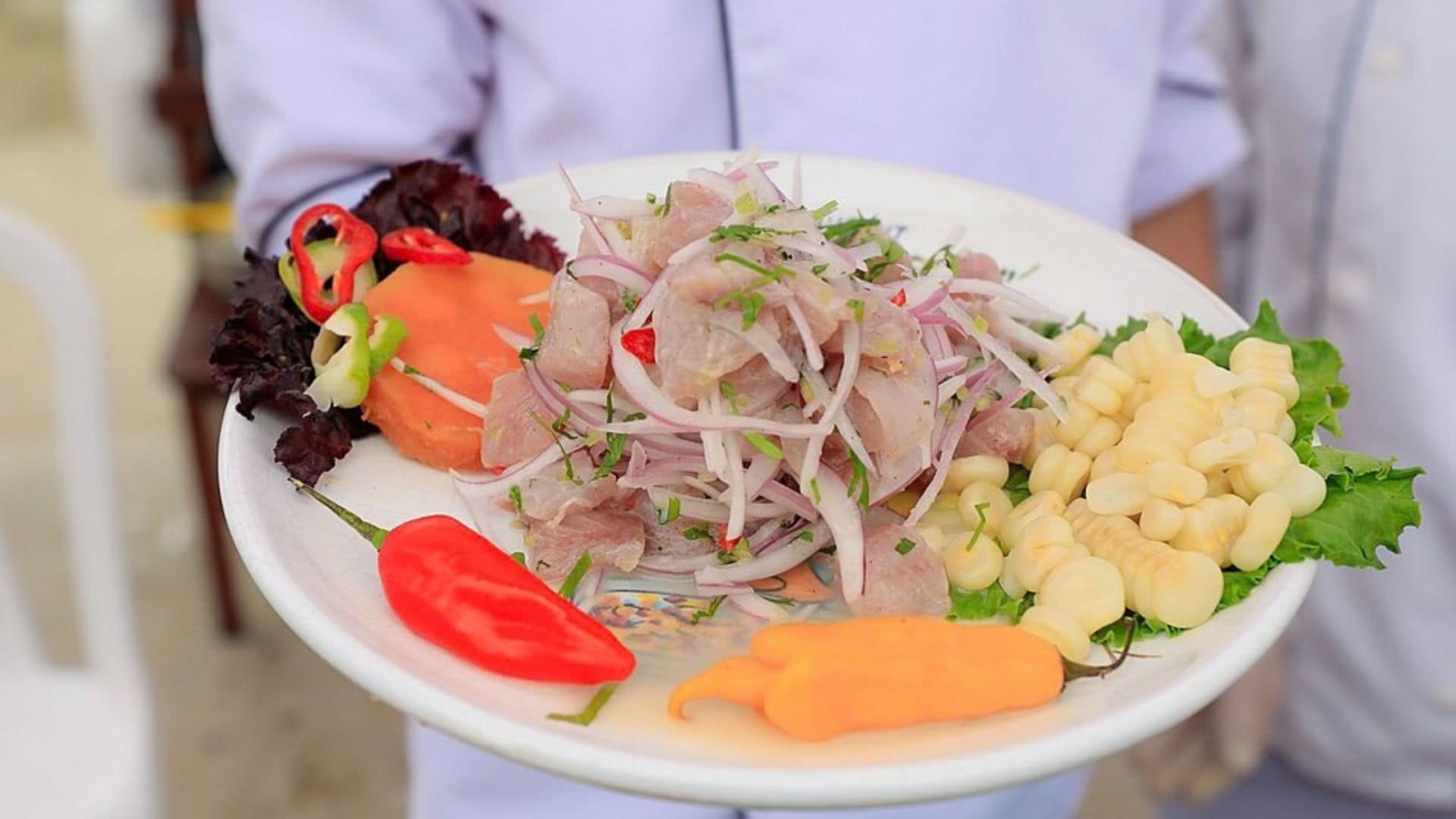
Ceviche needs a short encounter with lime, not an afternoon-long soak. The juice firms the fish, but too much time leaves it chalky.
Use high-quality seafood intended for raw preparation, keep it cold and add lime close to serving time. Balance the acidity with chilli, corn and sweet potato.
Lime juice is no substitute for cooking when it comes to food safety. Keep seafood chilled, and serve a cooked alternative to anyone avoiding raw fish.
25. Hungary: Bloom Paprika Carefully
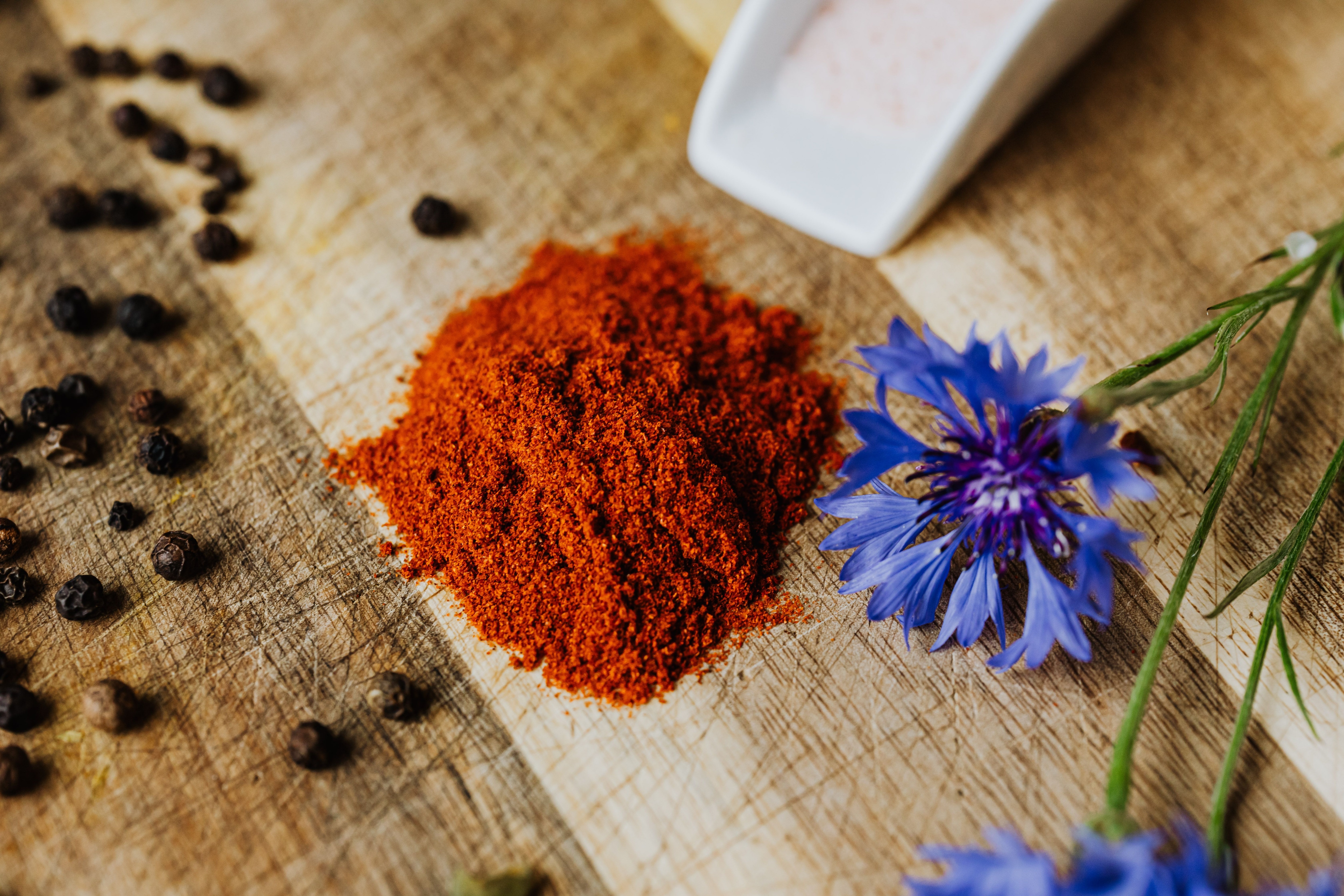
Paprika gives Hungarian stews and soups their warmth and colour. Yet leave it over fierce heat for a moment too long and its sweetness turns bitter.
Cook onions first, then briefly move the pan away from direct heat before stirring paprika into the fat. Add liquid soon after to protect its flavour.
Try layering varieties: sweet paprika for colour, hot paprika for heat and smoked paprika for a different style of depth. Keep your paprika jars away from heat and sunlight.
26. Poland: Let Good Butter Do Its Job
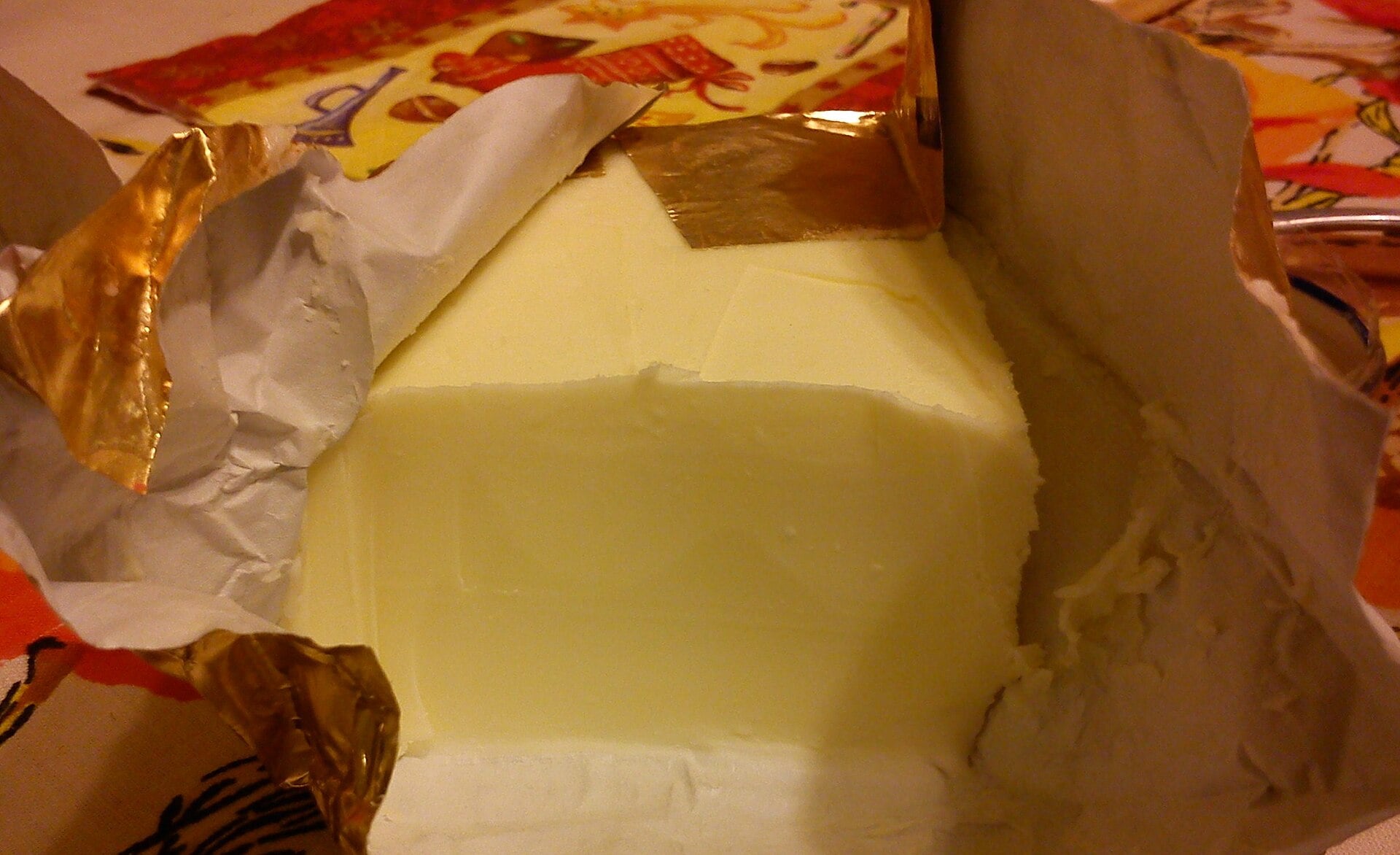
New potatoes, butter, dill, salt. That is nearly the whole recipe, and that is its charm. Use butter you actually enjoy tasting.
Choose butter with a clean dairy flavour, then melt it gently over hot new potatoes. Add dill and salt while the potatoes are still steaming.
Do not accidentally brown the butter unless that nutty flavour is what you want. A good ingredient often tastes best when you give it room to shine.
27. Jamaica: Build Jerk Flavour in Layers
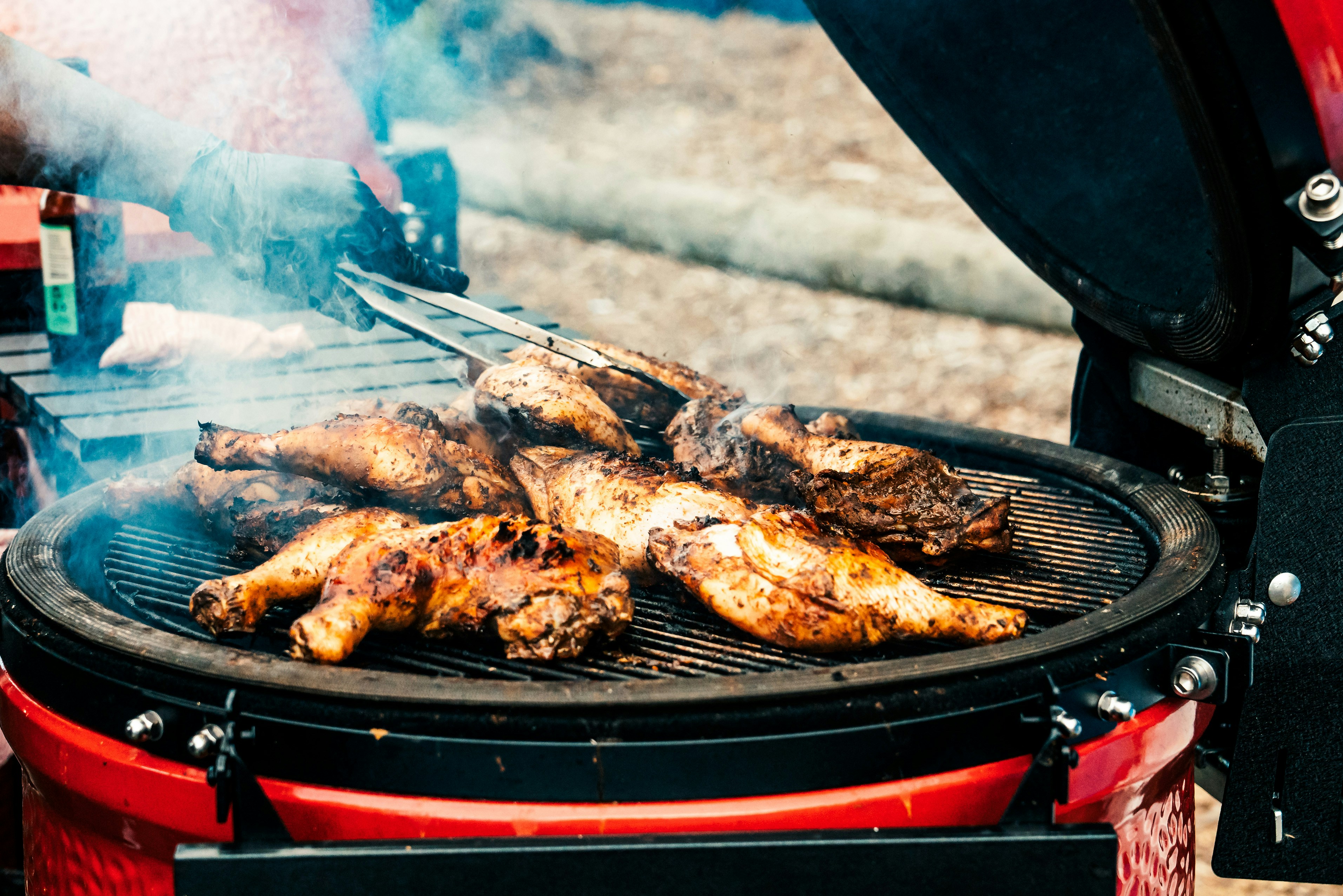
If all you taste is chilli, you are missing much of jerk. Scotch bonnet, allspice, thyme, scallion, garlic and smoke build its unmistakable depth.
Season meat well in advance, then cook it over charcoal or wood when possible. The smoke and gradual cooking produce deeper flavour than a quick oven roast.
At home, use Scotch bonnet carefully and build around allspice and thyme. The result can still carry the layered character that makes jerk so memorable.
28. Cuba: Press a Cubano Until Unified
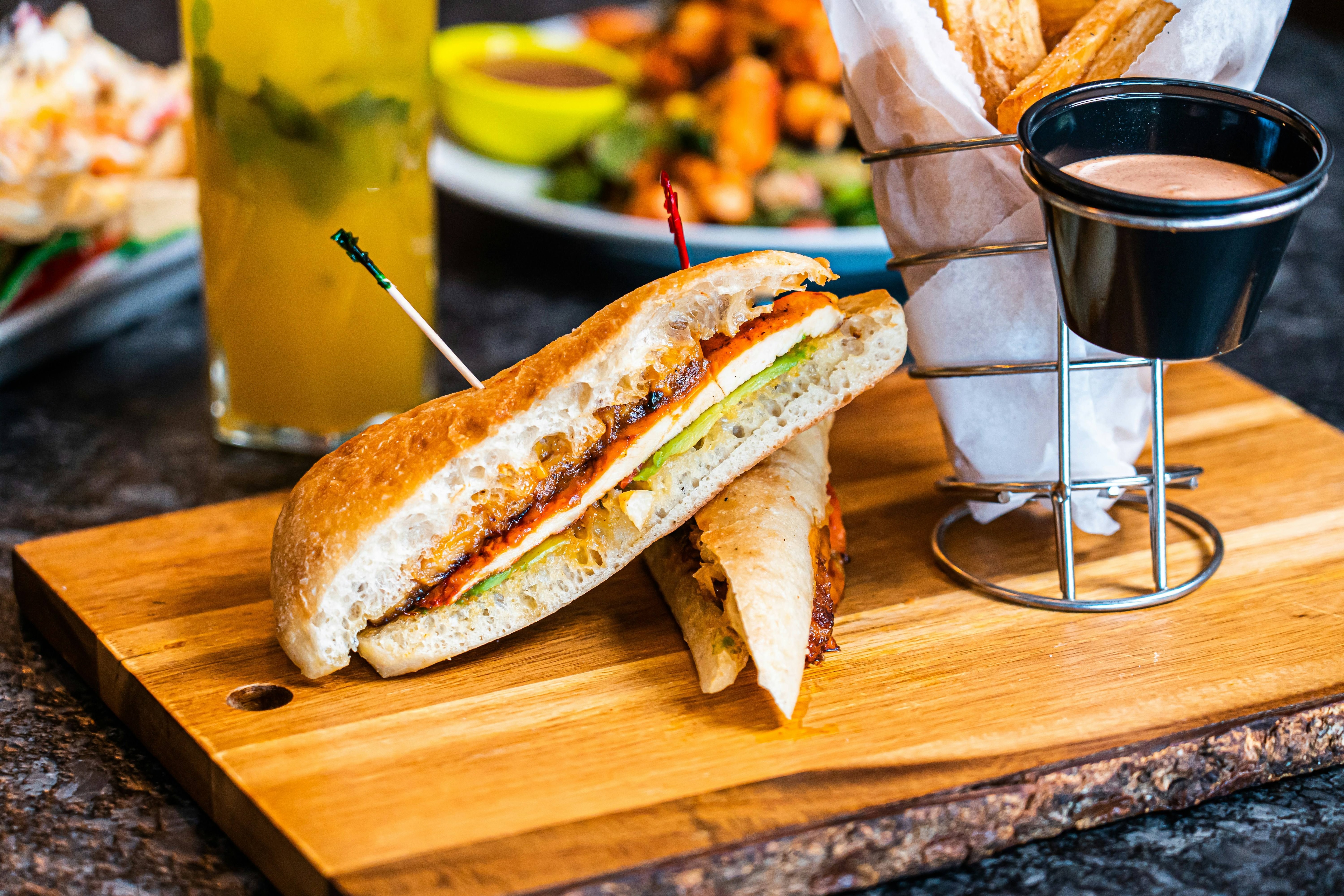
Press a Cubano until the bread cracks lightly and the Swiss melts into the pork and ham. The whole sandwich should feel hot and compact.
Layer roast pork, ham, Swiss cheese, yellow mustard and pickles in Cuban bread or another soft white loaf. Butter the outside and press in a sandwich maker or weighted skillet.
The pickles matter more than you think. Their sharpness cuts through the pork, cheese and butter, stopping the sandwich from becoming overwhelmingly rich or heavy.
29. Australia: Use Two Skewers for Kebabs
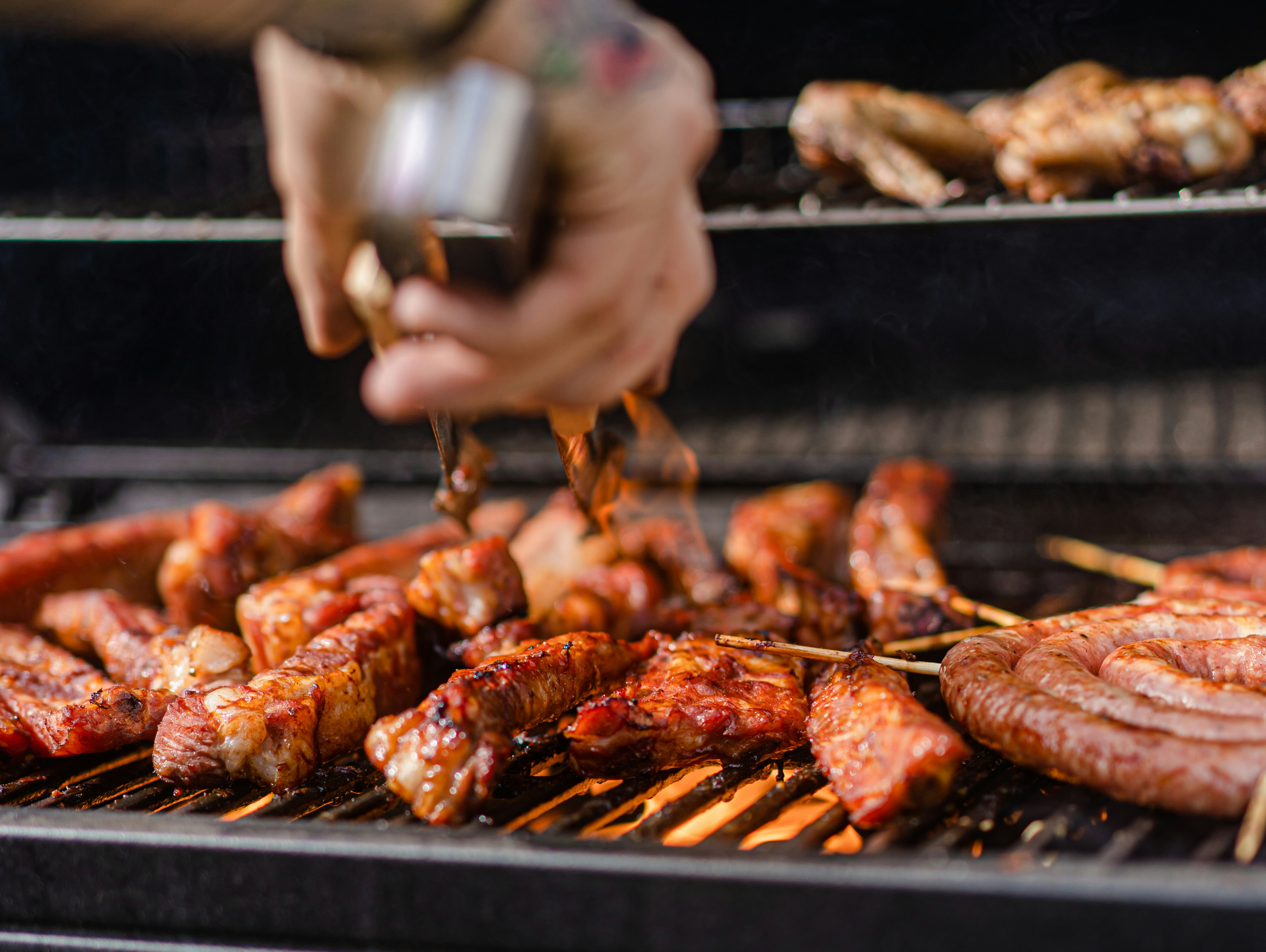
Ever turn a skewer only to have the meat stay put? Thread pieces onto two parallel skewers and they will turn with you.
For delicate fish, place lemon slices under it to reduce sticking and add aroma. On a covered gas grill, a pierced pouch of wood chips can add smoke.
Preheat well and oil the food rather than flooding the grates. Let proteins release naturally before flipping; forcing them early is how sticking starts.
30. Egypt: Make Falafel With Fava Beans
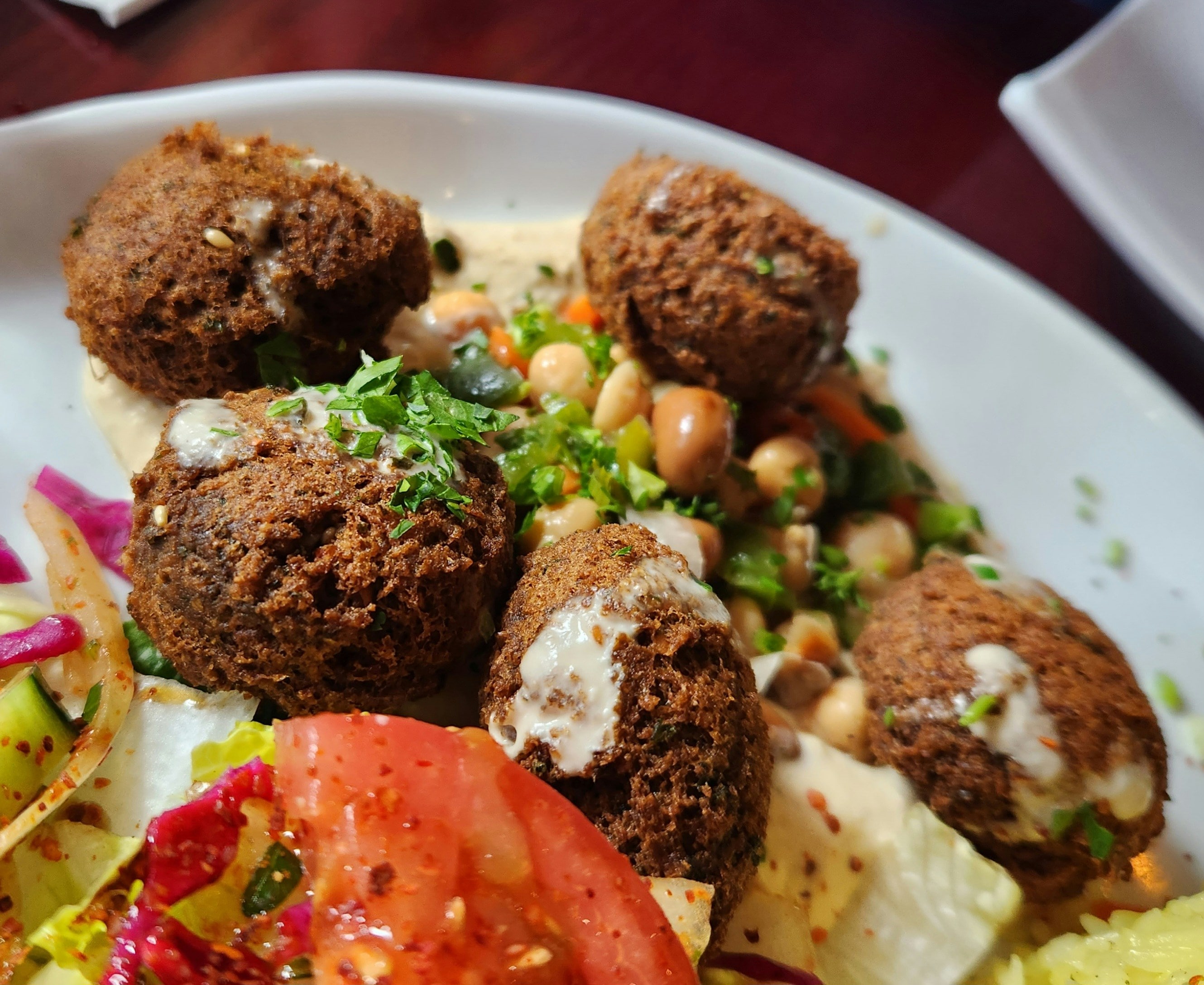
Egyptian ta'ameya begins with soaked fava beans, giving it a green centre and a different bite from chickpea falafel. Do not cook the beans before grinding.
Blend them with garlic, herbs, onion or leek and seasonings, keeping the mixture slightly coarse. Shape, coat with sesame seeds and chill briefly before frying.
Fry in properly heated oil. If the oil is cool, ta'ameya turns greasy; too hot, and it browns before the centre cooks.
31. Iran: Bloom Saffron Before Using It
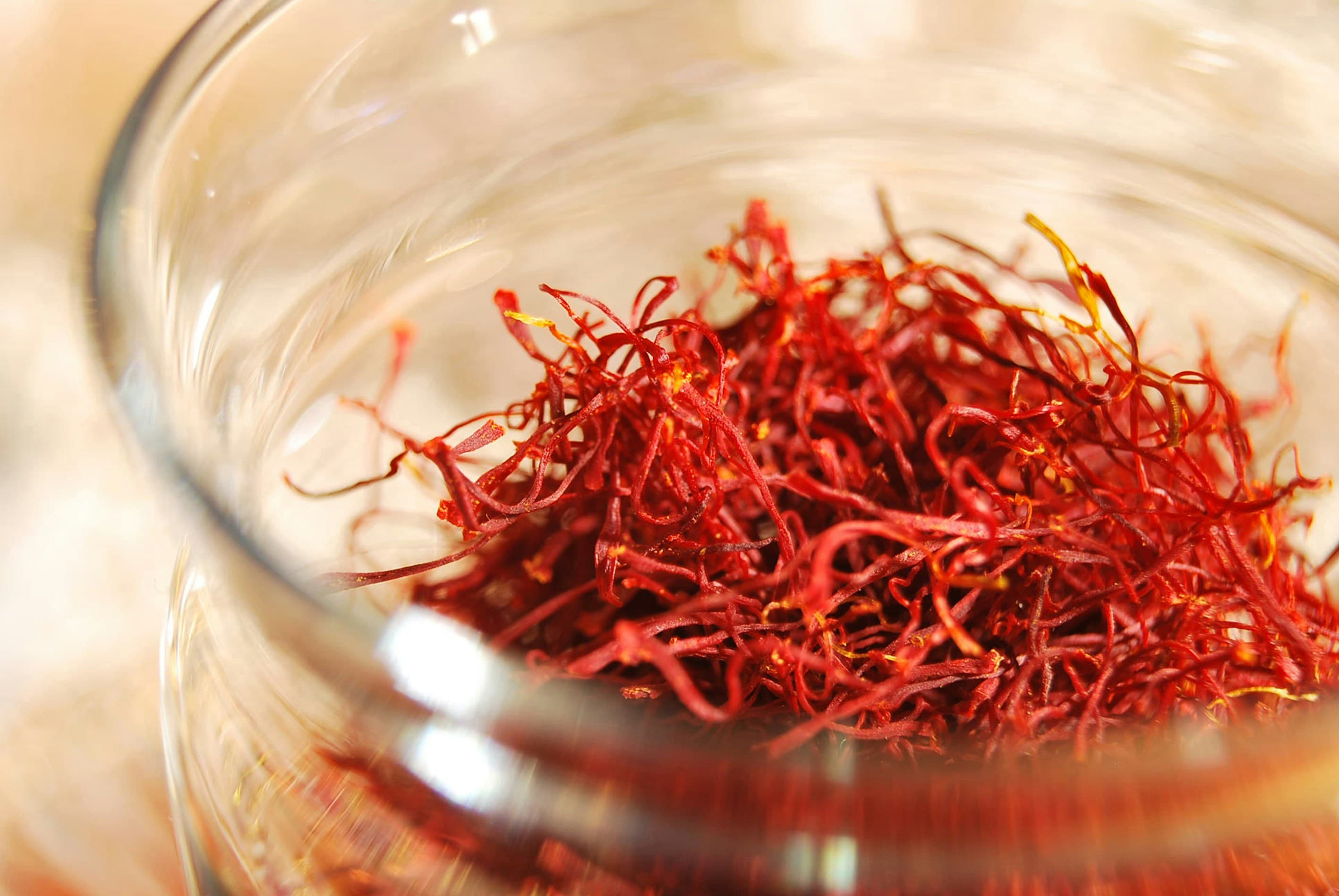
A few saffron threads can colour a whole dish if you bloom them first. Crush them so their fragrance reaches the rice, stew or dessert evenly.
Crush the threads with a tiny pinch of sugar or salt, then steep them in hot water. Another common approach is letting ground saffron bloom over melting ice.
Add the saffron liquid gradually. A little makes golden streaks through rice; too much can dominate the dish and waste an expensive spice.
32. Norway: Roll Flatbread Very Thin
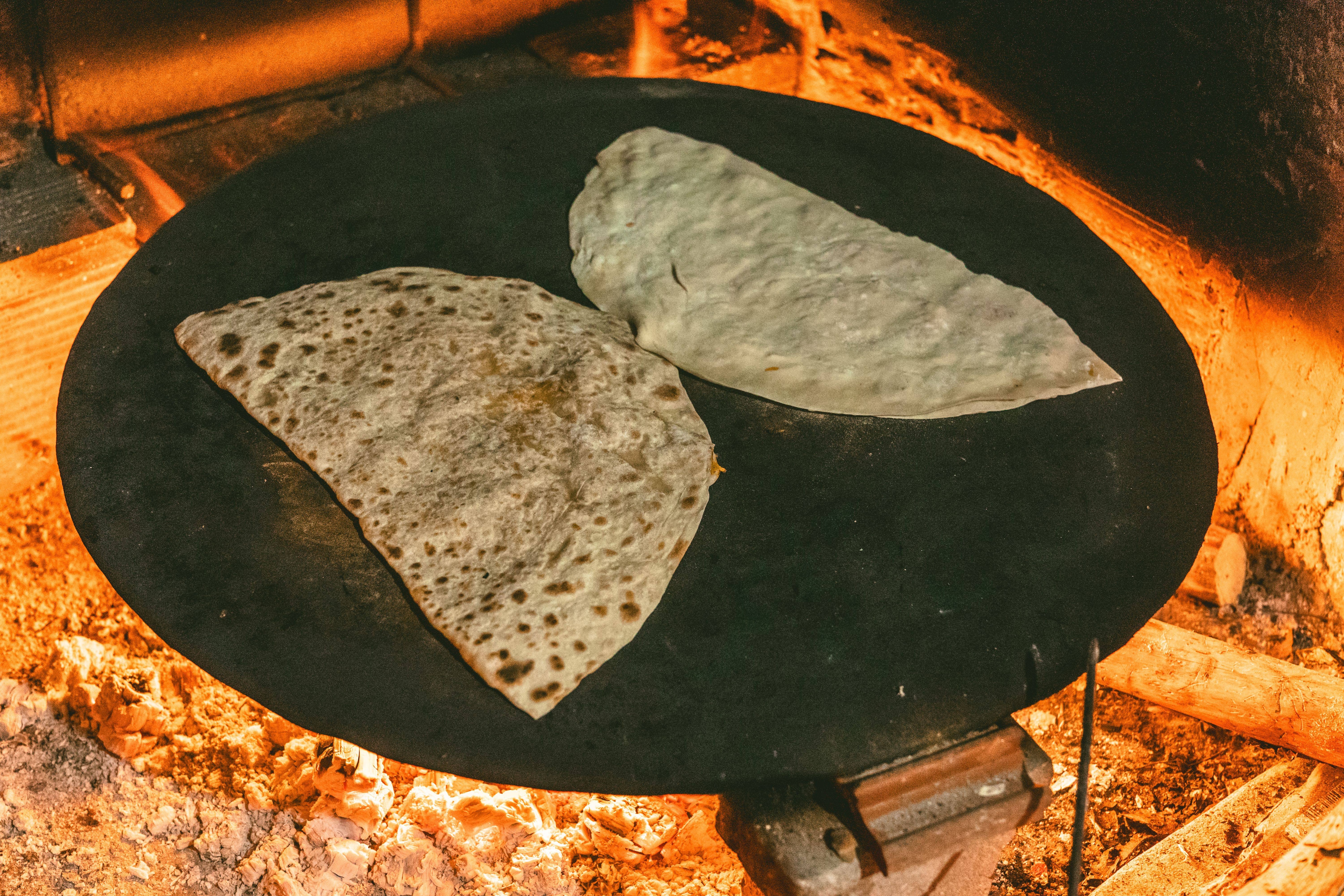
Norwegian flatbrød is lean, crisp and made to keep. Its appeal lies in simple grains, very thin rolling and a quick cook on a hot surface.
Aim for an even, very thin dough, then cook it on a dry hot surface until crisp without scorching. Consistent heat matters more than rich ingredients or lengthy proofing.
Cool it completely before storing in an airtight container. Trapped moisture will take away the snap that makes this bread such a pleasure.
33. Portugal: Respect Sugar Temperature

Sugar syrup can go from fluid to thick remarkably fast. When you are making Portugal's yolk-rich custards and sweets, that change decides the final texture.
Use a thermometer while learning. When a recipe calls for hot syrup mixed into yolks, stream it in slowly while whisking constantly to prevent scrambling.
Precision creates the texture you want: glossy custard, smooth fillings and rich pastry that does not feel heavy. A thermometer beats guesswork when those few degrees matter.
34. Czech Republic: Pair Beer With Rich Food

A cold Czech lager earns its place beside rich food. Bubbles refresh the palate, bitterness cuts fat and malt can meet the savouriness of a roast.
A crisp lager works with fried cheese, sausages, pickles and pork. Maltier beers can suit roast meats, stews and gravy-heavy dishes more comfortably.
Let the food guide your choice. Fatty foods often benefit from bitterness and bubbles, while browned, savoury dishes can pair well with a beer that has more malt depth.
35. Nigeria: Fry Down the Jollof Base
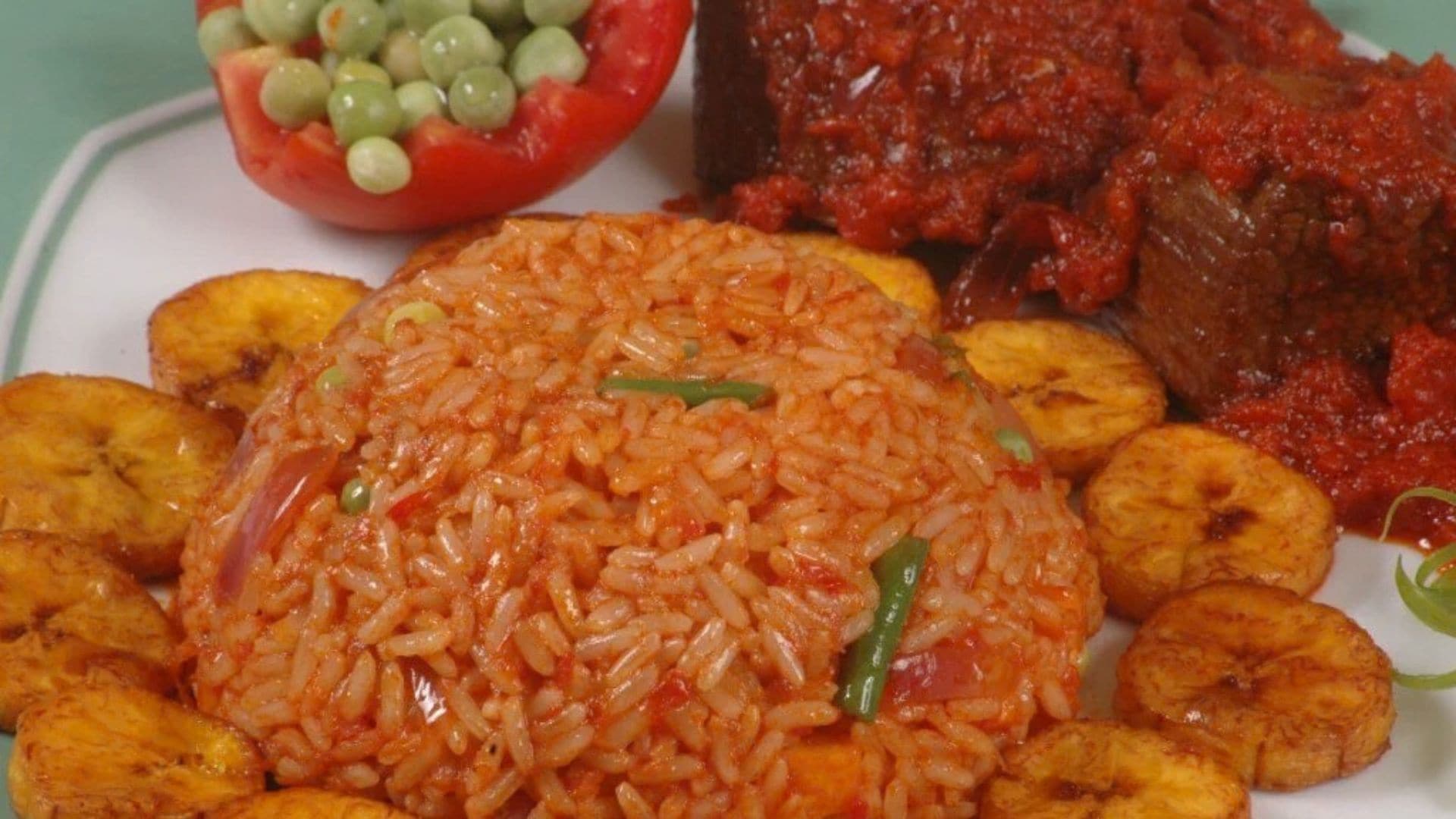
The temptation is to add the rice early. Wait. The tomato, pepper and onion base needs to darken and lose its raw taste first.
Fry the blended mixture until it tastes sweeter, deeper and less raw, then add stock, seasonings and long-grain parboiled rice. Cook until the grains absorb flavour but remain distinct.
Aim for concentrated sauce and gently browned edges, not burnt rice. A little browning brings smokiness; a well-reduced sauce provides the depth beneath it. Scrape and taste the base before you add the rice.
Track Latest News Live on NDTV.com and get news updates from India and around the world


