



Study Of Astronomy
- All
- News
- Videos
-

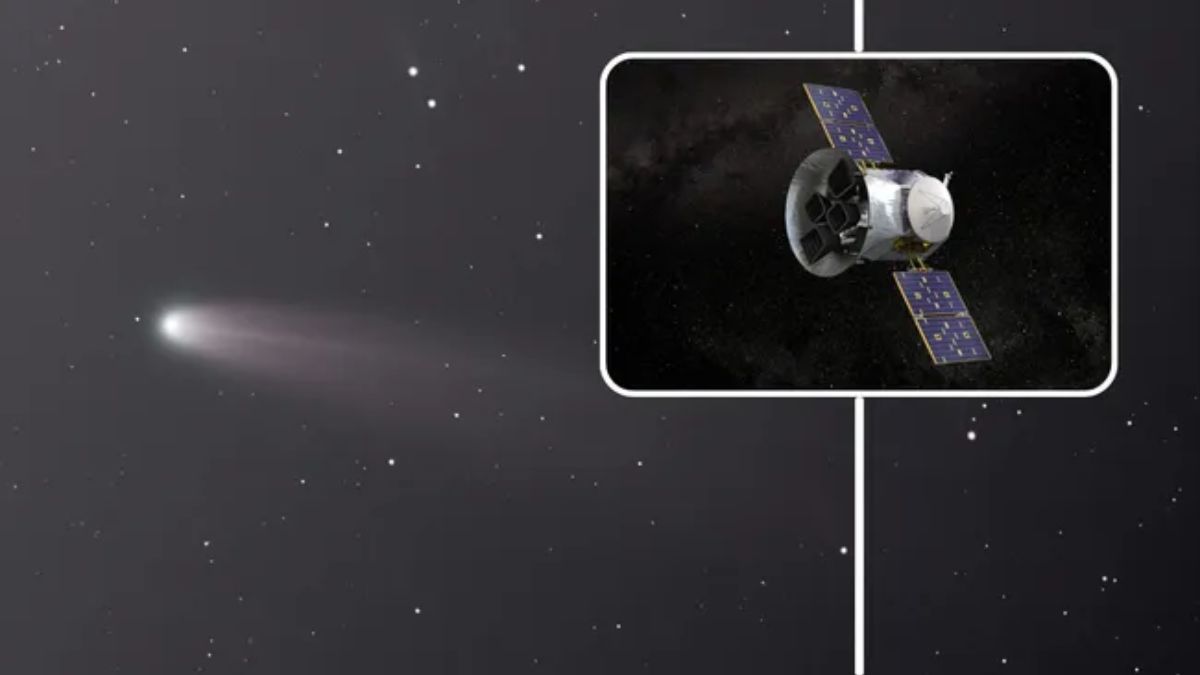
NASA’s TESS Captures First Images of Rare Interstellar Comet 3I/ATLAS
NASA’s Transiting Exoplanet Survey Satellite has captured rare images of interstellar comet 3I/ATLAS, only the third such object ever detected. Observations from January 2026 reveal the comet rotates every 15 hours and produces sunlight-driven jets, behaving much like Solar System comets. Scientists say studying 3I/ATLAS may unlock clues about th...
-
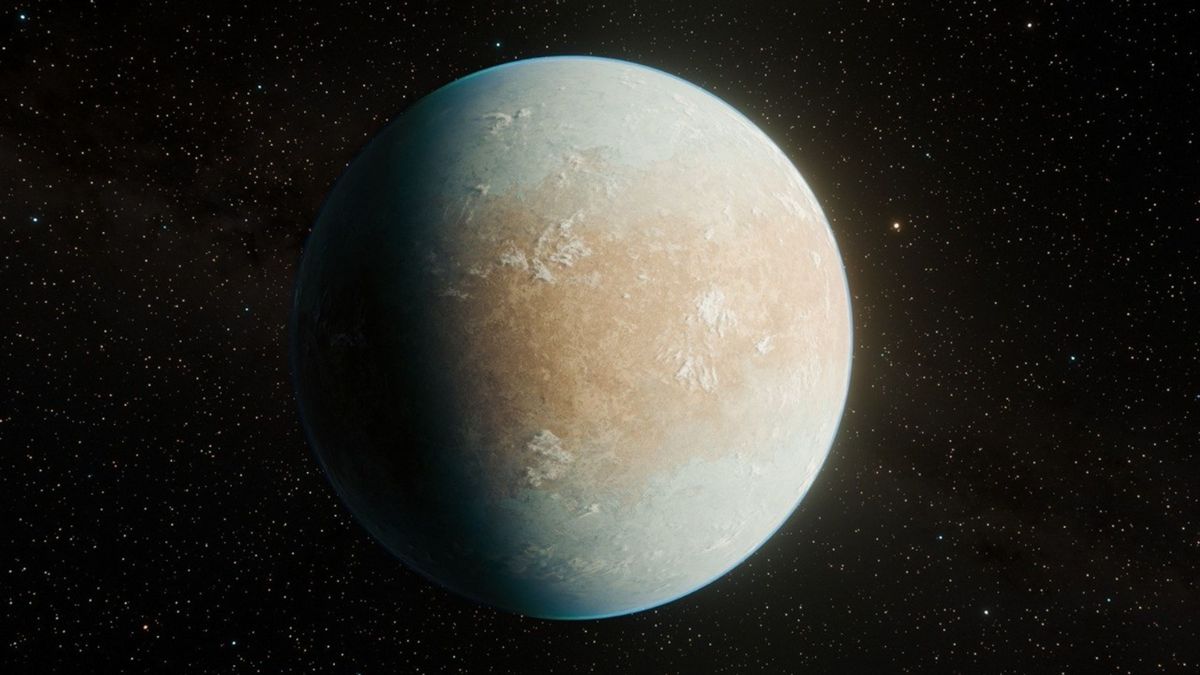
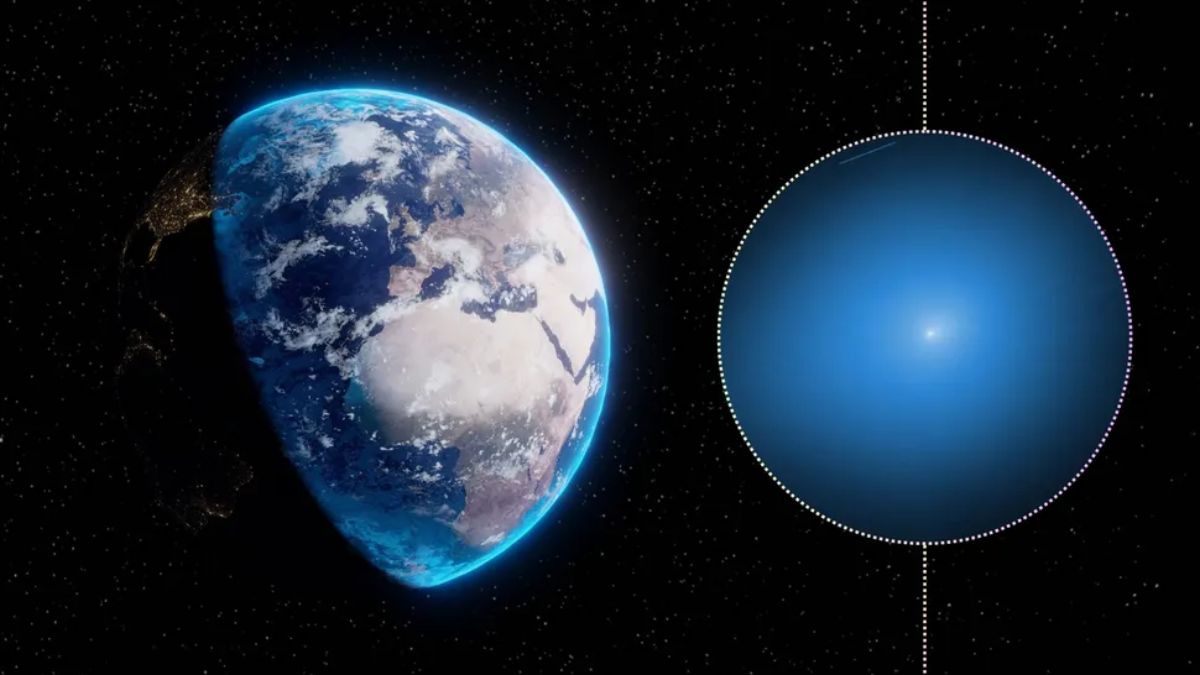
Kepler Data Reveals Earth-Size Exoplanet on the Edge of Its Star’s Habitable Zone
Scientists studying Kepler telescope data have identified HD 137010 b, a possible Earth-sized planet orbiting a Sun-like star. While the planet follows a year-long orbit and may sit near the habitable zone, limited starlight could leave it colder than Mars. Future observations will determine whether this icy world truly exists.
-
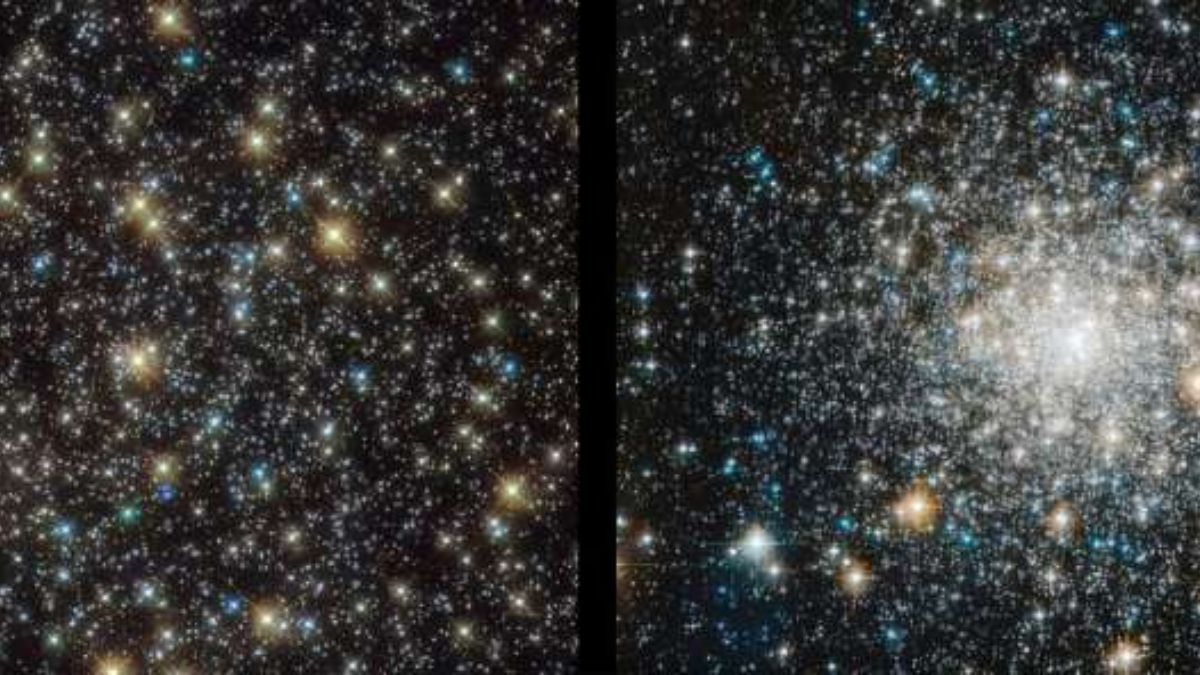
Hubble Reveals How Blue Straggler Stars Stay Young in Ancient Clusters
Astronomers using the Hubble Space Telescope have uncovered new clues to the mystery of blue straggler stars—unusually hot, bright stars found in ancient globular clusters. By studying ultraviolet light from 48 clusters, scientists discovered that blue stragglers are more common in sparse clusters, supporting the idea that they form through binar...
-
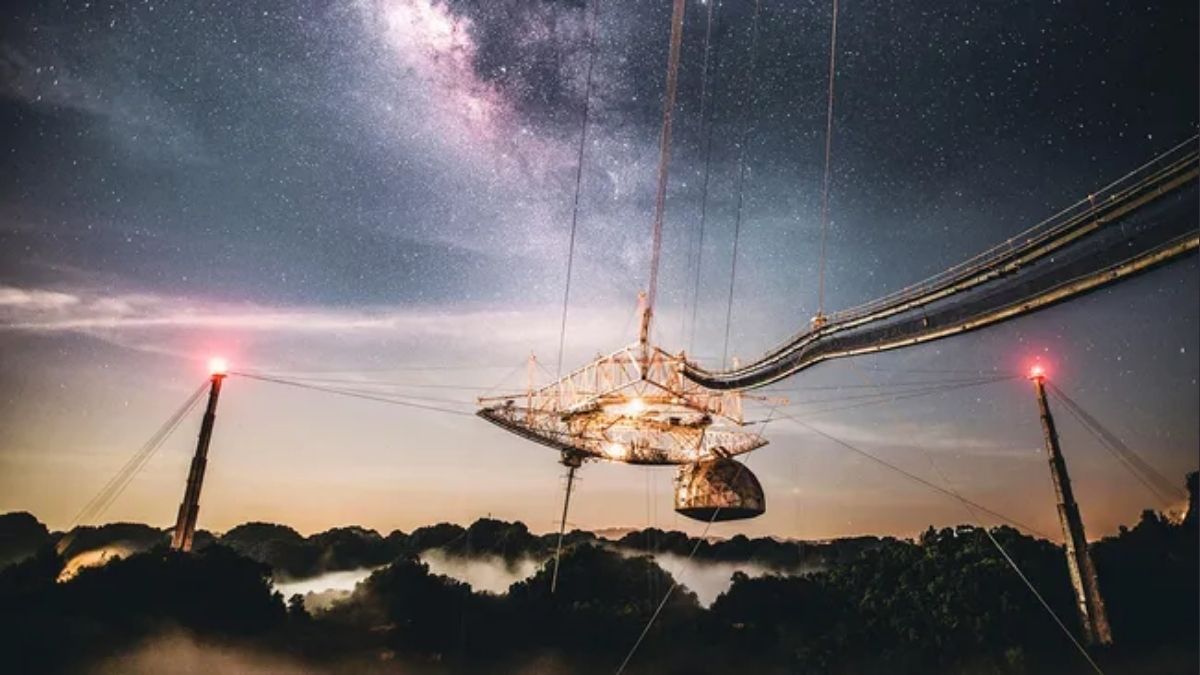
Scientists Study 100 Possible Alien Signals as Arecibo’s Historic SETI Search Concludes
Scientists are studying 100 possible alien radio signals identified from Arecibo Observatory data, bringing the 21-year SETI@Home project to a close. Supported by millions of volunteers, the effort found no confirmed alien messages but set new sensitivity standards. Researchers say the findings will guide future searches using more powerful radio t...
-
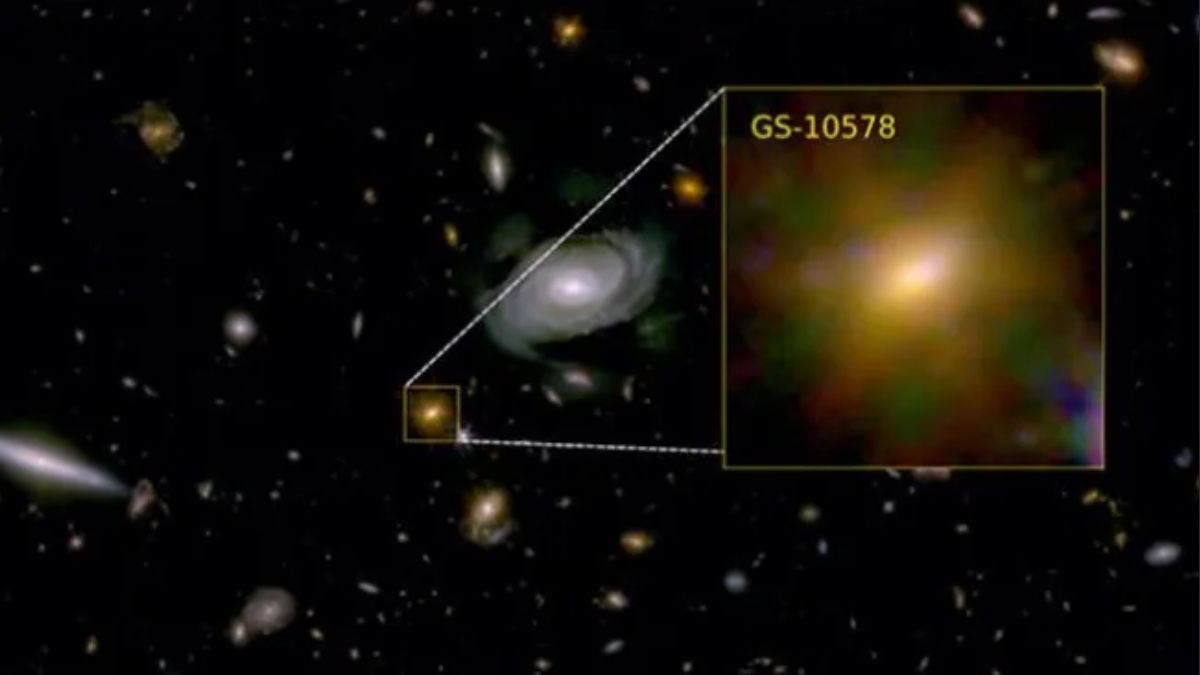
A Massive Black Hole Starved Pablo’s Galaxy, Ending Its Star Formation
Astronomers using the James Webb Space Telescope and ALMA have uncovered how a massive black hole shut down star formation in Pablo’s Galaxy. Powerful winds expelled gas at hundreds of kilometres per second, leaving almost no cold fuel behind. The findings suggest many early galaxies did not die explosively, but were slowly starved by their centr...
-
Astronomers Look to the Large Magellanic Cloud to Study How Stars Are Born
The Large Magellanic Cloud is a nearby dwarf galaxy glowing with star birth. Just 160,000 light-years away, it hosts vast nebulae like the Tarantula and historic events such as Supernova 1987A, offering astronomers a rare, close-up laboratory to study how stars form, evolve, and explode.
-
Astronomers Decode the Strange Behaviour of a Young Star 1,950 Light-Years Away
Astronomers have found that the young star V1180 Cassiopeiae shows a rare mix of accretion-driven brightening and dust-caused dimming. Based on nearly 25 years of observations, the study explains its long-standing variability and shows how early stellar growth is shaped by tightly linked accretion, extinction, and outflow processes.
-
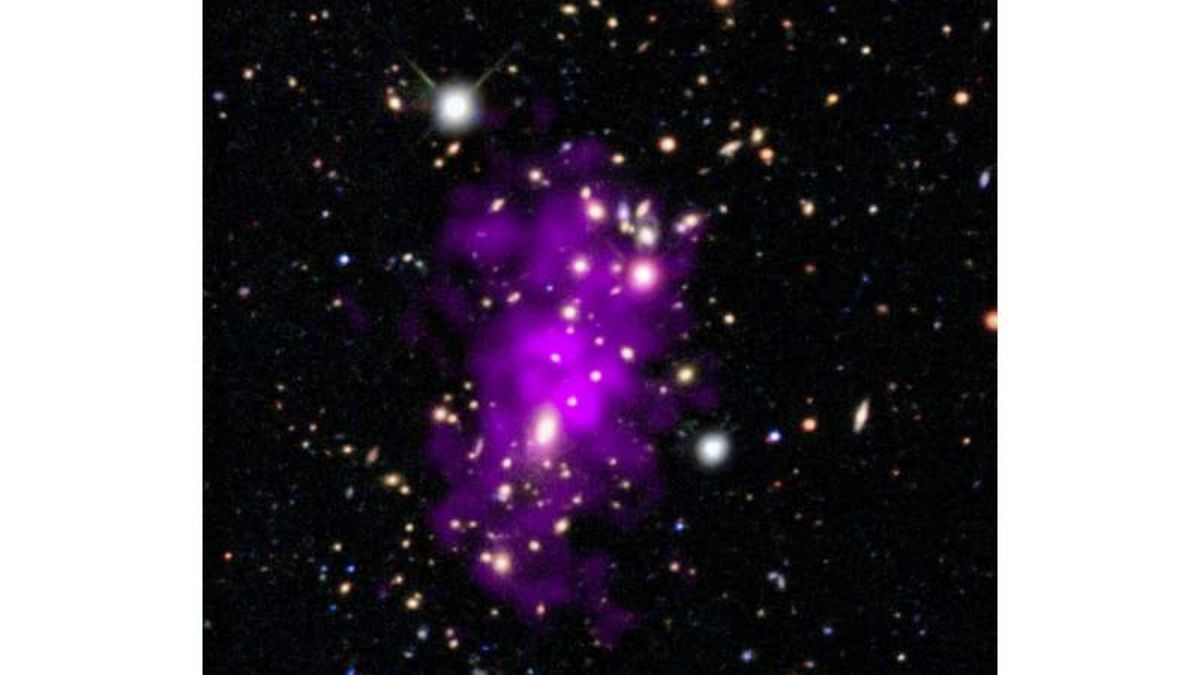
NASA’s Chandra Spots Champagne Cluster Formed by a Massive Galaxy Collision
Discovered on New Year’s Eve 2020, the Champagne Cluster is a striking pair of colliding galaxy clusters revealed through combined X-ray and optical observations. NASA’s Chandra X-ray Observatory shows superheated gas stretched and distorted, exposing a massive cosmic collision hidden from visible light alone. Studied by UC Davis astronomers, t...
-
Interstellar Comet 3I/ATLAS to Make Closest Approach to Earth on December 19
Interstellar comet 3I/ATLAS will make its closest approach to Earth on Dec. 19, passing safely at a vast distance. Discovered by NASA-funded telescopes, the rare visitor offers scientists a valuable chance to study material formed around another star. Observations from space telescopes are expected to deepen understanding of interstellar objects.
-
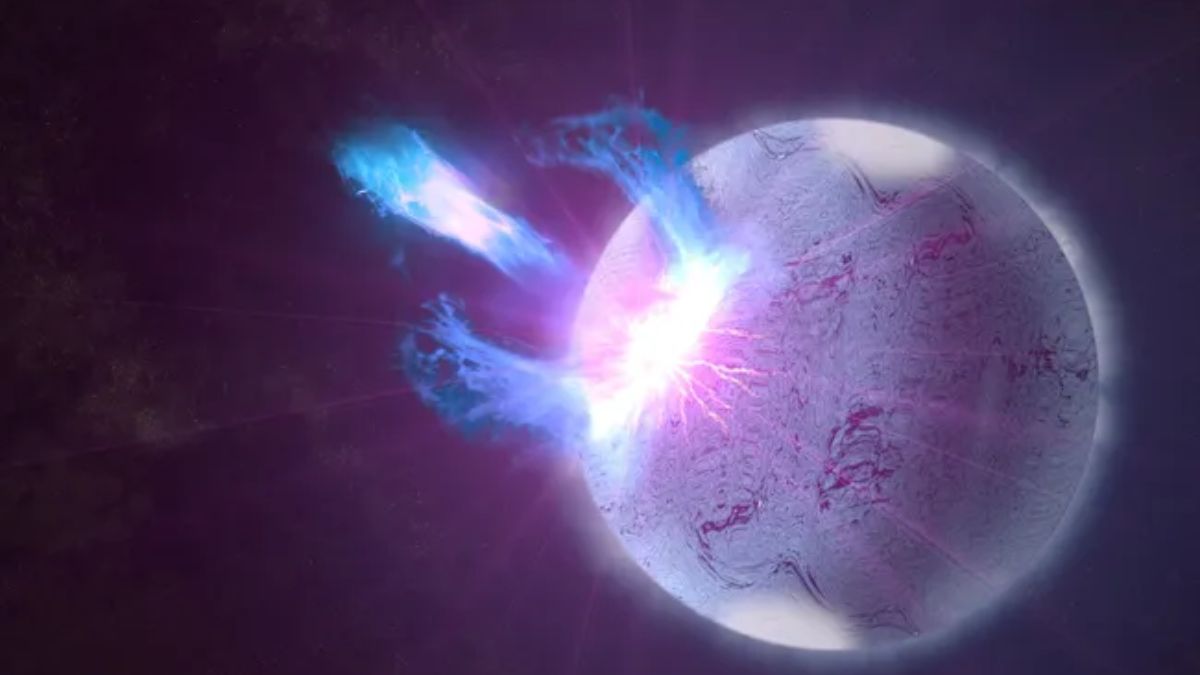
Astronomers Watch a Dormant Neutron Star Reignite After a Decade of Silence
Astronomers observed a neutron star known as P13 suddenly brighten after years of inactivity. The decade-long study shows how changes in accretion can drive extreme X-ray power, offering new insight into ultraluminous X-ray sources and neutron star physics.
-
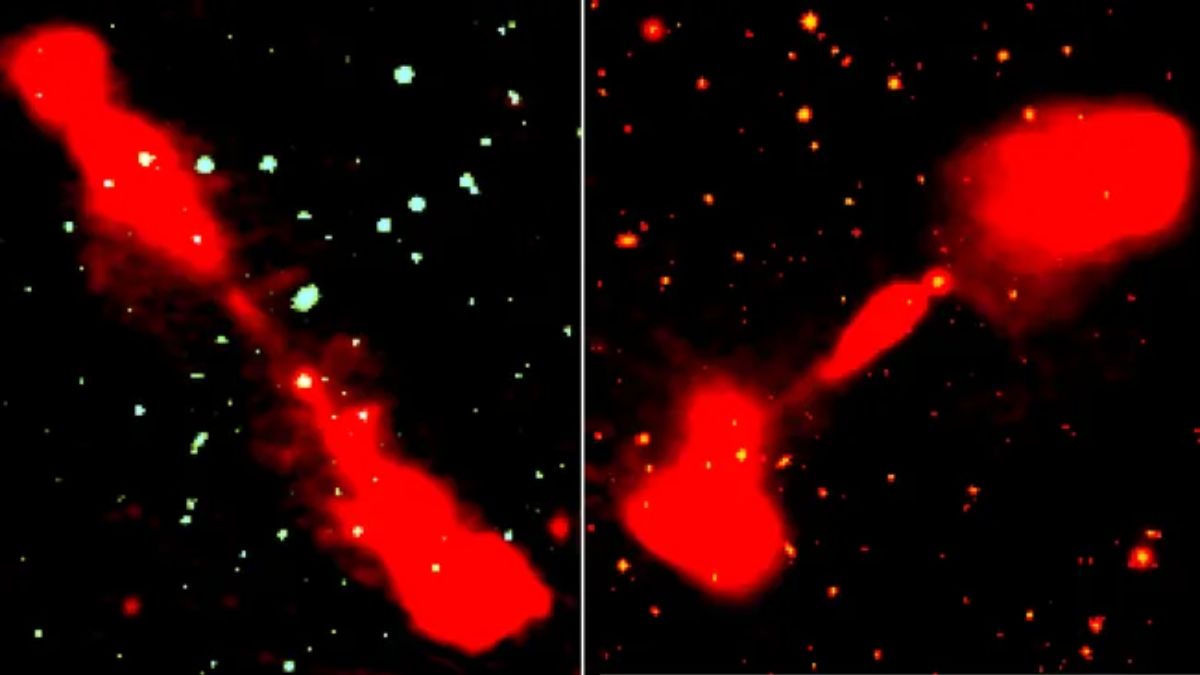
Indian Team Finds 53 Massive Quasars Blasting Jets Millions of Light-Years Long
Astronomers in India have identified 53 previously unknown giant radio quasars powered by supermassive black holes, each releasing enormous plasma jets reaching up to 7.2 million light-years—nearly 50 times the Milky Way’s diameter. Using GMRT data, the team expanded the catalog of known giant quasars and offered valuable clues about how black ...
-
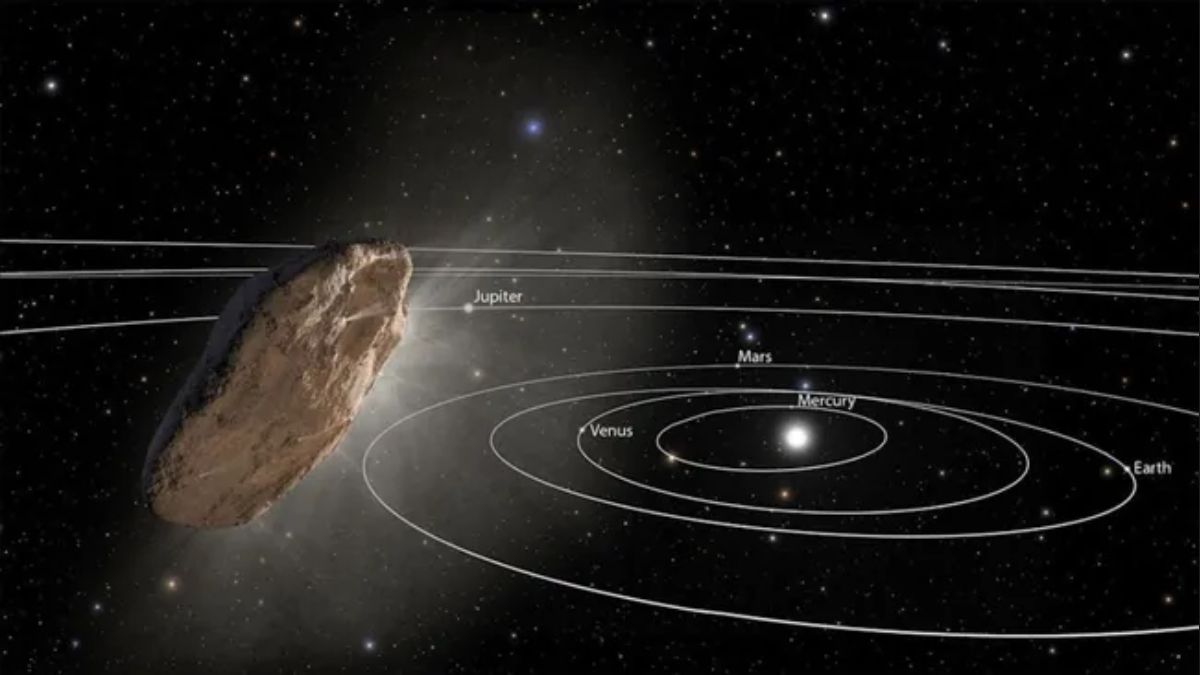
New Study Models How Interstellar Objects Could Approach and Impact Earth
A new study simulating billions of hypothetical interstellar objects finds that potential Earth-crossing bodies would most likely arrive from the solar apex and the galactic plane. The research highlights relative approach patterns rather than predicting real impacts. Scientists emphasise that known visitors like ‘Oumuamua and Borisov pose no dan...
-
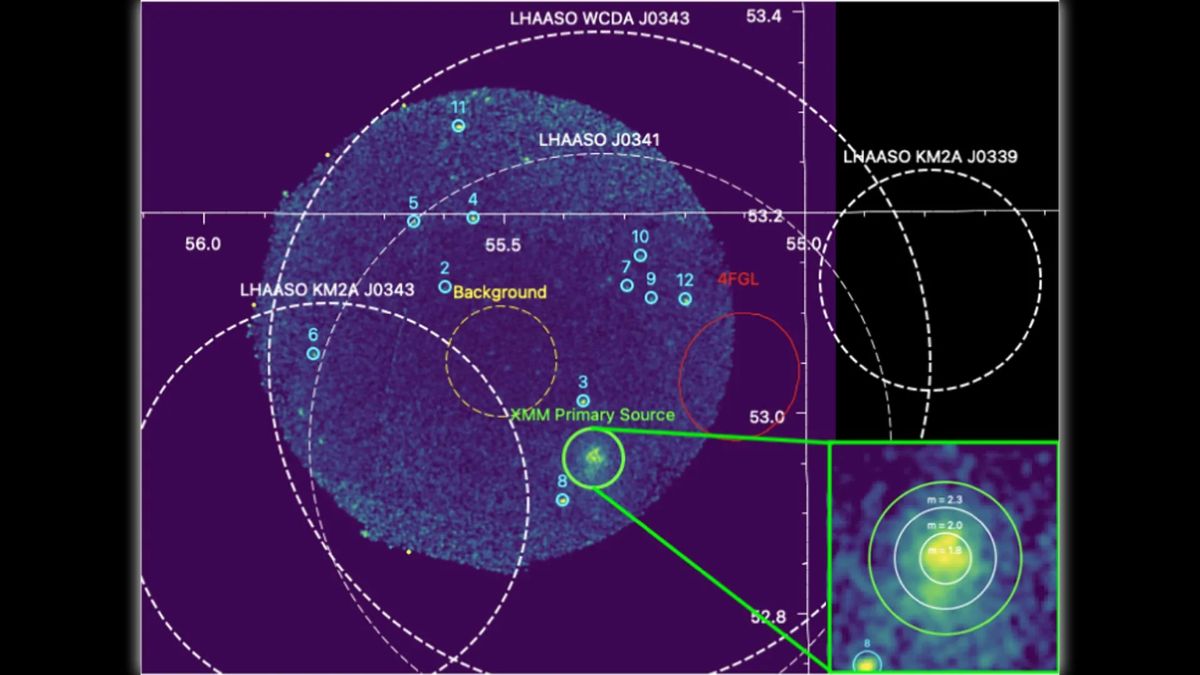
X-Ray Nebula Discovery Brings Astronomers Closer to Solving Cosmic Ray Mystery
A new study has linked an unexplained LHAASO detection to a pulsar-powered X-ray nebula, confirming it as a rare PeVatron capable of accelerating particles to extreme energies. The discovery is a major step toward solving the long-standing mystery of galactic cosmic rays. Researchers are now combining X-ray, gamma-ray and neutrino observations to t...
-
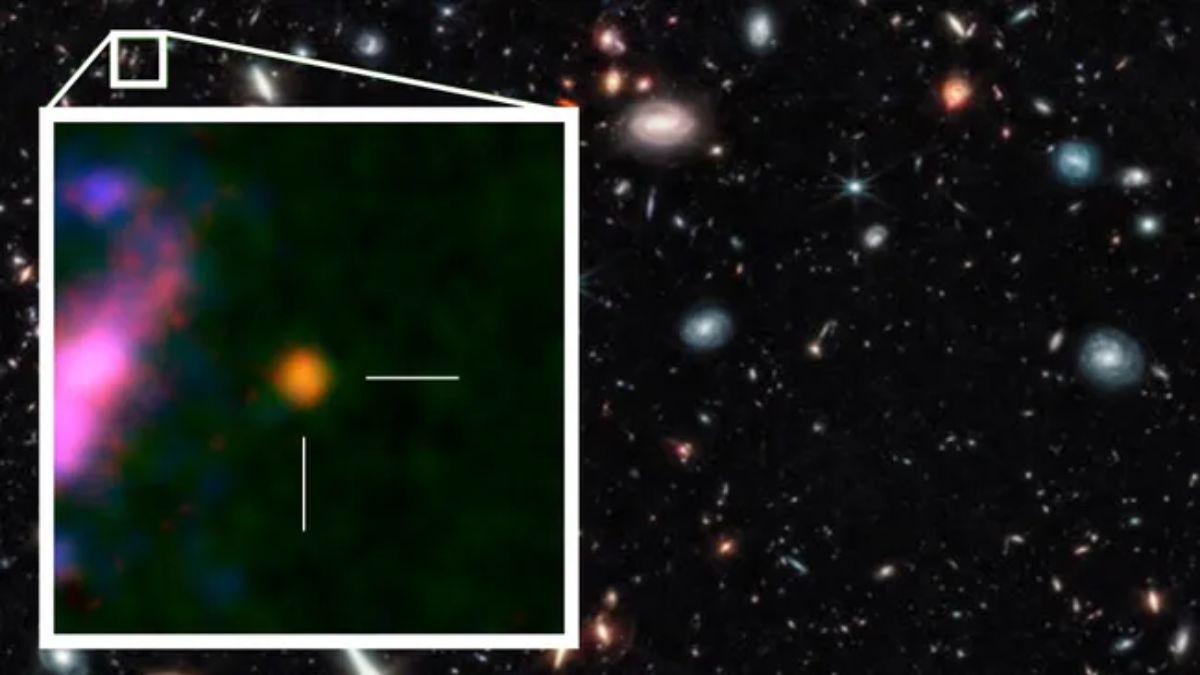
James Webb Telescope May Have Discovered Universe’s Earliest Supermassive Black Hole
James Webb may have discovered the universe’s earliest supermassive black hole in galaxy GHZ2. Observations reveal high-energy emission lines, challenging existing models of rapid black hole and galaxy growth. Upcoming JWST and ALMA studies aim to confirm AGN activity and refine our understanding of early cosmic evolution.
-
Supernova’s First Moments Show Olive-Shaped Blast in Groundbreaking Observations
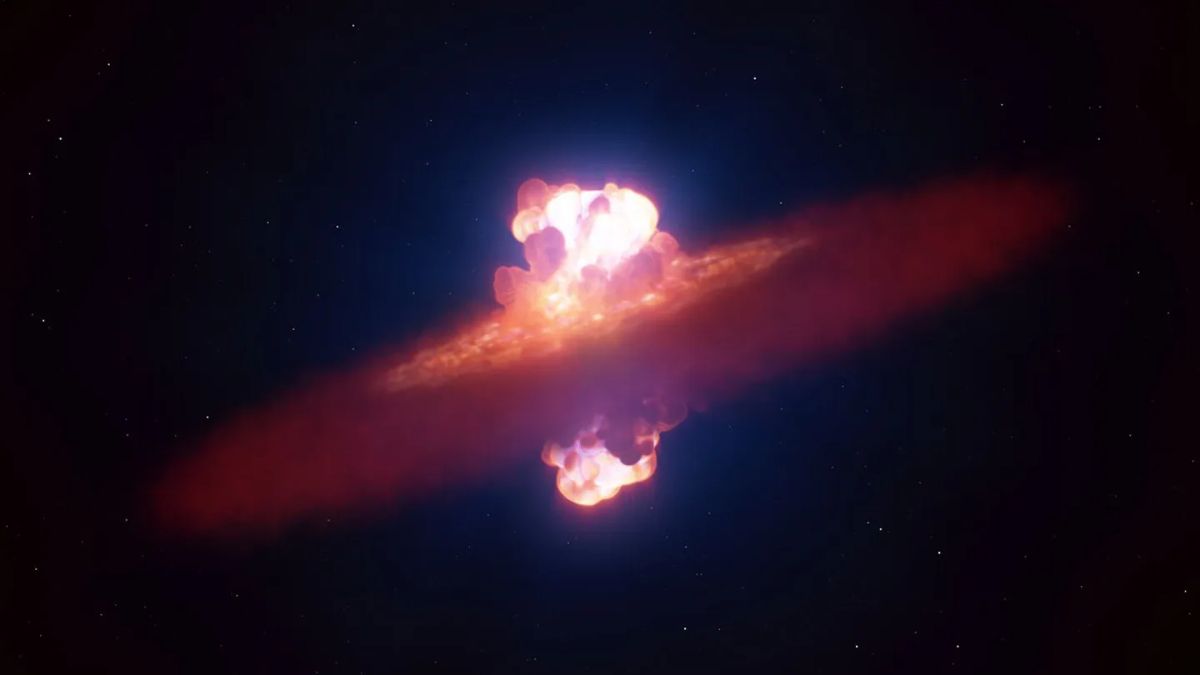
Astronomers captured the first moments of a nearby supernova, revealing an asymmetric, olive-shaped blast. In massive stars, core collapse after fuel exhaustion creates a shock wave. Early observations of future supernova surveys will be able to sample diversity in stellar explosions as well as the properties of broad breaks due to asymmetric sho...



-
NASA’s TESS Captures First Images of Rare Interstellar Comet 3I/ATLAS
NASA’s Transiting Exoplanet Survey Satellite has captured rare images of interstellar comet 3I/ATLAS, only the third such object ever detected. Observations from January 2026 reveal the comet rotates every 15 hours and produces sunlight-driven jets, behaving much like Solar System comets. Scientists say studying 3I/ATLAS may unlock clues about th...
-
Kepler Data Reveals Earth-Size Exoplanet on the Edge of Its Star’s Habitable Zone
Scientists studying Kepler telescope data have identified HD 137010 b, a possible Earth-sized planet orbiting a Sun-like star. While the planet follows a year-long orbit and may sit near the habitable zone, limited starlight could leave it colder than Mars. Future observations will determine whether this icy world truly exists.
-
Hubble Reveals How Blue Straggler Stars Stay Young in Ancient Clusters
Astronomers using the Hubble Space Telescope have uncovered new clues to the mystery of blue straggler stars—unusually hot, bright stars found in ancient globular clusters. By studying ultraviolet light from 48 clusters, scientists discovered that blue stragglers are more common in sparse clusters, supporting the idea that they form through binar...
-
Scientists Study 100 Possible Alien Signals as Arecibo’s Historic SETI Search Concludes
Scientists are studying 100 possible alien radio signals identified from Arecibo Observatory data, bringing the 21-year SETI@Home project to a close. Supported by millions of volunteers, the effort found no confirmed alien messages but set new sensitivity standards. Researchers say the findings will guide future searches using more powerful radio t...
-
A Massive Black Hole Starved Pablo’s Galaxy, Ending Its Star Formation
Astronomers using the James Webb Space Telescope and ALMA have uncovered how a massive black hole shut down star formation in Pablo’s Galaxy. Powerful winds expelled gas at hundreds of kilometres per second, leaving almost no cold fuel behind. The findings suggest many early galaxies did not die explosively, but were slowly starved by their centr...
-
Astronomers Look to the Large Magellanic Cloud to Study How Stars Are Born
The Large Magellanic Cloud is a nearby dwarf galaxy glowing with star birth. Just 160,000 light-years away, it hosts vast nebulae like the Tarantula and historic events such as Supernova 1987A, offering astronomers a rare, close-up laboratory to study how stars form, evolve, and explode.
-
Astronomers Decode the Strange Behaviour of a Young Star 1,950 Light-Years Away
Astronomers have found that the young star V1180 Cassiopeiae shows a rare mix of accretion-driven brightening and dust-caused dimming. Based on nearly 25 years of observations, the study explains its long-standing variability and shows how early stellar growth is shaped by tightly linked accretion, extinction, and outflow processes.
-
NASA’s Chandra Spots Champagne Cluster Formed by a Massive Galaxy Collision
Discovered on New Year’s Eve 2020, the Champagne Cluster is a striking pair of colliding galaxy clusters revealed through combined X-ray and optical observations. NASA’s Chandra X-ray Observatory shows superheated gas stretched and distorted, exposing a massive cosmic collision hidden from visible light alone. Studied by UC Davis astronomers, t...
-
Interstellar Comet 3I/ATLAS to Make Closest Approach to Earth on December 19
Interstellar comet 3I/ATLAS will make its closest approach to Earth on Dec. 19, passing safely at a vast distance. Discovered by NASA-funded telescopes, the rare visitor offers scientists a valuable chance to study material formed around another star. Observations from space telescopes are expected to deepen understanding of interstellar objects.
-
Astronomers Watch a Dormant Neutron Star Reignite After a Decade of Silence
Astronomers observed a neutron star known as P13 suddenly brighten after years of inactivity. The decade-long study shows how changes in accretion can drive extreme X-ray power, offering new insight into ultraluminous X-ray sources and neutron star physics.
-
Indian Team Finds 53 Massive Quasars Blasting Jets Millions of Light-Years Long
Astronomers in India have identified 53 previously unknown giant radio quasars powered by supermassive black holes, each releasing enormous plasma jets reaching up to 7.2 million light-years—nearly 50 times the Milky Way’s diameter. Using GMRT data, the team expanded the catalog of known giant quasars and offered valuable clues about how black ...
-
New Study Models How Interstellar Objects Could Approach and Impact Earth
A new study simulating billions of hypothetical interstellar objects finds that potential Earth-crossing bodies would most likely arrive from the solar apex and the galactic plane. The research highlights relative approach patterns rather than predicting real impacts. Scientists emphasise that known visitors like ‘Oumuamua and Borisov pose no dan...
-
X-Ray Nebula Discovery Brings Astronomers Closer to Solving Cosmic Ray Mystery
A new study has linked an unexplained LHAASO detection to a pulsar-powered X-ray nebula, confirming it as a rare PeVatron capable of accelerating particles to extreme energies. The discovery is a major step toward solving the long-standing mystery of galactic cosmic rays. Researchers are now combining X-ray, gamma-ray and neutrino observations to t...
-
James Webb Telescope May Have Discovered Universe’s Earliest Supermassive Black Hole
James Webb may have discovered the universe’s earliest supermassive black hole in galaxy GHZ2. Observations reveal high-energy emission lines, challenging existing models of rapid black hole and galaxy growth. Upcoming JWST and ALMA studies aim to confirm AGN activity and refine our understanding of early cosmic evolution.
-
Supernova’s First Moments Show Olive-Shaped Blast in Groundbreaking Observations
Astronomers captured the first moments of a nearby supernova, revealing an asymmetric, olive-shaped blast. In massive stars, core collapse after fuel exhaustion creates a shock wave. Early observations of future supernova surveys will be able to sample diversity in stellar explosions as well as the properties of broad breaks due to asymmetric sho...

