



Stars Formation
-
{
- All
- News
-

NASA Hubble Study Finds Andromeda Galaxy's Star Formation Has Been Declining For 500 Million Years
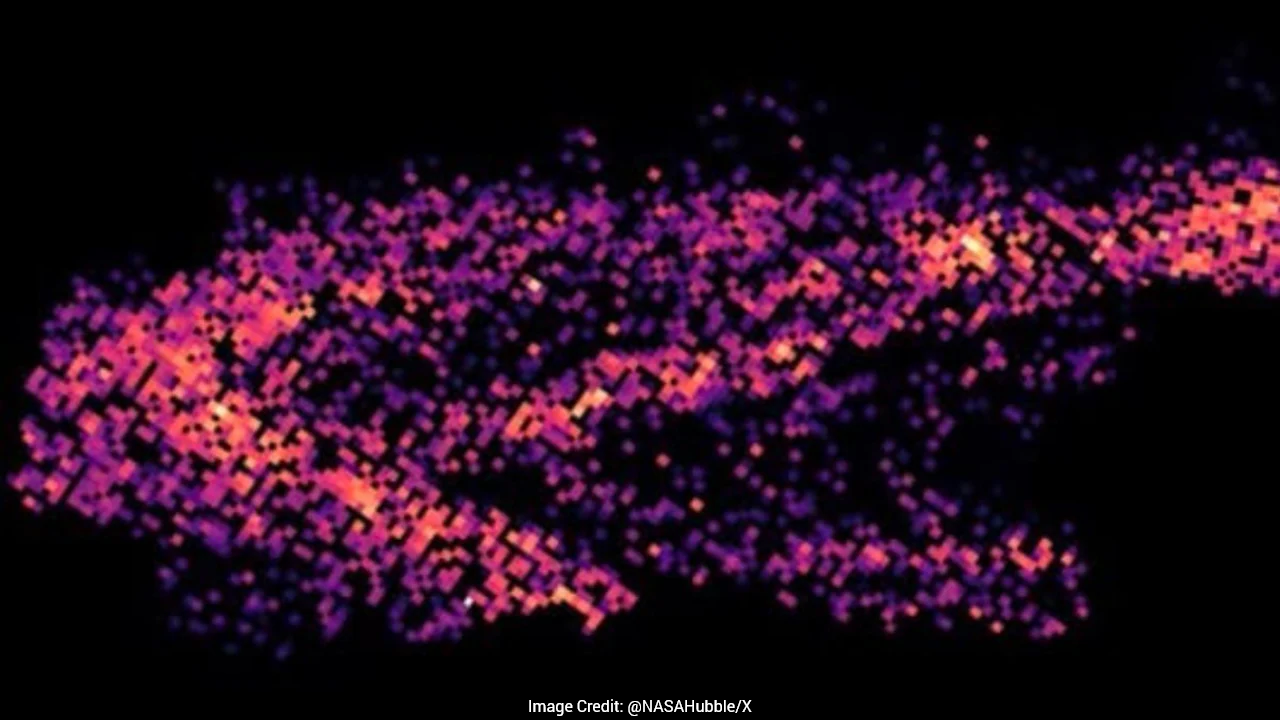
A study using Hubble data shows Andromeda galaxy's star formation has steadily declined over 500 million years.
-
What Makes A Star A Star?
Stars start out as huge blobs of gas in space - but how big and heavy does a blob of gas have to be before it becomes a star? It sounds like a simple question, but astronomers have debated the answer for decades.
-
Scientists May Have Solved the Missing Sulfur Mystery in Star-Forming Clouds
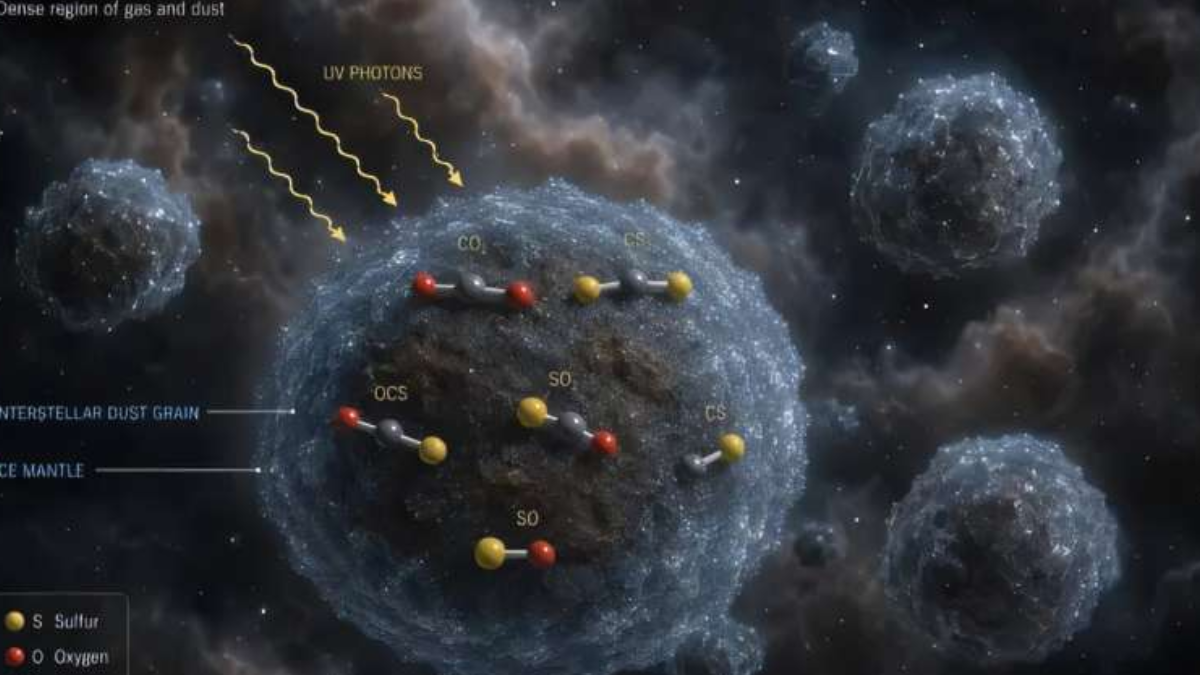
A new simulation suggests sulfur in star-forming clouds may be locked inside icy dust grains through previously overlooked chemical reactions. The findings offer fresh clues to a decades-old cosmic mystery and could improve our understanding of life's essential ingredients in space.
-
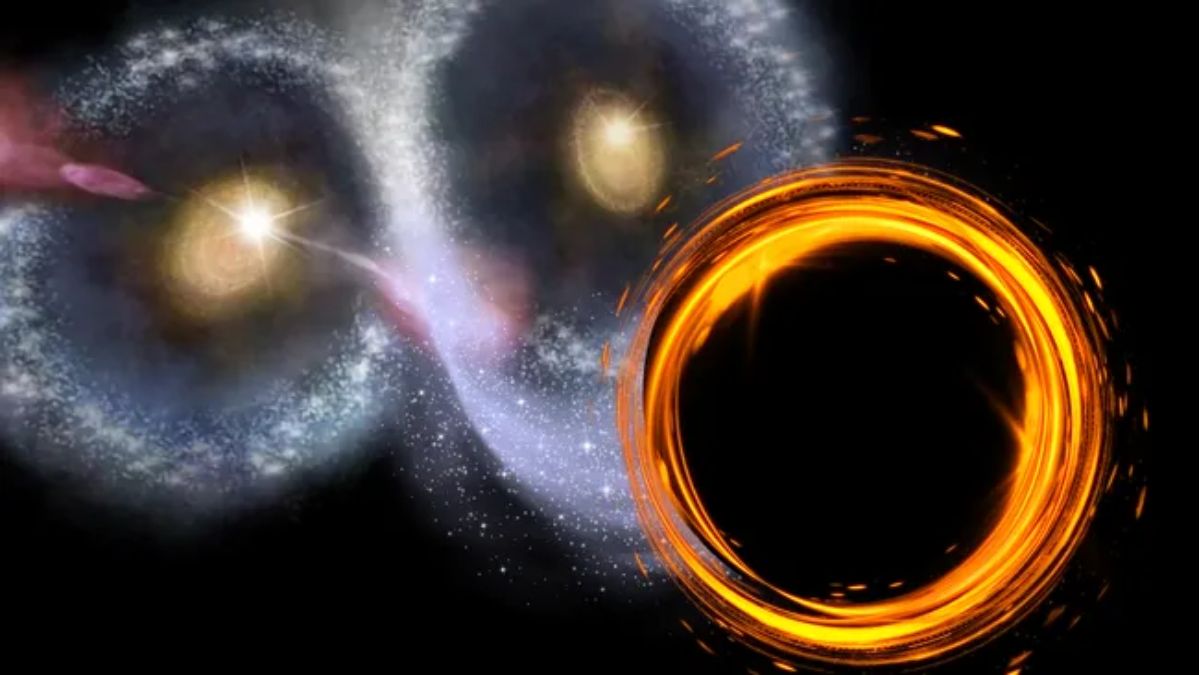
Astronomers Discover Why Massive Galaxies Died Early in the Universe
Astronomers have discovered a powerful galactic wind in the merging galaxy system CRISTAL-02. The outflow is removing star-forming gas faster than it can be replenished, providing the first direct evidence for a mechanism that may have shut down star formation in massive early galaxies.
-
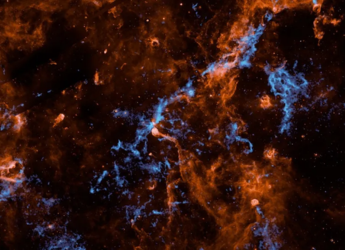
NASA’s SPHEREx Maps Water Ice Deposits in Cygnus X, Offering Clues to Earth’s Water
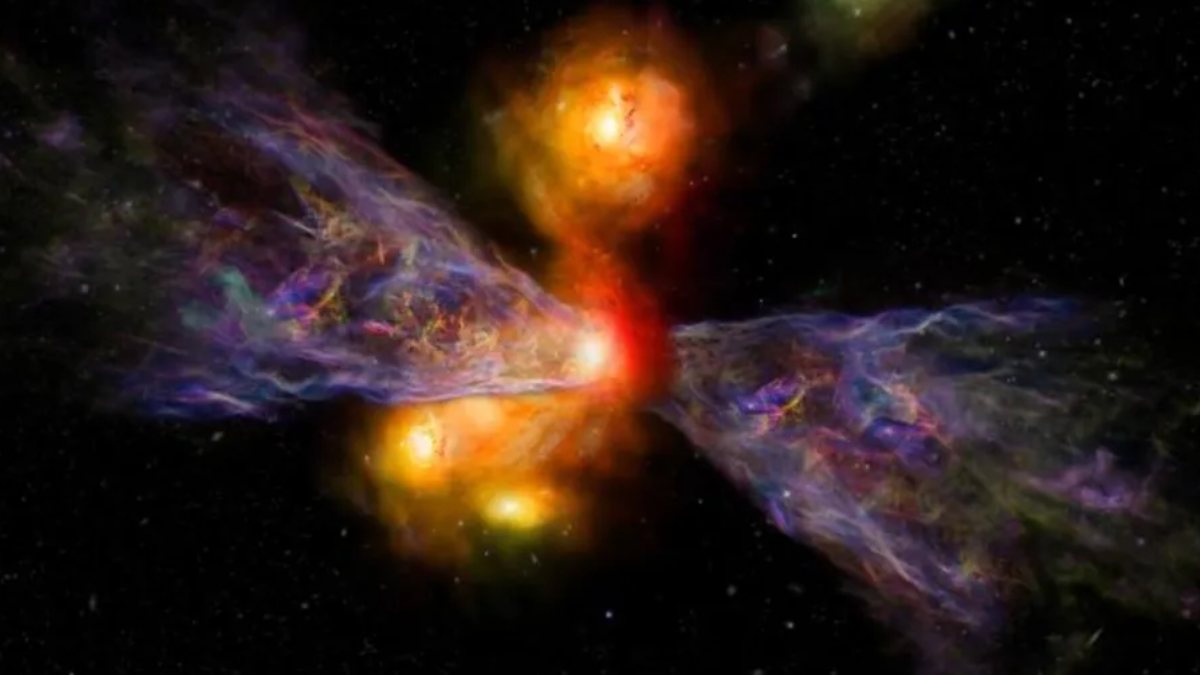
SPHEREx has mapped vast ice deposits in Cygnus X, revealing how water and life-forming chemicals may be preserved and delivered to newly forming planets.
-
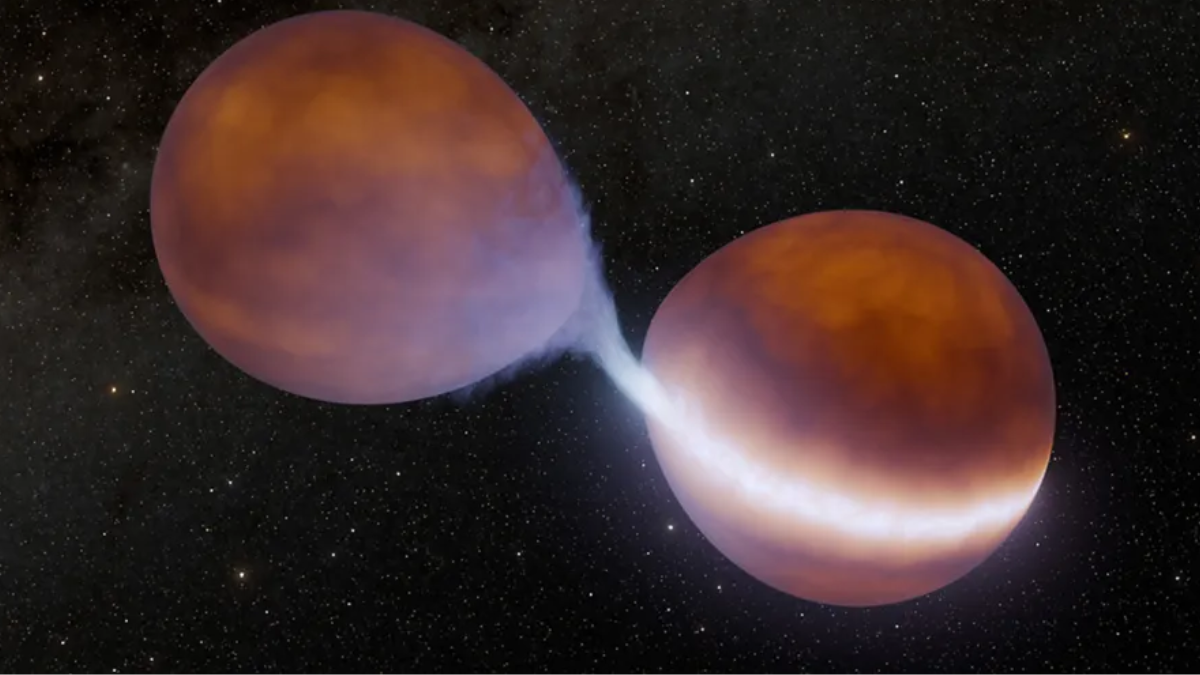
Brown Dwarf Merger Could Create a New Star, Astronomers Discover
Astronomers have discovered a rare brown dwarf binary system undergoing mass transfer with an ultra-short orbit. The pair could either merge or gain enough mass to ignite fusion, potentially forming a new star and redefining how “failed stars” evolve.
-
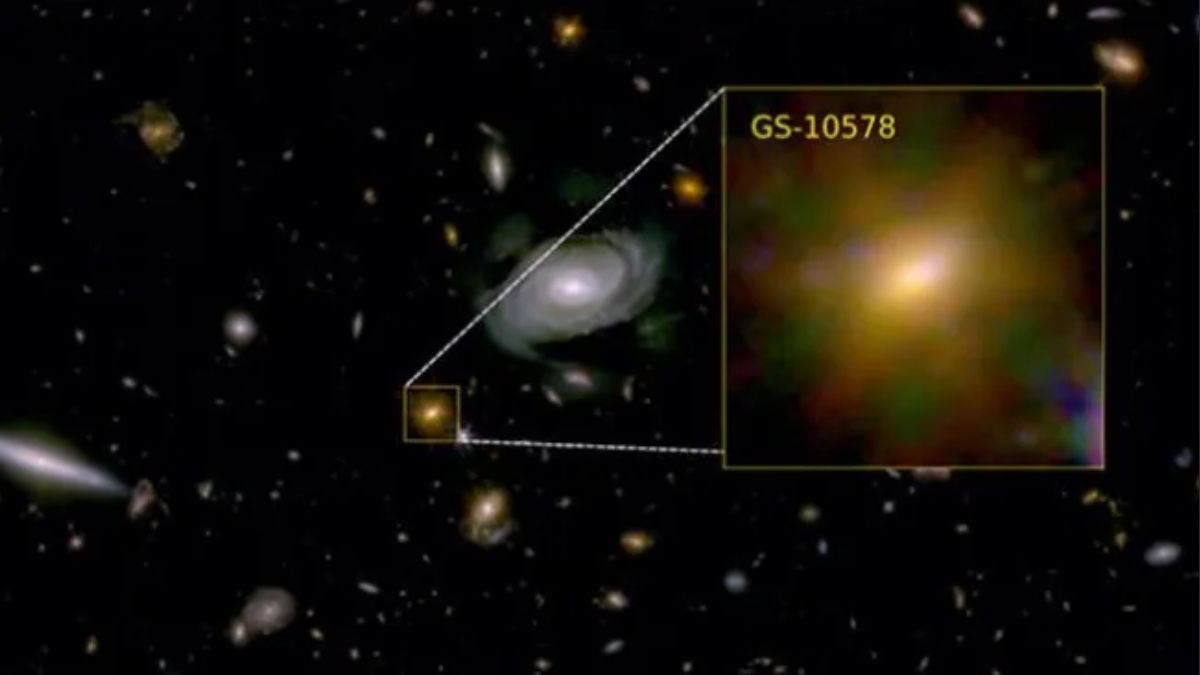
A Massive Black Hole Starved Pablo’s Galaxy, Ending Its Star Formation
Astronomers using the James Webb Space Telescope and ALMA have uncovered how a massive black hole shut down star formation in Pablo’s Galaxy. Powerful winds expelled gas at hundreds of kilometres per second, leaving almost no cold fuel behind. The findings suggest many early galaxies did not die explosively, but were slowly starved by their centr...
-
Astronomers Look to the Large Magellanic Cloud to Study How Stars Are Born
The Large Magellanic Cloud is a nearby dwarf galaxy glowing with star birth. Just 160,000 light-years away, it hosts vast nebulae like the Tarantula and historic events such as Supernova 1987A, offering astronomers a rare, close-up laboratory to study how stars form, evolve, and explode.
-
NASA Finds Most Distant Calm Galaxy Cluster Ever Seen in Early Universe
Astronomers using NASA’s Chandra X-ray Observatory have discovered SPT-CL J2215-3537, a massive galaxy cluster located 8.4 billion light-years away. Nicknamed the “Champagne Supernova” cluster, it is the most distant relaxed cluster ever observed, showing no signs of recent collisions. Its calm structure and active star formation challenge ex...
-
Astronomers Decode the Strange Behaviour of a Young Star 1,950 Light-Years Away
Astronomers have found that the young star V1180 Cassiopeiae shows a rare mix of accretion-driven brightening and dust-caused dimming. Based on nearly 25 years of observations, the study explains its long-standing variability and shows how early stellar growth is shaped by tightly linked accretion, extinction, and outflow processes.
-
James Webb Confirms First Runaway Supermassive Black Hole Rocking Through Space
The James Webb Space Telescope has confirmed the first runaway supermassive black hole, moving at 2.2 million mph through the Cosmic Owl galaxies. Pushing a galaxy-sized shockwave and leaving a long trail of star-forming gas, this discovery confirms long-standing theories about black hole ejections and opens the door to finding more cosmic speedste...
-
Extreme Star Factory: ALMA Detects Galaxy Y1 Forming Stars 180 Times Faster Than the Milky Way
Using ALMA’s ultra-sensitive Band 9 observations, astronomers identified galaxy Y1 as an extreme star-forming system in the early universe. Producing stars at 180 solar masses per year, Y1 reveals how intense, short-lived starbursts helped shape young galaxies and may have been more common than previously believed.
-
Scientists Recreate Universe’s First Molecules, Challenging Early Star Formation Theories
Scientists have recreated helium hydride ions, the universe’s first molecules, under lab conditions. The study reveals these ions were far more effective in driving early star formation than older theories suggested. Published in Astronomy and Astrophysics, the research reshapes understanding of early cosmic chemistry and challenges assumptions a...
-
Massive 200-Light-Year Cloud May Be Channeling Matter to the Milky Way's Core
Astronomers have discovered a massive, 200-light-year-wide cloud of gas and dust—dubbed the Midpoint cloud—hidden in the Milky Way. This giant molecular cloud appears to channel dense material into the galaxy’s core, possibly fueling star formation. The discovery offers rare insights into how matter flows from the galaxy’s disk to its turbu...
-
Hubble Uncovers Multi-Age Stars in Ancient Cluster, Reshaping Galaxy Origins
A stunning new image from NASA’s Hubble Space Telescope reveals that ancient star cluster NGC 1786—located 160,000 light-years away in the Large Magellanic Cloud—hosts stars of varying ages. Once believed to contain a single generation of stars, NGC 1786 now appears to preserve a more complex stellar history. This multi-age discovery suggests...


-
NASA Hubble Study Finds Andromeda Galaxy's Star Formation Has Been Declining For 500 Million Years
A study using Hubble data shows Andromeda galaxy's star formation has steadily declined over 500 million years.
-
What Makes A Star A Star?
Stars start out as huge blobs of gas in space - but how big and heavy does a blob of gas have to be before it becomes a star? It sounds like a simple question, but astronomers have debated the answer for decades.
-
Scientists May Have Solved the Missing Sulfur Mystery in Star-Forming Clouds
A new simulation suggests sulfur in star-forming clouds may be locked inside icy dust grains through previously overlooked chemical reactions. The findings offer fresh clues to a decades-old cosmic mystery and could improve our understanding of life's essential ingredients in space.
-
Astronomers Discover Why Massive Galaxies Died Early in the Universe
Astronomers have discovered a powerful galactic wind in the merging galaxy system CRISTAL-02. The outflow is removing star-forming gas faster than it can be replenished, providing the first direct evidence for a mechanism that may have shut down star formation in massive early galaxies.
-
NASA’s SPHEREx Maps Water Ice Deposits in Cygnus X, Offering Clues to Earth’s Water
SPHEREx has mapped vast ice deposits in Cygnus X, revealing how water and life-forming chemicals may be preserved and delivered to newly forming planets.
-
Brown Dwarf Merger Could Create a New Star, Astronomers Discover
Astronomers have discovered a rare brown dwarf binary system undergoing mass transfer with an ultra-short orbit. The pair could either merge or gain enough mass to ignite fusion, potentially forming a new star and redefining how “failed stars” evolve.
-
A Massive Black Hole Starved Pablo’s Galaxy, Ending Its Star Formation
Astronomers using the James Webb Space Telescope and ALMA have uncovered how a massive black hole shut down star formation in Pablo’s Galaxy. Powerful winds expelled gas at hundreds of kilometres per second, leaving almost no cold fuel behind. The findings suggest many early galaxies did not die explosively, but were slowly starved by their centr...
-
Astronomers Look to the Large Magellanic Cloud to Study How Stars Are Born
The Large Magellanic Cloud is a nearby dwarf galaxy glowing with star birth. Just 160,000 light-years away, it hosts vast nebulae like the Tarantula and historic events such as Supernova 1987A, offering astronomers a rare, close-up laboratory to study how stars form, evolve, and explode.
-
NASA Finds Most Distant Calm Galaxy Cluster Ever Seen in Early Universe
Astronomers using NASA’s Chandra X-ray Observatory have discovered SPT-CL J2215-3537, a massive galaxy cluster located 8.4 billion light-years away. Nicknamed the “Champagne Supernova” cluster, it is the most distant relaxed cluster ever observed, showing no signs of recent collisions. Its calm structure and active star formation challenge ex...
-
Astronomers Decode the Strange Behaviour of a Young Star 1,950 Light-Years Away
Astronomers have found that the young star V1180 Cassiopeiae shows a rare mix of accretion-driven brightening and dust-caused dimming. Based on nearly 25 years of observations, the study explains its long-standing variability and shows how early stellar growth is shaped by tightly linked accretion, extinction, and outflow processes.
-
James Webb Confirms First Runaway Supermassive Black Hole Rocking Through Space
The James Webb Space Telescope has confirmed the first runaway supermassive black hole, moving at 2.2 million mph through the Cosmic Owl galaxies. Pushing a galaxy-sized shockwave and leaving a long trail of star-forming gas, this discovery confirms long-standing theories about black hole ejections and opens the door to finding more cosmic speedste...
-
Extreme Star Factory: ALMA Detects Galaxy Y1 Forming Stars 180 Times Faster Than the Milky Way
Using ALMA’s ultra-sensitive Band 9 observations, astronomers identified galaxy Y1 as an extreme star-forming system in the early universe. Producing stars at 180 solar masses per year, Y1 reveals how intense, short-lived starbursts helped shape young galaxies and may have been more common than previously believed.
-
Scientists Recreate Universe’s First Molecules, Challenging Early Star Formation Theories
Scientists have recreated helium hydride ions, the universe’s first molecules, under lab conditions. The study reveals these ions were far more effective in driving early star formation than older theories suggested. Published in Astronomy and Astrophysics, the research reshapes understanding of early cosmic chemistry and challenges assumptions a...
-
Massive 200-Light-Year Cloud May Be Channeling Matter to the Milky Way's Core
Astronomers have discovered a massive, 200-light-year-wide cloud of gas and dust—dubbed the Midpoint cloud—hidden in the Milky Way. This giant molecular cloud appears to channel dense material into the galaxy’s core, possibly fueling star formation. The discovery offers rare insights into how matter flows from the galaxy’s disk to its turbu...
-
Hubble Uncovers Multi-Age Stars in Ancient Cluster, Reshaping Galaxy Origins
A stunning new image from NASA’s Hubble Space Telescope reveals that ancient star cluster NGC 1786—located 160,000 light-years away in the Large Magellanic Cloud—hosts stars of varying ages. Once believed to contain a single generation of stars, NGC 1786 now appears to preserve a more complex stellar history. This multi-age discovery suggests...

