



Nasa Esa
-
{
- All
- News
- Web Stories
-

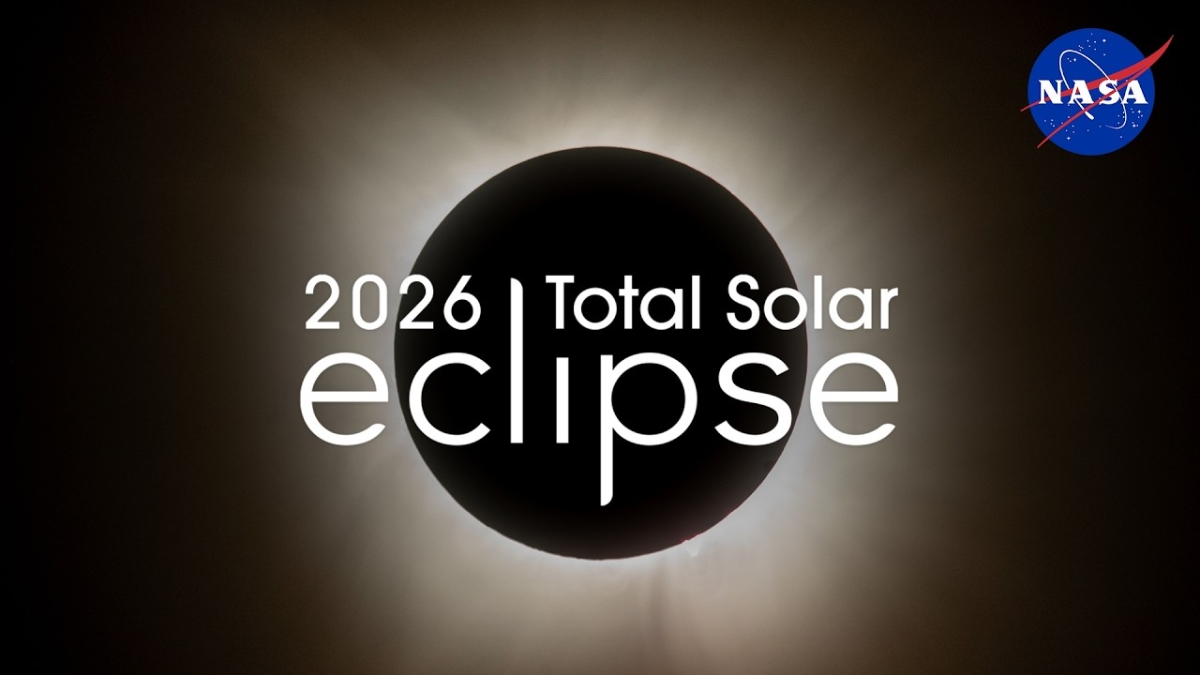
Total Solar Eclipse Today: How to Watch Live Online, Timings, Safety Tips, and More
The first and only total solar eclipse of 2026 is set to take place today (Wednesday). It presents skywatchers across parts of the Northern Hemisphere with an opportunity to witness the Moon completely cover the Sun. NASA says the path of totality will cross Greenland, Iceland, northern Russia, Spain and a small part of Portugal, while a partial ec...
-
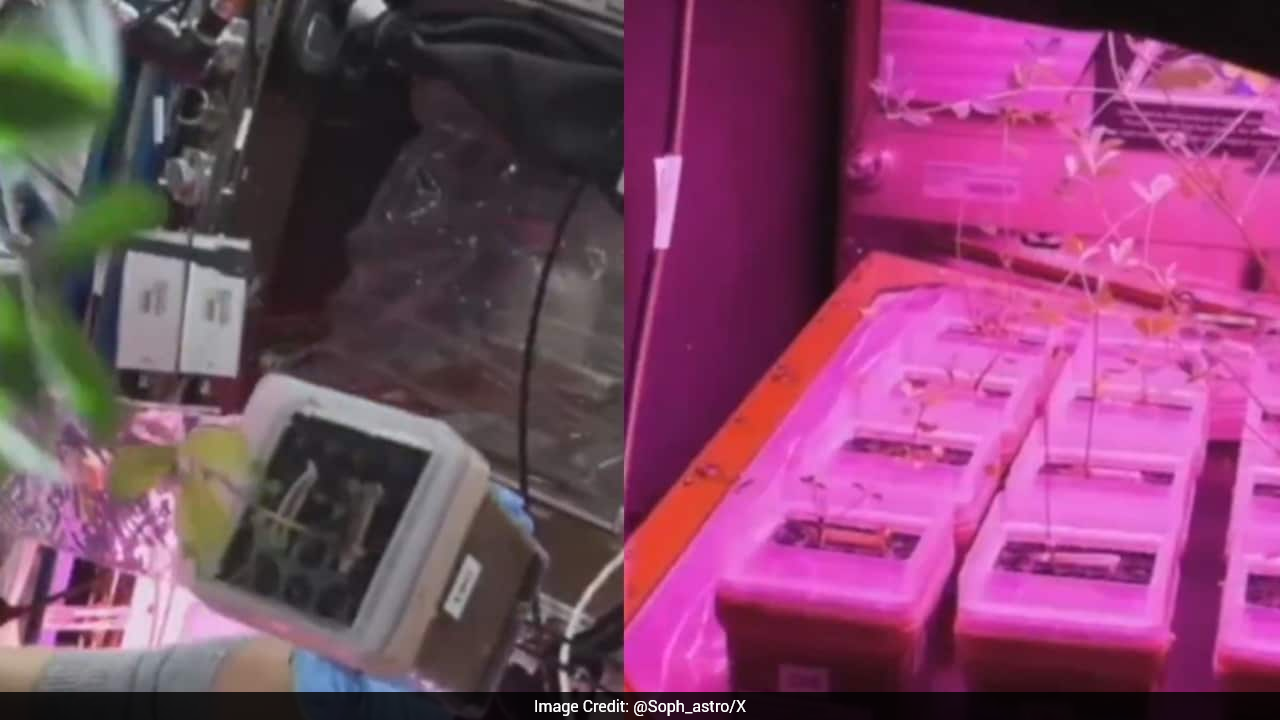
Astronaut Shares Glimpse Of Space Station's Glowing Mini Garden
She said that being able to grow fresh food in space will be important for long exploration missions.
-
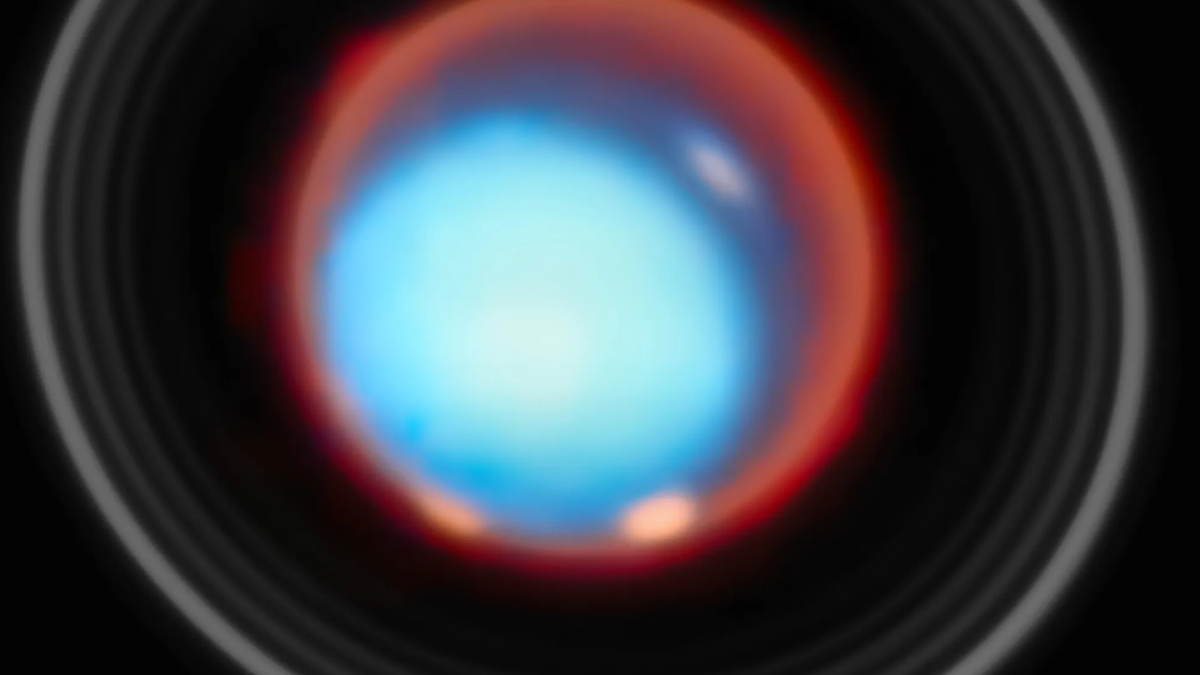
James Webb Telescope Maps Uranus in 3D for the First Time; Data Reveals Hidden Storms, Methane Clouds
The James Webb Space Telescope has produced the first 3D map of Uranus’s upper atmosphere, tracking temperatures and ion densities up to 5,000 kilometers above its clouds. The observations reveal bright auroras shaped by the planet’s tilted magnetic field and confirm that Uranus is still slowly cooling over long timescales.
-
Interstellar Comet 3I/ATLAS to Make Closest Approach to Earth on December 19
Interstellar comet 3I/ATLAS will make its closest approach to Earth on Dec. 19, passing safely at a vast distance. Discovered by NASA-funded telescopes, the rare visitor offers scientists a valuable chance to study material formed around another star. Observations from space telescopes are expected to deepen understanding of interstellar objects.
-
ESA Expands Deep Space Network with New Australian Antenna
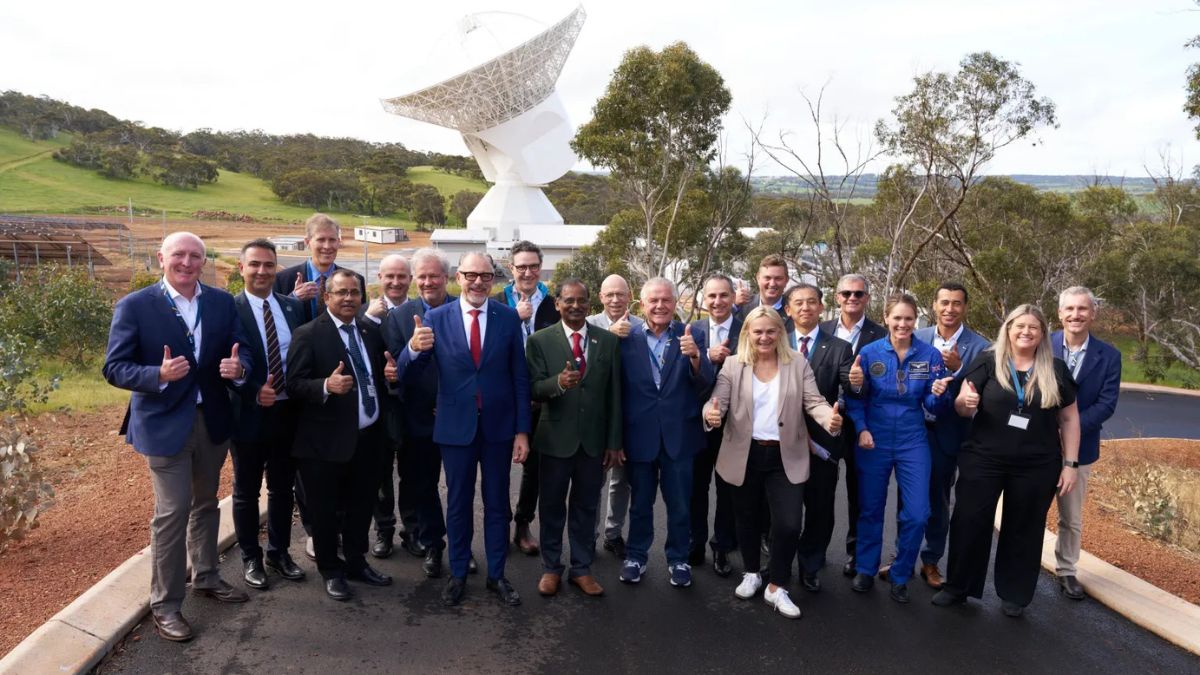
ESA’s New Norcia 3 antenna in Western Australia boosts global deep-space communication. The €62.3 million project will support missions like Hera and Juice while enhancing cooperation with Australia, NASA, and ISRO, ensuring broader coverage for interplanetary spacecraft.
-
James Webb Space Telescope Reimagines Hubble’s Deep Field, Unveils Ancient Galaxies
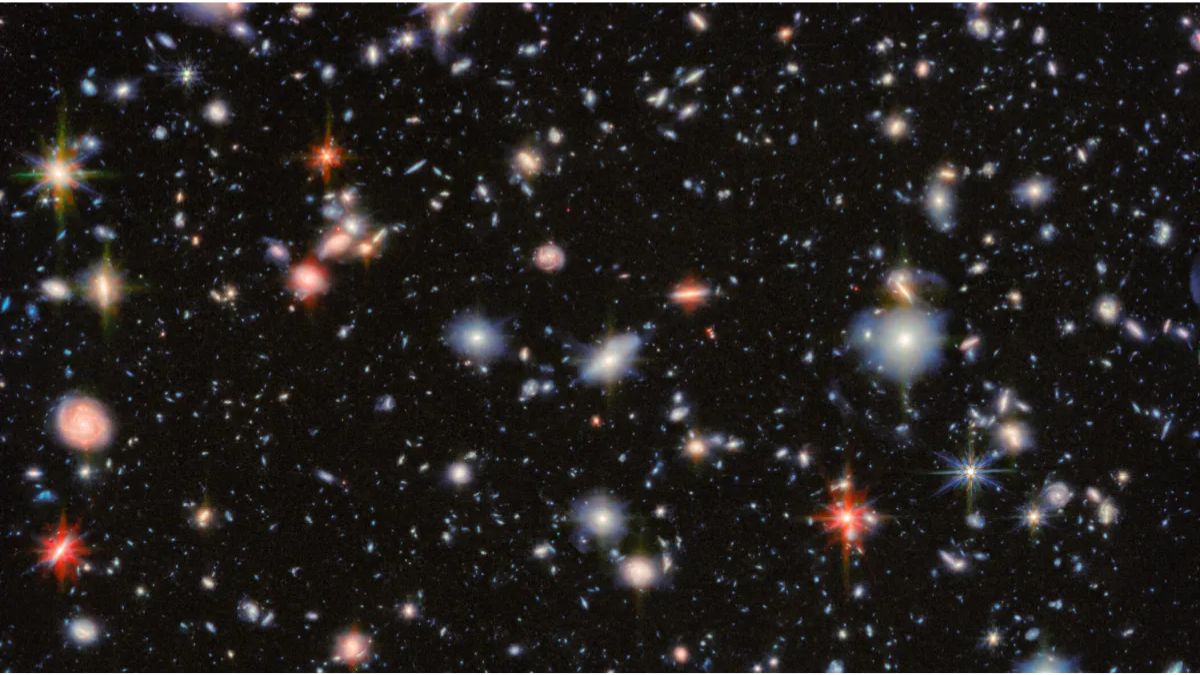
The James Webb Space Telescope has re-imaged part of Hubble’s Ultra Deep Field, revealing over 2,500 galaxies in stunning infrared detail. Using its NIRCam and MIRI instruments, Webb observed faint galaxies dating back to just a few hundred million years after the Big Bang. This is part of the JADES survey, which includes the deepest mid-infrared...
-
Doomed Exoplanet TOI-2109b Spirals Toward Its Star with Three Possible Fates
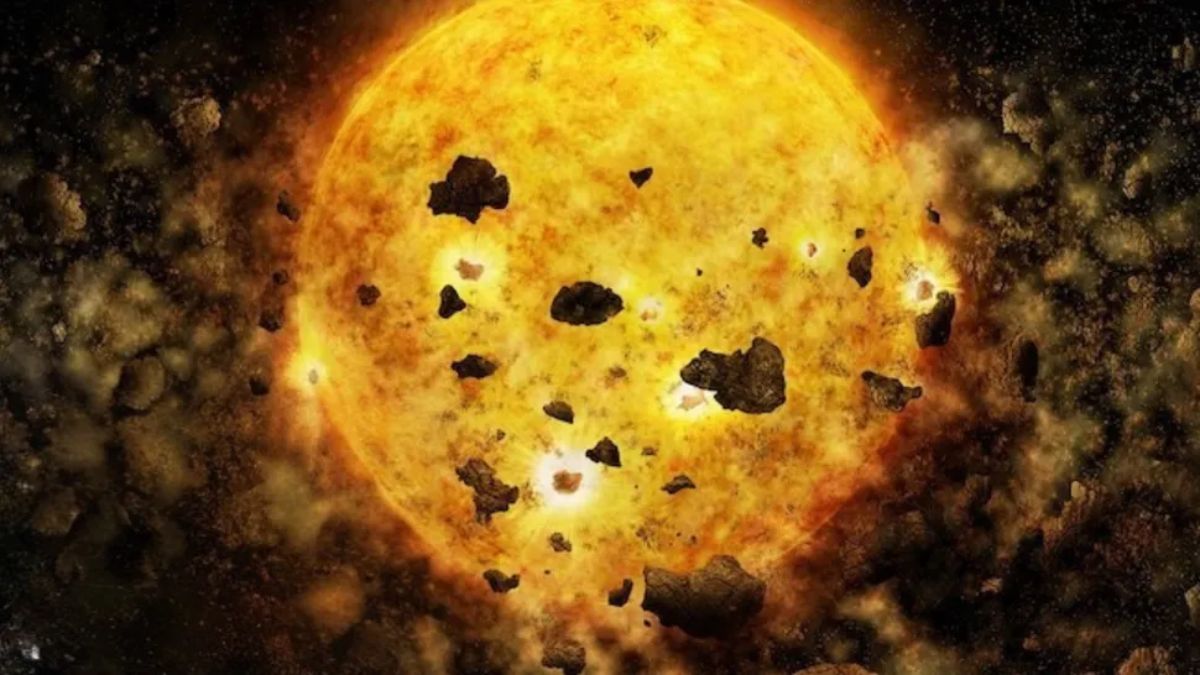
The gas giant TOI-2109b, over five times Jupiter’s mass, is spiraling closer to its star in a rare planetary death spiral. With a 16-hour orbit and blistering heat, the exoplanet could either plunge into its host star, be torn apart by tidal forces, or evolve into a rocky super-Earth through photoevaporation. NASA’s TESS and ESA’s Cheops data...
-
Hubble Captures Stunning Infrared Image of Sh2-284, a Massive Stellar Nursery
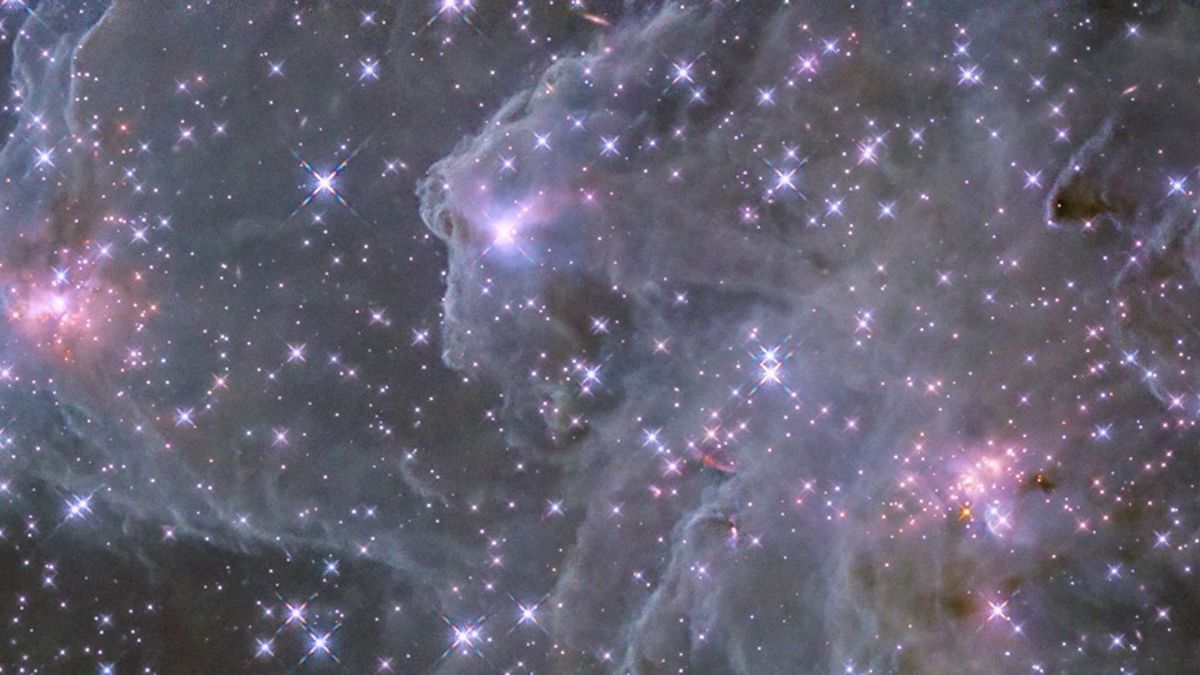
Hubble’s latest image of the massive Sh2-284 nebula reveals young stars concealed within thick clouds of gas and dust. Using infrared imaging, astronomers have captured details previously obscured in optical wavelengths. The nebula’s low-metallicity composition provides a glimpse into the conditions of the early universe, shedding light on how ...
-
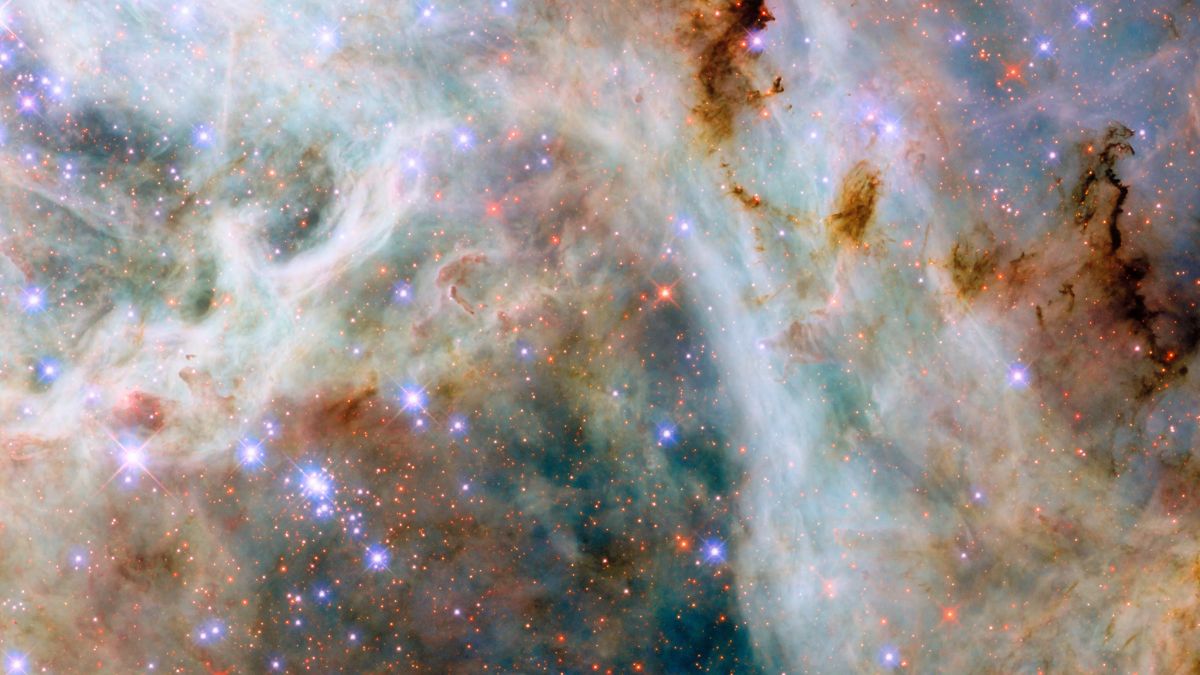
Hubble Captures Stunning Tarantula Nebula Image, Revealing Cosmic Dust and Star Formation
A new image from the Hubble Space Telescope highlights the Tarantula Nebula’s complex structure, featuring dense cosmic dust clouds and vibrant star-forming regions. This nebula, located 160,000 light-years away, plays a vital role in understanding stellar evolution. The captured details offer insights into how cosmic dust contributes to star and...
-
Hubble’s New Image of Tarantula Nebula Showcases Cosmic Dust and Star Formation
NASA/ESA’s Hubble Space Telescope has captured a breathtaking image of the Tarantula Nebula, located 160,000 light-years away in the Large Magellanic Cloud. The image reveals intricate cosmic dust patterns and active star formation, offering valuable insights into the role of interstellar material in stellar evolution. Researchers are using the d...
-
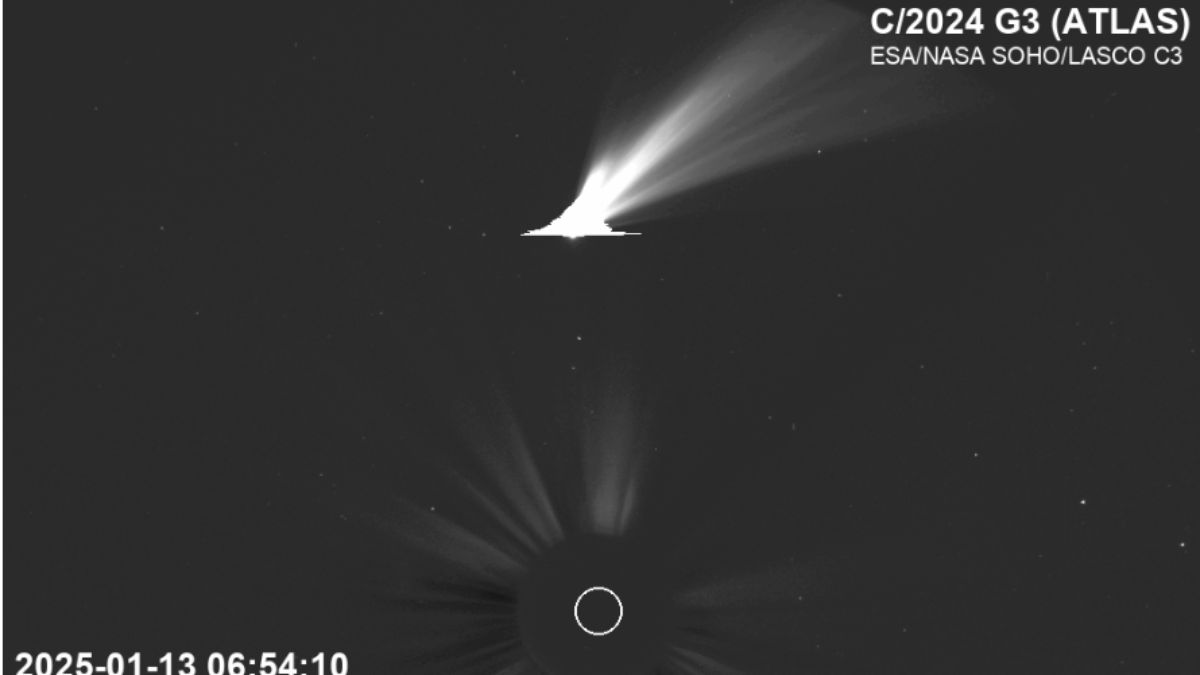
Comet ATLAS Offers Stunning Display as It Nears the Sun
Comet C/2024 G3 (ATLAS) recently passed within 8 million miles of the Sun, capturing the attention of astronomers. Observed by NASA and ESA’s Solar and Heliospheric Observatory (SOHO), the comet’s tail extended dramatically as it encountered intense solar winds, providing a unique opportunity to study the Sun’s impact on comets. The event, wh...
-
Space Missions of 2025: Lunar Landings, Asteroid Sampling, and More
Space exploration in 2025 will see remarkable missions from global agencies like NASA, ESA, China, and Japan. Key initiatives include lunar landings through NASA’s CLPS and Japan’s M2/Resilience, which will test new technologies and study lunar resources. China’s Tianwen-2 mission aims to collect asteroid samples and explore a comet, advancin...
-
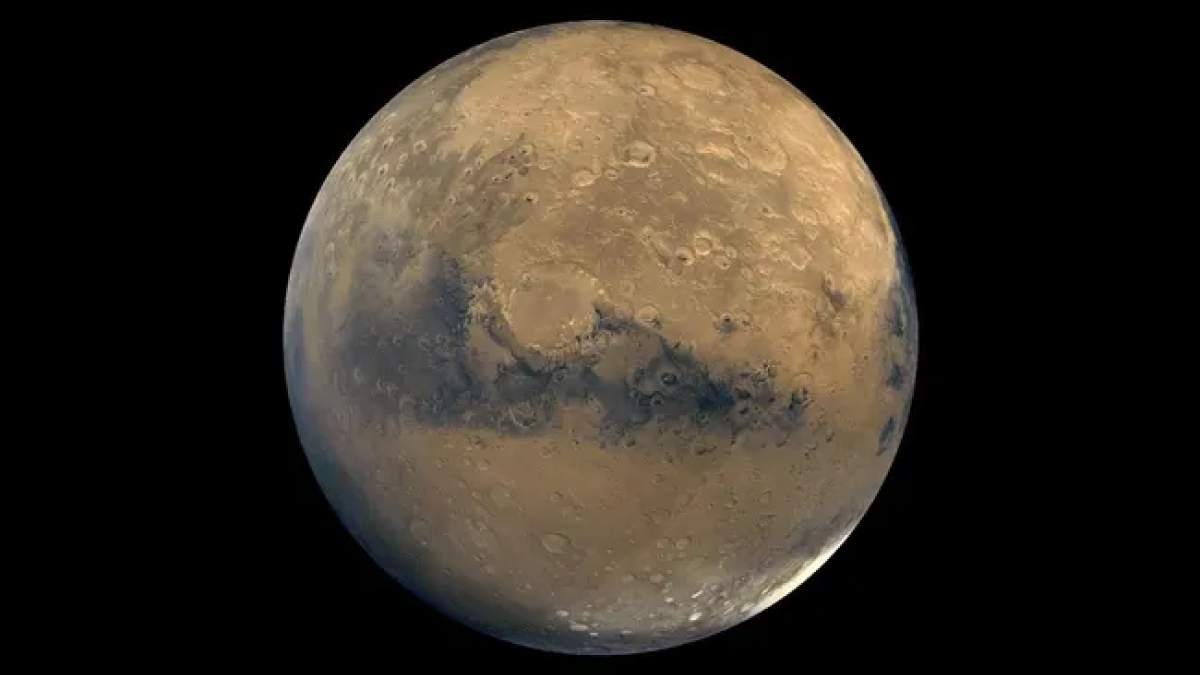
China's Tianwen-3 Mars Sample Return Mission Targets 2031 Ahead of NASA, ESA
China's Tianwen-3 mission aims to return Martian rock samples to Earth by 2031, setting a benchmark in space exploration. Scheduled for launch in 2028, the mission will employ cutting-edge technologies, including a lander, ascent vehicle, rover, and helicopter, to gather samples from regions like Utopia Planitia and Chryse Planitia. These areas wer...
-
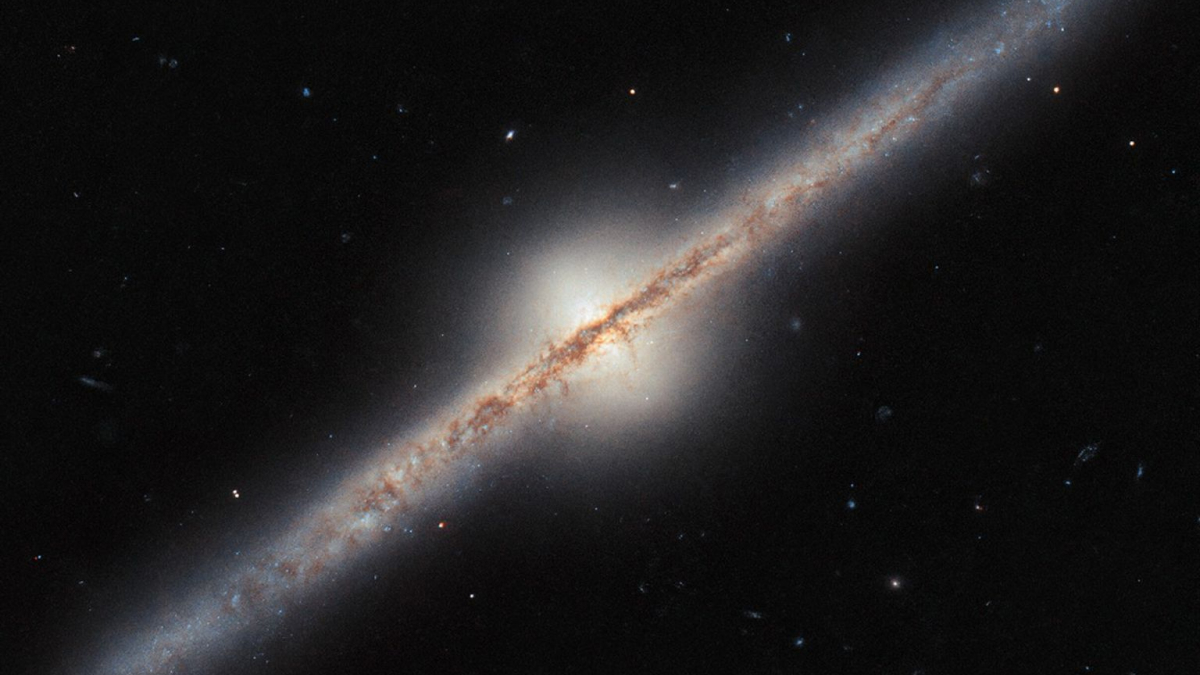
Hubble Space Telescope Captures Rare Edge-On View of a Spiral Galaxy Located Millions of Light-Years Away
NASA and ESA’s Hubble Space Telescope captured an edge-on view of spiral galaxy UGC 10043, located around 150 million light-years away. Displaying its prominent dust lanes and unique bulge, this galaxy image highlights regions of active star formation. Captured in 2000 and 2023, the composite image uses various light wavelengths to detail the str...
-
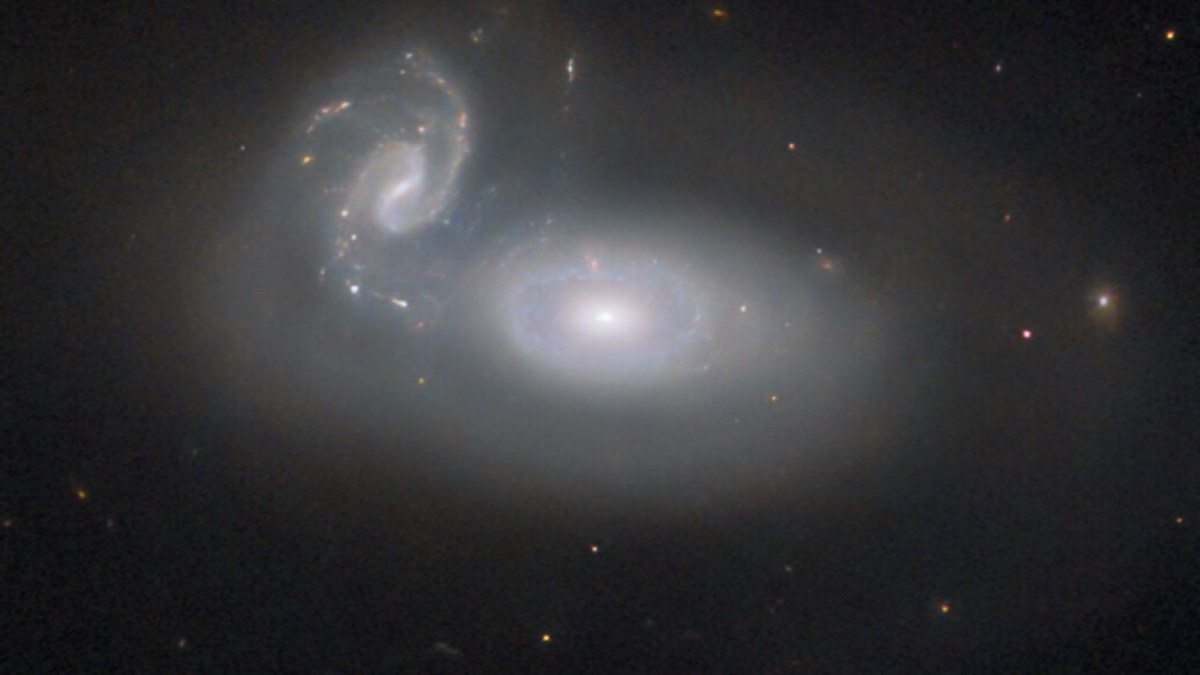
Hubble Telescope Captures Image of Merging Galaxies in Coma Cluster, 390 Million Light-Years Away
NASA and the European Space Agency (ESA) have shared an image of two galaxies, MCG+05-31-045, interacting within the Coma Cluster. Located 390 million light-years away, the pair is in the midst of a cosmic merger. As the smaller galaxy is pulled into the larger one, a new wave of star formation is expected. Over time, the galaxies will likely evolv...
-
Total Solar Eclipse Today: How to Watch Live Online, Timings, Safety Tips, and More
The first and only total solar eclipse of 2026 is set to take place today (Wednesday). It presents skywatchers across parts of the Northern Hemisphere with an opportunity to witness the Moon completely cover the Sun. NASA says the path of totality will cross Greenland, Iceland, northern Russia, Spain and a small part of Portugal, while a partial ec...
-
Astronaut Shares Glimpse Of Space Station's Glowing Mini Garden
She said that being able to grow fresh food in space will be important for long exploration missions.
-
James Webb Telescope Maps Uranus in 3D for the First Time; Data Reveals Hidden Storms, Methane Clouds
The James Webb Space Telescope has produced the first 3D map of Uranus’s upper atmosphere, tracking temperatures and ion densities up to 5,000 kilometers above its clouds. The observations reveal bright auroras shaped by the planet’s tilted magnetic field and confirm that Uranus is still slowly cooling over long timescales.
-
Interstellar Comet 3I/ATLAS to Make Closest Approach to Earth on December 19
Interstellar comet 3I/ATLAS will make its closest approach to Earth on Dec. 19, passing safely at a vast distance. Discovered by NASA-funded telescopes, the rare visitor offers scientists a valuable chance to study material formed around another star. Observations from space telescopes are expected to deepen understanding of interstellar objects.
-
ESA Expands Deep Space Network with New Australian Antenna
ESA’s New Norcia 3 antenna in Western Australia boosts global deep-space communication. The €62.3 million project will support missions like Hera and Juice while enhancing cooperation with Australia, NASA, and ISRO, ensuring broader coverage for interplanetary spacecraft.
-
James Webb Space Telescope Reimagines Hubble’s Deep Field, Unveils Ancient Galaxies
The James Webb Space Telescope has re-imaged part of Hubble’s Ultra Deep Field, revealing over 2,500 galaxies in stunning infrared detail. Using its NIRCam and MIRI instruments, Webb observed faint galaxies dating back to just a few hundred million years after the Big Bang. This is part of the JADES survey, which includes the deepest mid-infrared...
-
Doomed Exoplanet TOI-2109b Spirals Toward Its Star with Three Possible Fates
The gas giant TOI-2109b, over five times Jupiter’s mass, is spiraling closer to its star in a rare planetary death spiral. With a 16-hour orbit and blistering heat, the exoplanet could either plunge into its host star, be torn apart by tidal forces, or evolve into a rocky super-Earth through photoevaporation. NASA’s TESS and ESA’s Cheops data...
-
Hubble Captures Stunning Infrared Image of Sh2-284, a Massive Stellar Nursery
Hubble’s latest image of the massive Sh2-284 nebula reveals young stars concealed within thick clouds of gas and dust. Using infrared imaging, astronomers have captured details previously obscured in optical wavelengths. The nebula’s low-metallicity composition provides a glimpse into the conditions of the early universe, shedding light on how ...
-
Hubble Captures Stunning Tarantula Nebula Image, Revealing Cosmic Dust and Star Formation
A new image from the Hubble Space Telescope highlights the Tarantula Nebula’s complex structure, featuring dense cosmic dust clouds and vibrant star-forming regions. This nebula, located 160,000 light-years away, plays a vital role in understanding stellar evolution. The captured details offer insights into how cosmic dust contributes to star and...
-
Hubble’s New Image of Tarantula Nebula Showcases Cosmic Dust and Star Formation
NASA/ESA’s Hubble Space Telescope has captured a breathtaking image of the Tarantula Nebula, located 160,000 light-years away in the Large Magellanic Cloud. The image reveals intricate cosmic dust patterns and active star formation, offering valuable insights into the role of interstellar material in stellar evolution. Researchers are using the d...
-
Comet ATLAS Offers Stunning Display as It Nears the Sun
Comet C/2024 G3 (ATLAS) recently passed within 8 million miles of the Sun, capturing the attention of astronomers. Observed by NASA and ESA’s Solar and Heliospheric Observatory (SOHO), the comet’s tail extended dramatically as it encountered intense solar winds, providing a unique opportunity to study the Sun’s impact on comets. The event, wh...
-
Space Missions of 2025: Lunar Landings, Asteroid Sampling, and More
Space exploration in 2025 will see remarkable missions from global agencies like NASA, ESA, China, and Japan. Key initiatives include lunar landings through NASA’s CLPS and Japan’s M2/Resilience, which will test new technologies and study lunar resources. China’s Tianwen-2 mission aims to collect asteroid samples and explore a comet, advancin...
-
China's Tianwen-3 Mars Sample Return Mission Targets 2031 Ahead of NASA, ESA
China's Tianwen-3 mission aims to return Martian rock samples to Earth by 2031, setting a benchmark in space exploration. Scheduled for launch in 2028, the mission will employ cutting-edge technologies, including a lander, ascent vehicle, rover, and helicopter, to gather samples from regions like Utopia Planitia and Chryse Planitia. These areas wer...
-
Hubble Space Telescope Captures Rare Edge-On View of a Spiral Galaxy Located Millions of Light-Years Away
NASA and ESA’s Hubble Space Telescope captured an edge-on view of spiral galaxy UGC 10043, located around 150 million light-years away. Displaying its prominent dust lanes and unique bulge, this galaxy image highlights regions of active star formation. Captured in 2000 and 2023, the composite image uses various light wavelengths to detail the str...
-
Hubble Telescope Captures Image of Merging Galaxies in Coma Cluster, 390 Million Light-Years Away
NASA and the European Space Agency (ESA) have shared an image of two galaxies, MCG+05-31-045, interacting within the Coma Cluster. Located 390 million light-years away, the pair is in the midst of a cosmic merger. As the smaller galaxy is pulled into the larger one, a new wave of star formation is expected. Over time, the galaxies will likely evolv...

