



Dwarf Galaxy
-
{
- All
- News
-

Astronomers Discover Two Galaxies That Appear to Lack Dark Matter
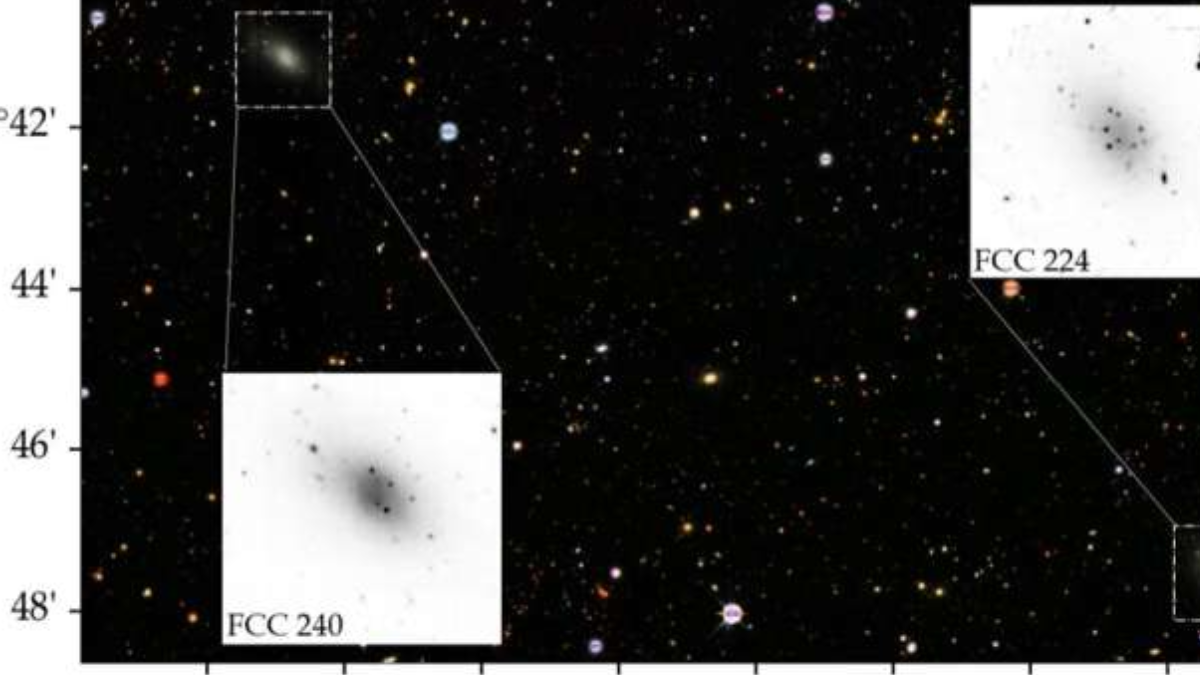
Researchers studying FCC 224 and FCC 240 in the Fornax Cluster found evidence that both galaxies contain surprisingly little dark matter. The discovery supports the idea that galaxy collisions can strip away dark matter and raises new questions about how galaxies evolve.
-
Scientists Find Dwarf Galaxy That May Have Been Absorbed By Milky Way Billions Of Years Ago
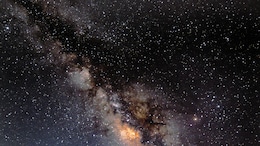
The discovery was made after scientists examined 20 metal-poor stars located on the Milky Way's galactic plane.
-
Andromeda XXXVI Discovery Sheds Light on Dark Matter Rich Dwarf Galaxies
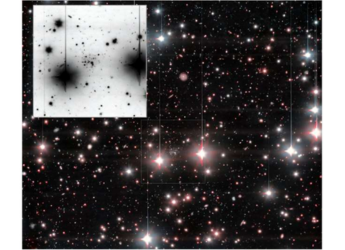
Astronomers have discovered Andromeda XXXVI, an ultra-faint, dark matter-rich satellite of Andromeda Galaxy. This ancient system may be a fossil from the early universe, helping scientists study galaxy formation and dark matter.
-
Astronomers Look to the Large Magellanic Cloud to Study How Stars Are Born
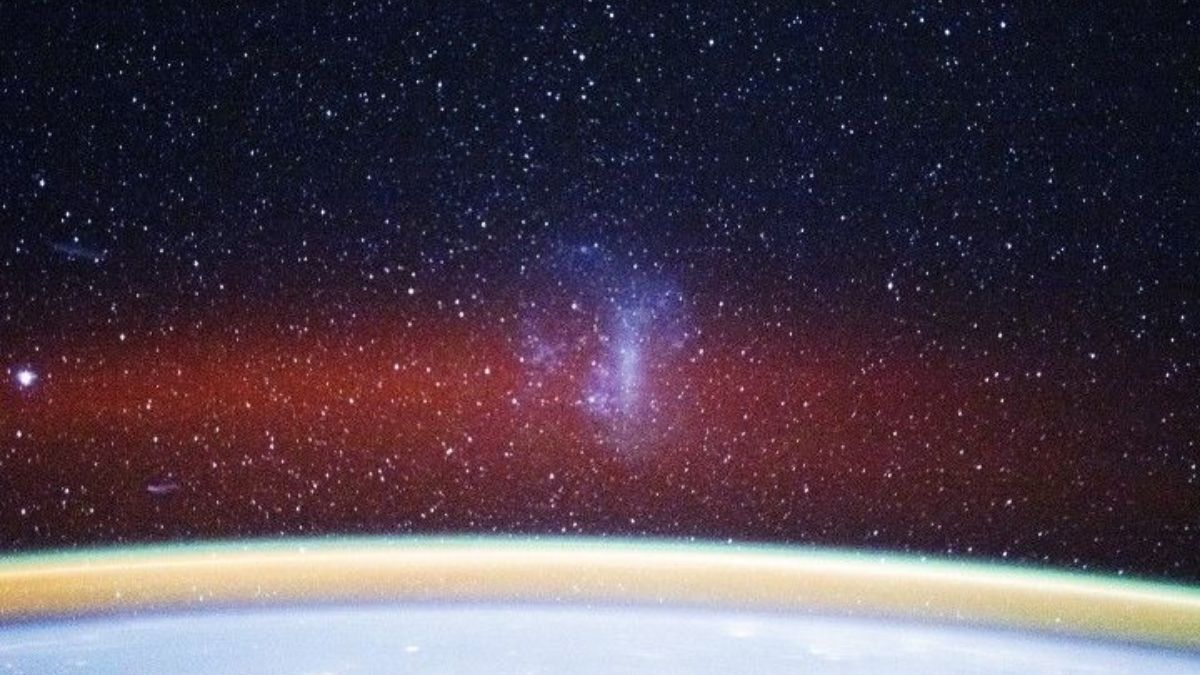
The Large Magellanic Cloud is a nearby dwarf galaxy glowing with star birth. Just 160,000 light-years away, it hosts vast nebulae like the Tarantula and historic events such as Supernova 1987A, offering astronomers a rare, close-up laboratory to study how stars form, evolve, and explode.
-
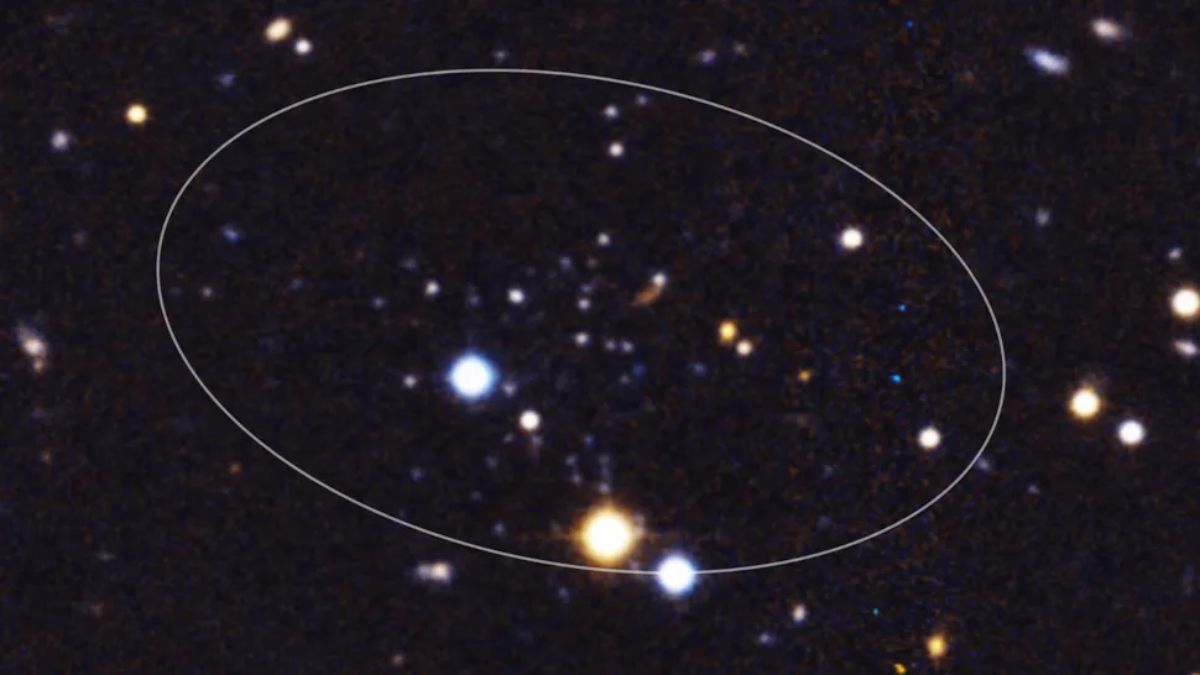
Ursa Major III May Be a Star Cluster, Not a Dark-Matter Dwarf Galaxy
Astronomers have long thought Ursa Major III, also called UNIONS 1, was a dark-matter-packed dwarf galaxy. But new simulations suggest it may instead be a compact star cluster bound by black holes and neutron stars. Located 30,000 light-years away, Ursa Major III contains just ~60 visible stars yet shows puzzlingly high stellar velocities. The new ...
-
Smallest Galaxy Ever Found: Andromeda XXXV Defies Cosmic Evolution Models
Astronomers have discovered Andromeda XXXV, the smallest and faintest known galaxy, located 3 million light-years away. It challenges existing models of galaxy formation, as similar small galaxies were thought to be destroyed in the early universe. Researchers are studying how it retained conditions for star formation despite harsh cosmic environme...
-
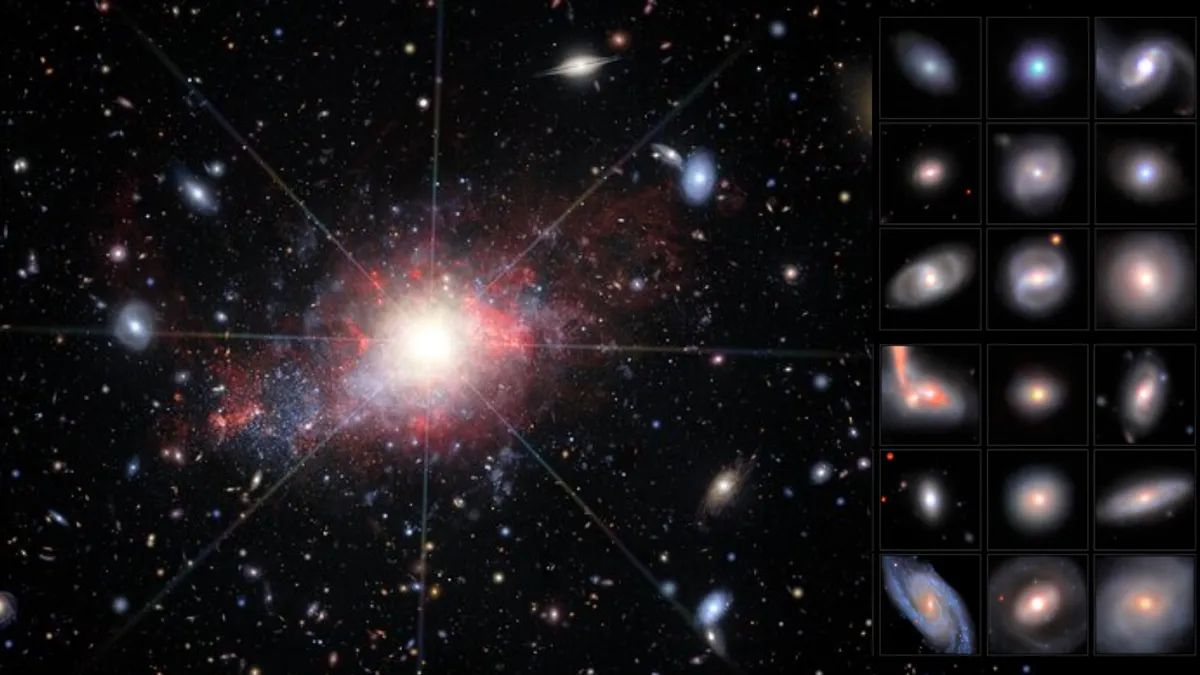
Astronomers Discover Largest Collection of Missing Link Black Holes in Dwarf Galaxies
Astronomers have uncovered 2,500 dwarf galaxies containing active black holes using DESI data. This marks the largest-ever discovery of intermediate-mass black holes, with 300 new candidates identified. These findings could help scientists understand how black holes evolve from stellar-mass to supermassive sizes. The research, based on 410,000 gala...
-
Cosmic Survey Reveals Surge of Black Holes in Dwarf Galaxies
A cosmic survey using the Dark Energy Spectroscopic Instrument has identified over 2,500 active black holes in dwarf galaxies, tripling previous estimates. Conducted by the University of Utah’s Ragadeepika Pucha, the research has also uncovered nearly 300 intermediate-mass black holes, quadrupling their known population. This milestone discovery ...
-
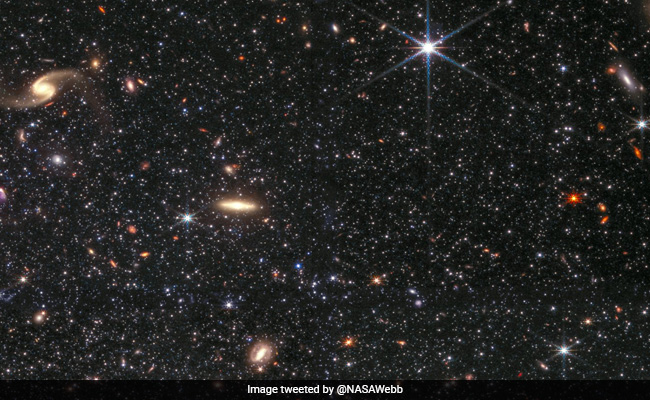
NASA's James Webb Telescope Captures Striking Image Of Dwarf Galaxy
The Webb telescope used its near-infrared camera to capture stunning details.
-
Dwarf Galaxies of Earth’s Second Closest Galaxy Cluster Devoid of Dark Matter Halos
In a study led by the University of Bonn and the University of Saint Andrews (Scotland), astronomers suggest that the dark matter halos are absent from the dwarf galaxies in the Fornax Cluster, the second closest galaxy cluster to Earth. The findings were published in the Monthly Notices of the Royal Astronomical Society.
-
Distant Dwarf Galaxy Formation Spotted, Indian Researcher In Study Team
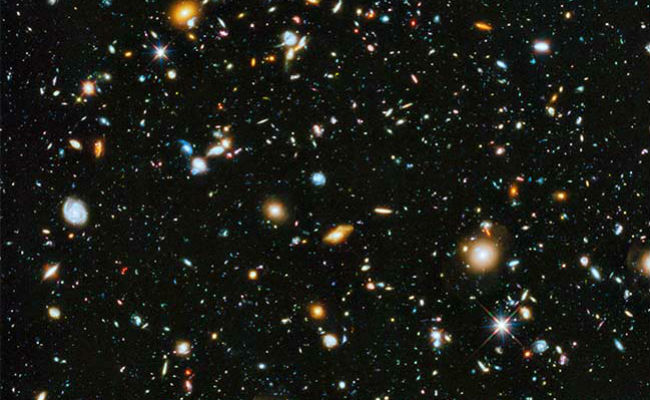
A first of its kind study has found new stars forming beyond the visible boundaries about 1.5 to 3.9 billion light years away from the Earth, according to an article by a research scholar of Tezpur University.
-
First Images of 'Cosmic Web' Reveal Maze of Dwarf Galaxies
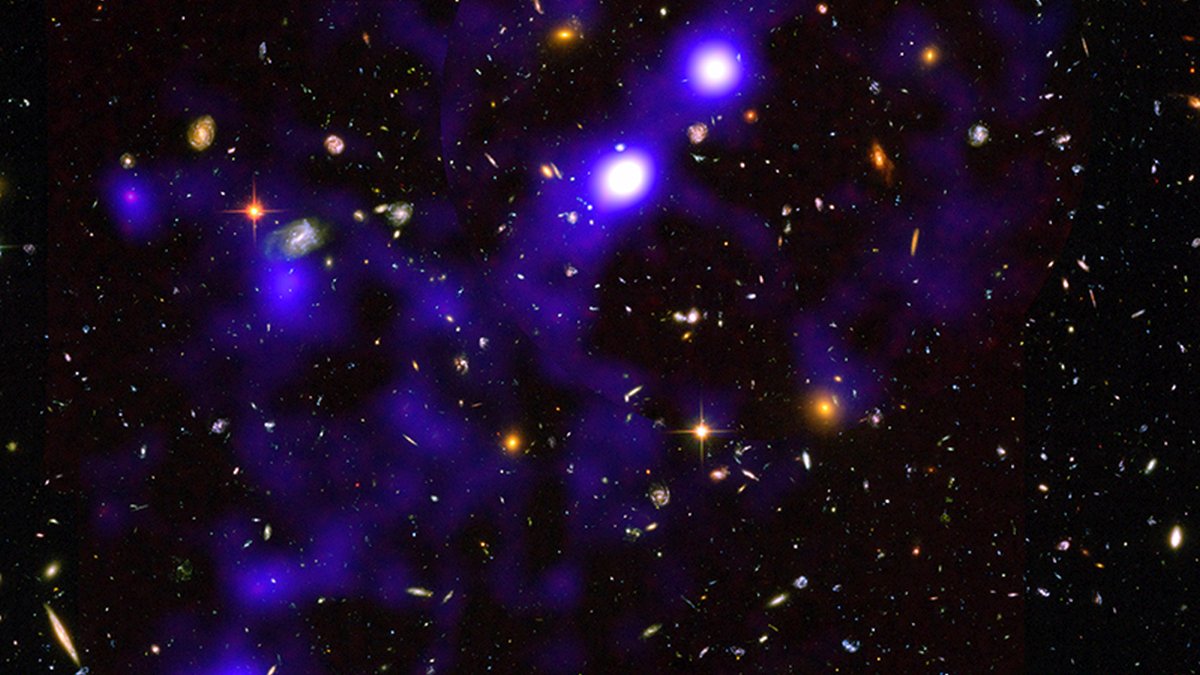
Scientists in France have for the first time seen the incandescent filaments of hydrogen gas known as the "cosmic web”. Eight months of observation with the European Southern Observatory's Very Large Telescope and a year of data crunching revealed the filaments as they existed only one to two billion years after the Big Bang.
-
Hubble Clicks A Mysterious Solitary Dwarf Galaxy
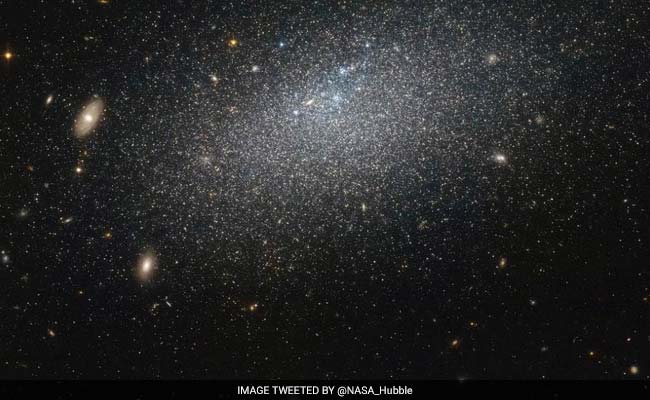
The Hubble Space Telescope has uncovered a mysterious solitary dwarf galaxy - a type that is smaller and messier than its cosmic cousins, lacking the majestic swirl of a spiral or the coherence of an elliptical.
-
Massive Dark Matter Found in Nearby Galaxy
Astronomers have found what may be the highest concentration of the elusive dark matter in any known galaxy, by measuring the mass of a nearby dwarf galaxy.
-
How Dwarf Galaxies Become Star-Churning Powerhouse: Report
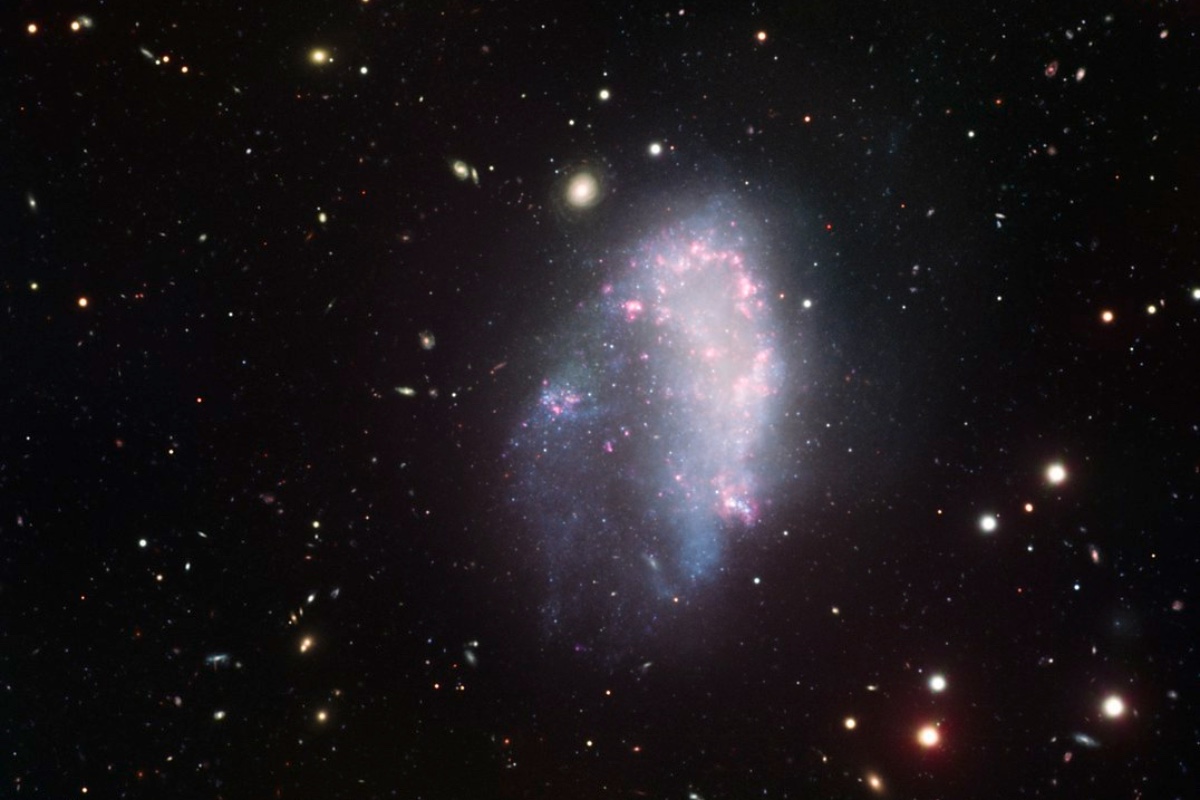
An international team of astronomers has discovered an unexpected population of compact interstellar clouds hidden within the nearby dwarf irregular galaxy.

-
Astronomers Discover Two Galaxies That Appear to Lack Dark Matter
Researchers studying FCC 224 and FCC 240 in the Fornax Cluster found evidence that both galaxies contain surprisingly little dark matter. The discovery supports the idea that galaxy collisions can strip away dark matter and raises new questions about how galaxies evolve.
-
Scientists Find Dwarf Galaxy That May Have Been Absorbed By Milky Way Billions Of Years Ago
The discovery was made after scientists examined 20 metal-poor stars located on the Milky Way's galactic plane.
-
Andromeda XXXVI Discovery Sheds Light on Dark Matter Rich Dwarf Galaxies
Astronomers have discovered Andromeda XXXVI, an ultra-faint, dark matter-rich satellite of Andromeda Galaxy. This ancient system may be a fossil from the early universe, helping scientists study galaxy formation and dark matter.
-
Astronomers Look to the Large Magellanic Cloud to Study How Stars Are Born
The Large Magellanic Cloud is a nearby dwarf galaxy glowing with star birth. Just 160,000 light-years away, it hosts vast nebulae like the Tarantula and historic events such as Supernova 1987A, offering astronomers a rare, close-up laboratory to study how stars form, evolve, and explode.
-
Ursa Major III May Be a Star Cluster, Not a Dark-Matter Dwarf Galaxy
Astronomers have long thought Ursa Major III, also called UNIONS 1, was a dark-matter-packed dwarf galaxy. But new simulations suggest it may instead be a compact star cluster bound by black holes and neutron stars. Located 30,000 light-years away, Ursa Major III contains just ~60 visible stars yet shows puzzlingly high stellar velocities. The new ...
-
Smallest Galaxy Ever Found: Andromeda XXXV Defies Cosmic Evolution Models
Astronomers have discovered Andromeda XXXV, the smallest and faintest known galaxy, located 3 million light-years away. It challenges existing models of galaxy formation, as similar small galaxies were thought to be destroyed in the early universe. Researchers are studying how it retained conditions for star formation despite harsh cosmic environme...
-
Astronomers Discover Largest Collection of Missing Link Black Holes in Dwarf Galaxies
Astronomers have uncovered 2,500 dwarf galaxies containing active black holes using DESI data. This marks the largest-ever discovery of intermediate-mass black holes, with 300 new candidates identified. These findings could help scientists understand how black holes evolve from stellar-mass to supermassive sizes. The research, based on 410,000 gala...
-
Cosmic Survey Reveals Surge of Black Holes in Dwarf Galaxies
A cosmic survey using the Dark Energy Spectroscopic Instrument has identified over 2,500 active black holes in dwarf galaxies, tripling previous estimates. Conducted by the University of Utah’s Ragadeepika Pucha, the research has also uncovered nearly 300 intermediate-mass black holes, quadrupling their known population. This milestone discovery ...
-
NASA's James Webb Telescope Captures Striking Image Of Dwarf Galaxy
The Webb telescope used its near-infrared camera to capture stunning details.
-
Dwarf Galaxies of Earth’s Second Closest Galaxy Cluster Devoid of Dark Matter Halos
In a study led by the University of Bonn and the University of Saint Andrews (Scotland), astronomers suggest that the dark matter halos are absent from the dwarf galaxies in the Fornax Cluster, the second closest galaxy cluster to Earth. The findings were published in the Monthly Notices of the Royal Astronomical Society.
-
Distant Dwarf Galaxy Formation Spotted, Indian Researcher In Study Team
A first of its kind study has found new stars forming beyond the visible boundaries about 1.5 to 3.9 billion light years away from the Earth, according to an article by a research scholar of Tezpur University.
-
First Images of 'Cosmic Web' Reveal Maze of Dwarf Galaxies
Scientists in France have for the first time seen the incandescent filaments of hydrogen gas known as the "cosmic web”. Eight months of observation with the European Southern Observatory's Very Large Telescope and a year of data crunching revealed the filaments as they existed only one to two billion years after the Big Bang.
-
Hubble Clicks A Mysterious Solitary Dwarf Galaxy
The Hubble Space Telescope has uncovered a mysterious solitary dwarf galaxy - a type that is smaller and messier than its cosmic cousins, lacking the majestic swirl of a spiral or the coherence of an elliptical.
-
Massive Dark Matter Found in Nearby Galaxy
Astronomers have found what may be the highest concentration of the elusive dark matter in any known galaxy, by measuring the mass of a nearby dwarf galaxy.
-
How Dwarf Galaxies Become Star-Churning Powerhouse: Report
An international team of astronomers has discovered an unexpected population of compact interstellar clouds hidden within the nearby dwarf irregular galaxy.

