



Brain Genes
-
{
- All
- News
-

High-Fructose Diet Can Damage Brain Genes: Study
Fructose, a sugar common in the western diet, can damage hundreds of brain genes in a way that could lead to a range of diseases -- from diabetes to cardiovascular disease, and from Alzheimer's to attention deficit hyperactivity disorder -- warns a new study.
-
High-Fructose Diet Can Damage Brain Genes: Study
Fructose, a sugar common in the western diet, can damage hundreds of brain genes in a way that could lead to a range of diseases -- from diabetes to cardiovascular disease, and from Alzheimer's to attention deficit hyperactivity disorder -- warns a new study.
-
Honey Bees Larvae Absorb Social Culture of Hive
Honey bees are tuned in to the social culture of the hive as larvae, becoming more or less aggressive depending on who raises them, researchers have found.

-
High-Fructose Diet Can Damage Brain Genes: Study
Fructose, a sugar common in the western diet, can damage hundreds of brain genes in a way that could lead to a range of diseases -- from diabetes to cardiovascular disease, and from Alzheimer's to attention deficit hyperactivity disorder -- warns a new study.
-
High-Fructose Diet Can Damage Brain Genes: Study
Fructose, a sugar common in the western diet, can damage hundreds of brain genes in a way that could lead to a range of diseases -- from diabetes to cardiovascular disease, and from Alzheimer's to attention deficit hyperactivity disorder -- warns a new study.
-
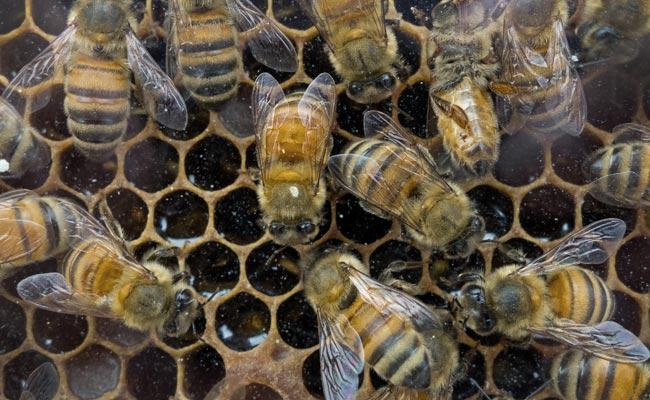
Honey Bees Larvae Absorb Social Culture of Hive
Honey bees are tuned in to the social culture of the hive as larvae, becoming more or less aggressive depending on who raises them, researchers have found.

