



-
{
- All
- News
- Videos
- Web Stories
-

Here's What NASA's Latest Nancy Grace Roman Space Telescope Aims To Discover
NASA states that the Roman telescope is designed to survey the universe a thousand times faster than the Hubble Space Telescope.
-
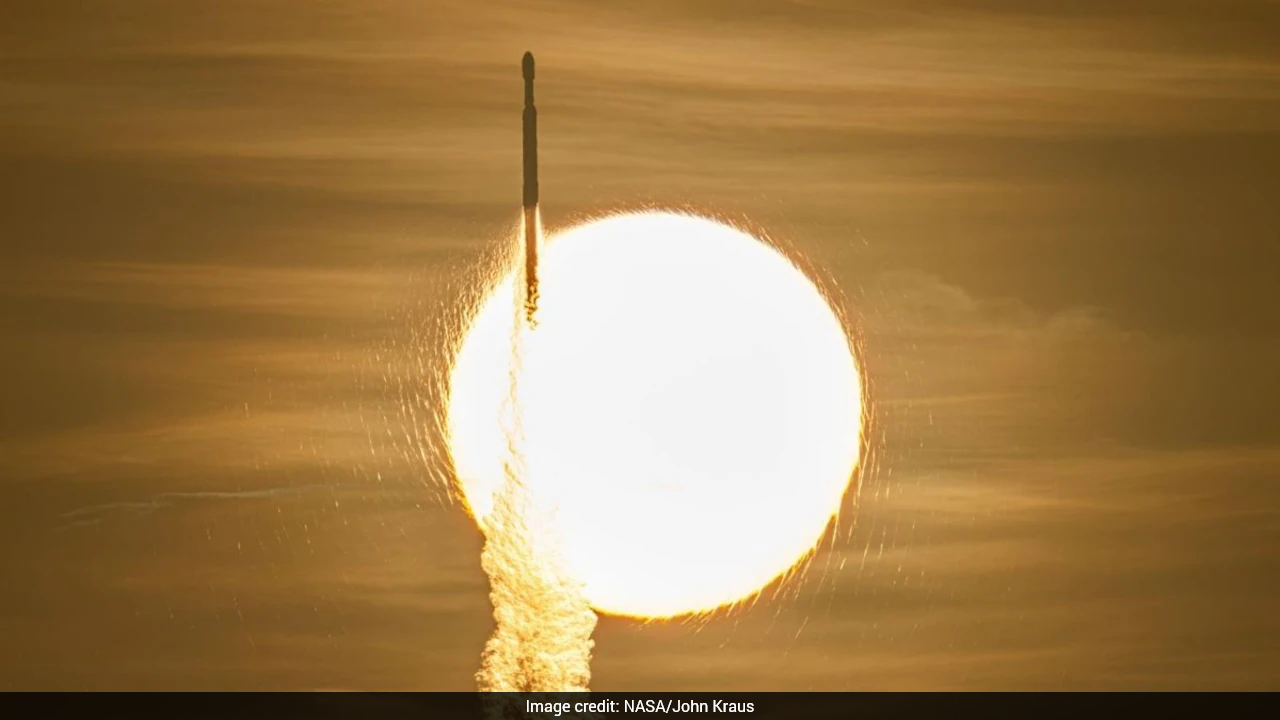
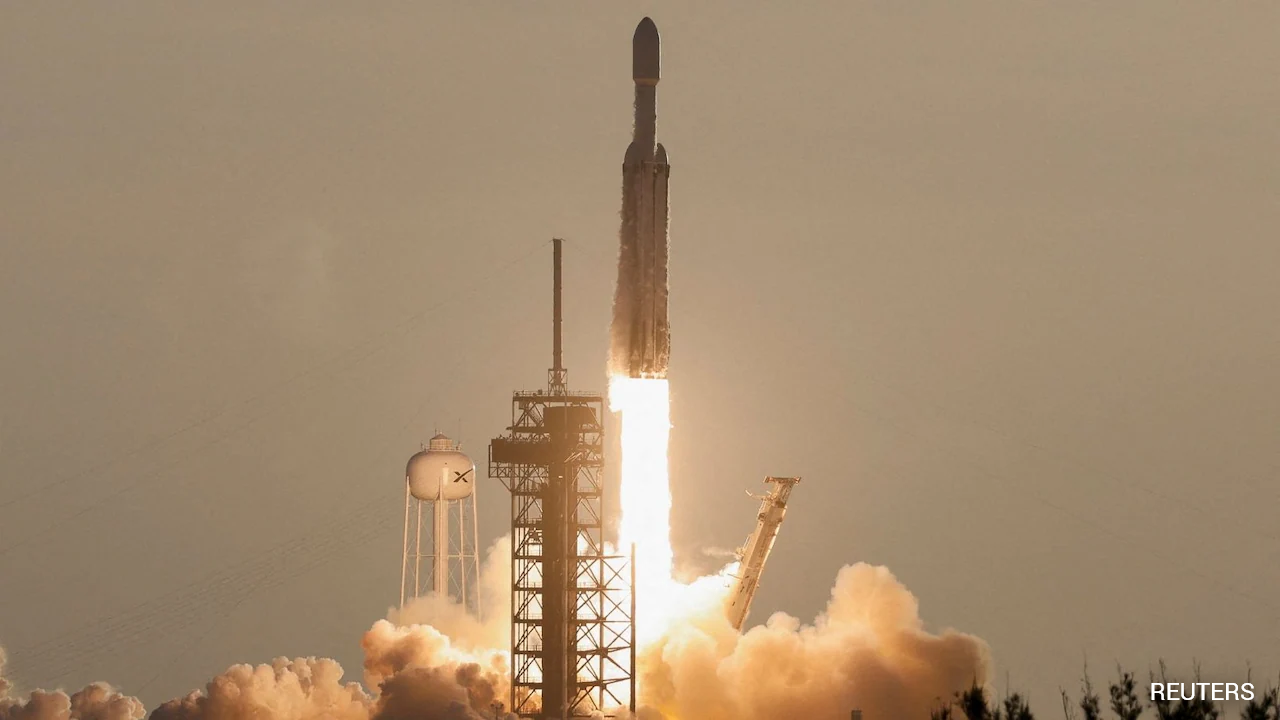
NASA Launches $4 Billion Telescope Into Space To Study Cosmic Enigmas
The Nancy Grace Roman Space Telescope will build on the capabilities of other orbiting observatories such as the James Webb Space Telescope, launched in 2021, and the Hubble Space Telescope, launched in 1990.
-
NASA's James Webb Telescope Discovers Giant Exoplanet Twice As Massive As Jupiter
The discovery happened while the team was using the telescope's NIRSpec, or Near-Infrared Spectrograph, to study the atmosphere of Beta Pictoris b.
-
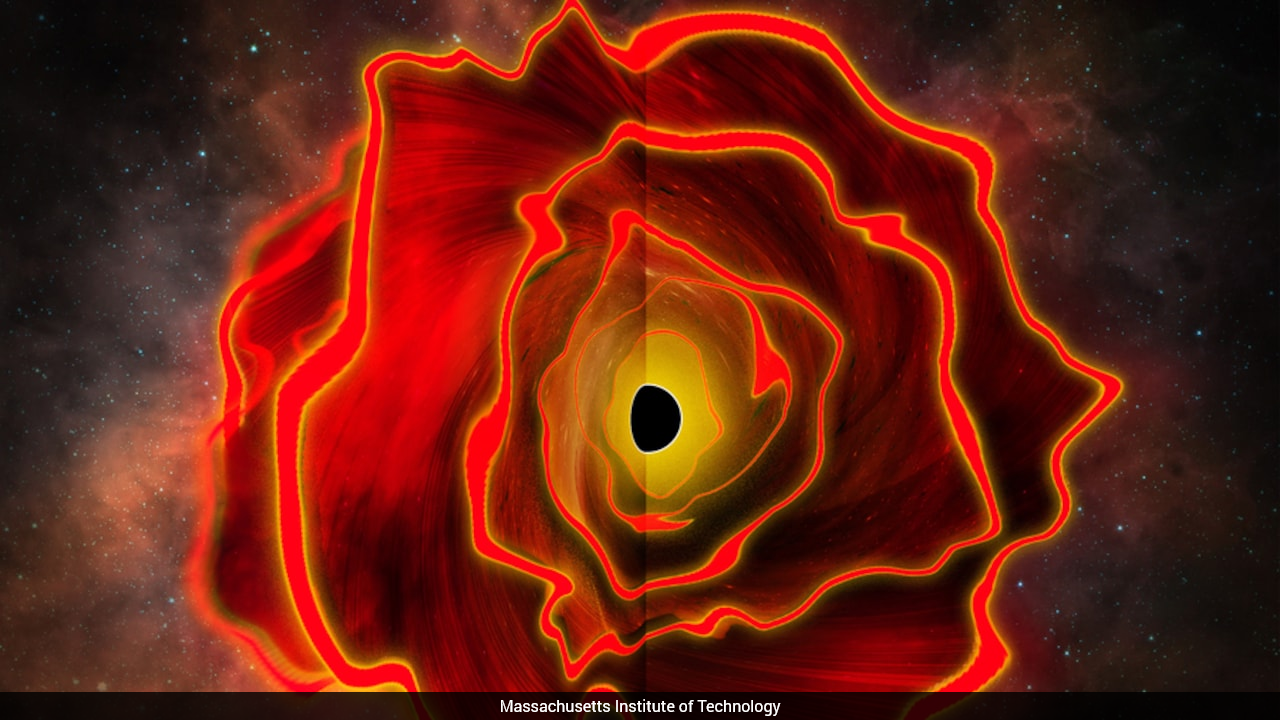
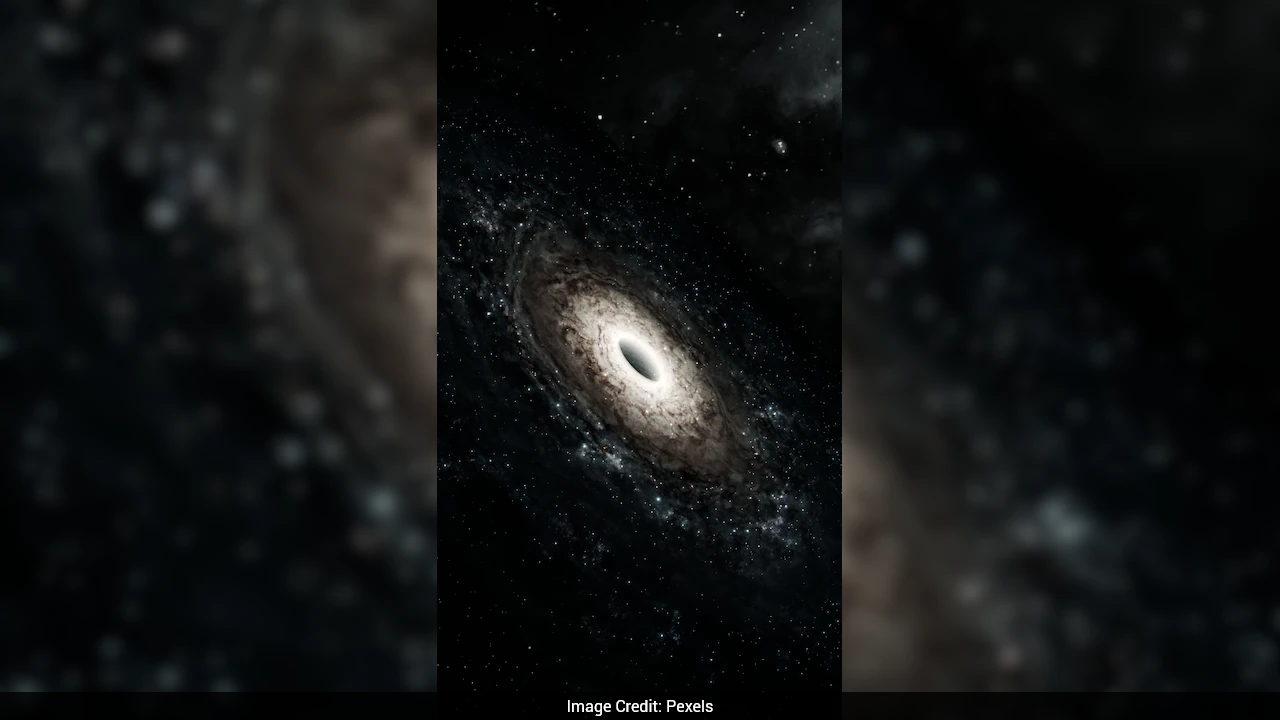
Astronomers Discover 'Black Hole Star', A Cosmic Object Never Seen Before
MIT astronomers have identified a possible new type of cosmic object called a black hole star, a giant hydrogen cloud powered by a central black hole.
-
NASA's James Webb Telescope Maps How Supermassive Black Holes Gain Mass
NASA's James Webb Space Telescope observed gas swirling near the supermassive black hole in galaxy NGC 4696, revealing details of black hole feeding.
-
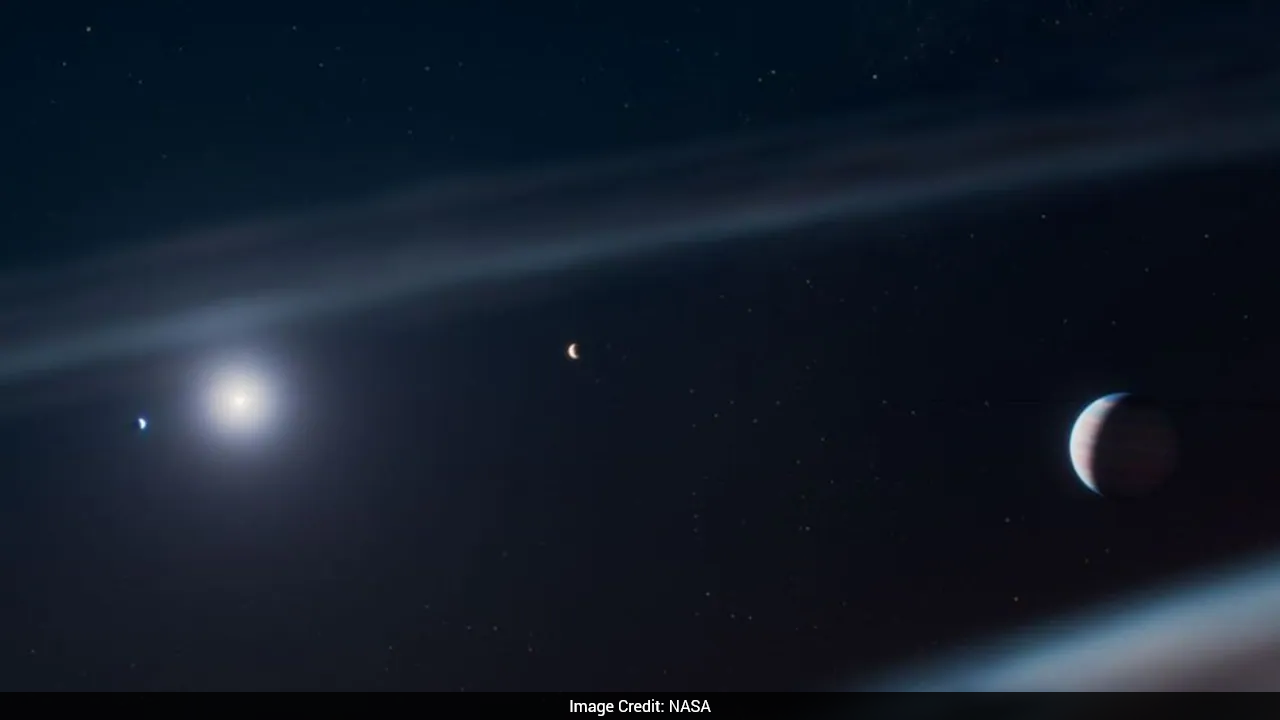
NASA's James Webb Space Telescope Discovers New Giant Planet Hidden In Nearby Star System
A separate study led by Ben Sutlieff of the University of Edinburgh and Markus Bonse of the European Southern Observatory supported the findings.
-
Scientists Find Strange Chemical Signature On Pluto And Titan That No One Can Identify
Astronomers using the James Webb Space Telescope have detected an unexplained chemical signature on both Pluto and Saturn's moon Titan.
-
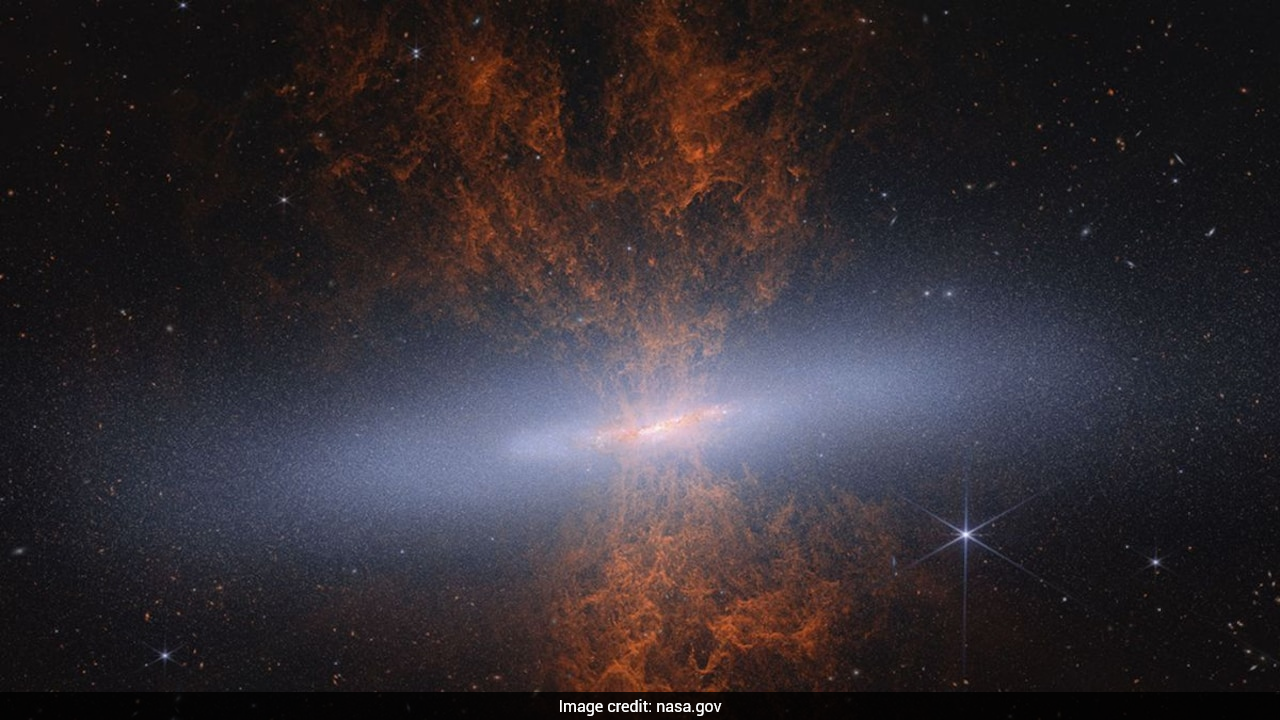
NASA's Webb Telescope Captures Rare Views Of Galaxy Shaped By Cosmic Collision
Earlier visible-light observations by NASA's Hubble Space Telescope could not show the galaxy's central region because dust blocked the view.
-
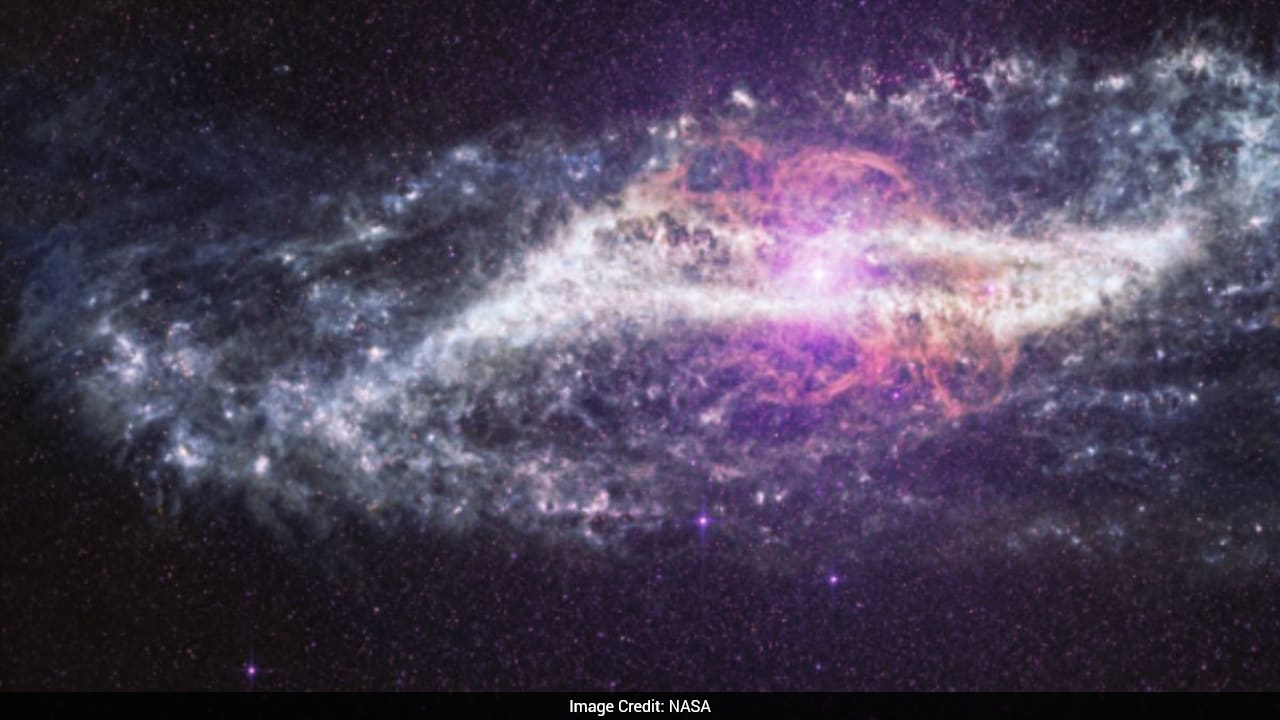
NASA's James Webb Telescope Observes Millions Of Stars Within 'Cigar Galaxy'
Astronomers note that M82's extreme starburst phase won't last forever. It is expected to continue for only a few hundred million years-a brief moment in cosmic time.
-
Study Reveals Interstellar Comet 3I/ATLAS Could Be The Oldest Object Detected In Solar System
The findings surprised researchers, who used the comet's composition to better understand the environment in which it formed.
-
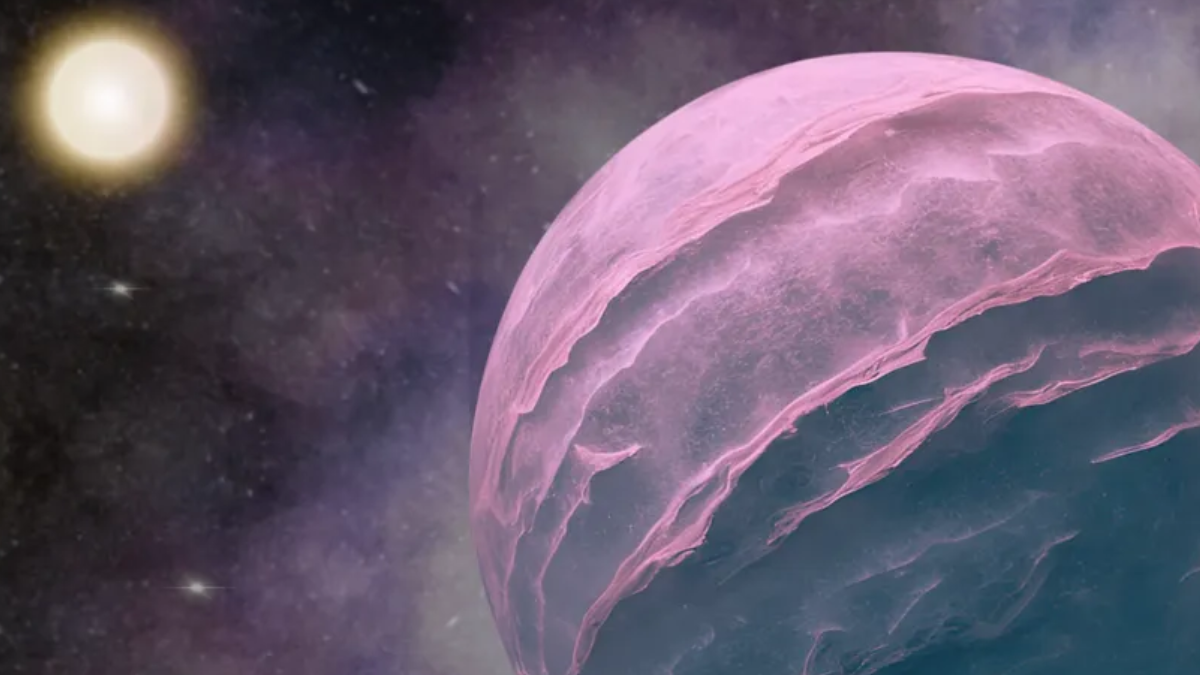
JWST Reveals Salt Clouds in the Atmosphere of the ‘Pink Planet’ GJ 504b
Using just two hours of observations, JWST decoded the atmosphere of GJ 504b, a cool pink world 57 light-years away. Scientists detected water vapor, methane, ammonia, and carbon dioxide, while deep salt clouds helped explain the object's unusual appearance and temperature.
-
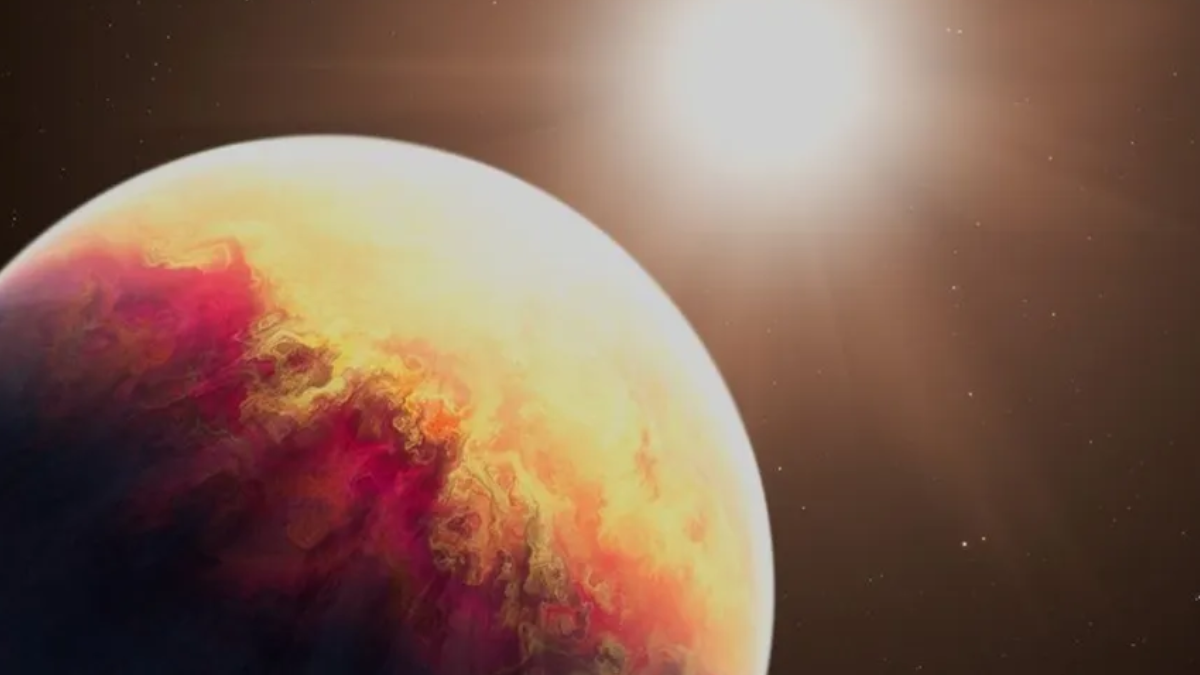
JWST Watches HD 80606 bExoplanet Heat Up by 1,100 Degrees in Hours
The James Webb Space Telescope observed HD 80606 b undergo a dramatic temperature surge during its closest approach to its star. The data revealed extreme heating and detected methane and carbon dioxide, offering a rare look at how giant exoplanet atmospheres respond to intense stellar energy.
-
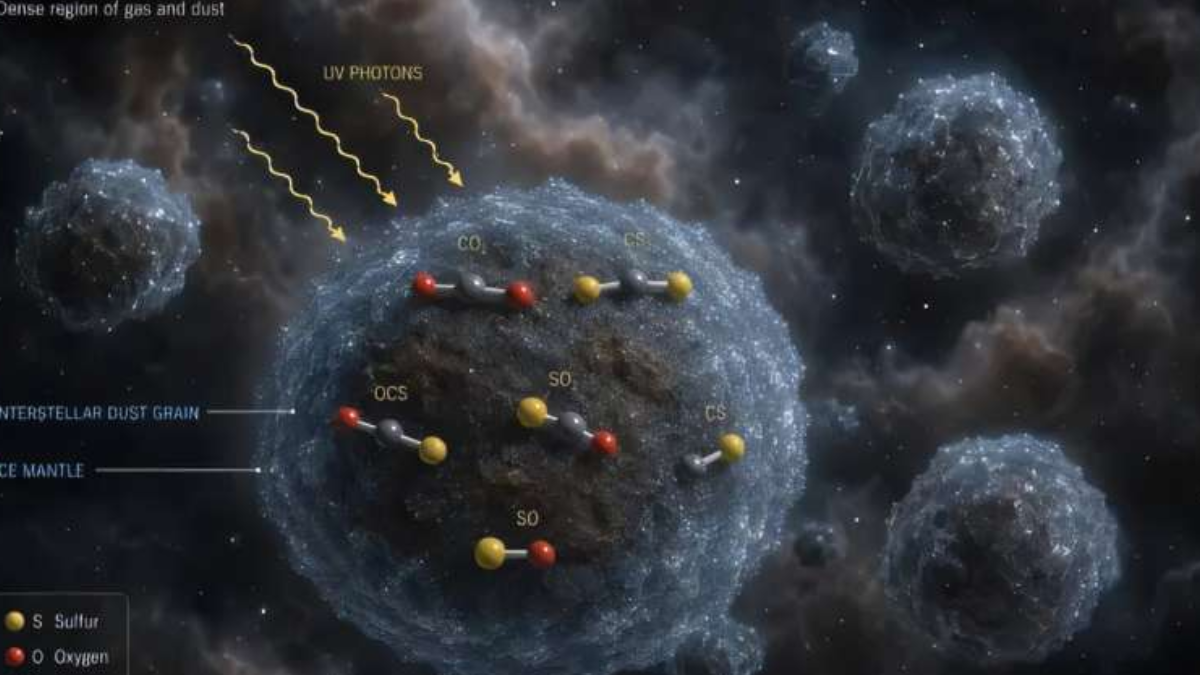
Scientists May Have Solved the Missing Sulfur Mystery in Star-Forming Clouds
A new simulation suggests sulfur in star-forming clouds may be locked inside icy dust grains through previously overlooked chemical reactions. The findings offer fresh clues to a decades-old cosmic mystery and could improve our understanding of life's essential ingredients in space.
-
Astronomers Discover Why Massive Galaxies Died Early in the Universe
Astronomers have discovered a powerful galactic wind in the merging galaxy system CRISTAL-02. The outflow is removing star-forming gas faster than it can be replenished, providing the first direct evidence for a mechanism that may have shut down star formation in massive early galaxies.
-
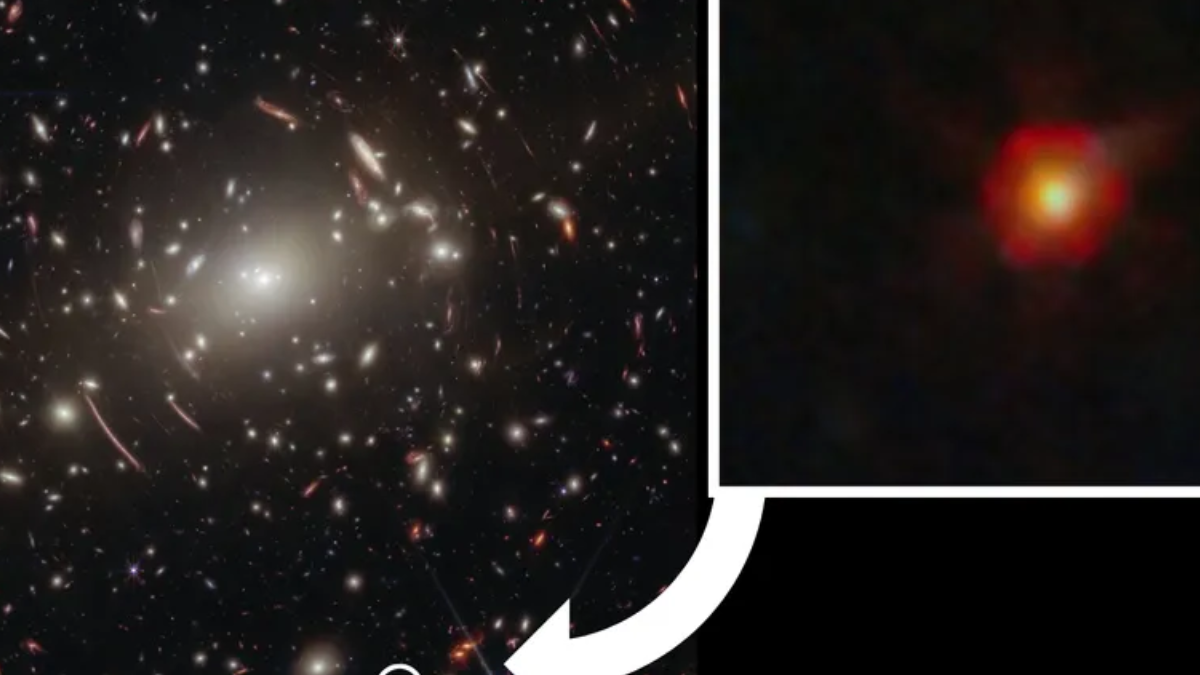
JWST Reveals the True Identity of Mysterious Little Red Dots
Using JWST, astronomers obtained the most detailed spectrum yet of a little red dot and found evidence that these mysterious objects are rapidly growing black holes wrapped in dense gas. The discovery could explain why they appear, shine red, and eventually disappear from the cosmic record.
![Gadgets 360 With Technical Guruji: Did You Know? [April 6, 2024]](https://c.ndtvimg.com/2024-02/mpconh58_did-you-know_640x480_10_February_24.jpg?downsize=245:163 "Gadgets 360 With Technical Guruji: Did You Know? [April 6, 2024]")



-
Here's What NASA's Latest Nancy Grace Roman Space Telescope Aims To Discover
NASA states that the Roman telescope is designed to survey the universe a thousand times faster than the Hubble Space Telescope.
-
NASA Launches $4 Billion Telescope Into Space To Study Cosmic Enigmas
The Nancy Grace Roman Space Telescope will build on the capabilities of other orbiting observatories such as the James Webb Space Telescope, launched in 2021, and the Hubble Space Telescope, launched in 1990.
-
NASA's James Webb Telescope Discovers Giant Exoplanet Twice As Massive As Jupiter
The discovery happened while the team was using the telescope's NIRSpec, or Near-Infrared Spectrograph, to study the atmosphere of Beta Pictoris b.
-
Astronomers Discover 'Black Hole Star', A Cosmic Object Never Seen Before
MIT astronomers have identified a possible new type of cosmic object called a black hole star, a giant hydrogen cloud powered by a central black hole.
-
NASA's James Webb Telescope Maps How Supermassive Black Holes Gain Mass
NASA's James Webb Space Telescope observed gas swirling near the supermassive black hole in galaxy NGC 4696, revealing details of black hole feeding.
-
NASA's James Webb Space Telescope Discovers New Giant Planet Hidden In Nearby Star System
A separate study led by Ben Sutlieff of the University of Edinburgh and Markus Bonse of the European Southern Observatory supported the findings.
-
Scientists Find Strange Chemical Signature On Pluto And Titan That No One Can Identify
Astronomers using the James Webb Space Telescope have detected an unexplained chemical signature on both Pluto and Saturn's moon Titan.
-
NASA's Webb Telescope Captures Rare Views Of Galaxy Shaped By Cosmic Collision
Earlier visible-light observations by NASA's Hubble Space Telescope could not show the galaxy's central region because dust blocked the view.
-
NASA's James Webb Telescope Observes Millions Of Stars Within 'Cigar Galaxy'
Astronomers note that M82's extreme starburst phase won't last forever. It is expected to continue for only a few hundred million years-a brief moment in cosmic time.
-
Study Reveals Interstellar Comet 3I/ATLAS Could Be The Oldest Object Detected In Solar System
The findings surprised researchers, who used the comet's composition to better understand the environment in which it formed.
-
JWST Reveals Salt Clouds in the Atmosphere of the ‘Pink Planet’ GJ 504b
Using just two hours of observations, JWST decoded the atmosphere of GJ 504b, a cool pink world 57 light-years away. Scientists detected water vapor, methane, ammonia, and carbon dioxide, while deep salt clouds helped explain the object's unusual appearance and temperature.
-
JWST Watches HD 80606 bExoplanet Heat Up by 1,100 Degrees in Hours
The James Webb Space Telescope observed HD 80606 b undergo a dramatic temperature surge during its closest approach to its star. The data revealed extreme heating and detected methane and carbon dioxide, offering a rare look at how giant exoplanet atmospheres respond to intense stellar energy.
-
Scientists May Have Solved the Missing Sulfur Mystery in Star-Forming Clouds
A new simulation suggests sulfur in star-forming clouds may be locked inside icy dust grains through previously overlooked chemical reactions. The findings offer fresh clues to a decades-old cosmic mystery and could improve our understanding of life's essential ingredients in space.
-
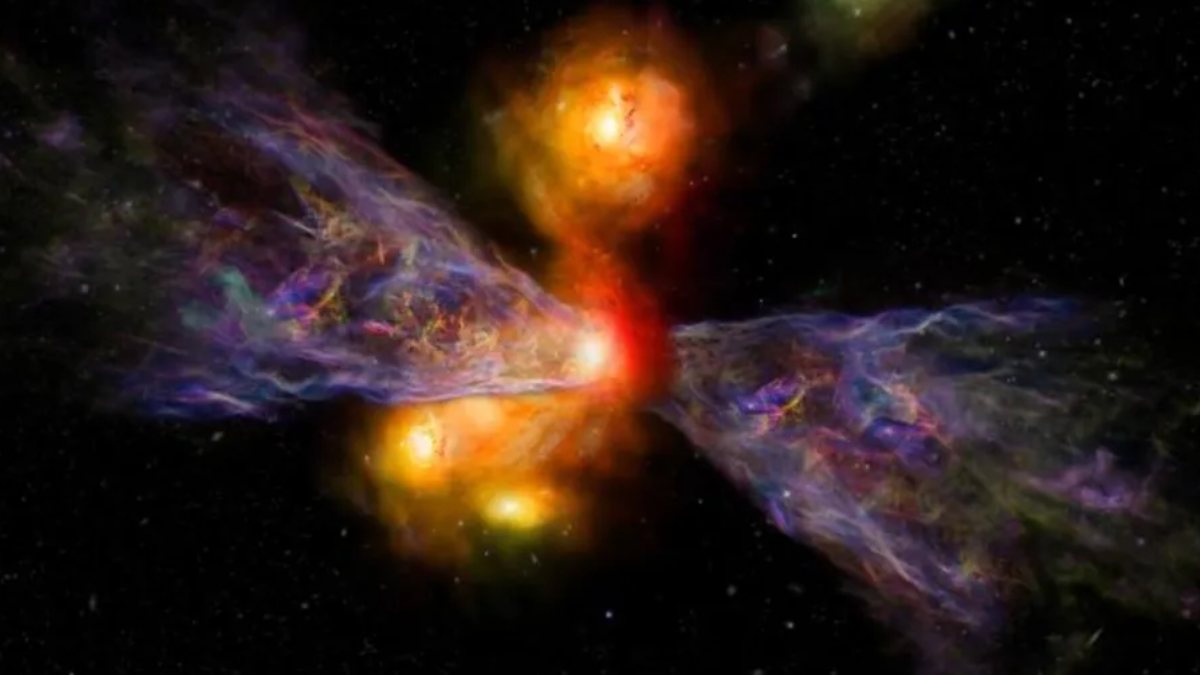
Astronomers Discover Why Massive Galaxies Died Early in the Universe
Astronomers have discovered a powerful galactic wind in the merging galaxy system CRISTAL-02. The outflow is removing star-forming gas faster than it can be replenished, providing the first direct evidence for a mechanism that may have shut down star formation in massive early galaxies.
-
JWST Reveals the True Identity of Mysterious Little Red Dots
Using JWST, astronomers obtained the most detailed spectrum yet of a little red dot and found evidence that these mysterious objects are rapidly growing black holes wrapped in dense gas. The discovery could explain why they appear, shine red, and eventually disappear from the cosmic record.

