





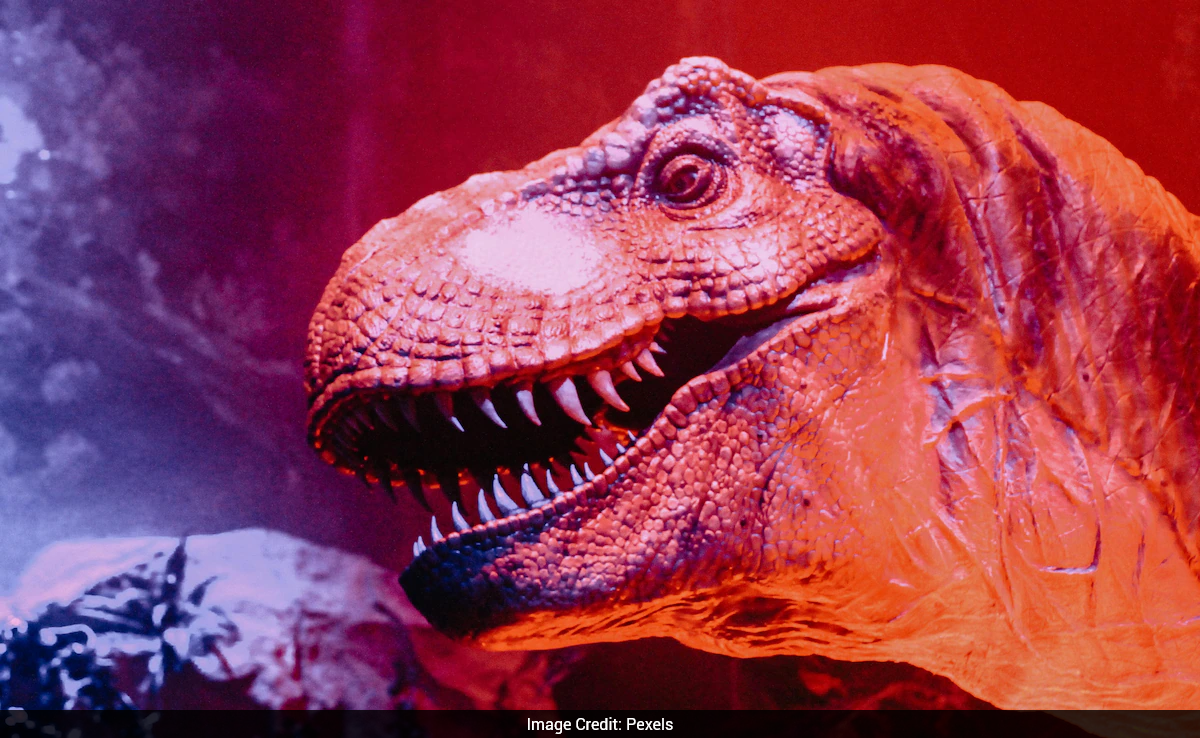
Scientists have identified a massive ancient sea predator from fossils found in Texas, describing it as the "T. rex of the sea" because of its enormous size and powerful features, reported NYPost.
The newly identified creature, called Tylosaurus rex or "King of the Tylosaurs," is a type of mosasaur, a giant marine reptile that lived during the Cretaceous Period between 66 million and 145 million years ago. The findings were published in the journal Bulletin of the American Museum of Natural History.
Researchers said the creature was identified from 80 million-year-old fossils discovered in Texas. The sea reptile measured around 43 feet long, making it about twice the size of the largest great white sharks.
The animal also had powerful jaws capable of crushing skulls. Fossil evidence suggested that it may have fought with members of its own species.
Amelia Zietlow of the American Museum of Natural History in New York City, who led the study, said everything in Texas appeared to be bigger, including the mosasaurs.
According to the researchers, the fossil had earlier been labelled as Tylosaurus proriger, a smaller mosasaur species first described in 1869.
While examining museum collections, Zietlow noticed differences that suggested the fossils belonged to another species. The fossils, which were discovered outside Dallas in 1979 along with many others, had several unusual features.
Researchers found that all the fossils came from northern Texas, had serrated teeth unlike those seen in other mosasaurs, and were around 13 feet longer than Tylosaurus proriger.
The fossils were also estimated to be about four million years younger than previously known relatives, whose remains dated back around 84 million years.
Study author Ron Tyloski, a curator at the Perot Museum in Dallas, said the species appeared to be more violent than other members of the mosasaur family.
One specimen reportedly had a missing nose tip and a broken jaw, which researchers believed were injuries from a fight with another equally large tylosaur.
Tyloski explained that only another tylosaur of similar size could have caused such damage.
Researchers also noted similarities with the land predator Tyrannosaurus rex, which was also known for fighting members of its own species.
The study team said they were not the first to recognise the creature as a separate species.
In the 1960s, Texas paleontologist John Thurmond had suggested that the large tylosaurs from northern Texas could belong to a new species. He named them Tylosaurus thalassotyrannus, meaning "sea tyrant."
The researchers said the new findings also addressed a long-standing issue in mosasaur research. According to the team, the dataset used to study the reptiles' evolutionary history had remained mostly unchanged for nearly 30 years.
The scientists updated the information and proposed a new evolutionary tree for mosasaurs.
Zietlow said the discovery showed the need to re-examine long-held assumptions about mosasaur evolution and modernise the methods used to study these marine reptiles.
Researchers added that despite its fearsome nature, Tylosaurus rex may not have been the most dangerous creature living in the ancient seas.
Track Latest News Live on NDTV.com and get news updates from India and around the world

