





Stargazers have a lot to look forward to this July, with several celestial events lighting up the night sky. From planet and moon pairings to meteor showers and the glowing Milky Way, the month offers many chances to observe space without any special occasion, reported National Geographic.
Milky Way View
July also gives a clear view of the Milky Way's bright core, which appears in the southern sky throughout the night. A nearby comet can also be seen with small telescopes during this period.
Moon-Saturn Conjunction
On July 7 and 8, after midnight, the third-quarter moon and Saturn appear close together above the eastern horizon. The pair stays visible until dawn, with Mars and the Pleiades star cluster joining the view just before sunrise.
Triangular Celestial Display
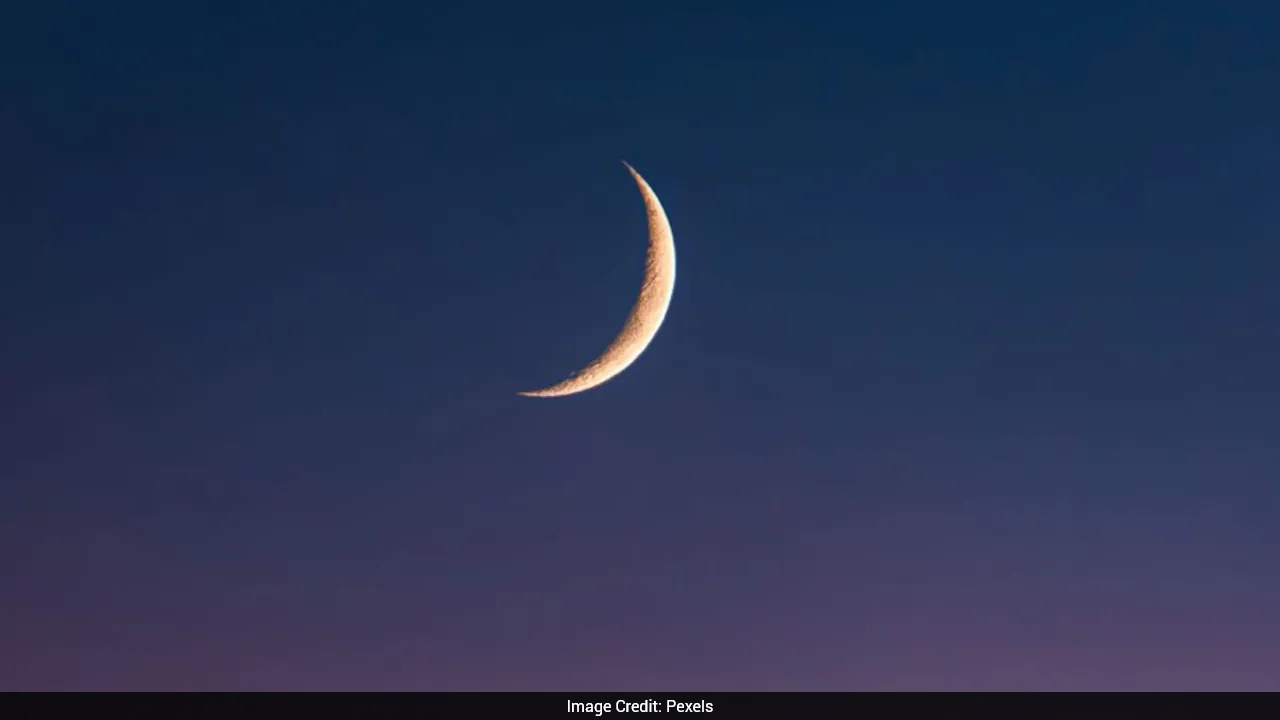
On the morning of July 11, the thin crescent moon forms a triangle with the Pleiades star cluster and Mars. The three objects can be seen about two hours before sunrise in the eastern sky.
Astronomers suggest using binoculars to get a clearer view of the Pleiades cluster. The crescent moon also offers a good chance to observe craters and valleys on its surface.
New Moon Darkness
July 14 marks the new moon, when the moon produces almost no light. This makes it an ideal night to observe deep-space objects and the Milky Way, especially from dark locations like national parks. During this time, the galactic core is easier to see after about 30 minutes of darkness-adjusted vision.
Moon-Venus Conjunction
On July 17, Venus and the crescent moon appear close together in the evening sky. The pair can be seen above the western horizon shortly after sunset and remain visible for about two hours.
Buck Moon Peak
The full "buck" moon will reach peak brightness around 10:30 am ET on July 29. The best views will be on the evenings of July 28 and 29, or during moonset on the morning of July 29. This full moon appears larger near the horizon due to the moon illusion and is named after the season when male deer grow new antlers.
Meteor Shower Peak
Toward the end of the month, the Southern Delta Aquariid meteor shower begins to peak. The shower runs from July 12 to August 23, with the highest activity expected in the predawn hours of July 30 and 31.
Track Latest News Live on NDTV.com and get news updates from India and around the world

