





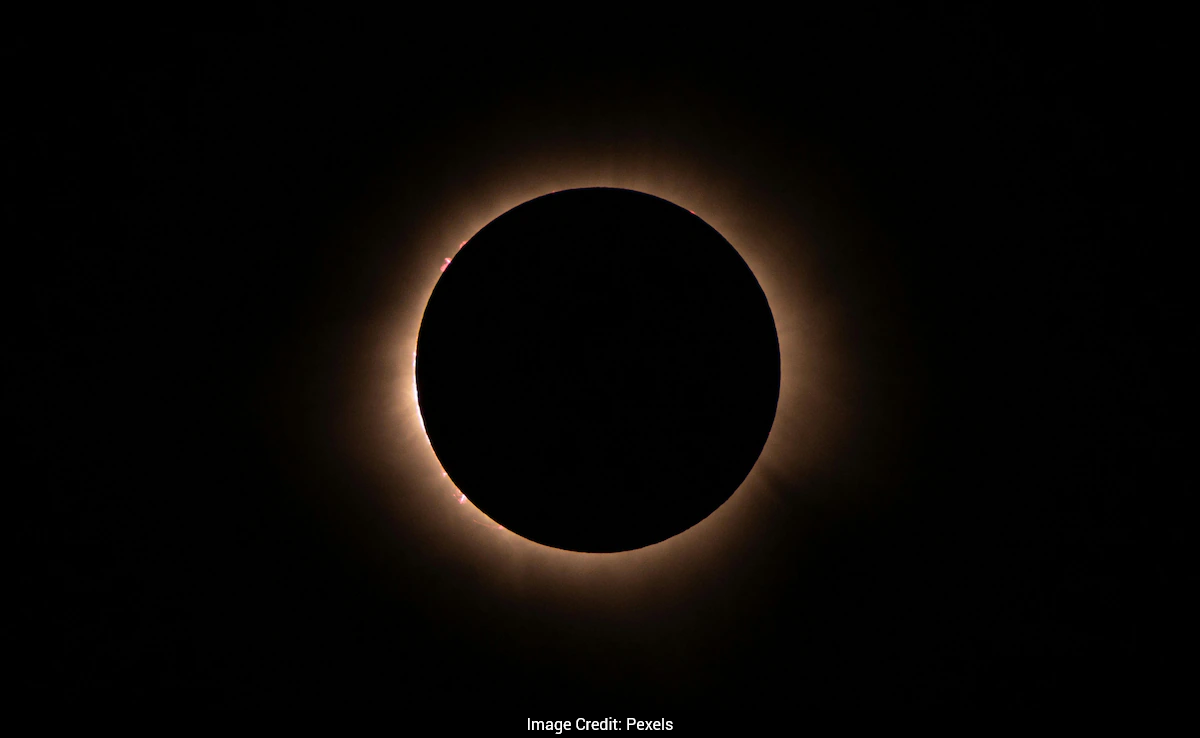
People who want to take a break from their screens and enjoy the beauty of nature will have many chances in 2026. The Old Farmer's Almanac has said that the year will offer several special moments in the sky. The publication, which has been appearing continuously since 1792, said these events will be worth watching and will also be easy to see, reported Newsweek.
The Almanac has released a list of special dates for people living in North America, so they can mark them in their calendars and remember to look up at the night sky from time to time.
February 18-20, 2026: Mercury Near the Moon
On Wednesday, February 18, Mercury will be much closer to the Sun than usual, making it easier to see this small planet. According to the Almanac, the best viewing opportunity will be directly above the Moon about 45 minutes after sunset.
On Thursday, Mercury will shine near the Moon. On Friday, the planet will be at its highest position and will appear above both Saturn and the Moon.
March 3, 2026: Total Lunar Eclipse
March 3 will be a reason for people to wake up early. Just before sunrise, when the full Moon passes into Earth's shadow, it will gradually darken to a reddish hue, as a total lunar eclipse will occur.
The eclipse is expected to begin at 6:03 a.m EST and last for about an hour. Those in the western United States will be able to see it from start to finish, while those on the East Coast will see the moon set during the eclipse.
According to the Almanac, it's worth marking this event on your calendar, as the next total lunar eclipse in the United States won't be visible until June 2029.
June 9, 2026: Venus and Jupiter Will Be Visible Together
On June 9, Venus and Jupiter will appear very close together in the sky, creating a double planet-like appearance, the Almanac reports. Venus will be easy to spot in the night sky, as it is the brightest star-like object.
August 12-13, 2026: Perseids and Partial Solar Eclipse
On the nights of August 12 and 13, and into the morning, people will be able to witness the famous Perseids, or shooting stars. According to the Almanac, the best time to view them will be after midnight on August 13. In completely dark skies, 60 to 100 meteors can be seen in an hour. The Almanac recommends staying away from bright lights for better viewing.
A partial solar eclipse will also be visible in some areas of the United States on August 12th. The Almanac cautions that it will be very faint and should not be viewed without proper eye protection.
August 27-28, 2026: Partial Lunar Eclipse
Another lunar event will occur in late August. This partial lunar eclipse will not be as spectacular as the total eclipse in March, but will be similar in appearance. The best time to view it will be around midnight. The eclipse will peak at 12:12 a.m EDT on August 28th, when 93 percent of the Moon will be in Earth's shadow.
October 6, 2026: Moon and Jupiter Simultaneous
Just before sunrise on October 6th, the Moon and Jupiter will appear to rise very close together. The Almanac said this will be one of the easiest sky sights of the year. According to the publication, this view is suitable even for beginners and will not require a telescope.
November 7, 2026: Moon, Venus, and Spica
On November 7, the Moon and Venus will be visible, along with the blue star Spica. The Almanac noted that Spica's light took about 250 years to reach Earth, which is approximately the same period of time it took for the Declaration of Independence to be signed.
December 13-14, 2026: Another chance to see shooting stars
People will once again have the opportunity to see shooting stars in December, especially those who missed the August spectacle or want to see more. In very dark skies and away from major cities, people can see up to 120 slow and beautiful shooting stars in an hour. According to the Almanac, these will range from faint streaks of light to bright meteors, and sometimes even fireballs.
The best time to see them will be around 2 a.m, although they may be visible before midnight.
Track Latest News Live on NDTV.com and get news updates from India and around the world

