






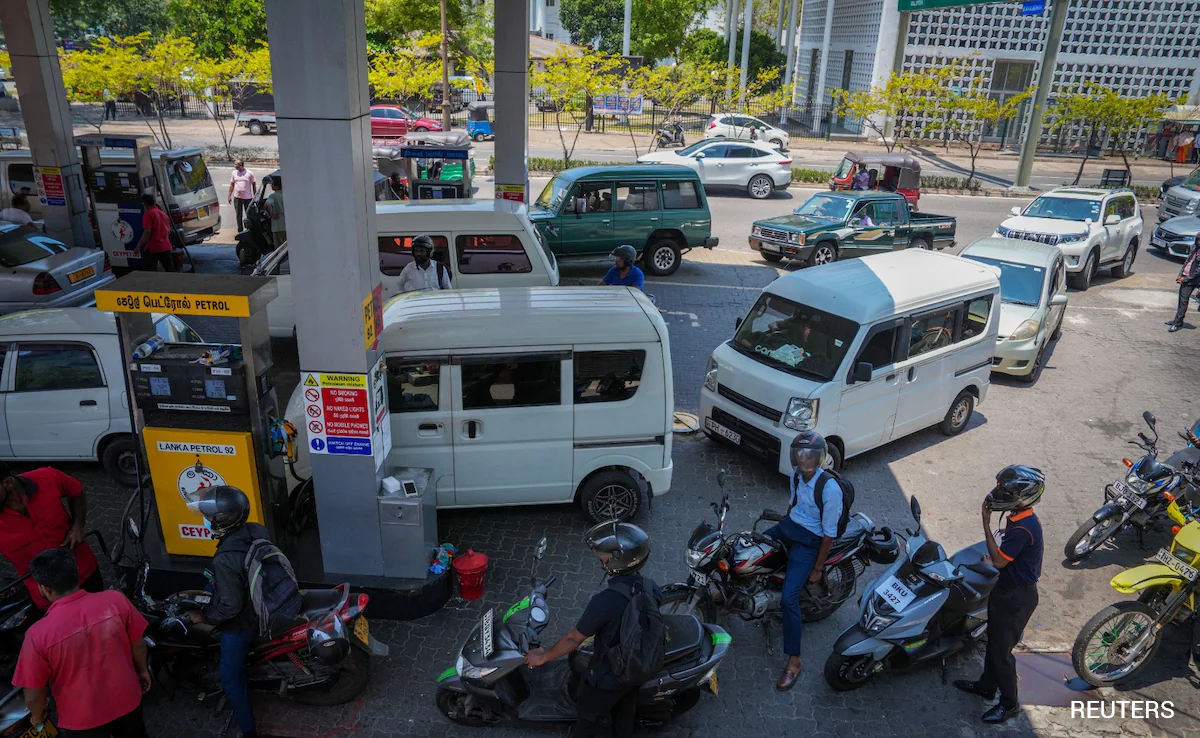
As the war in the Middle East grinds on, energy markets are convulsing, shipping routes through the Strait of Hormuz remain choked, and the collateral damage is falling hardest on the smaller, import-dependent countries that didn't start the conflict and have no leverage to end it.
Bangladesh. Sri Lanka. The Maldives. All three have reached out to New Delhi. When a nation's power plants go dark, when fishing boats cannot leave harbour, when hospitals run low on diesel for their generators - that crisis is immediate. A road project taking a decade to complete is an abstraction. A tanker arriving in port at dawn is a fact.
India's Neighbourhood First Policy
India has long proclaimed a "Neighbourhood First" foreign policy. Critics argue India's engagement with its immediate neighbourhood has been reactive rather than proactive - impacted by growing Chinese influence rather than an independent vision.
The Middle East crisis has changed the landscape completely.
The Maldives is a tiny island nation with no refining capacity, no alternative large neighbour, and a fragile economy already under severe strain. When fuel supplies from the Gulf dried up, there was quite simply nowhere else to turn. India, rather than reminding the Maldivian government about a strident "India Out" campaign - answered the call without conditions. That decision would be remembered long after the political slogans of the Muizzu era have faded.
What makes this significant is that India absorbed real costs to do it. The Indian crude basket hit $114 per barrel last month - up from a range of $65-70 - and the rupee has depreciated nearly 10%, its sharpest fall in 14 years. So, while its energy economics is becoming more unfavourable, India is still supplying fuel to its neighbours. This makes the generosity strategically meaningful - and costly.
Bangladesh Relationship
The Bangladesh case is more nuanced and more instructive. The two countries share a long 4,100-kilometre border, deep civilisational and cultural ties. But they also carry the weight of recent friction under the tenure of Mohd Yunus' tenure, which mainstreamed the anti-India fringe.
When India chose one of its first gestures to the new Dhaka government to be the dispatch of 5,000 metric tonnes of diesel, it was sending a powerful message: that India deals with nations, not just with governments perceived to be favourably disposed.
New Delhi's fuel diplomacy shows that neighbours that lean away, run domestic campaigns against Indian influence, and test the relationship - they still get the phone answered.
Sri Lanka Remembers Who Came First
Sri Lanka does not need to be reminded of these lessons. It lived them. When Colombo's economy collapsed in 2022, which caused massive shortages, brought citizens onto the streets, and forced a president to flee - it was India that moved first.
Before the International Monetary Fund arrived with its structural adjustment conditions, India extended fuel, food, medicines, and credit lines to stabilise Sri Lanka.
When the current energy crisis struck, Colombo's instinct was again to reach toward New Delhi. This is what sustained engagement over time produces - trust that survives government changes and shifts of diplomatic weather.
India's neighbourhood policy is often framed as being in opposition to China's Belt and Road Initiative - a framing that's simplistic and erroneous. China's infrastructure model is about leverage at scale: ports, roads, and telecom networks that reshape a country's strategy and come at exorbitant costs with strings attached. It is also, as several nations have discovered, not necessarily available when the lights go out.
Geography and economics always win over political slogans. India's task is not merely to fill tankers - but to convert that immediate goodwill from fuel diplomacy into the durable architecture of a neighbourhood that chooses New Delhi.
Vaccines. Aid. Fuel. Each crisis has reminded the neighbourhood of what India can do when it chooses to lead. The next chapter of Indian foreign policy will be defined by how India will sustain the same clarity of purpose and speed of decision when the present crisis is over.
(Gaurie Dwivedi is Executive Editor, NDTV)
Disclaimer: These are the personal opinions of the author

