





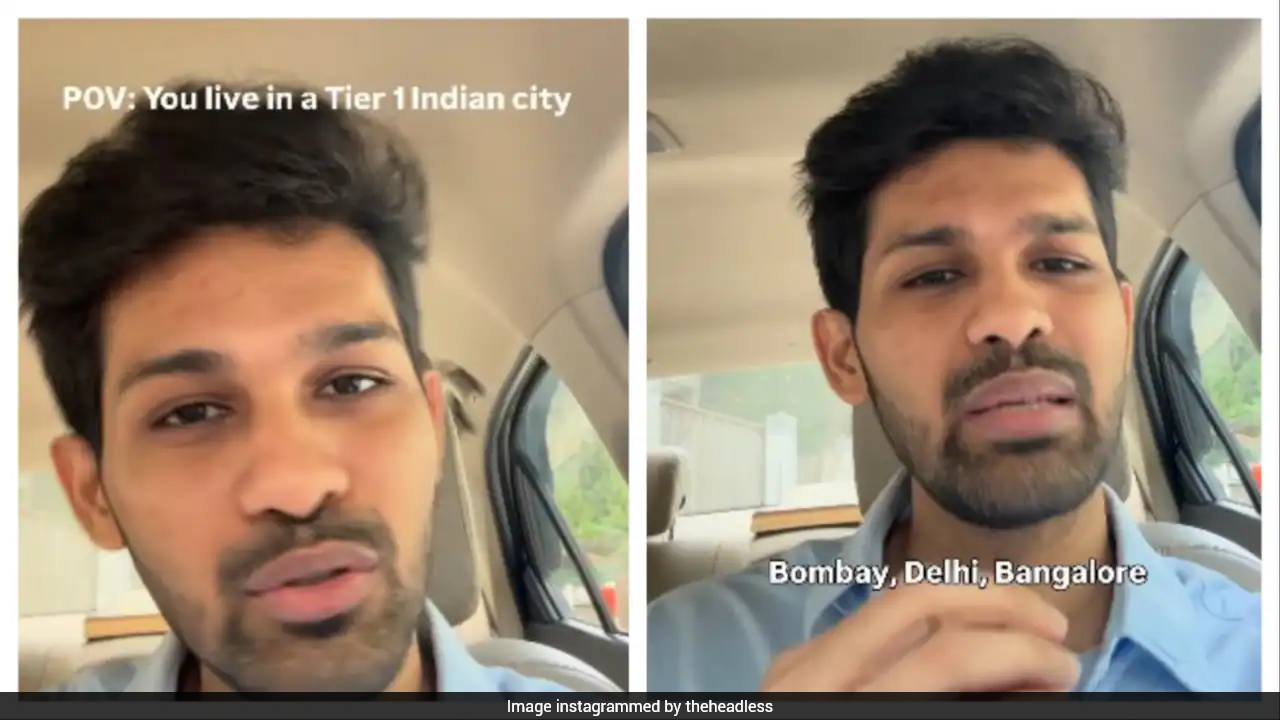
- Content creator highlights lack of affordable leisure beyond dining and shopping in Indian cities
- Mumbai, Delhi, Bengaluru, and Pune seen as consumption-focused with limited public cultural spaces
- Criticism of urban planning prioritizing malls and cafes over walkable streets and green areas
A content creator's observations about life in India's biggest cities have sparked a lively discussion on urban planning, public spaces and the way people experience city life. In a video shared on Instagram, he argued that cities such as Mumbai, Delhi, Bengaluru and Pune offer few affordable ways to spend time outside of eating, drinking or shopping. Reflecting on a recent visit to Pune, the creator said he had hoped to explore the city but found himself returning to the same activities he typically does in Mumbai - visiting cafes and restaurants. He added that he had a similar experience during a trip to Bengaluru a few months earlier.
According to him, many Indian cities have become centred around consumption, with malls, shopping centres, cafes and restaurants dominating the urban landscape. "The only way to spend quality time is by spending money. Most investment goes into malls, shopping centres, cafes and restaurants, leaving us with very few opportunities to experience our cities or our culture," he said.
The creator also pointed to what he sees as a lack of affordable cultural spaces, including museums, libraries, art exhibitions, music performances and dance events. He suggested that cities should offer more accessible avenues for people to connect with art, history and community.
Watch the video here:
Beyond cultural activities, he criticised the condition of public infrastructure, saying many cities lack walkable streets, well-maintained promenades, green spaces and public areas where people can spend time without feeling pressured to make a purchase. In his view, urban planning often prioritises commercial development over community spaces.
The video resonated with many viewers, several of whom agreed that Indian cities need more parks, cultural venues and public gathering spaces instead of an ever-growing number of cafes and malls. Others, however, disagreed with the broader criticism. Some argued that cities like Delhi already offer numerous historical landmarks and cultural attractions, while others suggested places such as Kolkata and Chandigarh as examples of cities with richer public and cultural experiences.
One user wrote, "I agree to disagree. I think that's a very capitalist way of looking at cities. Bombay, Pune and Bangalore have largely developed around that framework. Delhi, for me, offers something very different. Its parks, monuments, galleries, museums and libraries are largely accessible to everyone. You can spend an entire day engaging with history, art and culture without consumption being at the centre of it."
Another commented, "We need parks, art spaces, workshop spaces, performance spaces. It is sad how planning is done around consumerism and not community development." A third added, "Hard agree!! Been feeling this as a Bangalorean: I'm tired of exploring cafes and other commercial setups and having the same conversations on repeat. We need more affordable and publicly available museums, libraries, and more."
Track Latest News Live on NDTV.com and get news updates from India and around the world

