





Janmashtami is being celebrated across India on September 4 with devotion and joy as devotees mark the birth of Lord Krishna. The festival is observed with prayers, fasting, devotional songs and visits to temples, making it one of the important occasions in the Hindu calendar.
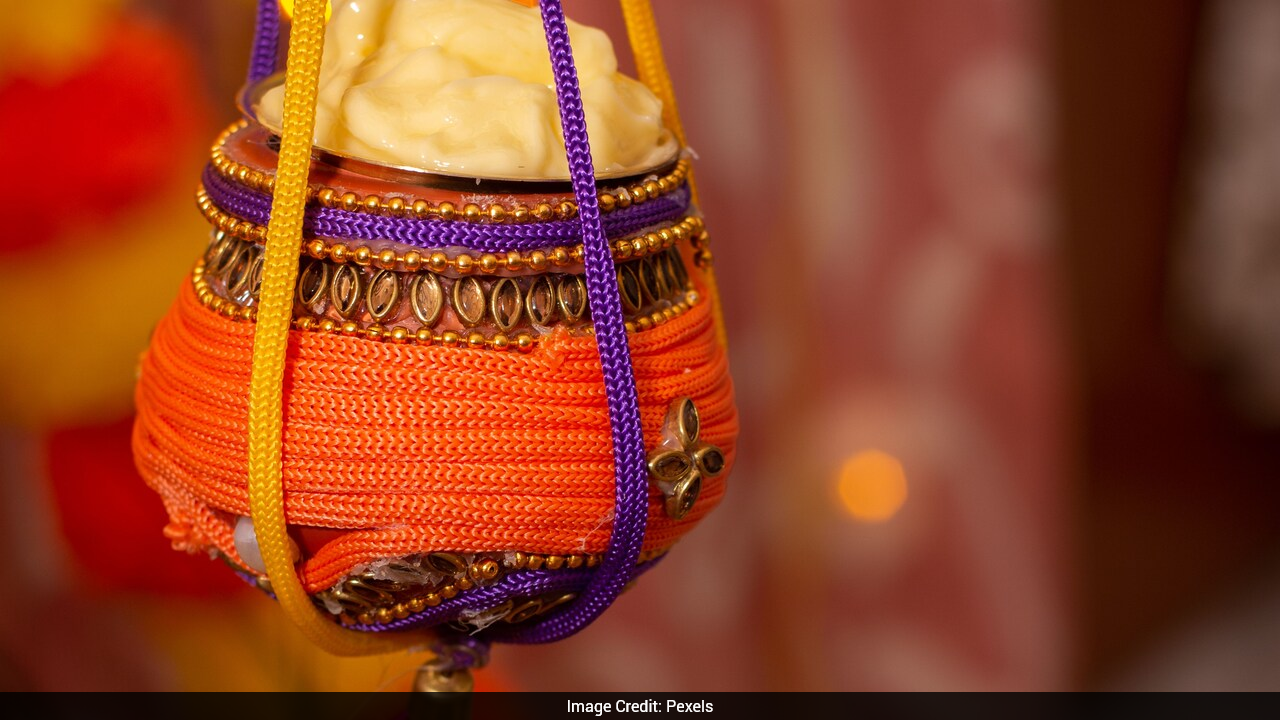
The celebrations are followed by Dahi Handi, which is traditionally observed on the day after Janmashtami. Also known as Gopalakala in Maharashtra, Dahi Handi 2026 will be celebrated on Saturday, September 5. The celebration involves groups known as Govinda Pathaks forming human pyramids to reach and break a suspended earthen pot filled with curd and other dairy products.
The term Dahi Handi comes from two words: 'dahi', meaning curd, and 'handi', referring to the traditional earthen pot used to store and process milk products.
On the day, streets come alive with chants, music and energetic celebrations as Govinda Pathaks compete to reach and break the hanging pots.
The tradition is rooted in the childhood stories of Lord Krishna. According to Hindu mythology, young Krishna was fond of butter and used to steal it from earthen pots kept in his neighbours' homes. To keep the dairy products away from him, the women of the neighbourhood began hanging the pots high from the ceiling.
However, Krishna, known for his playful and mischievous nature, found a way to reach them. He and his friends would form human pyramids, climb over one another and break the hanging pots to get the butter inside.
Significance Of Dahi Handi
Dahi Handi reflects the playful childhood of Lord Krishna. According to folklore, Krishna was very fond of butter and curd and would often steal them from his neighbours' homes. Because of this, he is often known as "Maakhan Chor".
His mother, Yashoda, was irritated by his habit and suggested keeping butter, curd and milk high enough so that young Krishna could not reach them. However, Krishna and his friends found a way to get them by forming human pyramids. Once they reached the pots, they would break them, share the butter among themselves and enjoy it.
Over time, this act became an important part of Indian culture, especially during Janmashtami celebrations.
The Dahi Handi event represents strength, coordination, teamwork and focus. The human pyramid can have up to nine tiers, with strong individuals forming the base and supporting the weight of those above them. The tradition also celebrates Lord Krishna's playful and mischievous nature, adding joy and happiness to the festivities.
In Maharashtra, Dahi Handi celebrations on September 5 are expected to feature Govinda Pathaks competing to break the suspended pots amid music, dancing and festive gatherings.
Track Latest News Live on NDTV.com and get news updates from India and around the world

