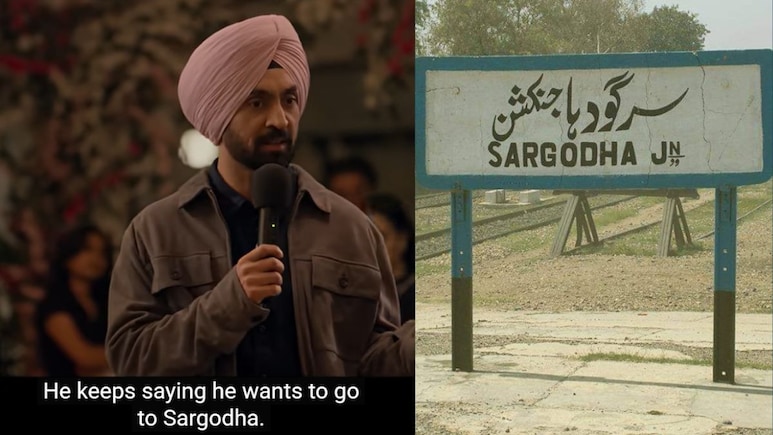
- Sargodha was founded in 1903 as part of the Lower Jhelum Canal Colony project by the British
- The city is known for its citrus orchards, earning it the nickname California of Pakistan
- Punjabi is the dominant language in Sargodha, reflecting its strong Punjabi cultural identity
In Imtiaz Ali's upcoming film Main Vaapas Aaunga, a promise made during one of the most turbulent periods in South Asian history echoes across nearly eight decades.
The film follows a young couple separated during the Partition of India, with only a few words connecting them through time: "Main vaapas aaunga" or "I will return."
That promise eventually leads back to Sargodha, a city in Pakistan's Punjab province that occupies a central place in the film's emotional landscape.
The story's elderly protagonist longs to revisit his ancestral home there on his death bed, turning Sargodha into far more than a location. It becomes a symbol of memory, belonging and a world that disappeared when the subcontinent was divided in 1947.
While many viewers may be discovering the city through the film, Sargodha has a fascinating story of its own.
A City Born In The Colonial Era
Unlike many South Asian cities that trace their roots back centuries, Sargodha is relatively young. It was established by the British in 1903 as part of the Lower Jhelum Canal Colony project, an ambitious effort to transform Punjab's dry plains into fertile agricultural land through irrigation.
The city was founded by Lady Trooper under the supervision of Sir Charles Montgomery Rivaz KCSI (1845-7 October 1926), a colonial administrator in British India who served as Lieutenant-Governor of Punjab from 1902 to 1907.
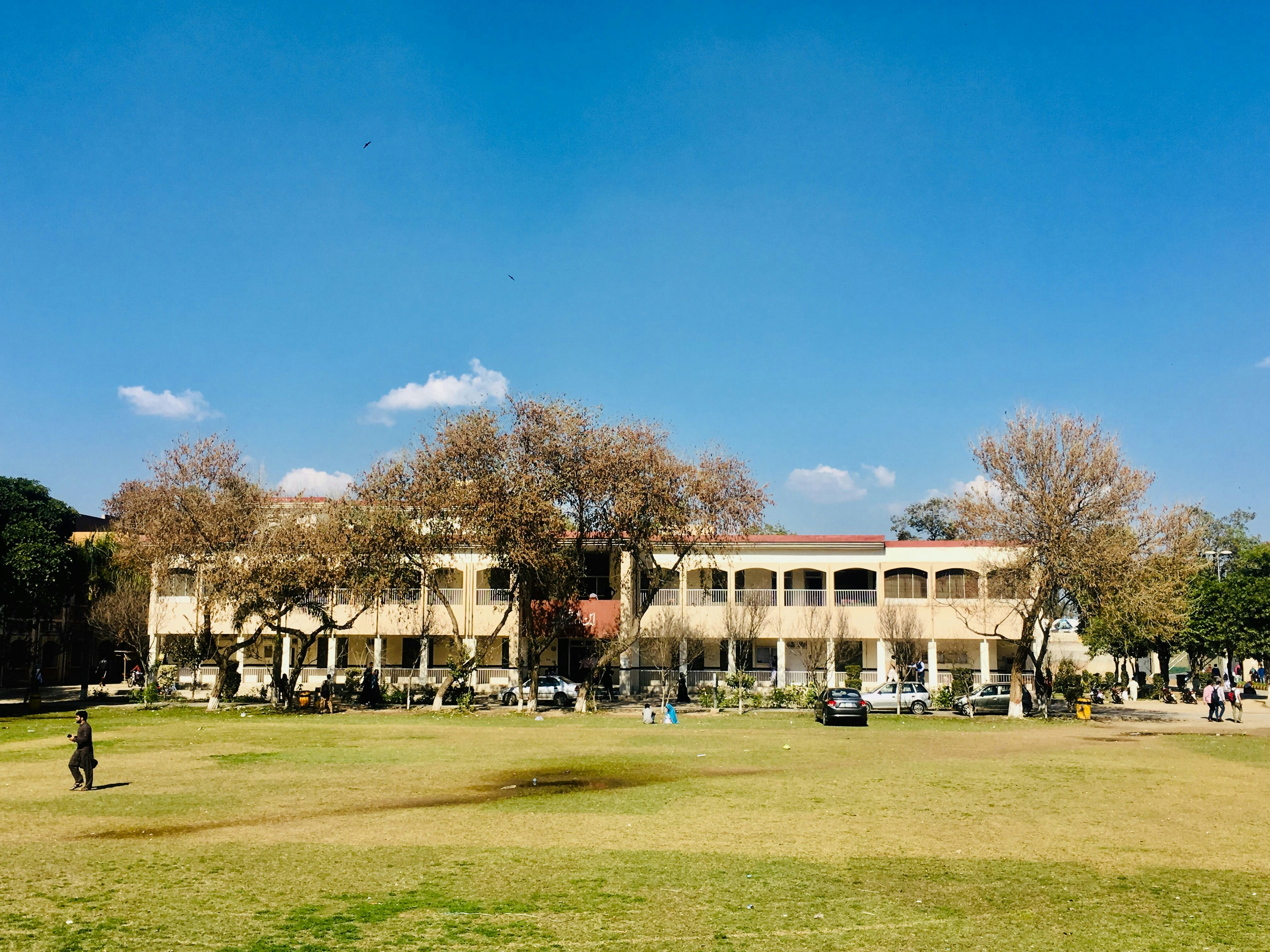
Unlike many South Asian cities that trace their roots back centuries, Sargodha is relatively young. Photo: Unsplash
Originally a small settlement, Sargodha grew rapidly because of its strategic location and agricultural potential. It became a municipality in 1914 and later developed into one of central Punjab's most important administrative centres.
The city's name is often linked to a local tradition combining the words "Sar", meaning pond, and "Godha", believed to refer to a holy man or ascetic. While historians debate the exact origins of the name, the story remains part of local folklore.
The Land Of Orchards And Open Plains
Sargodha sits in the heart of Punjab's fertile belt, between the Jhelum and Chenab river systems. The landscape is defined by vast flat plains, canal-fed farmland and orchards that stretch across the countryside.
The city is best known for its citrus production, particularly kinnow oranges. So closely is Sargodha associated with citrus farming that it is often called the "California of Pakistan." During harvest season, the region's orchards become one of its most recognisable sights.
Agriculture continues to shape life in and around the city. Markets, transport networks and local businesses all remain closely connected to the farming economy that fuelled Sargodha's growth.
A Distinctly Punjabi Identity
At its heart, Sargodha is a Punjabi city. Punjabi remains the dominant language in everyday life, alongside Urdu, and the city's culture is rooted in family networks, community ties and a strong agricultural tradition.
Unlike destinations known for grand monuments or royal history, Sargodha's character comes from ordinary life. Its crowded bazaars, tea stalls, neighbourhood markets and local gathering spots offer a glimpse into the rhythms of central Punjab.
Food reflects that identity. Traditional Punjabi staples such as roti, daal, curries, rice dishes and lassi remain central to daily life, while street-food stalls serve samosas, pakoras and other popular snacks. Fresh produce from the surrounding agricultural region naturally plays a major role in local cuisine.
More Than Farming
Though agriculture is central to its identity, Sargodha is also known for its military significance. During British rule, an airfield was established there because of the city's strategic location. Today, PAF Base Mushaf remains one of Pakistan's most important air force installations.
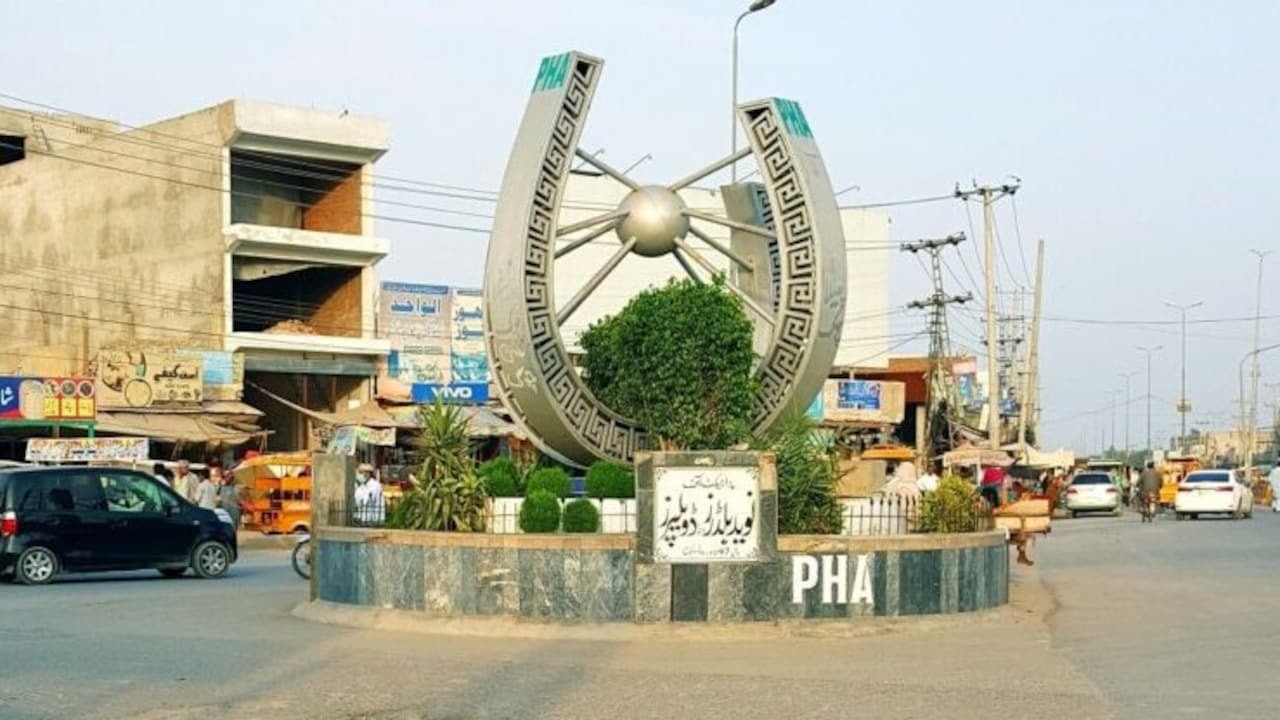
Sargodha is also known as "City of eagles". Photo: X
The Shadow Of Partition
Before partition in 1947, Sargodha was home to thousands of families who would eventually migrate across the newly drawn border. Like countless towns and cities across Punjab, Sargodha witnessed the upheaval that accompanied the division of British India into two nations.
For millions of families on both sides of the border, cities such as Sargodha are places remembered through stories passed down across generations, stories of homes left behind, friendships and love interrupted, and lives forever altered by the drawing of a border.
That emotional connection is what makes Sargodha such a fitting setting for Main Vaapas Aaunga. The film's central promise of return reflects a longing shared by many Partition survivors, a desire to revisit familiar streets, old neighbourhoods and homes that exist now only in recollection.
Track Latest News Live on NDTV.com and get news updates from India and around the world
