



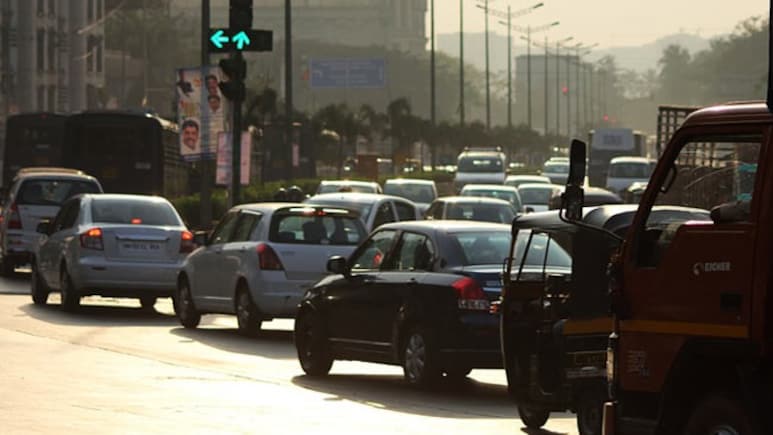
The Government of India is preparing to roll out Vehicle-to-Vehicle (V2V) communication technology by end of 2026. This system will allow vehicles to communicate directly with each other without the need for a network. The initiative aims to strengthen road safety and reduce accidents across the country.
The technology is expected to be particularly effective in preventing accidents involving parked vehicles and fast-moving traffic from behind. It will also help avoid large-scale pileups during dense fog, a recurring issue during the winter season. Through this system, vehicles will exchange signals and send alerts to drivers when another vehicle comes dangerously close.
Union Road Transport and Highways Minister Nitin Gadkari shared details of the initiative after the Annual Meeting with State Road Transport Ministers. He said the matter was discussed during the meeting and the technology will be implemented soon.
Nitin Gadkari said this system is expected to help prevent accidents, especially in cases where vehicles are parked on roads and fast-moving vehicles from behind often collide with them and during fog.
He also highlighted the importance of the Bus Body Code, stating that poor bus design has led to at least six major accidents in which 135 people lost their lives.
The minister also said existing buses will be equipped with additional safety features, including fire extinguishers, drowsiness detection systems for drivers, and emergency hammers for passengers.
Ministry of Road Transport & Highways Secretary V Umashankar, while addressing the media, termed the initiative a major step towards road safety. He noted that such technology is currently in use in only a few countries globally. According to him, the project is estimated to cost around Rs 5,000 crore.
What kind of technology will it be?
The system will function through a device similar to a SIM card, which will be installed in vehicles.
How will vehicles receive alerts?
Vehicles will receive real-time alerts when another vehicle comes too close from any direction. This feature will be extremely useful during foggy conditions when visibility between vehicles drops to almost zero.
Will it alert about vehicle distance or roadside vehicles?
Yes, the technology will provide alerts related to safe vehicle distance and will also warn drivers about nearby roadside or stationary vehicles.
Will the technology work from all sides of the vehicle?
Yes, the system will provide signals from all sides of the vehicle, ensuring 360-degree communication.
How much will it cost consumers?
The estimated project cost is around Rs 5000 crore. Consumers will be charged for this system but prices are not disclosed yet.
When will it be implemented in all vehicles?
The Transport Ministry is working to notify the technology by end of 2026, after which phased implementation across all vehicles will begin. Initially, the equipment will be installed only in new vehicles.
Will it work with Advanced Driver Assistance Systems?
Yes, the V2V communication system will work in coordination with Advanced Driver Assistance Systems (ADAS). Some premium SUVs already have similar technology, but it works on sensors not on network . After the official rollout, such vehicles will be aligned with the new system.
Officials believe the V2V technology will play a crucial role in reducing road accidents and improving overall traffic safety in India.
Track Latest News Live on NDTV.com and get news updates from India and around the world

