





In Madhya Pradesh, the administrative structure responsible for providing supplementary nutrition to nearly 8.5 million children, pregnant women and lactating mothers is being changed yet again. The state government has decided to transfer the responsibility for producing and distributing Take-Home Ration, or THR, from the State Rural Livelihood Mission back to the Department of Women and Child Development. This will be the fifth change in the nutrition distribution model since 2018. But while responsibility is moving from one department to another, food is not reaching several Anganwadi centres.
An NDTV ground investigation across Bhopal, Sagar, Vidisha and Agar-Malwa found that Take-Home Ration supplies had remained disrupted for periods ranging from one to three months at several centres.
Anganwadi workers said children, pregnant women and lactating mothers had been registered, their names were visible on government applications and their records were being regularly updated, but the ration meant for them had not arrived.
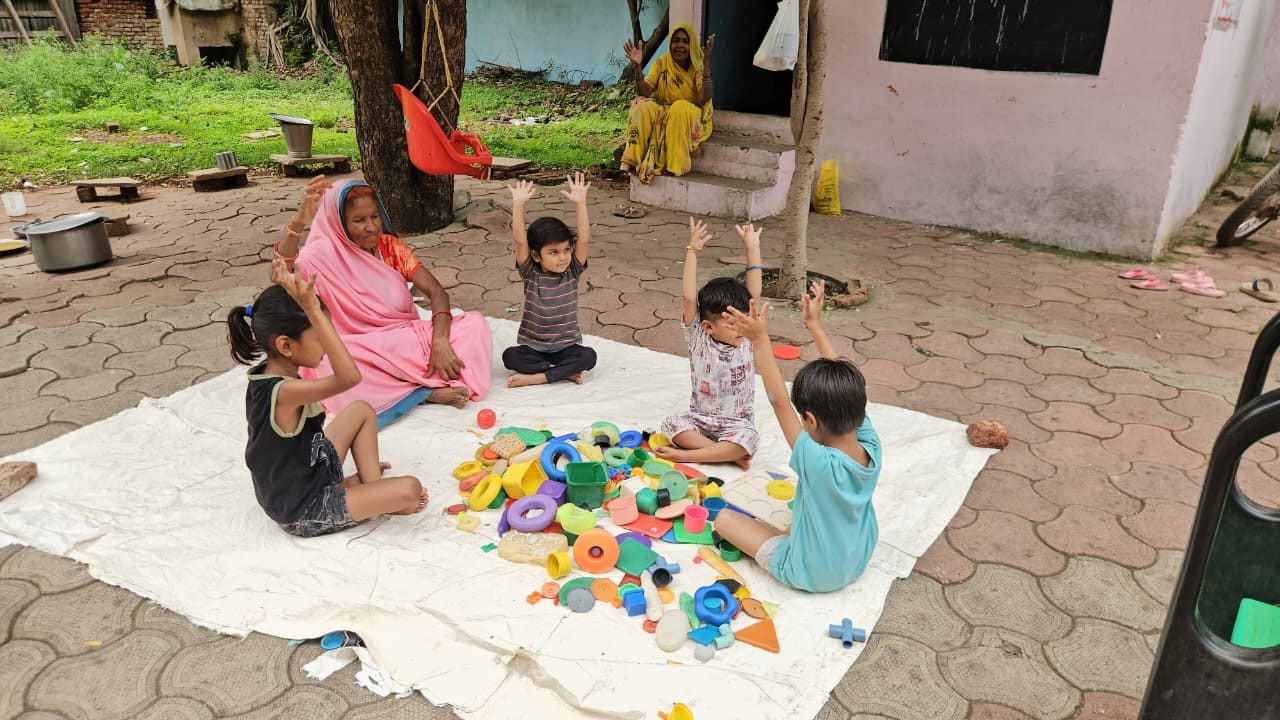
The nutrition system is estimated to be worth nearly Rs 1,200 crore. Government documents show that schemes are operational, budgets are sanctioned and beneficiaries are registered. Yet, at the last mile, workers are being forced to tell mothers that the packets have not come "from above".
The contradiction is stark: the system can count the child, weigh the child and record the child on an app, but it cannot always ensure that food reaches the child.
Bhopal's Link Road is among the capital's most powerful neighbourhoods. Ministers, senior officials and former Chief Minister Shivraj Singh Chouhan have residences in the area. Deputy Chief Minister Jagdish Devda also lives there.
In a lane behind his bungalow, Anganwadi Centre Number 729 operates from a small room. Nearly 50 children attend the centre. Fourteen pregnant women and eight lactating mothers are also registered there.
According to Anganwadi worker Rama Kushwaha, the centre received Take-Home Ration in April, but no fresh supply came in May and June.
"We received the stock in April and distributed it during April and May. It did not arrive in May and June. It has arrived again in July," she said.
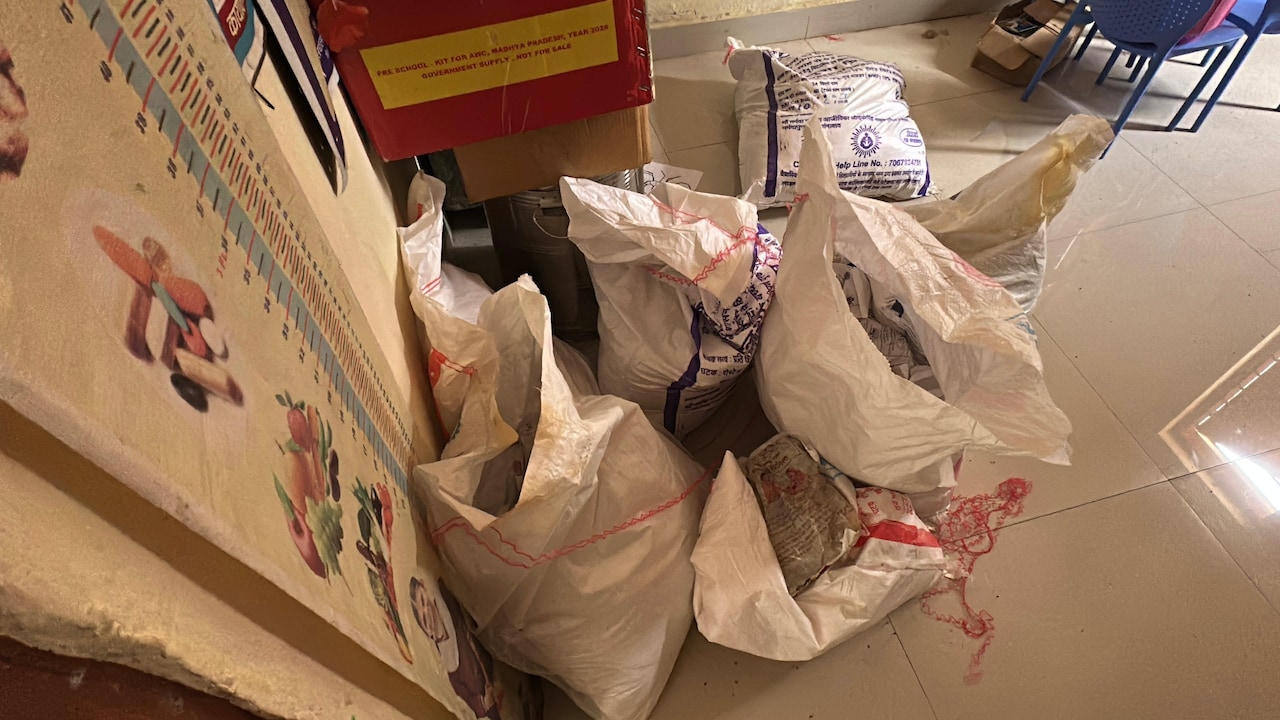
The supply may have resumed, but the two-month gap raises a fundamental question. The nutritional needs of a child do not pause when a government supply chain breaks down. A pregnant woman cannot postpone her requirement for protein and calories until the next consignment arrives.
For a malnourished child, every missed packet may mean lost growth that cannot easily be recovered.
Madhya Pradesh has 97,882 sanctioned Anganwadi centres operating under 453 child development projects. Nearly 8.5 million beneficiaries are registered across the state. The cost of supplementary nutrition is shared equally by the union and state governments.
Under the Take-Home Ration scheme, children between six months and three years are supposed to receive every month two packets of halwa premix, one packet of child food supplement and one packet of khichdi.
Pregnant and lactating women are entitled to two packets of wheat-soy barfi, one packet of wheat and gram-flour mix and one packet of khichdi.
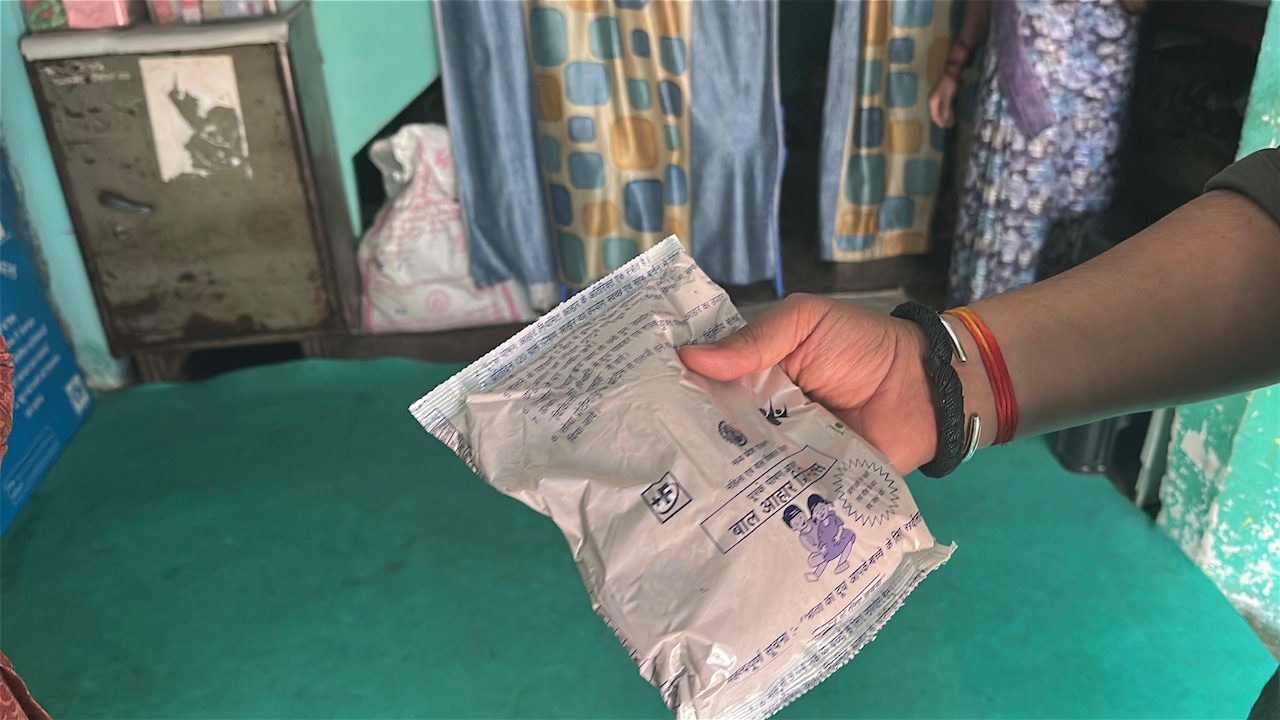
These are not ordinary food packets. They are meant for children and women who are often already vulnerable to malnutrition, anemia, low birth weight and poor dietary diversity.
For many poor families, the ration provided through an Anganwadi centre is not an additional benefit. It is the only assured source of fortified and supplementary nutrition.
Several Anganwadi centres were inspected across Bhopal, including those in Amravat Khurd, Barkheda Pathani and areas near Vallabh Bhawan, the headquarters of the state government.
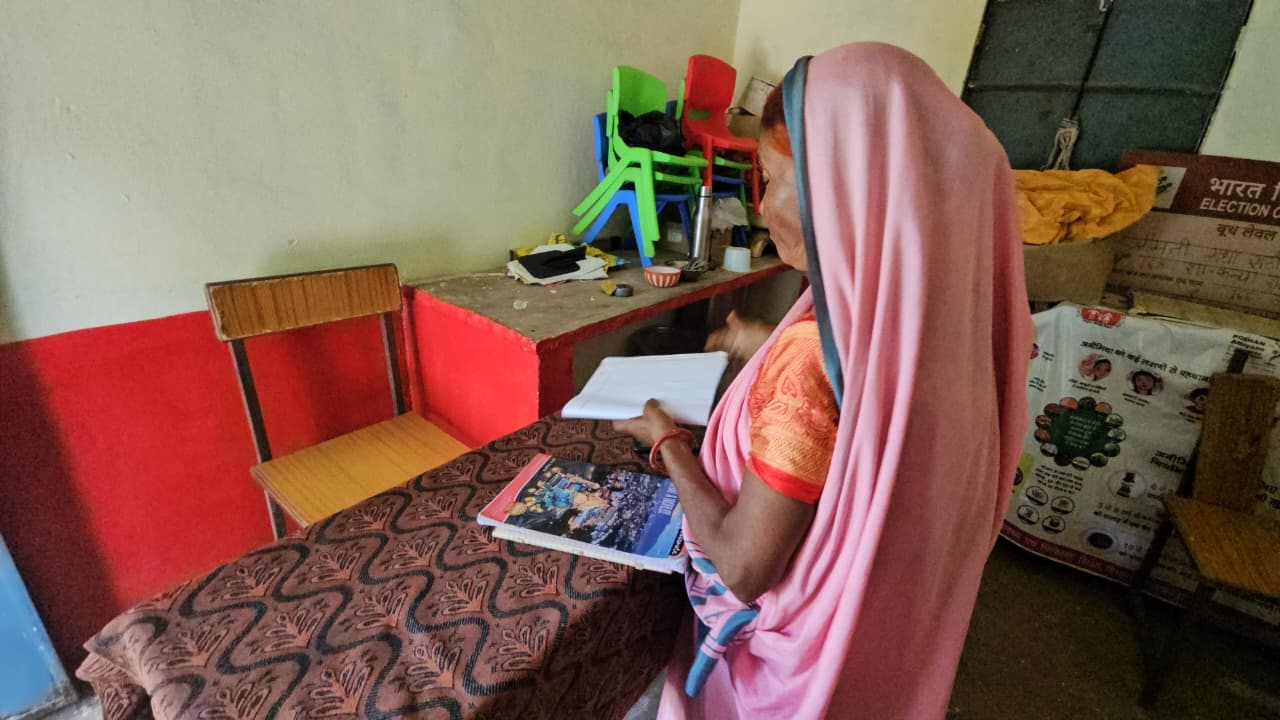
At some centres, workers showed registers. At others, they displayed entries on mobile applications or packets that had recently arrived. However, their accounts revealed that the supply had not been regular.
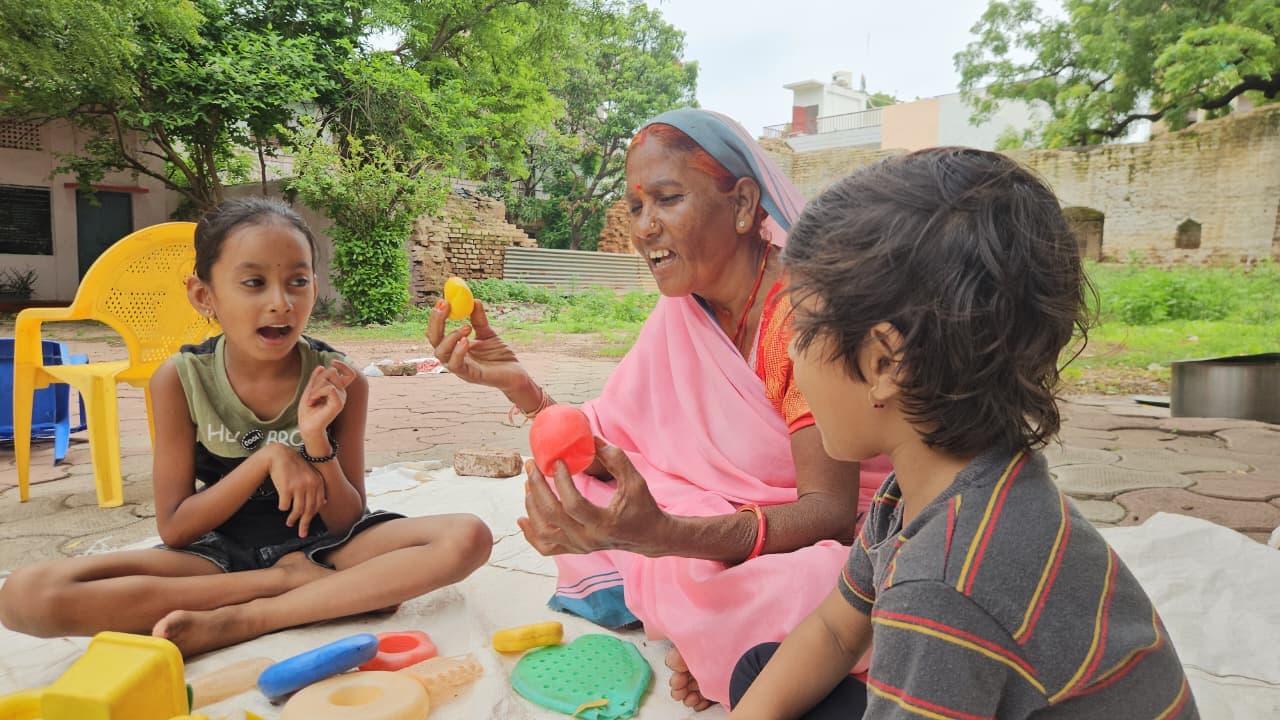
In Ward Number 16 of Agar-Malwa, Anganwadi worker Sharda Yadav was explaining the nutritional benefits of mangoes and other fruits to children. The eligibility list at the centre contained the names of 106 children.
But the government's app showed that Take-Home Ration for June and July had not reached the centre. "We did not receive it last month. Otherwise, operations here are regular. It has been more than a month since the last delivery," Yadav said.
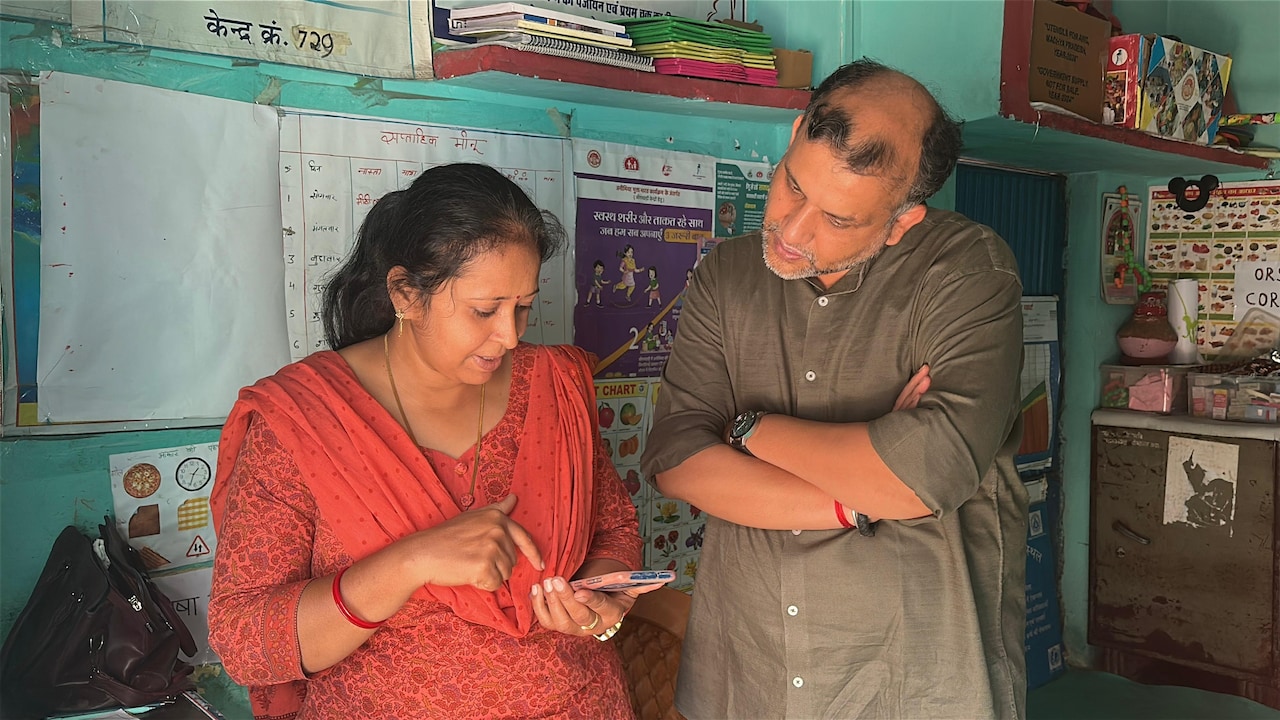
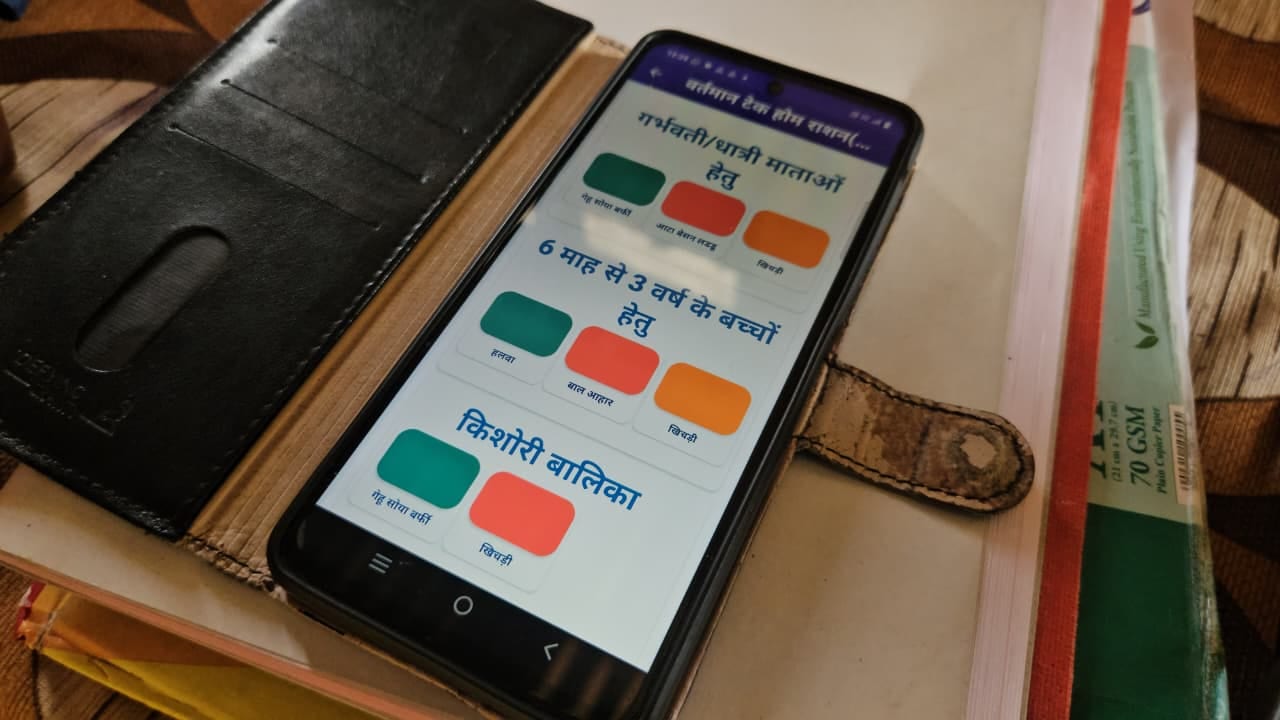
A beneficiary, Sandeep Suryavanshi, said families had been told that supplies had not arrived from the source.
The digital record confirms that the beneficiaries exist. It also confirms that the ration did not reach them. The government increasingly relies on digital monitoring to track nutrition delivery, but an entry on an application cannot feed a child.
At another centre in Agar-Malwa, Anganwadi helper Prem Bai was feeding children under a neem tree. The Anganwadi itself operates from a single room packed with supplies and other material. There is not enough space for children to sit inside.
There is no electricity and no fan. Nearly 40 children are registered at the centre. According to the worker, Take-Home Ration had not arrived for about a month. The room was full, but the ration meant for the children was missing.
In the Katra area of Sagar, two Anganwadi centres together cater to more than 10 pregnant women and nearly 30 children. Workers at both centres said Take-Home Ration had not arrived for almost three months. "It has been nearly three months. Pregnant women are usually given halwa, wheat-soy barfi and khichdi, but the supplies have not arrived," Anganwadi helper Varsha Rajak said.
Another helper, Menka Bhadauria, gave a similar account. Three months is not a minor administrative delay. For a child below the age of three, it is a significant part of a crucial period of physical and cognitive development. The packets cannot simply be supplied later and treated as if no harm had been done.
In Jatarpura in Vidisha district, Pooja Adivasi's one-year-old daughter weighs only 4.8 kilograms. Pooja said she sometimes receives daliya or a packet of sattu, but the supply is irregular. "My child is one year old and weighs 4.8 kilograms. I receive daliya, but nothing else. I have not received a sattu packet for 15 days. They say the supplies have not come from higher authorities," she said.
Pooja's child is not merely a number in a register. At that weight, every interruption in nutrition becomes a direct risk to survival and development.
The supply disruption comes at a time when the deaths of severely underweight children have already exposed the fragility of Madhya Pradesh's nutrition network.
In April this year, four-month-old Supriyanshi died in Majhgawan block of Satna district. She weighed just 2.86 kilograms. Her twin brother, Naitik, also weighed less than three kilograms. Supriyanshi was registered on the Poshan Tracker. The system knew that she existed. Her details were part of the official database.
But registration did not translate into regular monitoring and intervention capable of saving her. In August 2025, 15-month-old Divyanshi died in Shivpuri. At the time of her death, she weighed only 3.7 kilograms. Her haemoglobin level was 7.4 grams, indicating severe anemia.
She, too, had been identified under a government campaign and was registered on the Poshan Tracker. The system had seen her, counted her and recorded her. Yet it could not protect her. Around six months before Supriyanshi's death, four-month-old Hussain Raza also died in Satna. His birth weight was reportedly normal, at around three kilograms. But by the time he was brought to hospital four months later, his weight had fallen to just 2.5 kilograms. He was suffering from pneumonia and severe underweight conditions.
An investigation later found that he had never been admitted to a nutritional rehabilitation centre. He had not even been identified as severely malnourished in government records.
The contrast is disturbing.
Supriyanshi and Divyanshi were registered in the system but could not be saved. Hussain was never properly identified by the system meant to protect children like him. One child was counted but not protected. Another was not counted at all.
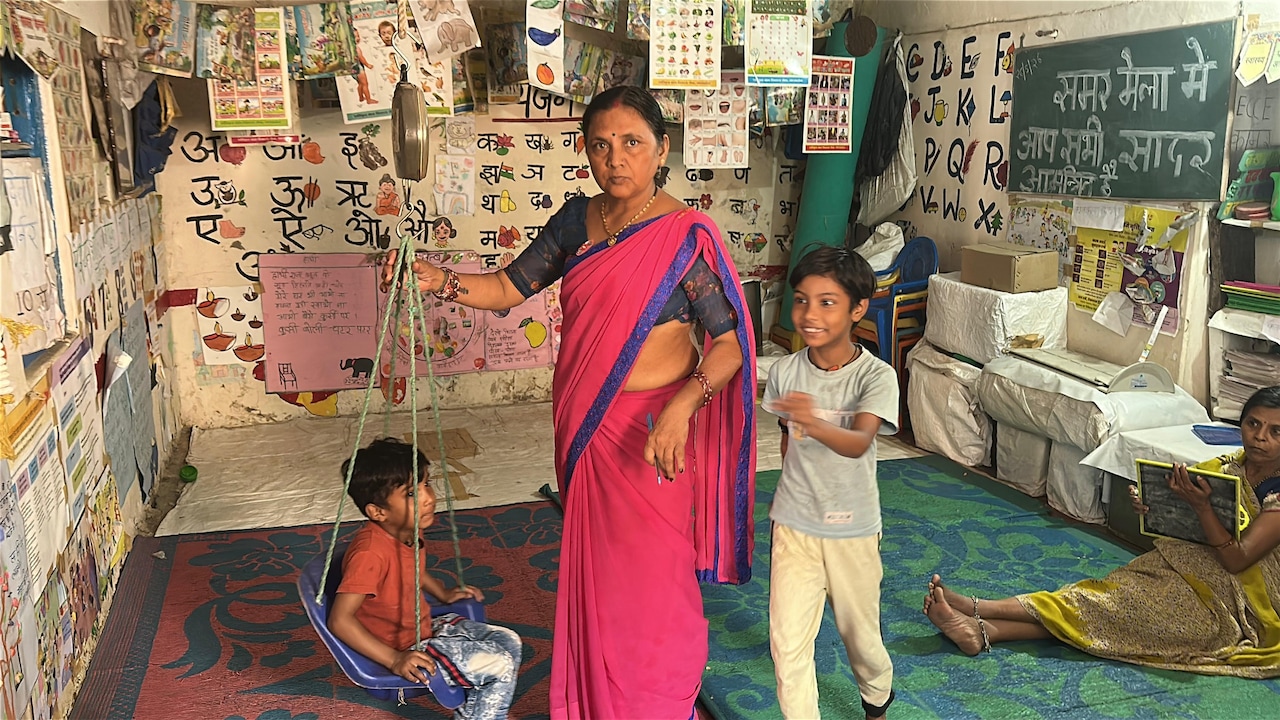
Anganwadi workers are responsible for calling beneficiaries to centres, weighing children, updating registers and mobile applications, counselling mothers and answering questions from families. But they do not control production, transportation or distribution. When the packets do not arrive, it is the local worker who faces the mother and says the stock has not come.
Women and Child Development Minister Nirmala Bhuria acknowledged that there had been problems in the supply system. "Yes, there have been some issues. We have made efforts to address them, and we will be able to run the system smoothly going forward," she said.
The Cabinet has now decided to transfer responsibility for Take-Home Ration from the State Rural Livelihood Mission to the Department of Women and Child Development. The government hopes the shift will improve coordination and delivery. But this will be the fifth restructuring of the model since 2018.
Departments have changed. Agencies have changed. Production mechanisms have changed. Distribution systems have changed. The children at the end of the supply chain have not.
The state spends approximately Rs 8 a day on a malnourished child and Rs 12 on a severely malnourished child. For pregnant women, the plan is to provide around 20 grams of protein a day at a cost of approximately Rs 9.50. These small allocations are expected to combat one of the country's most serious malnutrition burdens.
Data from the National Family Health Survey-6 indicates that 31.4 per cent of children under five in Madhya Pradesh are stunted. The proportion of underweight children has risen from 33 per cent to 39.7 per cent. Wasting has increased from 18.9 per cent to 23.8 per cent.
Only 12 per cent of children between six and 23 months receive a minimum acceptable diet. This means nearly 88 per cent do not receive food that is sufficiently adequate and diverse for their age.
The rate of exclusive breastfeeding during the first six months has also declined from 74 per cent to 56.4 per cent. These figures show that the crisis is not limited to delayed packets. It is also about the quality, quantity and diversity of food available to young children.
This is not the first time Madhya Pradesh's Take-Home Ration scheme has faced allegations of serious irregularities.
In 2022, an NDTV investigation found that registration numbers of vehicles shown in official records as transporting nutrition supplies belonged in several cases to motorcycles, auto-rickshaws and tankers. Questions were raised over the transportation and distribution of nearly 400 metric tonnes of rations. The revelations led to protests and political uproar in the state Assembly.
Two years later, the Comptroller and Auditor General also flagged irregularities of approximately Rs 428 crore between 2018 and 2021. The warnings were clear. The audit findings were on record. The transport discrepancies had been exposed. Yet, years later, Anganwadi workers are still saying that the ration has not arrived.
The government is once again reorganising the system. Responsibility will move to another department. New orders will be issued, new committees may be formed and fresh monitoring mechanisms may be announced. But administrative reform has little meaning if the ration does not reach the last child. Divyanshi was identified but could not be saved. Hussain was not properly identified. Supriyanshi was registered on the Poshan Tracker, but the protection promised by the system did not reach her in time.
A hungry child does not know which department is responsible for production, which agency is transporting the packets or which application is monitoring delivery. She only knows hunger. And hunger cannot be fed with files, apps or another overhaul.
Track Latest News Live on NDTV.com and get news updates from India and around the world

